




Antique Display Boxes
Antique display boxes gather the small treasures of past centuries behind glass.
Antique Display Boxes
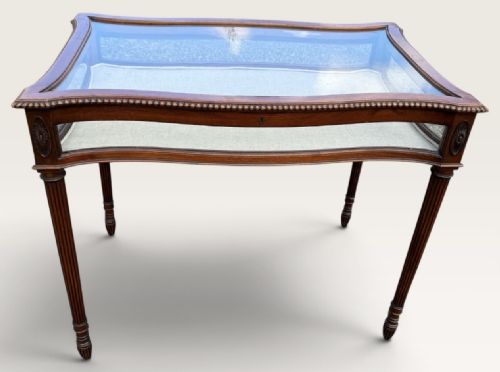
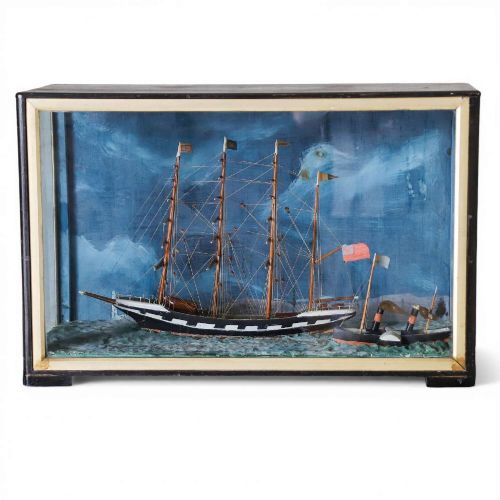
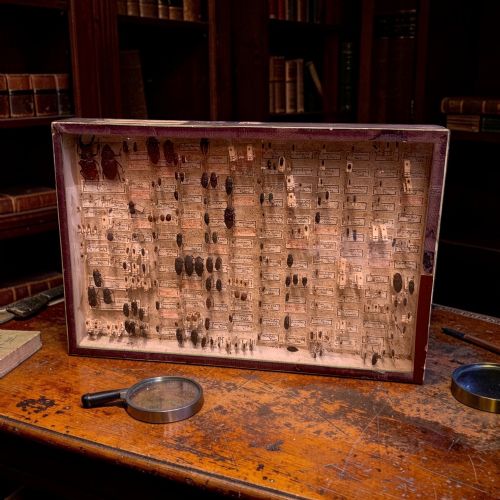
When you search for antique display boxes, you encounter an array of glazed cases, tabletop cabinets, and bijouterie tables designed to protect and exhibit precious items. The pieces seen here span the Victorian, Edwardian, and later periods, ranging from domestic tabletop cases to specialised natural history and maritime diorama frames.
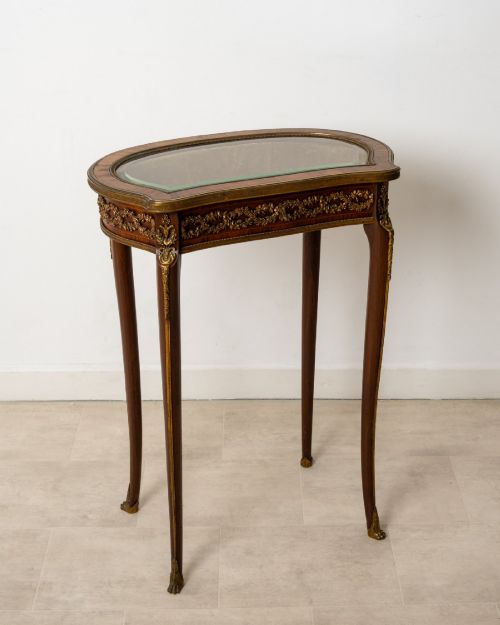
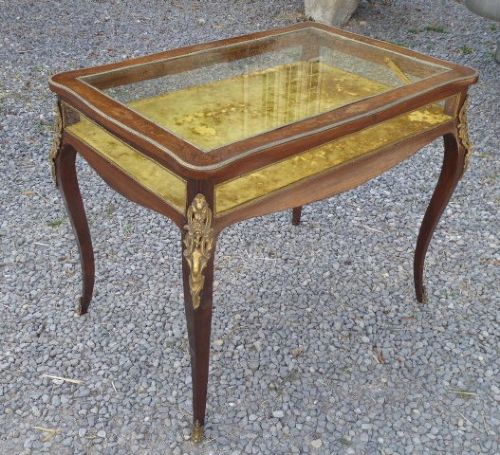
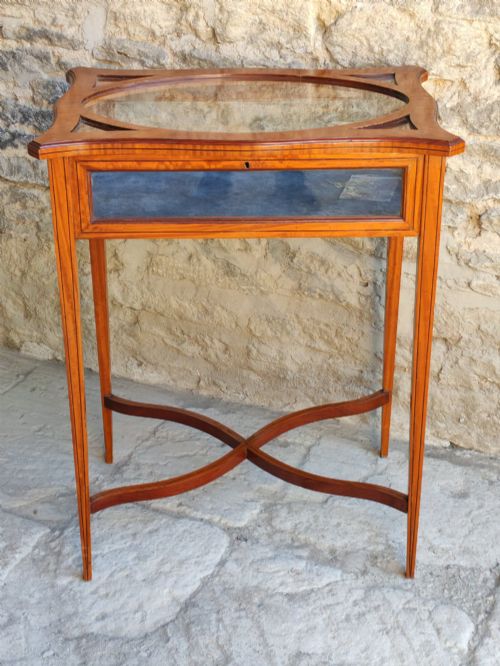
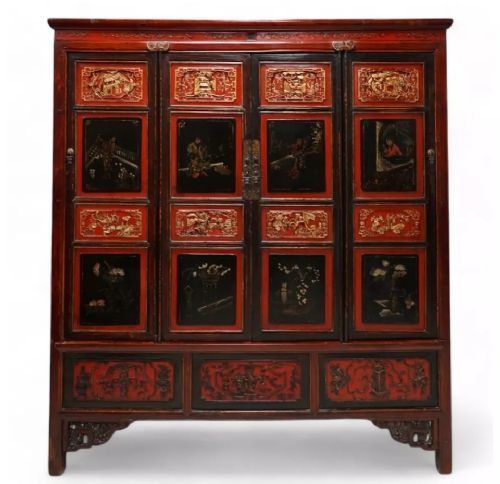
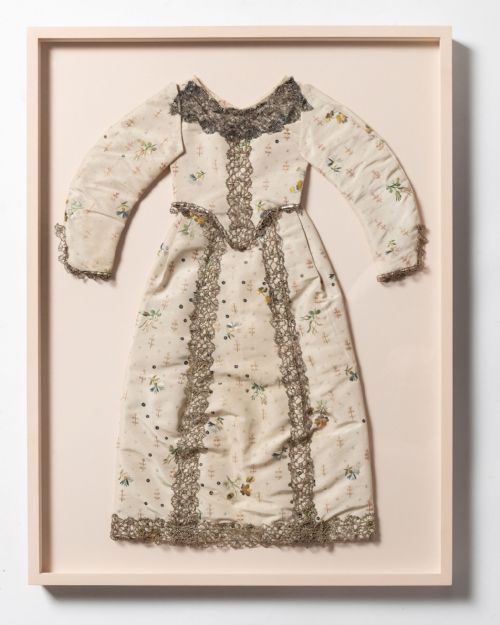
Bijouterie tables and vitrines form a prominent group among these items, often constructed with glazed tops for viewing jewellery, fans, or miniatures. Alongside these sit taxidermy cases, maritime dioramas, and countertop cabinets, each created to hold specific curiosities.
Origins stretch across English workshops and French ateliers, bringing together varying styles such as French Louis XV Revival, maritime folk art, and Edwardian cabinet-making. These forms reflect the Victorian and Edwardian impulse to curate and present personal collections within the home.
How they were made
Makers utilised fine timbers such as mahogany, satinwood, burr walnut, and kingwood for the frames and structural cabinetry, frequently incorporating marquetry or intricate woodwork. Glass panels provide the protective viewing surface, fitted closely into wooden or metal rebates.
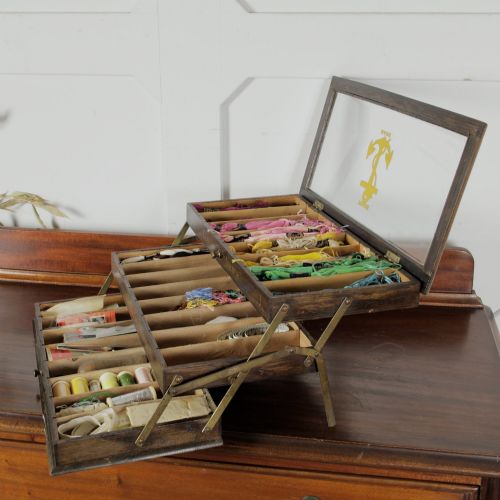
Ormolu mounts, brass fittings, and gilt bronze details adorn many of the French and English pieces, adding structural accents and decorative borders. Paper, velvet, and textile linings furnish the internal compartments where the displayed items rest.
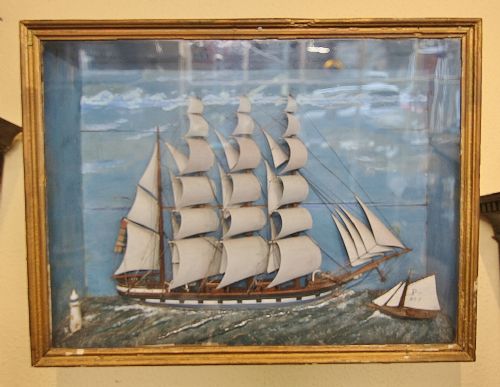
Specialised constructions define the diorama and taxidermy pieces, combining painted backdrops, carved wooden model ships, and preserved specimens within sealed wooden boxes. Joinery methods of the nineteenth and early twentieth centuries ensure rigidity for these glazed structures.
Antique Display Boxes Retail Price Guide 2026
Typical asking prices for display boxes among the pieces listed under this phrase on Sellingantiques today, from the lower quarter to the upper quarter. They describe what is for sale here now, not the wider market.
Listings feature items spanning the 19th century, Edwardian era, and 1920s, constructed from mahogany, glass, brass, and velvet.
What varies in quality
The standard of timber selection and cabinet joinery dictates the foundational worth of each piece, distinguishing finely figured veneers from plain secondary woods. Cabinet-makers who shaped serpentine curves or fitted complex marquetry achieved a higher level of refinement than those producing simple utility boxes.
The quality of the metal mounts, whether cast ormolu or chased brass, marks the distinction between standard production and high-status workshop output. Crisp casting and secure fitting of these decorative elements elevate the appearance of tables and vitrines.
Originality of components, including the glass panes, fabric linings, and interior fittings, preserves the integrity of the object. Pieces retaining their undamaged original glazing and lining demonstrate greater fidelity to their period of manufacture.
Hawkes and Co·James Jones
The Antique Display Boxes Glossary
- Bijouterie table
- A glazed tabletop cabinet designed specifically for displaying small valuable items, medals, or jewellery. These pieces typically stand on slender legs and feature a hinged or lifting glass top.
- Diorama
- A three-dimensional scene enclosed within a box, commonly featuring model sailing ships set against painted seascapes. Maritime examples often incorporate carved wooden vessels and textured plaster waves.
- Ormolu
- Gilt bronze mounted onto furniture and display cases as a decorative accent. This technique was widely utilised by French cabinet-makers during the nineteenth century.
- Vitrine
- A glass-fronted or glass-topped cabinet used for exhibiting porcelain, curiosities, or personal collections. They appear in freestanding formats as well as table-height variants.
- Toleware
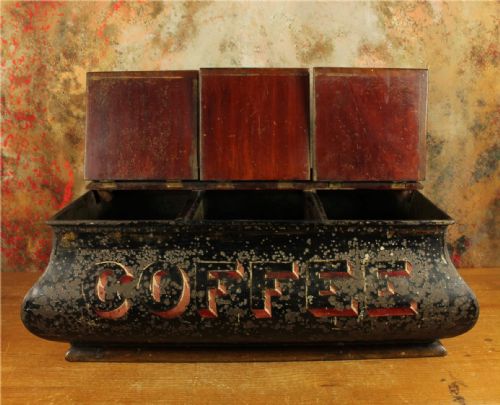
- Painted or japanned metalware produced in tin or iron. These utility boxes and containers were often decorated with floral or scenic motifs.
- Taxidermy case
- A glazed wooden enclosure built to house preserved animal specimens in a simulated natural environment. These displays frequently include painted backgrounds and botanical elements.
Antique Display Boxes: Frequently Asked Questions
What were antique display boxes used for?
These boxes and tables served to protect and showcase prized possessions, ranging from personal jewellery and fans to natural history specimens and model ships.
Owners arranged their collections within glass-fronted or glass-topped enclosures to allow visitors to inspect delicate items without handling them.
How do I care for a wood and glass display case?
Keep wooden surfaces conditioned with appropriate furniture wax and clean glass panels using standard non-abrasive glass cleaner applied to a cloth rather than sprayed directly.
Position the case away from direct sunlight to prevent the fading of interior velvet linings and delicate specimens.
How do I tell Victorian from Edwardian display tables?
Victorian pieces often feature darker timbers like burr walnut or heavily mounted ormolu details, reflecting a preference for ornate ornamentation and heavier proportions.
Edwardian examples frequently utilise satinwood inlay, lighter mahogany tones, and more restrained lines in keeping with the tastes of the early twentieth century.
Can I open the glass compartments on these cases?
Most bijouterie tables and vitrines feature functional hinges and locks designed to grant access to the interior display area for arranging contents.
Older taxidermy cases and diorama boxes are typically sealed permanently to protect the delicate internal environments from dust and humidity.