
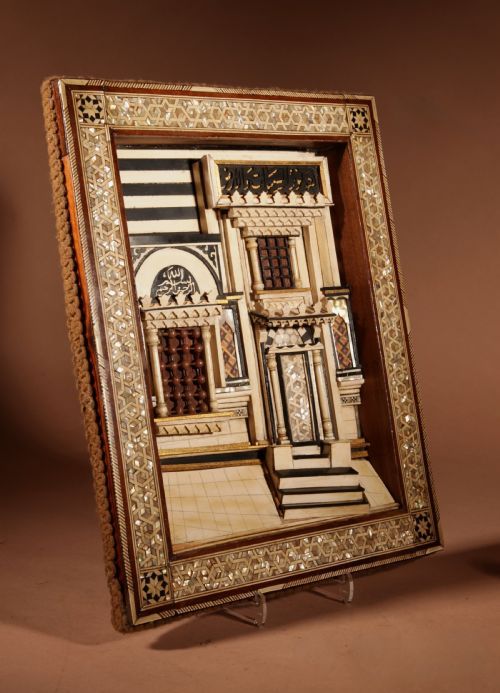


Antique Diorama Box
An antique diorama box frames a tiny, self-contained world behind glass, offering a miniature stage for maritime scenes, folk art, and taxidermy.
Antique Diorama Box
When you search for an antique diorama box, you encounter shallow cased displays designed to present three-dimensional scenes under glass. The pieces available span the eighteenth, nineteenth, and early twentieth centuries, capturing maritime subjects alongside natural history and folk art.
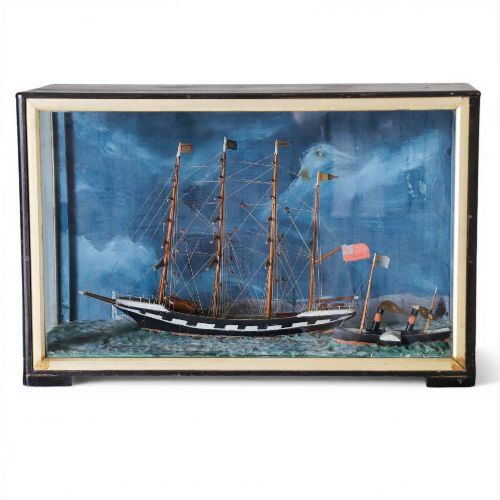
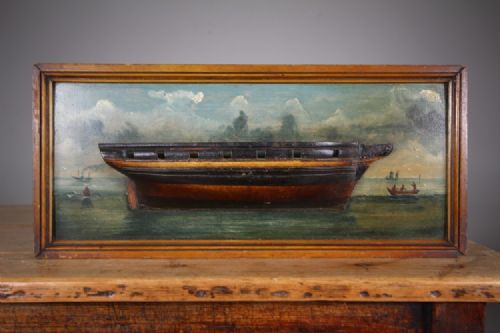
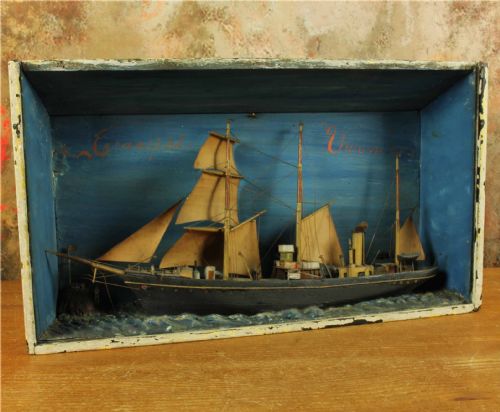
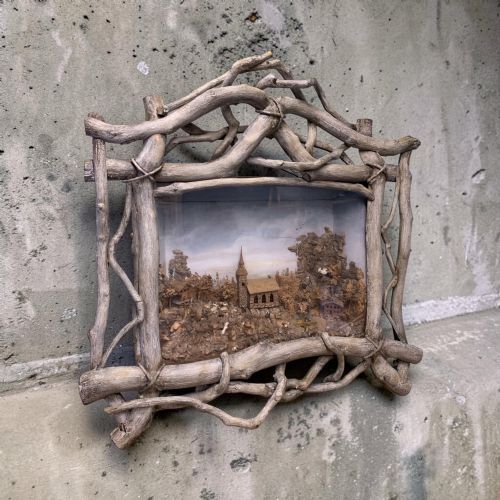
Maritime shadow boxes and ship models form the most common variety on this page, often depicting named vessels under full sail. Alongside these nautical examples appear architectural models, townscapes, and taxidermy displays housed within protective wooden frames.
Originating from British, French, and other European workshops, these works range from professional sailor-made creations to delicate shell and straw work. Each piece functions as a window into a past scene, preserved behind its original glass front.
Materials and construction
Makers built the structural cases primarily from wood, fitted with glazed fronts to protect the fragile interior components from dust and damage. Within these frames, they layered painted canvas, paper, plaster, and fabric to construct the background seascapes and landscapes.
Detailed elements within the boxes rely on specialised folk techniques, incorporating carved cork, dried twigs, shells, and intricate straw work. Model ships feature scratch-built wooden hulls and fabric rigging, while taxidermy displays integrate natural specimens into painted winter scenes.
The object types span maritime dioramas, shadow boxes, architectural relief models, taxidermy display cases, and automaton scenes.
Evaluating craftsmanship and condition
Quality in an antique diorama box rests on the intricacy of the internal model-making and the preservation of the painted backdrop. Finer examples display meticulous rigging on ship models or sophisticated architectural relief work rather than simple, blocky construction.
The integrity of the original glass and the tightness of the wooden case determine how well the interior has survived. Boxes that retain their untouched painted surfaces and original components command greater appreciation among collectors.
The Antique Diorama Box Glossary
- Shadow box
- A deep, glass-fronted frame designed to hold and protect a three-dimensional scene. This format keeps delicate objects safe from handling.
- Maritime folk art
- Creative work produced by sailors or coastal craftspeople, usually featuring ships and marine subjects. These items rely on traditional local materials.
- Nevers glass
- Lampworked glass figures enclosed within devotional shadow boxes, originating from French glassmaking traditions. They often depict religious or spiritual scenes.
- Scratch-built
- A model constructed entirely from raw materials rather than from a commercial kit. This method highlights the maker's individual skill and resourcefulness.
- Taxidermy display
- The preservation and mounting of animal specimens within a cased habitat. These arrangements often recreate natural seasonal environments.
Antique Diorama Box: Frequently Asked Questions
How were antique diorama boxes displayed?
Most examples were built to hang on walls or sit upon mantels within domestic or institutional settings. Their protective glass cases allowed owners to display fragile models safely in everyday rooms.
Maritime versions often commemorated specific vessels or journeys, serving as personal mementos for seafaring families and maritime enthusiasts.
What subjects appear most frequently?
Sailing ships and maritime scenes dominate the available selections, ranging from racing clippers to steam barges. These nautical works capture the height of nineteenth-century shipping and folk craftsmanship.
Other common subjects include taxidermy specimens in natural habitats, architectural models, and intricate shell or straw work creations from the early twentieth century.
How do I care for an antique diorama box?
Keep the wooden case and glass front clean using a dry cloth, avoiding harsh chemical sprays that could seep inside the frame. Direct sunlight should be avoided to prevent the fading of painted canvases and delicate paper elements.
Stable indoor humidity protects the organic materials like cork, straw, and fabric from degrading over time.