

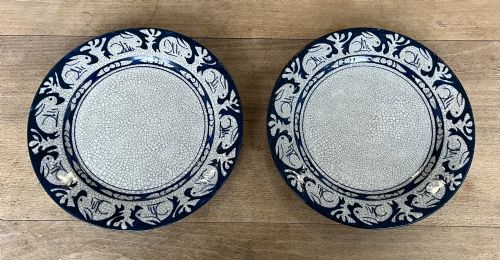
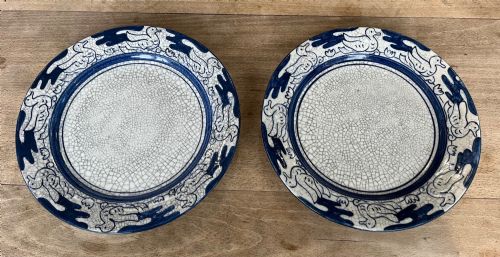
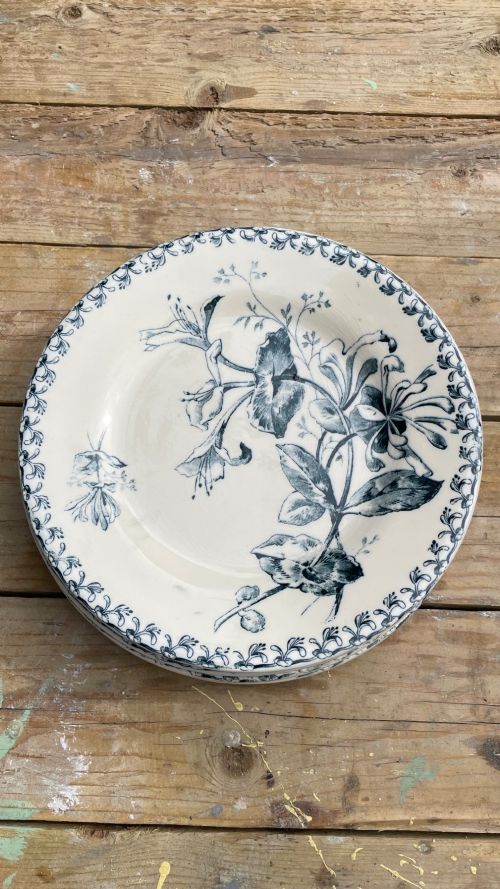
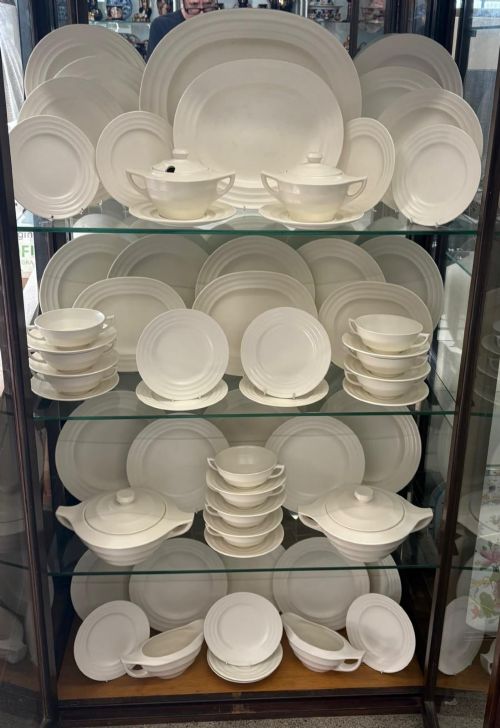



Antique Dinnerware Plate
An antique dinnerware plate brings historical craftsmanship to the table, offering a tangible connection to Georgian, Victorian, and Regency dining traditions.
Antique Dinnerware Plate
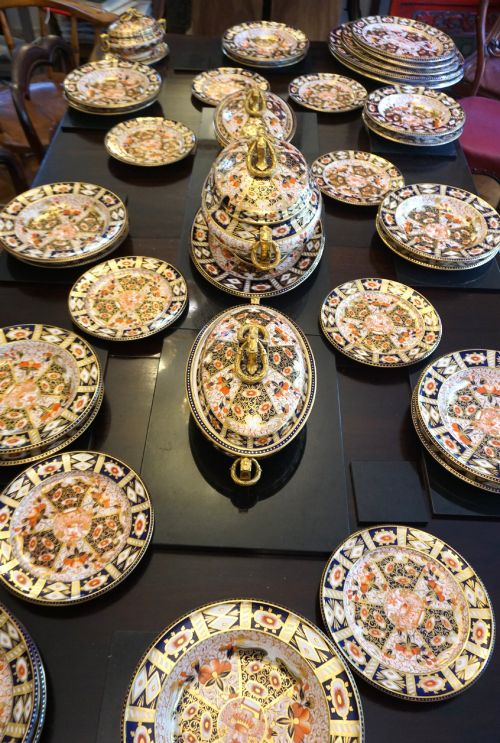
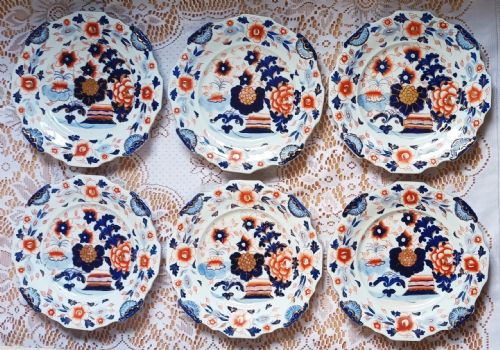
An antique dinnerware plate encompasses individual ceramic, porcelain, ironstone, and metal pieces designed for serving food or display. Buyers frequently encounter examples ranging from 18th-century creamware to 19th-century transfer-printed earthenware and porcelain.
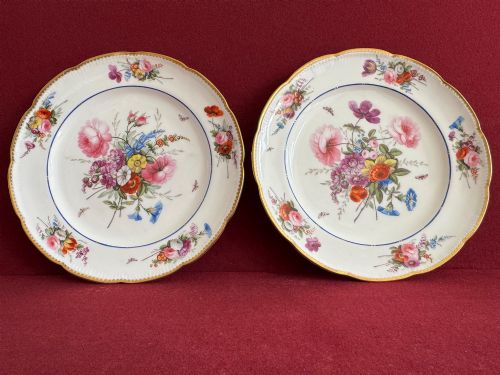
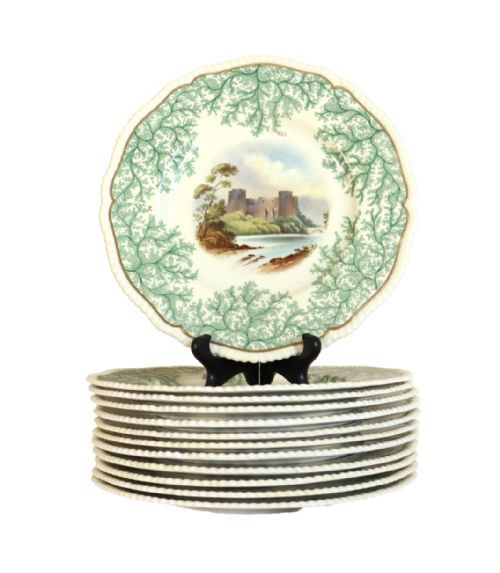
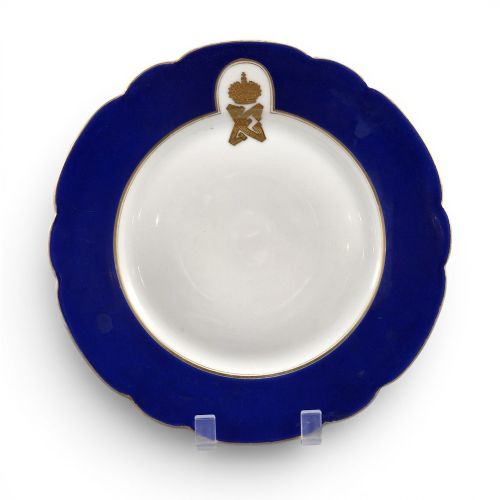
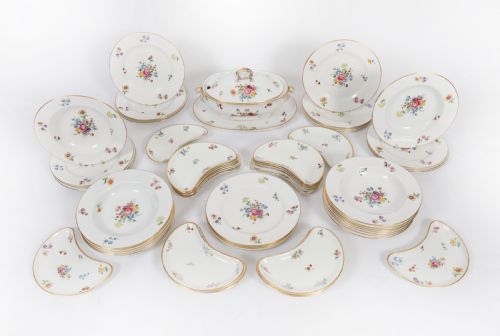
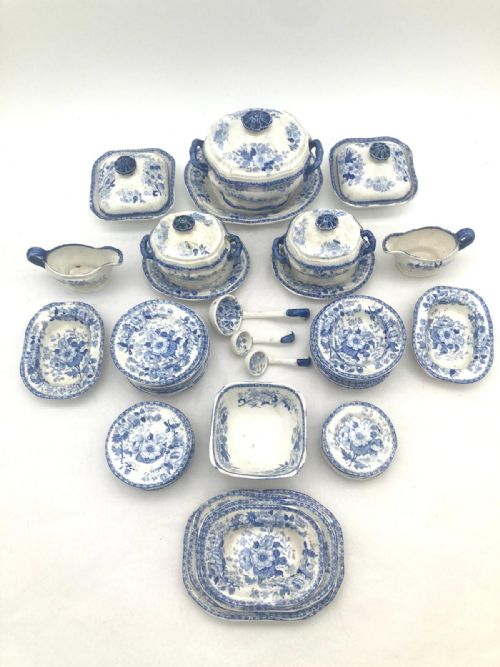
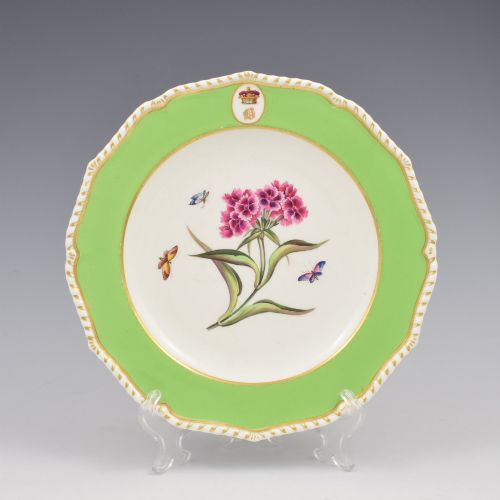
The selection includes cabinet plates, soup bowls, and dessert plates alongside larger dinner services. Makers utilised varied patterns such as botanical studies, armorial crests, and blue and white transfer scenes like Willow and Italian.
Origins span English potteries like Spode, Minton, and Mason's, alongside European works including Limoges and Imperial Russian porcelain. These pieces reflect the dining customs and stylistic shifts of the Georgian, Regency, and Victorian eras.
Materials and production
Potters shaped earthenware, ironstone, and porcelain body pastes before applying glazes and ceramic colours. Many utilitarian and decorative pieces received underglaze blue and white transfer printing or hand-painted enamels.
High-status items incorporated gold leaf and gilt highlights, often combined with pate-sur-pate decoration or armorial crests. Metal alternatives utilised silver plating or old Sheffield plating over base metals, alongside traditional pewter casting.
Antique Dinnerware Plate Retail Price Guide 2026
Typical asking prices for dinnerware plate among the pieces listed under this phrase on Sellingantiques today, from the lower quarter to the upper quarter. They describe what is for sale here now, not the wider market.
Listings feature earthenware, ironstone, and porcelain alongside metalwares in pewter and silver plating.
Distinctions in quality
Quality rests upon the crispness of the transfer print, the precision of hand-painted enamel work, and the delicacy of the porcelain body. Early ironstone and porcelain examples show greater weight and structural refinement in their moulding.
Provenance and specific factory attribution elevate individual pieces, particularly those bearing documented decorators or aristocratic armorial commissions. Intricate gilding and specialised techniques like pate-sur-pate distinguish high-end cabinet plates from standard table service items.
Nantgarw·Spode·Minton·Bloor Derby·Coalport·Matthew Boulton·Flight Barr And Barr·Wedgwood·Limoges·Booths·Doulton·Mason S·Royal Worcester·John Rogers And Son·Copeland Spode·Chamberlains·Elkin And Newbon
The Antique Dinnerware Plate Glossary
- Ironstone
- A patented ceramic material developed to combine the durability of stoneware with the refined appearance of porcelain. It resists chipping and formed the durable base for numerous 19th-century services.
- Transfer printing
- A decoration technique using an engraved copper plate to transfer a design onto tissue paper, which was then stamped onto the ceramic body. This method allowed consistent reproduction of complex patterns.
- Creamware
- A refined earthenware developed in England, possessing a pale yellowish cream glaze. It became the dominant tableware material of the late 18th century.
- Pate-sur-pate
- A ceramic decoration method where successive layers of liquid clay slip are built up on a coloured body to create a low-relief cameo effect. The technique requires meticulous skill from the ceramic artist.
- Armorial plate
- A ceramic or metal piece painted or engraved with a family crest, coat of arms, or noble insignia. These bespoke items were commissioned for wealthy households.
Antique Dinnerware Plate: Frequently Asked Questions
Can I use antique plates for dining?
Many ironstone and earthenware plates tolerate careful daily use, though older soft-paste porcelain and pieces with delicate gold leaf require hand washing and gentle handling.
Enameled or transfer-printed surfaces from the 19th century hold up well to regular service if thermal shock is avoided.
How do I date an antique plate?
Dating relies on factory marks, ceramic bodies, and decorative styles recorded in the evidence from the 18th to the 20th centuries.
Transfer patterns and armorial commissions often correspond to specific Regency or Victorian production windows.
What is ironstone china?
Ironstone is a heavy, durable ceramic material patented in the early 19th century to mimic porcelain while offering greater resistance to daily wear.
Potteries like Mason's utilised this dense body for dinner services intended for heavy household use.
How should I display cabinet plates?
Cabinet plates feature detailed hand-painted botanical or armorial designs intended primarily for visual appreciation.
Secure wall hangers or dedicated display stands protect these pieces while showcasing their decorative borders and enamel work.