


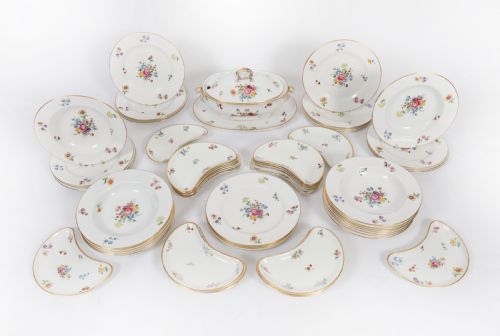


Antique Dinner Service Plates
Antique dinner service plates bring historic craftsmanship to the table, spanning earthenware, porcelain, and bone china across the nineteenth and twentieth centuries.
Antique Dinner Service Plates
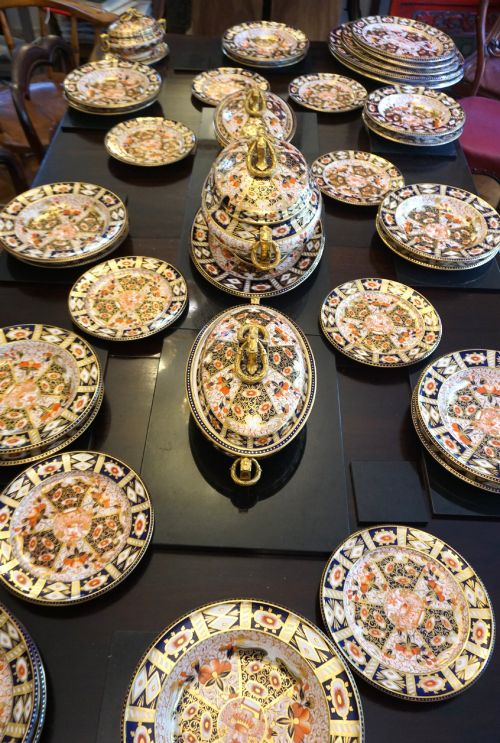
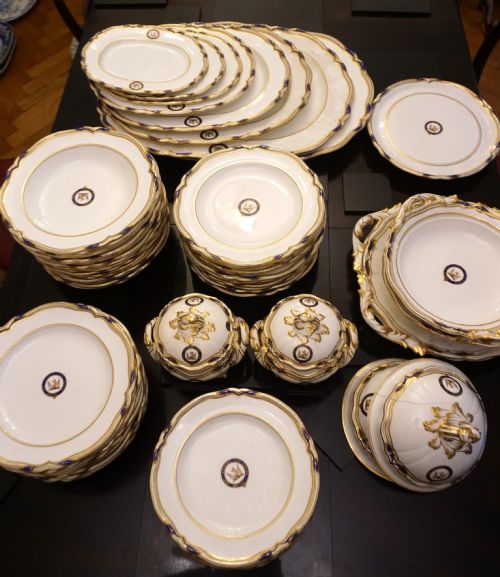
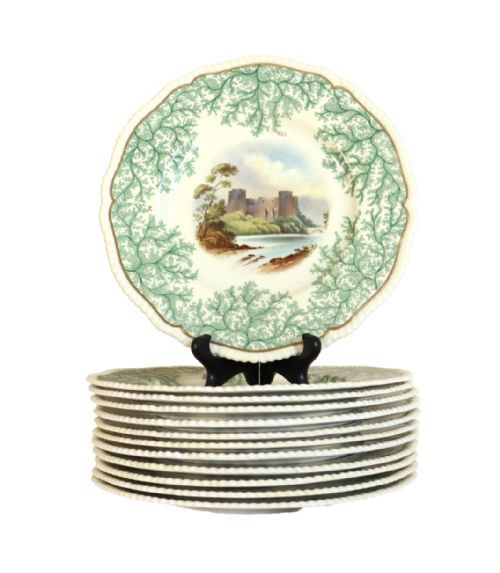
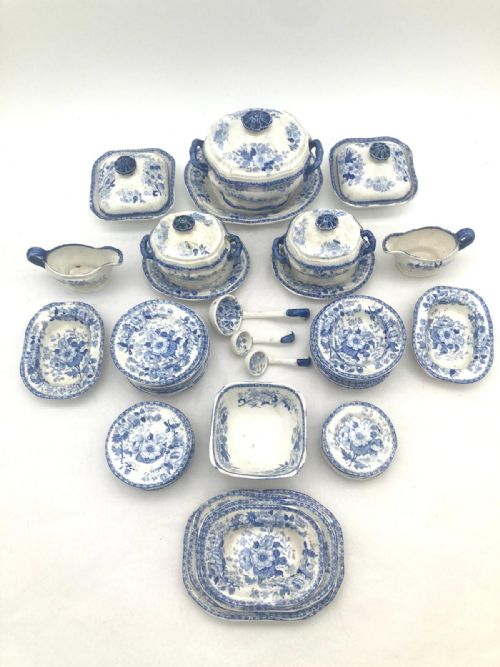
Antique dinner service plates include individual dining plates, part services, and comprehensive sets originating from nineteenth and twentieth-century periods such as the Victorian, Edwardian, and Regency eras. Buyers searching for antique dinner service plates encounter various ceramic forms ranging from earthenware and creamware to fine porcelain and bone china. Traditional patterns and transfer-printed designs dominate the offerings, often appearing alongside related child services and larger dining collections.
The pieces on this page reflect diverse stylistic influences including traditional motifs, Art Deco designs, and Regency Chinoiserie. Makers represented in the evidence span notable English potteries and manufacturers producing both utilitarian tableware and decorative services for formal dining rooms. Individual plates and matching sets demonstrate the enduring utility of historic tableware.
How they were made
Potters utilised earthenware, bone china, and porcelain bodies, applying glaze and enamel to create durable and decorative surfaces. Hand-painted details and blue and white transfer printing appear frequently across the pieces, alongside gilt highlights applied to rims and borders.
Makers employed specialised moulding and firing techniques suited to ironstone, creamware, and standard ceramic pastes. Silver plating also occurs on related charger plates, while ironstone provided a robust alternative for heavy-use services.
Antique Dinner Service Plates Retail Price Guide 2026
Typical asking prices for dinner service plates among the pieces listed under this phrase on Sellingantiques today, from the lower quarter to the upper quarter. They describe what is for sale here now, not the wider market.
Materials recorded across the inventory include porcelain, bone china, earthenware, creamware, and silver plating.
What varies in quality
Quality in these plates rests upon the finesse of the ceramic body, whether fine translucent porcelain, substantial ironstone, or refined creamware. The crispness of transfer printing and the precision of hand-painted enamels distinguish finer examples from standard production.
The application of gilt and the complexity of border patterns contribute to a piece's visual depth and overall standard. Provenance and association with notable potteries also influence the standing of individual services and plates.
Spode·Minton·Wedgwood·Copeland·Booths·Coalport·Doulton·Masons·Limoges
The Antique Dinner Service Plates Glossary
- Earthenware
- A porous ceramic body fired at lower temperatures, requiring a glaze to become impermeable to liquids. It forms the basis of many traditional historic plates.
- Bone china
- A type of porcelain incorporating animal bone ash, producing a strong, translucent ceramic body with a brilliant white finish. It represents a refined standard in British tableware.
- Transfer printing
- A decoration technique where an engraved copper plate transfers a design onto tissue paper, which is then pressed onto the ceramic biscuit before glazing. This method allowed for intricate, repeatable patterns.
- Creamware
- A refined earthenware developed in Yorkshire featuring a warm, cream-coloured lead glaze. It gained popularity during the eighteenth and nineteenth centuries for domestic dining.
- Ironstone
- A heavy, durable type of earthenware patented to resist chipping and cracking while mimicking porcelain. It provides a sturdy foundation for practical dining services.
Antique Dinner Service Plates: Frequently Asked Questions
Can I use antique dinner service plates for dining?
Many buyers choose to use their historic plates for special occasions, though consideration must be given to the glaze condition and age.
Hand washing is generally recommended to preserve fragile enamels, gilt edges, and delicate ceramic bodies over time.
How do I identify Victorian dinner plates?
Victorian pieces often display maker marks, registration diamonds, or specific stylistic cues associated with the nineteenth century.
Examining the weight of the ceramic, the style of the transfer print, and any backstamps helps determine the production period.
What is the difference between porcelain and ironstone?
Porcelain is a vitreous, translucent ceramic fired at high temperatures, whereas ironstone is a dense, opaque earthenware designed for durability.
Ironstone plates feel heavier and thicker in the hand, while fine porcelain transmits light when held up to a source.