




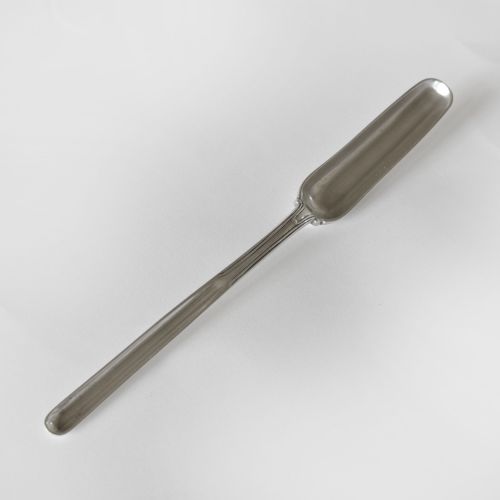
Antique Dining Spoon
An antique dining spoon carries the weight of past dining rooms, offering a tangible link to Georgian and Victorian tables.
Antique Dining Spoon
An antique dining spoon encompasses various forms designed for the table, including serving spoons, marrow scoops, stilton scoops, and soup ladles. These utensils emerge from periods spanning the eighteenth, nineteenth, and early twentieth centuries, reflecting changing dining habits over generations.
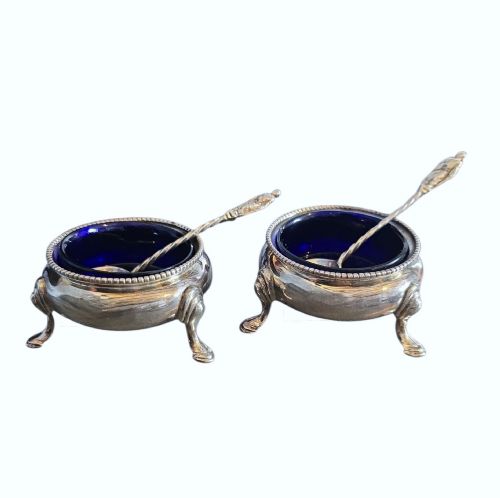
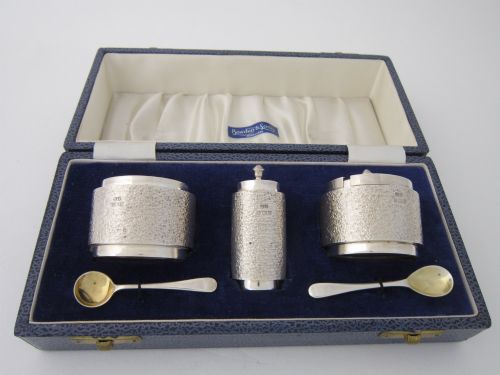
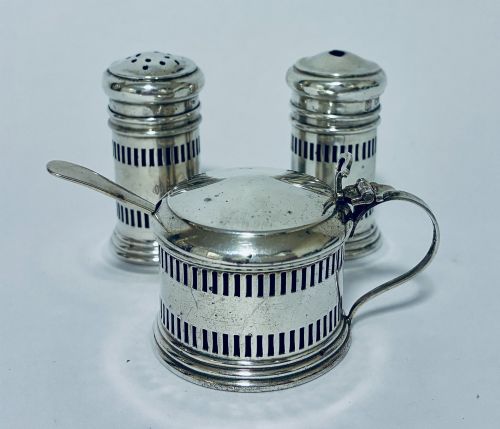
The versions most frequently met on this page include sterling silver serving spoons, marrow scoops, and specialised pieces from the Victorian era. Alongside these, buyers encounter related dining silver such as salt spoons accompanying salt cellars and mustard pots.
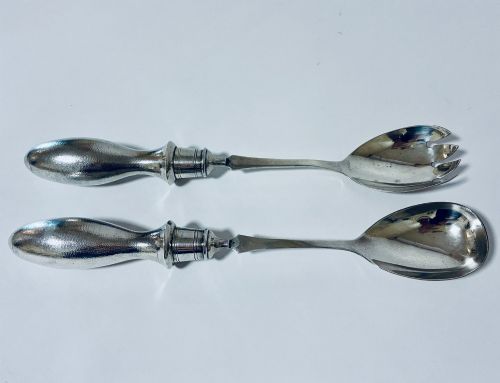
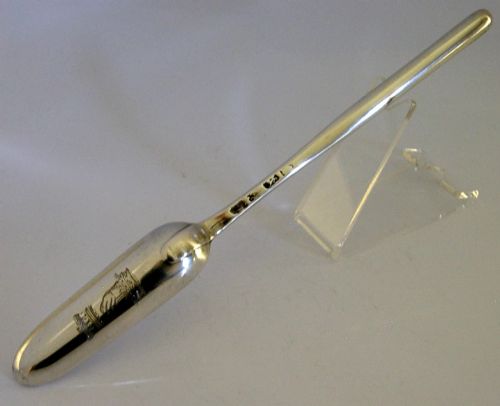
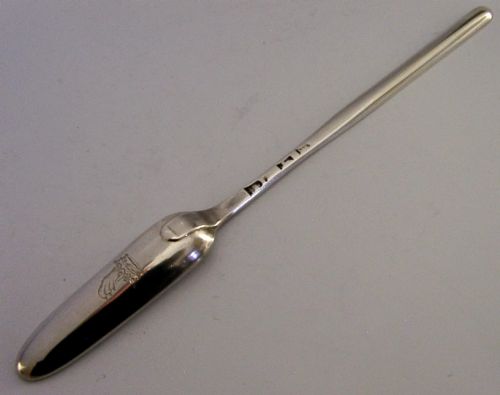
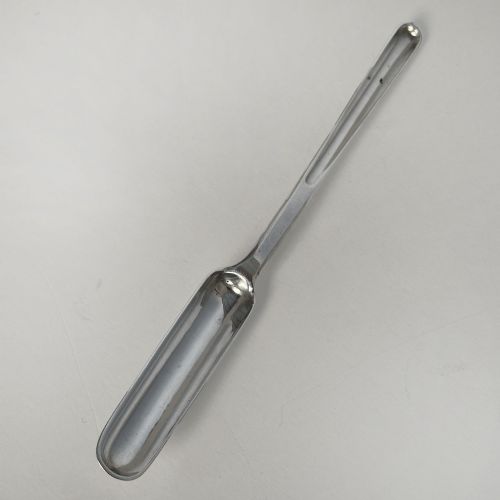
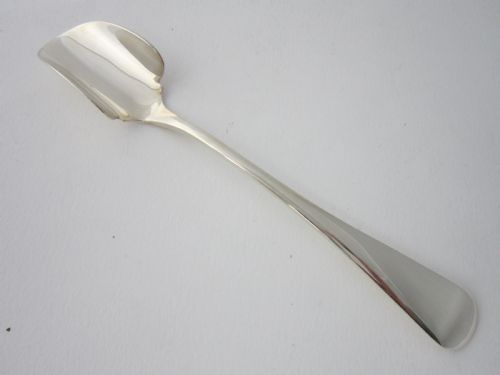
Marrow scoops and stilton scoops represent specialised forms of the antique dining spoon, created for specific culinary rituals of the Georgian and Victorian dining room. Serving spoons from the same eras display larger bowls and longer stems intended for joint service at the table.
How they were made
Makers shaped these spoons predominantly from sterling silver or silver plate, utilising traditional smithing techniques such as hammering, casting, and hand-engraving. Sterling silver pieces bear hallmarks that record the year of manufacture, the assay office, and the silversmith's mark.
Silver plated items utilise a base metal substrate coated with a thin layer of silver, often produced during the Victorian period when plating technologies advanced rapidly. Bone examples, such as prisoner of war pieces, demonstrate carving and piercing techniques applied to organic materials.
Antique Dining Spoon Retail Price Guide 2026
Typical asking prices for dining spoon among the pieces listed under this phrase on Sellingantiques today, from the lower quarter to the upper quarter. They describe what is for sale here now, not the wider market.
Listings for this phrase include sterling silver, silver plate, and bone materials across Georgian, Victorian, and Edwardian periods.
What varies in quality
The clarity and crispness of hallmarks, hand-engraved crests, and decorative motifs distinguish finer examples from standard production pieces. Wear on the bowl tip from centuries of use alters the original profile and weight of the silver.
The thickness of the metal gauge determines the structural rigidity of the stem and bowl, with heavier silver providing greater durability and balance in the hand. Maker attribution to known silversmiths elevates the standing of an individual piece within its period.
Beare Falcke·Jonathan Hayne·Thomas Johnson·Walter & John Barnard·Charles Stuart Harris·Ridgways China
The Antique Dining Spoon Glossary
- Hallmark
- Official stamps applied to precious metals indicating the standard of purity, assay office, date letter, and maker's mark. These marks provide the primary evidence for dating British silver.
- Stilton scoop
- A specialised utensil with a long, half-cylindrical blade used for cutting and serving hard cheeses like Stilton. These typically appear from the late nineteenth and early twentieth centuries.
- Old English pattern
- A traditional eighteenth-century spoon design featuring a rounded end turned downward and a distinct drop where the stem joins the bowl. This pattern remained popular through the Victorian period.
- Silver plate
- A base metal object coated with a thin layer of silver, commonly produced using electroplating techniques from the mid-nineteenth century onward.
Antique Dining Spoon: Frequently Asked Questions
How do I clean antique silver spoons?
Clean silver spoons using warm water, a mild soap, and a soft cloth to preserve the surface and any original patina. Avoid abrasive pastes or harsh chemical dips that strip the subtle dark oxidation from engraved crevices.
Store pieces in tarnish-resistant cloth away from direct moisture and rubber materials. Regular handling during use often keeps the high points polished naturally.
What is a marrow scoop used for?
A marrow scoop served a specific role at Georgian and Victorian dining tables for extracting roasted bone marrow from animal joints. The double-ended design provided a narrow trough for the marrow and a small spoon for sauces.
Today, these slender utensils function as distinctive display pieces or specialised serving tools for butter and soft spreads.
How can I tell the date of a silver spoon?
Inspect the reverse of the stem for hallmarks stamped directly into the metal. These small impressions typically include a leopard's head for London, a date letter indicating the exact year, and a maker's mark.
Matching the letter against official assay office tables reveals the year the piece passed inspection. Stylistic markers such as bowl shape and stem decoration offer secondary clues when marks are worn.
Can I use antique spoons for daily dining?
Many solid sterling silver spoons withstand regular daily use provided they are washed by hand rather than placed in a mechanical dishwasher. Silver is relatively soft, so heavy daily wear gradually thins the bowl over decades.
Silver plated items require gentle care to prevent the underlying base metal from showing through the worn plating layer.