



Antique Dining Room Chest
An antique dining room chest is a substantial piece for storing wine or serving food, and these mahogany examples bring period character to any room.
Antique Dining Room Chest
When you search for an antique dining room chest, you encounter wine coolers, cellarettes, sideboards, and dresser bases. These forms served utilitarian purposes in the dining rooms of grand houses during the Georgian, Regency, and Victorian eras.
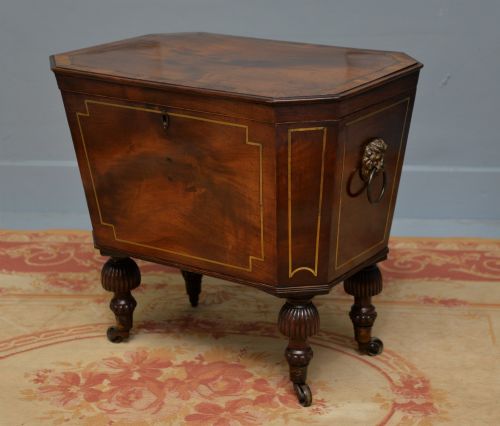
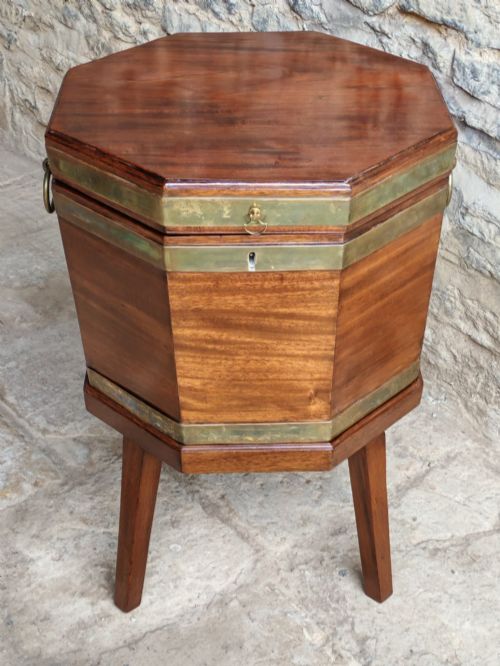
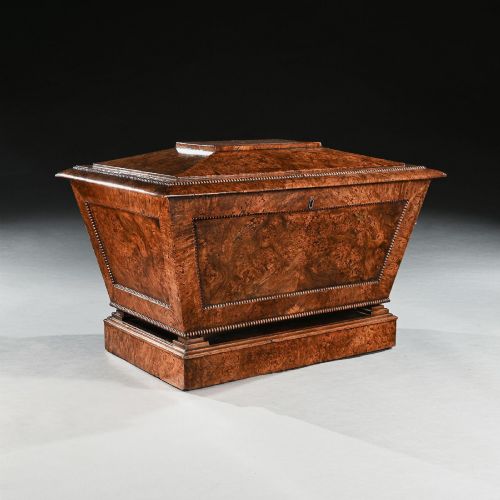
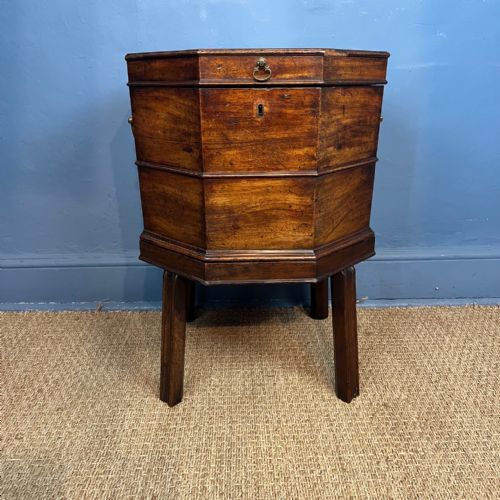
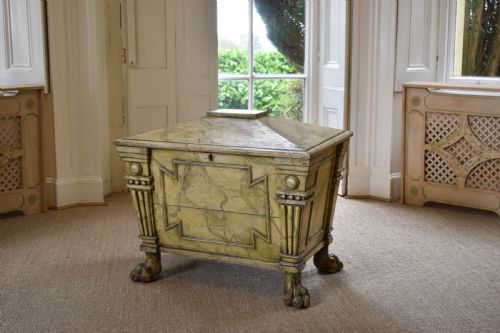
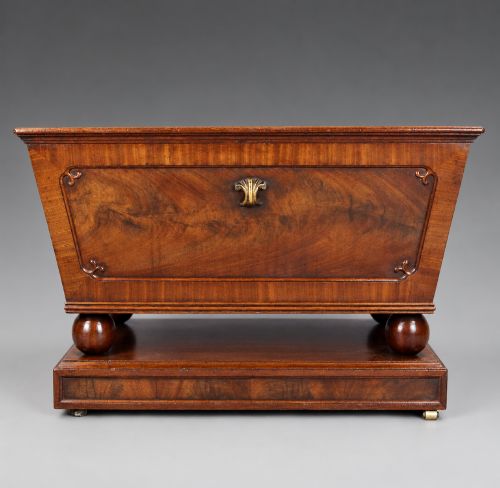
The most common versions on this page are wine coolers and cellarettes dating from the Regency and Victorian periods, often taking a sarcophagus shape designed to hold bottles.
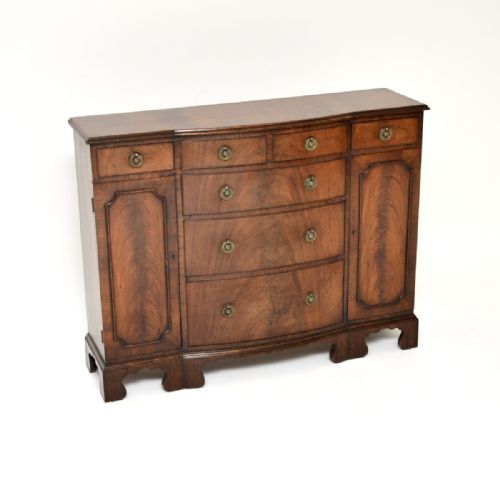
Early nineteenth-century examples sit alongside later Georgian revival pieces, showing how dining furniture evolved while retaining traditional timber construction.
Materials and construction
Cabinet makers relied heavily on mahogany, flame mahogany, and walnut, often selecting figured timbers to create striking visual depth on curved surfaces.
Decoration relied on subtle boxwood inlay and brass mounts, using metal for handles, feet, and interior linings without overwhelming the timber grain.
Antique Dining Room Chest Retail Price Guide 2026
Typical asking prices for dining room chest among the pieces listed under this phrase on Sellingantiques today, from the lower quarter to the upper quarter. They describe what is for sale here now, not the wider market.
Mahogany and walnut dominate the inventory, spanning the Georgian, Regency, and Victorian periods through wine coolers, cellarettes, and sideboards.
Assessing quality and execution
Superior pieces display exceptional timber selection, such as matched flame mahogany veneers or heavily figured walnut, paired with crisp carving on legs and mouldings.
Construction methods dictate longevity, distinguishing between standard workshop production and master cabinet work through tight joinery and well-fitted internal compartments.
The Antique Dining Room Chest Glossary
- Cellarette
- A lockable container used for holding bottles of wine beneath the sideboard, often lined with lead or zinc. These portable cellars protected expensive vintages from domestic staff.
- Sarcophagus
- A box-like furniture form with a sloping lid, mimicking ancient stone coffins but popular in the nineteenth century for wine coolers. This shape allowed deep storage capacity for multiple bottles.
- Flame mahogany
- Timber cut from the fork of the mahogany tree, producing a distinctive flickering flame pattern. Cabinet makers reserved this veneer for the most prominent display surfaces.
- Dresser base
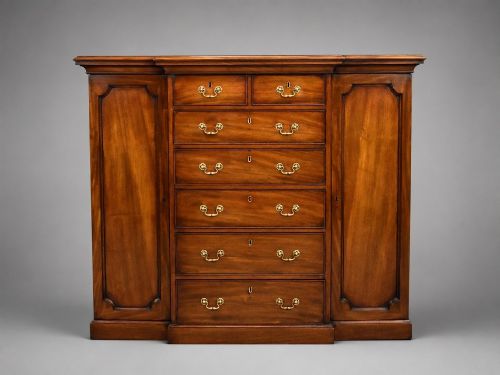
- A low wooden storage unit featuring drawers and cupboards, traditionally used in dining rooms or kitchens for serving food. These pieces provide substantial surface area and deep drawer space.
Antique Dining Room Chest: Frequently Asked Questions
What is a cellarette?
A cellarette is a specialised container built to store wine bottles securely within the dining room. They often feature fitted interior compartments and metal linings.
Cabinet makers designed them to sit beneath sideboards or in corners, allowing hosts to keep wine close at hand during formal meals.
How were wine coolers used?
Wine coolers held bottles and ice to chill beverages before serving in nineteenth-century dining rooms. Their lined interiors prevented melting ice from damaging the surrounding timber.
Servants would prepare the coolers prior to the meal, ensuring guests received wine at the correct temperature without the host needing to leave the room.
How do I date a sideboard?
Dating relies on identifying the prevailing style, timber choices, and construction techniques associated with periods like the Georgian, Regency, or Victorian eras. Secondary woods inside drawers provide further clues.
Changes in hardware, such as brass handles and feet, also help narrow down the decade of manufacture.
Are these pieces suitable for modern homes?
These large timber items adapt easily to contemporary interiors as statement storage units or coffee tables in living spaces. Their deep interiors hold blankets, books, or modern wine collections.
Placing them in a hallway or dining room maintains their traditional function while adding distinct period presence.