






Antique Dining Platter
An antique dining platter provides the centrepiece for traditional table service, bringing substantial weight and historical craftsmanship to the dining room.
Antique Dining Platter
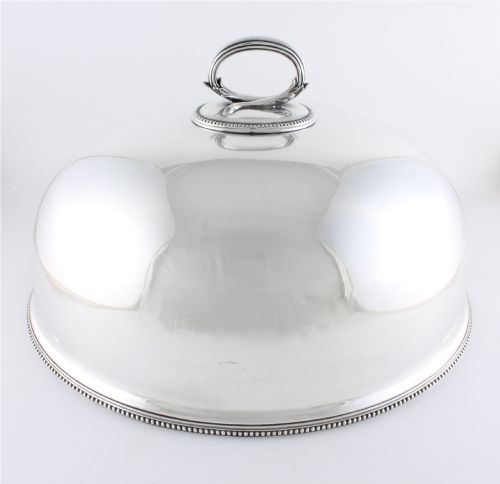
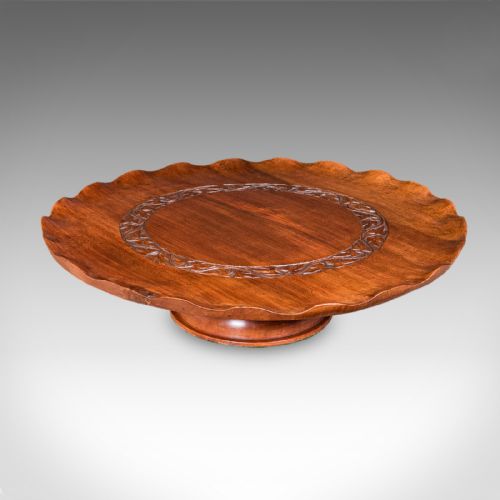
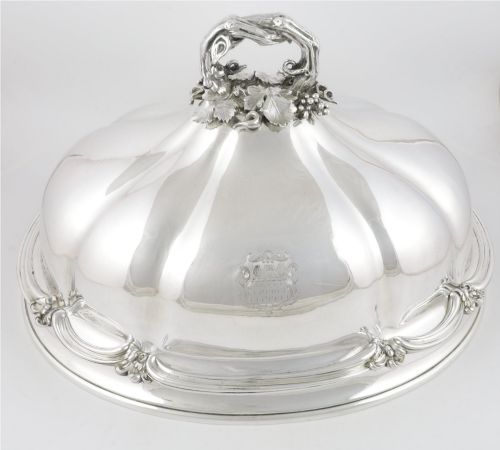
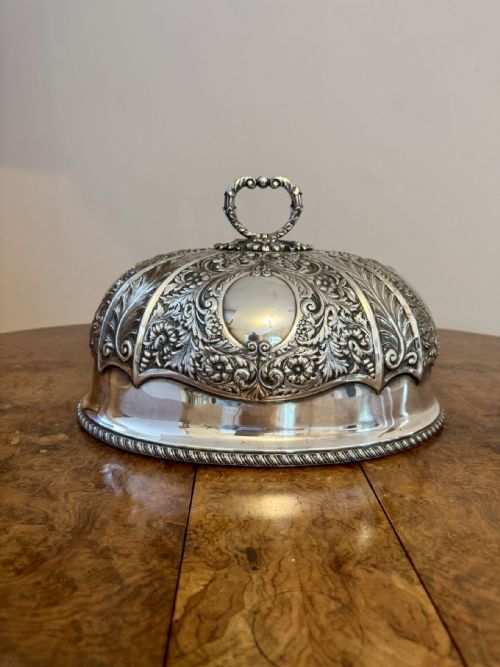
When searching for an antique dining platter, you encounter a diverse assortment of serving pieces spanning the Georgian, Victorian, and Edwardian eras. These items encompass large metal chargers, revolving servers, asparagus dishes, and substantial meat domes designed for formal dining.
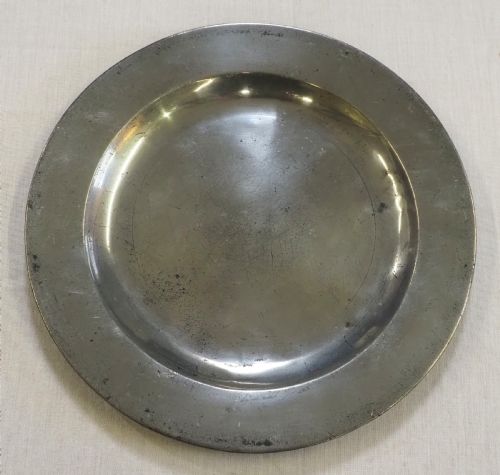
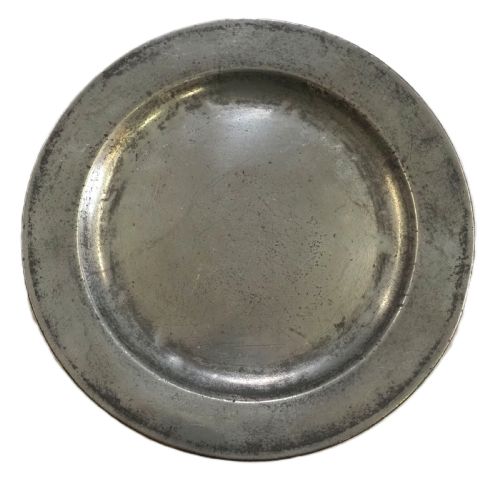
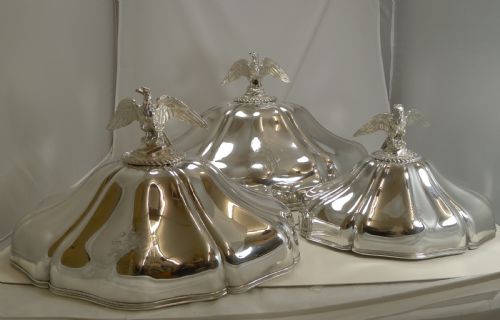
The pieces represented on this page range from early eighteenth century pewter plates to silver plated serving dishes and rotating mahogany lazy susans. Heavy silver plated chargers and Old Sheffield Plate food covers form a prominent part of this selection.
Materials and construction
Metal serveware relies on traditional techniques of silver plating, Old Sheffield Plate fusion, and pewter casting to achieve durability and lustre. Timber pieces utilise solid mahogany and oak, often incorporating functional rotating mechanisms for table service.
Pewter items feature plain rims shaped by early makers, whilst metal meat domes utilise heavy base metals coated in silver or fused plate. Hand-carved wooden stands demonstrate traditional joinery suited to daily dining use.
Antique Dining Platter Retail Price Guide 2026
Typical asking prices for dining platter among the pieces listed under this phrase on Sellingantiques today, from the lower quarter to the upper quarter. They describe what is for sale here now, not the wider market.
Listings span from the seventeenth century to the early twentieth century, incorporating pewter, silver plate, mahogany, and oak across various serveware forms.
Markers of distinction
Quality in these serveware pieces rests upon the thickness of the metal plating, the crispness of hand-hammered pewter rims, and the integrity of wooden rotating mechanisms. Substantial weight and balanced proportions distinguish finer metal chargers and meat covers from lighter utilitarian versions.
Maker attribution and engraved armorial details elevate specific pieces, whilst the survival of original silver plating without excessive wear marks superior production standards across Georgian and Victorian examples.
Roberts Cadman·Richard King of London·Humphrey Evans II of Exeter·Thomas Templeman of London·Mappin and Webb
The Antique Dining Platter Glossary
- Old Sheffield Plate
- A composite material made by fusing a thin sheet of silver to a thicker copper base. This technique preceded modern electroplating and leaves a characteristic subtle copper seam along edges.
- Charger
- A large decorative plate placed underneath the dinner service during formal meals. Antique versions frequently appear in heavy pewter or silver plate.
- Lazy Susan
- A revolving tray placed on a table to assist in moving food easily. Victorian and Edwardian examples often utilise solid mahogany or oak.
- EPNS
- Electroplated Nickel Silver, a common base for nineteenth century metalware. It provides a bright silver surface over a durable nickel alloy core.
Antique Dining Platter: Frequently Asked Questions
What is an antique dining platter used for?
These pieces serve as substantial platters, chargers, and covers designed for presenting large joints of meat or multi-course meals at the dining table.
Historically, they protected food temperature and displayed the wealth of the household through polished silver and pewter surfaces.
How do I clean old silver plated platters?
Maintenance requires gentle silver polish and a soft cloth to preserve the underlying metal layer without abrasive scrubbing.
Avoiding harsh chemical dips prevents damage to vulnerable plated surfaces and retains the historic patina.
What is the difference between pewter and silver plate?
Pewter is a tin alloy with a soft, muted grey finish that develops a dark oxidation over centuries of handling. Silver plate applies a thin layer of precious silver over copper, brass, or nickel alloy to create a bright reflective shine.
How do I identify a Georgian meat dome?
Georgian meat domes typically exhibit heavy gauge metal construction, fused Old Sheffield Plate techniques, and hand-beaten contours. Maker marks stamped near the rim often point to established workshops of the eighteenth and early nineteenth centuries.