
Antique Dining Cabinet
An antique dining cabinet holds silver, linen and service ware, bringing historic craft and rich timber into the dining room.
Antique Dining Cabinet
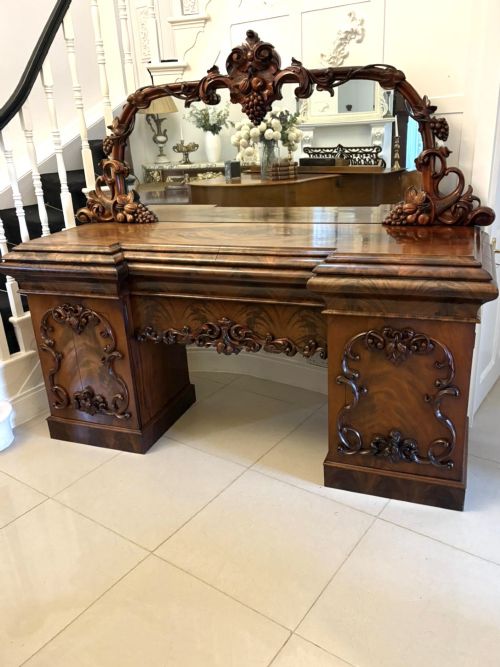
An antique dining cabinet encompasses a broad family of storage furniture designed for the dining room, ranging from grand Georgian and Regency sideboards to compact Edwardian side cabinets and Victorian mirror-back servers. These pieces serve to house tableware, cutlery and provisions while anchoring the room with architectural presence.
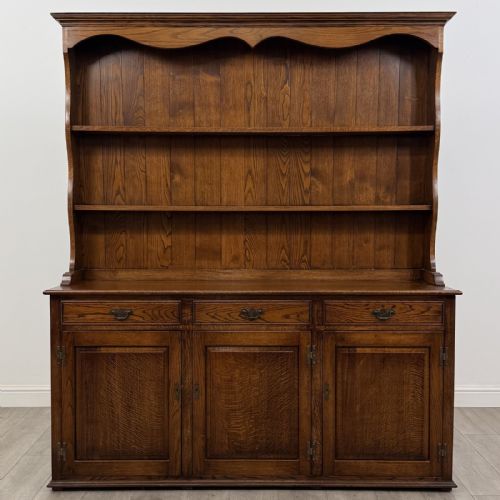
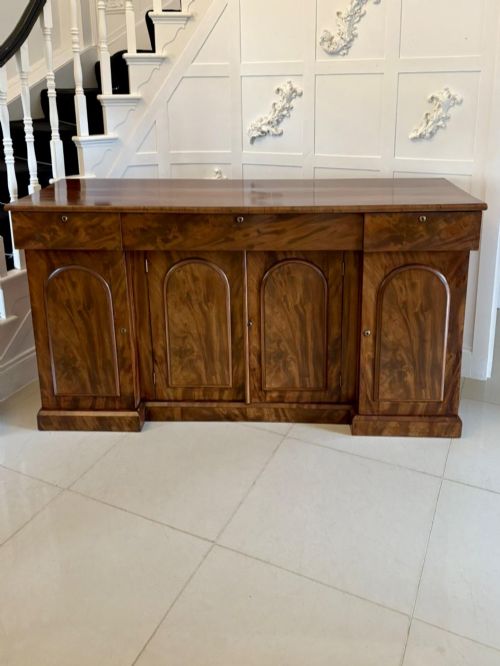
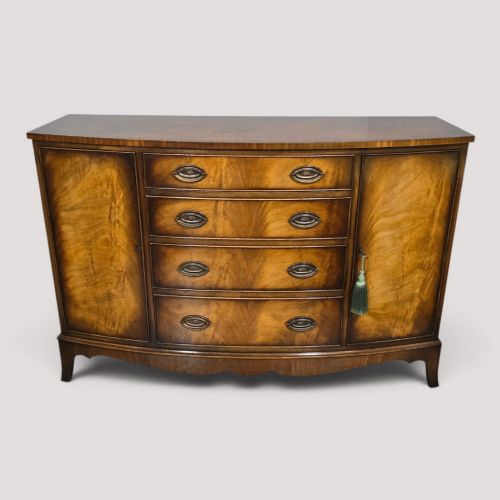
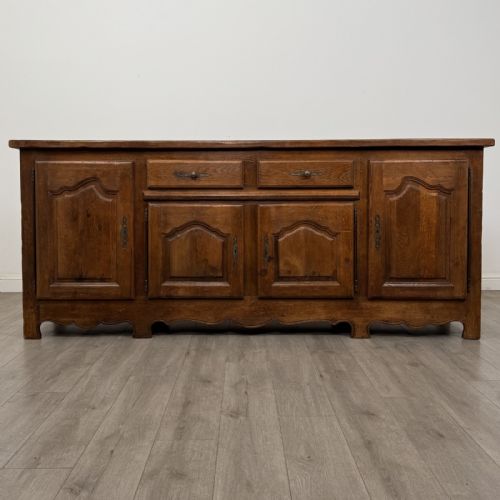
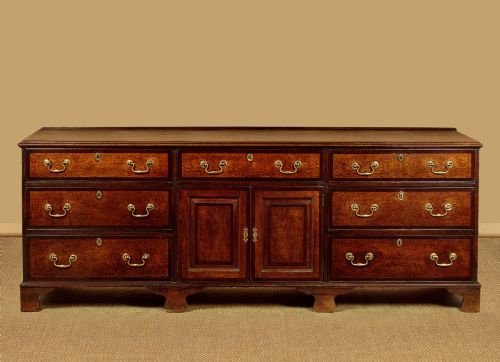
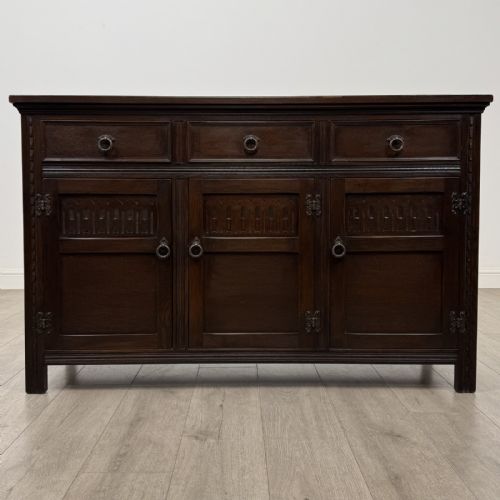
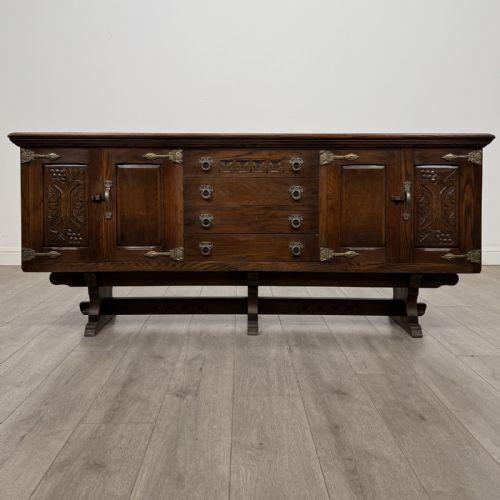
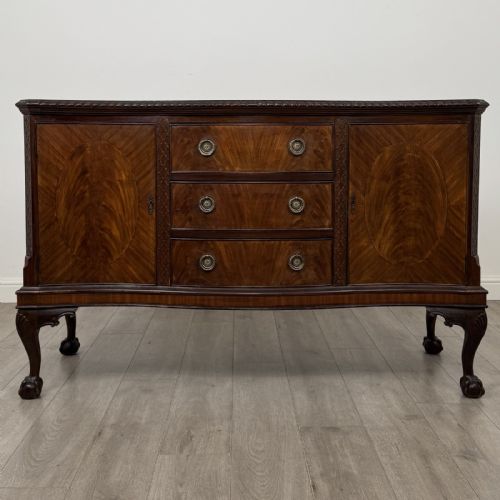
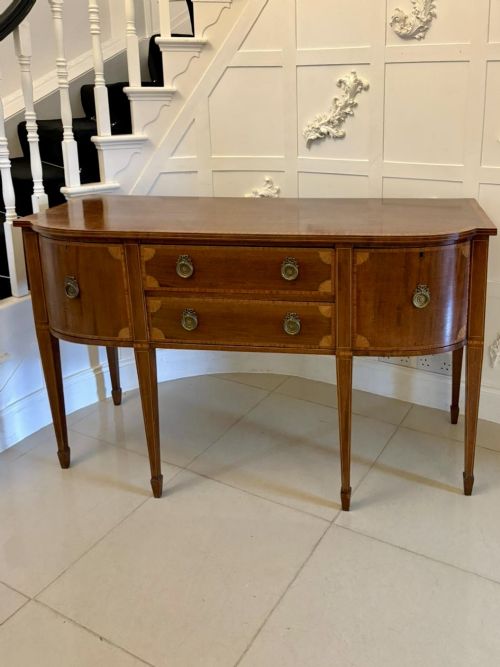
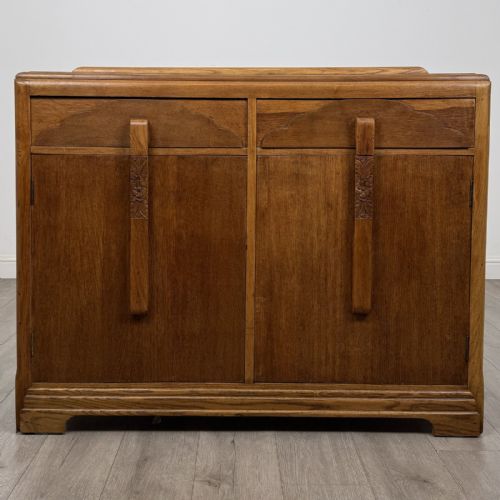
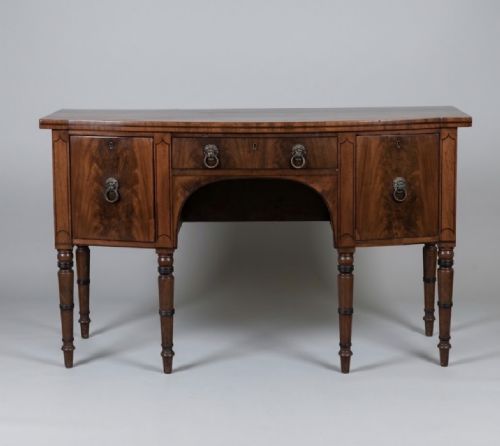
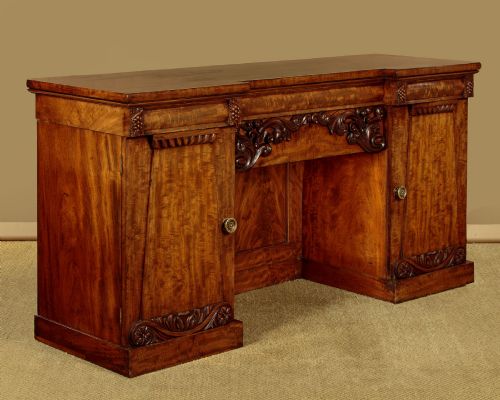
The most common iterations encountered on this page are mahogany sideboards from the nineteenth century, featuring bow fronts, pedestal supports or carved mirror backs, alongside sturdy oak dresser bases and geometric Art Deco designs from the nineteen thirties.
Makers adapted these forms across centuries to suit changing dining customs, moving from long Georgian timber bases with simple drawer arrangements to elaborately carved Victorian credenzas fitted with marble tops and glazed doors.
Materials and Construction
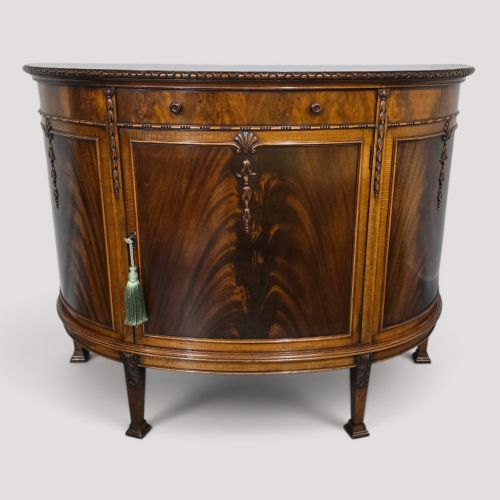
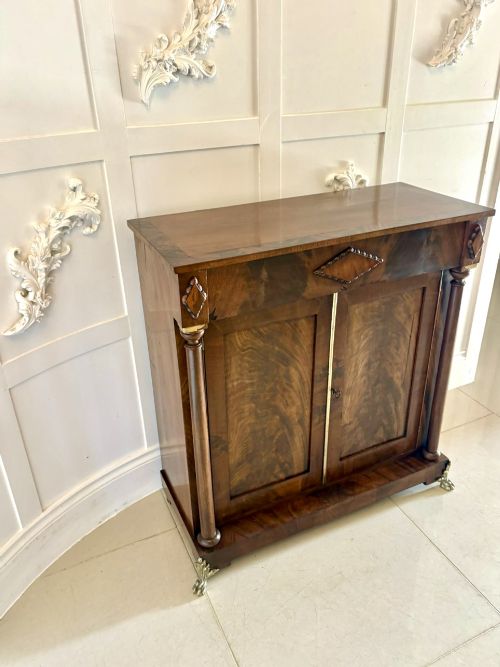
Cabinet makers relied heavily on timber selection, employing solid oak for early vernacular pieces and figuring dense mahogany, burr walnut and flame mahogany veneer for formal nineteenth-century and Edwardian examples.
Surfaces often incorporate delicate stringing, satinwood crossbanding and marquetry inlay, whilst heavier structural forms utilise carved decoration, brass handles and claw and ball feet to punctuate the design.
Internal construction typically involves hand-dovetailed drawer boxes and panelled doors, demonstrating traditional joinery designed to support heavy service ware without warping.
Several dining cabinets arrive with fitted interior compartments designed specifically to keep silver cutlery from tarnishing during long winter storage.
Judging Quality and Execution
The distinction between ordinary utility furniture and superior work lies in the choice and matching of timber veneers, where symmetrical grain patterns on drawer fronts and doors demonstrate careful planning by the maker.
Carved details reveal the hand of skilled artisans through crisp undercutting and depth, contrasting sharply with shallow, mechanically stamped ornament found on later or more commercial iterations.
Original hardware, sound structural framing and intact secondary timbers contribute significantly to the integrity of a piece, separating well-preserved examples from those heavily altered or restored over time.
Hewetsons London·Maurice Adams·Imperial Porcelain Factory
The Antique Dining Cabinet Glossary
- Sideboard
- A long piece of furniture placed in a dining room for holding food, wine and tableware. Early versions evolved from simple serving tables into enclosed cabinets with drawers and cupboards.
- Chiffonier
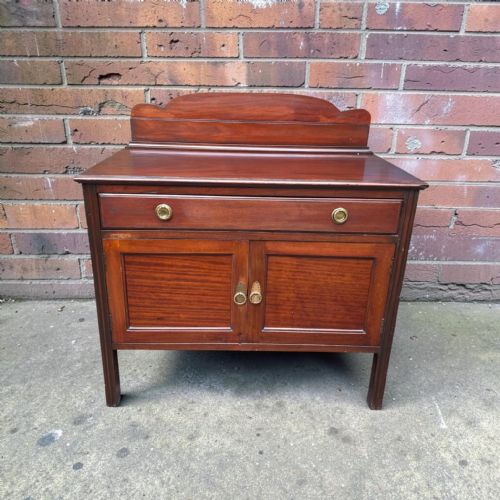
- A low, compact cabinet derived from the sideboard, frequently fitted with doors enclosing shelves and sometimes topped with a small raised shelf or mirror. These appeared frequently in nineteenth-century interiors.
- Credenza
- A sideboard or buffet, often featuring glass-fronted doors or central cupboards flanked by pedestals. The term gained currency in Victorian times for pieces displaying fine walnut veneers and marquetry.
- Crossbanding
- A strip of veneer applied to the border of a panel or drawer front with the grain running perpendicular to the central wood. This decorative technique creates a neat framing effect.
- Dresser Base
- A low wooden unit with drawers and cupboards, originating in country houses before being adopted into formal dining spaces. They provide deep, utilitarian storage.
Antique Dining Cabinet: Frequently Asked Questions
What is an antique dining cabinet used for?
These cabinets store heavy ceramic plates, silverware, linen and serving platters close to the dining table. They functioned historically as auxiliary surfaces during large meals.
Today, they serve a similar domestic purpose while displaying decorative objects, lamps or collections on their upper surfaces.
How do I identify a Georgian sideboard?
Georgian pieces generally exhibit clean architectural lines, straight or bow fronts, and carefully matched mahogany veneers without excessive carving. They rely on proportion and subtle inlay for visual interest.
Later Victorian versions often introduce heavier mirror backs, darker pollard oak and elaborate scrolling ornament.
What timber was most popular?
Mahogany dominated formal dining furniture from the eighteenth through the nineteenth centuries due to its stability and deep reddish-brown tone. Oak remained the preferred choice for rustic dresser bases and revival styles.
Walnut and burr walnut gained favour during specific periods like the reign of Queen Anne and again in the mid-nineteenth century for high-status credenzas.
How do I fit one into a modern room?
A low sideboard or compact side cabinet functions effectively as a media console or hallway storage unit. Their shallow depth allows them to sit comfortably against walls in narrow spaces.
Pairing historic timber with contemporary seating creates a balanced interior that highlights the natural grain of the wood.