





Antique Diamond Rug
An antique diamond rug offers geometric tribal artistry from Persian, Caucasian, and Anatolian weaving traditions.
Antique Diamond Rug
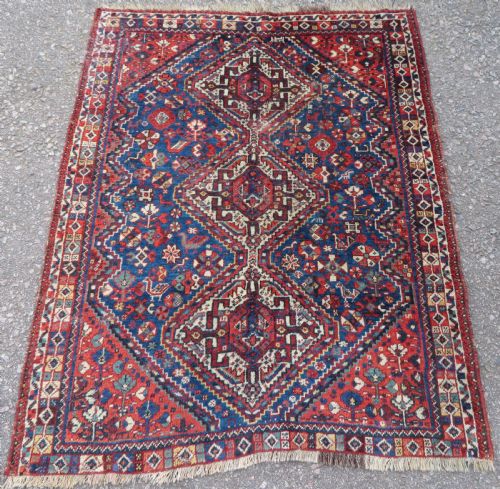
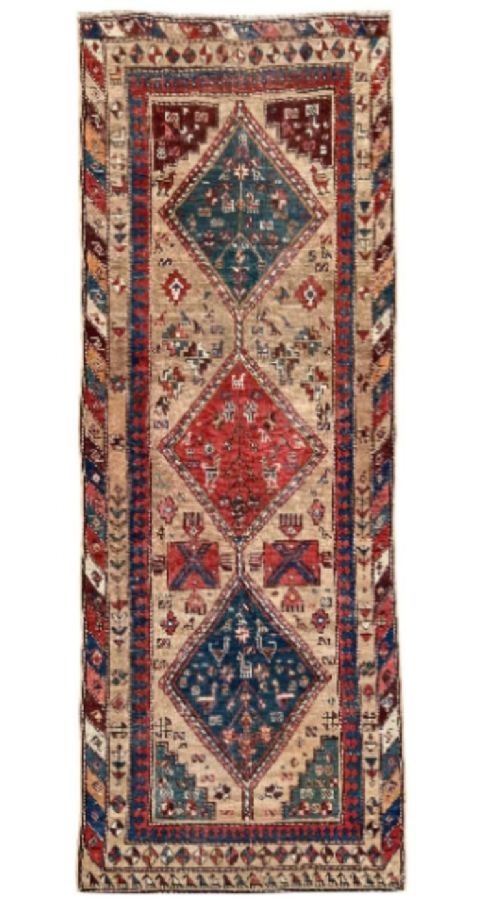
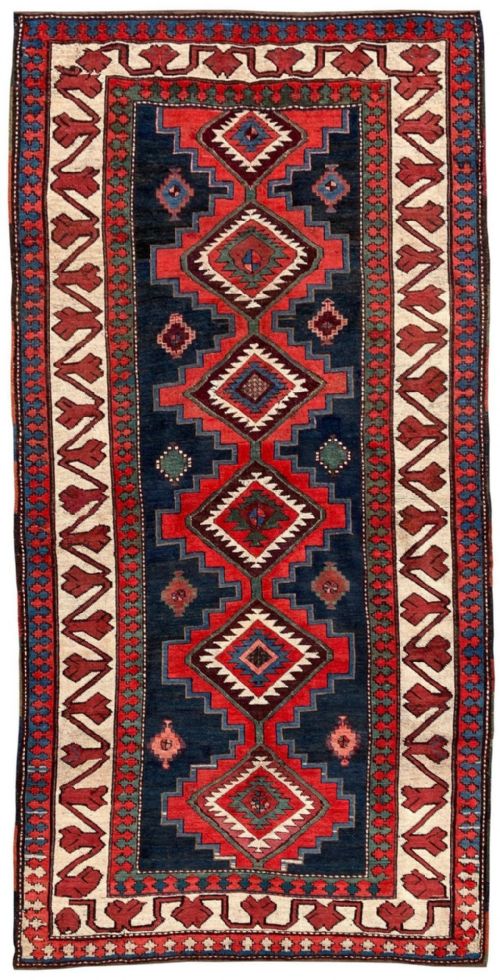
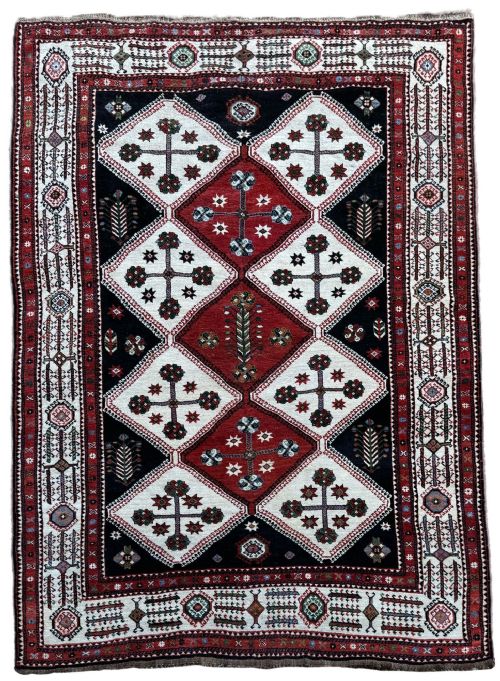
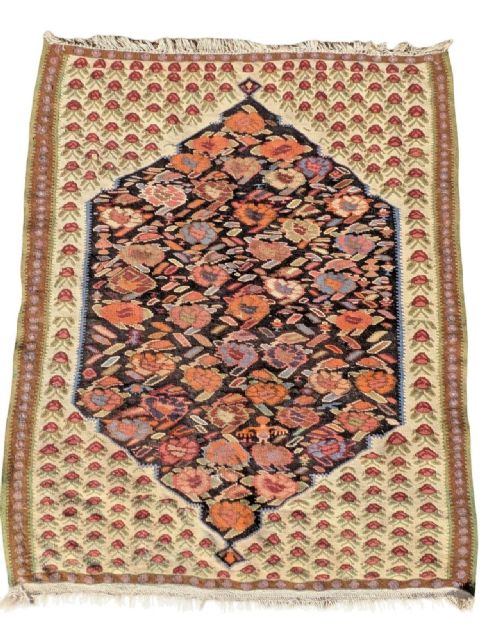
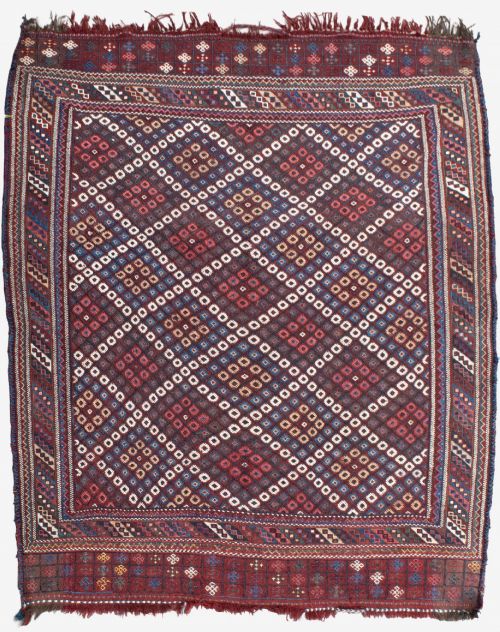
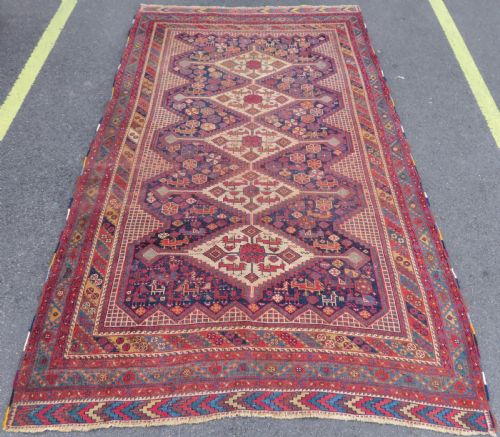
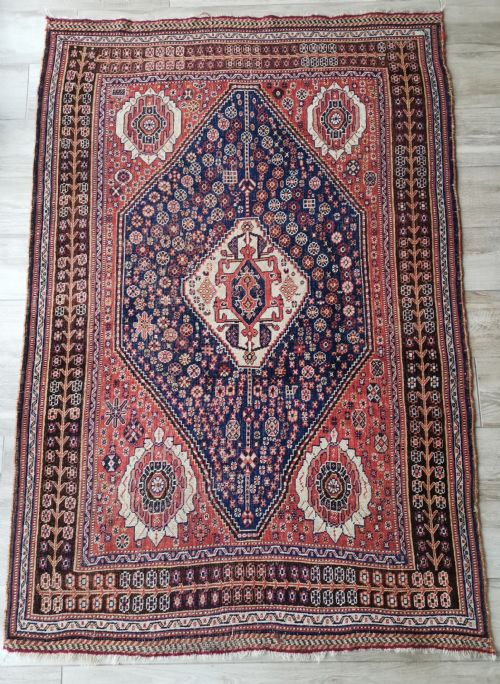
An antique diamond rug embodies the geometric traditions of tribal weavers across Persia, the Caucasus, and Anatolia. These floor coverings and runners range from small saddlebag faces and kilims to room-sized carpets dating from the nineteenth and early twentieth centuries.
Buyers encountering this search phrase frequently meet village and tribal pieces bearing stepped medallions, lattice patterns, and repeating diamond motifs. Origins span specific groups such as the Qashqai, Khamseh, Jaf Kurd, Afshar, and Kazak weavers.
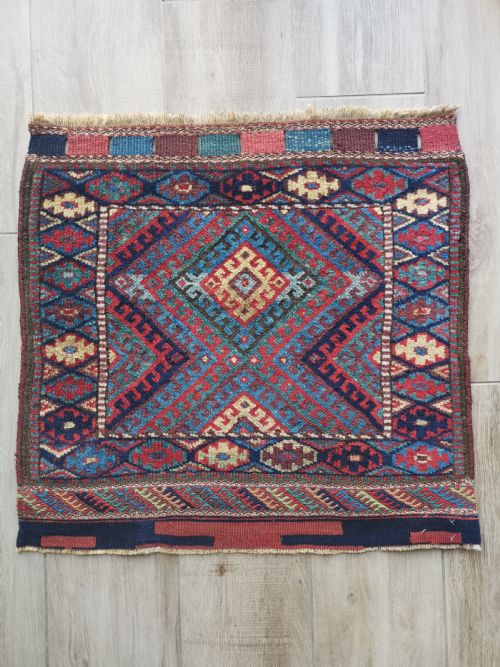
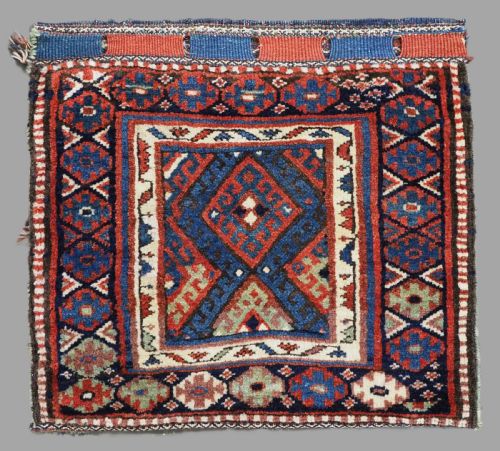
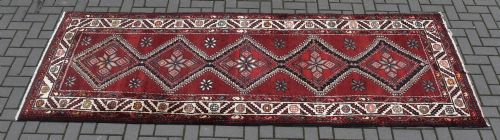
Forms vary from narrow hallway runners and square formats to complete bags with plain weave backs. Dating stretches across the late Victorian and Edwardian eras into the early decades of the twentieth century.
How they were made
Weavers constructed these textiles predominantly using hand-spun wool for the pile and structure, often paired with cotton foundations in later pieces. Natural dyes provided the deep reds, indigos, and earth tones that define the palette of these vintage floor coverings.
Techniques range from knotted pile carpets to flatwoven kilims, embroidered covers, and utilitarian saddlebags. Artisans tied symmetrical or asymmetrical knots by hand, securing the ends with various forms of plain weave and selvage finishing.
Antique Diamond Rug Retail Price Guide 2026
Typical asking prices for diamond rug among the pieces listed under this phrase on Sellingantiques today, from the lower quarter to the upper quarter. They describe what is for sale here now, not the wider market.
Several small saddlebag faces retain their original plain weave backs, offering a glimpse into the daily nomadic life of nineteenth-century Kurdish weavers.
What varies in quality
The handle and density of the wool foundation establish the foundational integrity of each textile. Tightly packed knots and resilient pile materials indicate substantial durability across decades of daily use.
The clarity and saturation of natural dye colours separate simpler utility pieces from exceptional tribal examples. Precision in the execution of intricate geometric motifs and balanced border proportions also elevate a piece within its regional tradition.
The Antique Diamond Rug Glossary
- Kilim
- A flatwoven textile produced without a pile, utilised as a rug, carpet, or wall hanging. These pieces rely entirely on the interweaving of warp and weft threads to form crisp geometric patterns.
- Medallion
- A central ornamental motif positioned in the field of the rug. In tribal weaving, this shape frequently takes a diamond or hexagonal form.
- Saddlebag
- A utilitarian container woven in pairs for transport on animals, often separated later in its lifespan. Collectors frequently prize the surviving bagfaces as small format display rugs.
- Warp
- The stationary vertical threads stretched across the loom upon which the entire structure is built. Weft threads are subsequently passed horizontally through these foundational strands.
- Boteh
- An ancient motif resembling a stylized almond, pear, or curved shrub. This ubiquitous design appears frequently within the borders and fields of Persian and Caucasian tribal weaving.
Antique Diamond Rug: Frequently Asked Questions
How are antique tribal rugs cleaned?
Maintenance requires gentle surface dusting and specialised low-moisture washing to protect historic wool fibres and natural dyes. Professional textile conservators should handle deep cleaning to prevent dye migration or structural stress.
Avoiding harsh chemical detergents preserves the integrity of the lanolin within the wool. Regular rotation ensures even wear across rooms with high foot traffic.
Where were these rugs made?
Origins trace back to nomadic tribes and settled villages across Persia, the Caucasus, and Anatolia. Groups such as the Qashqai, Khamseh, and Kurdish weavers produced these textiles for daily domestic use.
Production methods remained tied to regional traditions passed down through generations. Each tribal confederation utilised distinct wool sources and dye recipes characteristic of their specific geography.
How do I date an old rug?
Dating relies on an examination of material construction, dye chemistry, and stylistic evolution. Synthetic aniline dyes typically indicate a date from the late nineteenth century onward, whereas earlier pieces rely on natural dye palettes.
Structural clues such as hand-spun versus mill-spun wool provide additional markers for chronology. Comparing knot structure and tribal motifs against known historical examples narrows the period of origin.
Can I use a runner in a hallway?
Narrow formats and long proportions make these textiles well-suited for hallways, entryways, and corridors. Placing a quality underlay beneath the textile prevents slipping and cushions the historic foundation against hard floors.
Positioning runners away from direct, harsh sunlight protects natural dyes from fading over time. Periodic inspection of the edges and selvages ensures early intervention if heavy foot traffic causes wear.