
Antique Diamond Jewelry
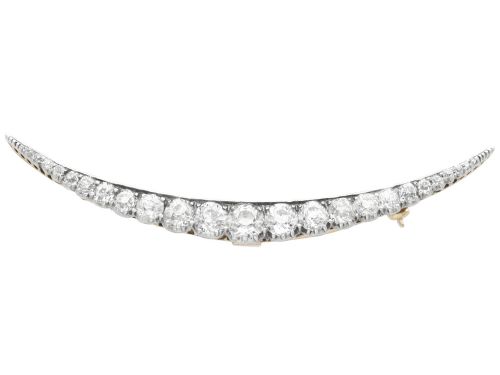
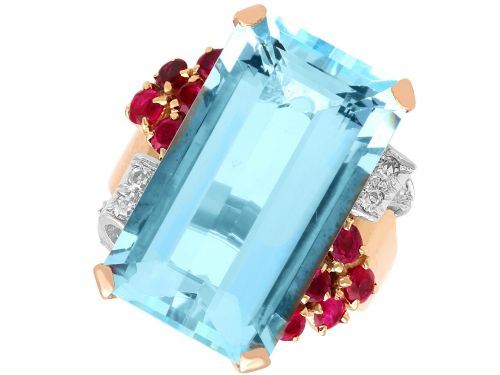
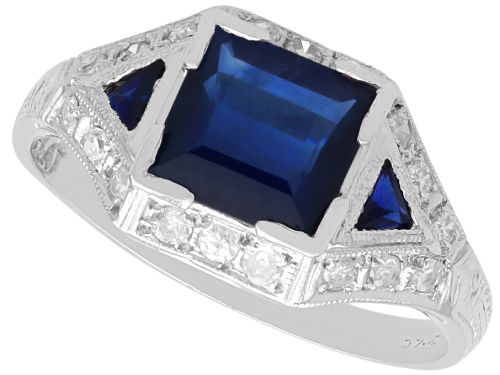
Antique diamond jewellery comprises rings, brooches and pendants shaped by Victorian, Edwardian and Art Deco hands to catch the light.
Antique Diamond Jewelry
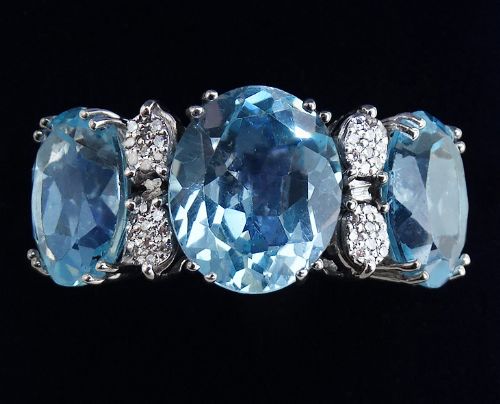
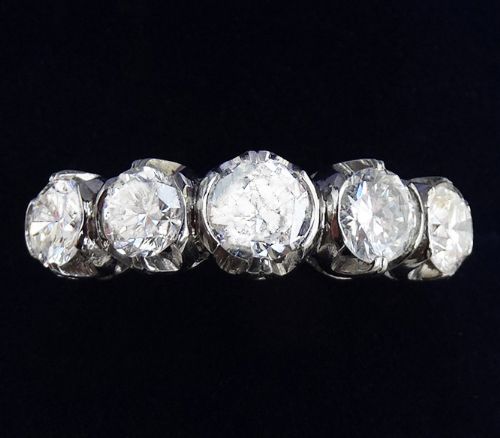
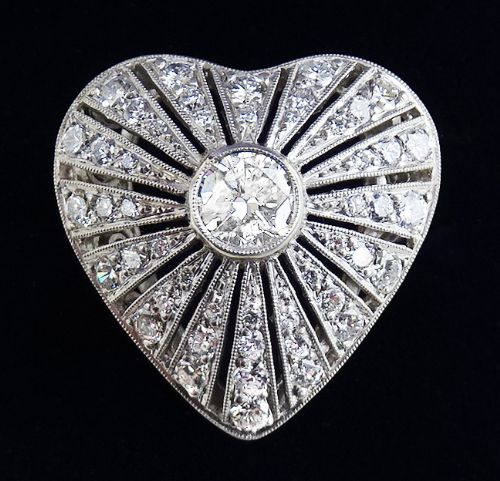
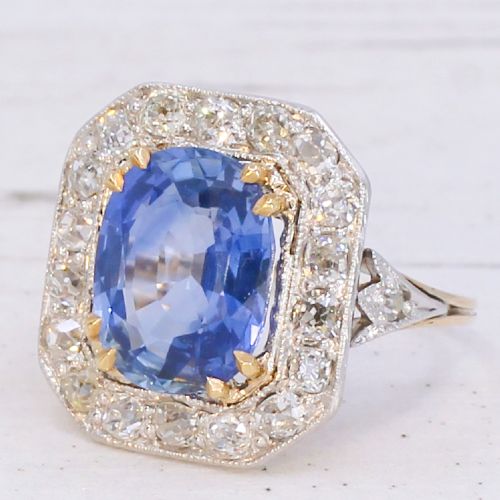
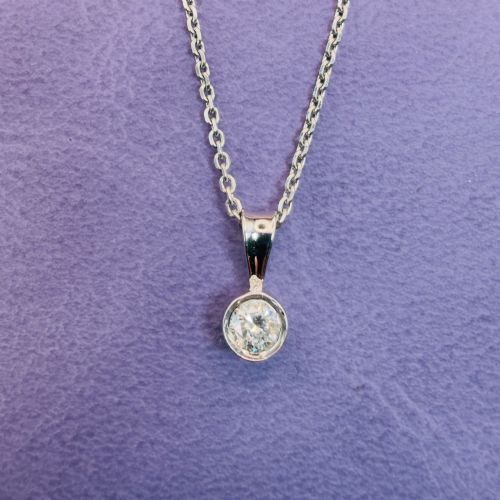
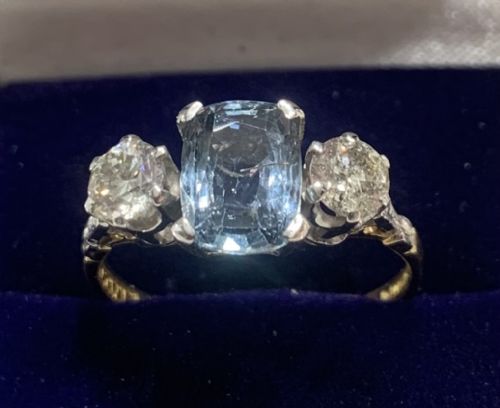
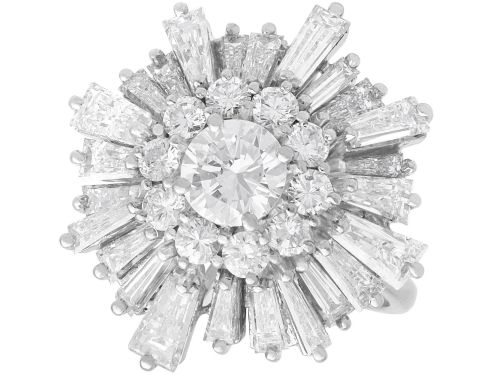
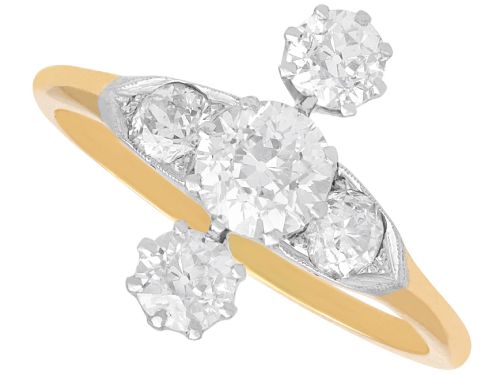
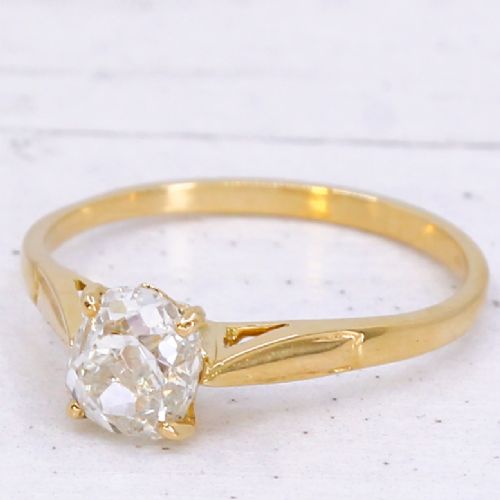
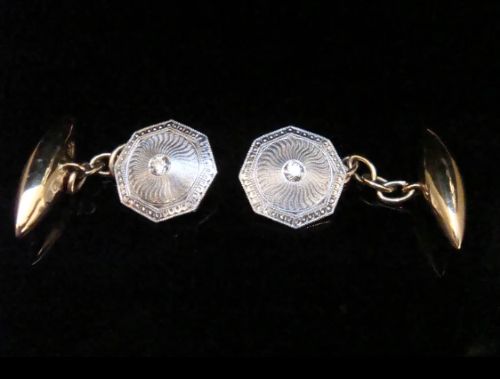
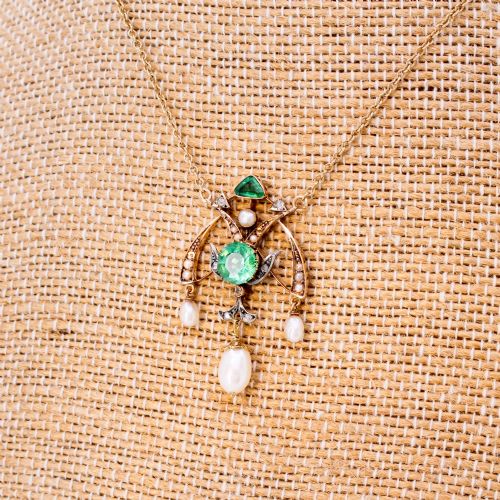
Antique diamond jewellery brings together rings, brooches, pendants, bracelets, necklaces, earrings and cufflinks spanning the Victorian, Edwardian, Art Nouveau, Belle Epoque, Art Deco and Mid-Century periods. Buyers searching for antique diamond jewellery encounter cluster rings, trilogy designs, solitaire engagement rings, pendants and line bracelets shaped across decades of changing design.
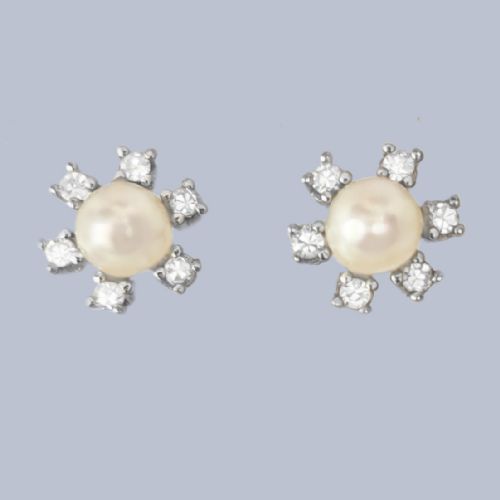
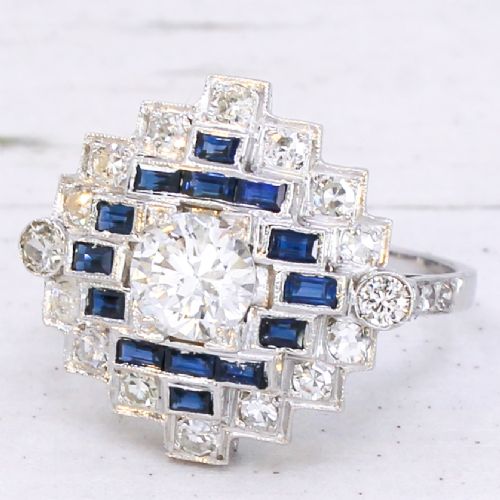
The selections on this page concentrate heavily on platinum and gold settings housing old cut diamonds alongside sapphires, emeralds, rubies, pearls and zircons. Pieces originate from diverse European workshops, translating historical aesthetics into enduring personal adornment.
How they were made
Craftsmen utilised platinum, white gold, yellow gold, rose gold and silver-gilt as structural metals to secure stones through detailed claw, bezel and pavé settings. Platinum gained prominence during the Edwardian and Art Deco eras for its strength, allowing delicate filigree work and slender wire frameworks.
Gems including diamonds, sapphires, emeralds, rubies, opals and natural pearls were shaped by hand into old cuts, brilliant cuts and cluster arrangements. Metalworkers combined casting, forging and hand engraving to build multi-stone rings, geometric brooches and articulated chain necklaces.
Listings feature platinum, yellow gold, white gold, rose gold and natural pearls paired with diamonds, sapphires, emeralds, rubies and zircons.
What varies in quality
The standard of antique diamond jewellery depends upon the precision of stone cutting and the integrity of the metalwork execution. Hand-cut stones display distinct facet proportions that interact uniquely with candlelight or daylight compared to modern machine cuts.
Superior construction involves robust prongs, secure hinge mechanisms on brooches, and balanced weight distribution in heavier platinum or gold bracelets and rings. The harmony between central gems and surrounding accent stones dictates the overall visual cohesion of each piece.
Cartier
The Antique Diamond Jewelry Glossary
- Old cut
- A diamond facet configuration popular before modern brilliant cutting standards, characterised by a smaller table and higher crown. These stones exhibit distinctive soft scintillation under low lighting.
- Platinum
- A dense, durable white metal widely adopted in Edwardian and Art Deco settings. Its strength permits fine, lace-like metalwork without risking stone retention.
- Cluster ring
- A ring design featuring a central gemstone encircled by a border of smaller stones. This arrangement maximises visual impact and colour contrast.
- Trilogy ring
- A ring mounting three principal gemstones representing past, present and future. These pieces frequently pair a central diamond with smaller side diamonds or coloured gems.
- Line bracelet
- A flexible wrist ornament composed of a continuous sequence of closely set stones. Artisans link individual metal segments to maintain fluid movement around the wrist.
Antique Diamond Jewelry: Frequently Asked Questions
How do I care for antique diamond jewelry?
Clean pieces gently using warm water and a soft brush, avoiding harsh chemical ultrasonic cleaners that might compromise natural pearls or delicate settings.
Store items individually in padded boxes to prevent metal friction and stone abrasion between different pieces.
What periods do these pieces represent?
The inventory spans Victorian, Edwardian, Art Nouveau, Belle Epoque, Art Deco and Mid-Century eras, covering the late nineteenth century through to the mid-twentieth century.
Design motifs shift from organic floral elements in early periods to geometric symmetry in later Art Deco creations.
Are the pearls natural?
Selected Edwardian and Victorian items incorporate natural pearls formed organically rather than through modern cultured intervention.
These organic pearls display subtle variations in lustre and orient that distinguish them from cultivated alternatives.
What metals were used in these settings?
Maker workshops utilised platinum, yellow gold, white gold, rose gold and silver-gilt depending on the prevailing style of the specific decade.
Platinum dominates the Edwardian and Art Deco selections, whereas yellow and rose gold feature prominently in earlier Victorian and transitional pieces.