


Antique Diamond Clasp
An antique diamond clasp secures strands of pearls or fastens fine accessories, bringing discrete brilliance to pieces from the Edwardian and Art Deco periods.
Antique Diamond Clasp
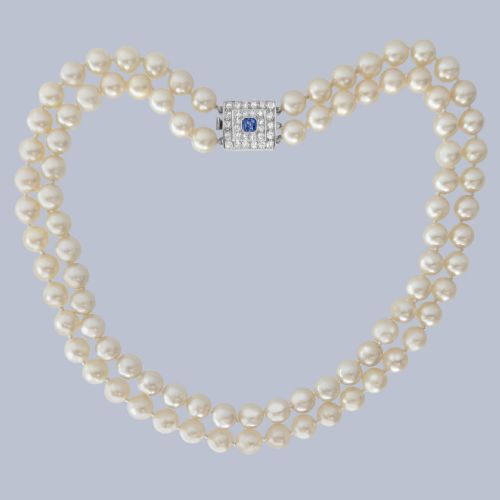
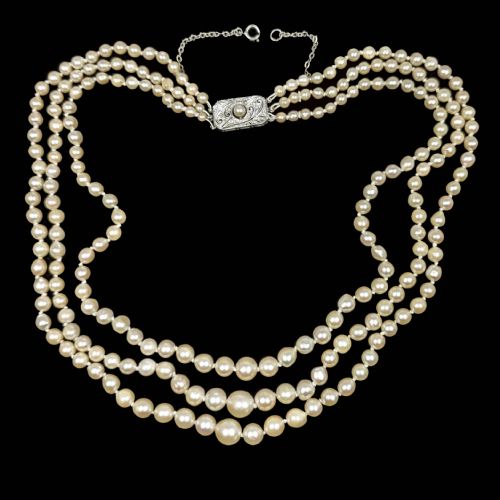
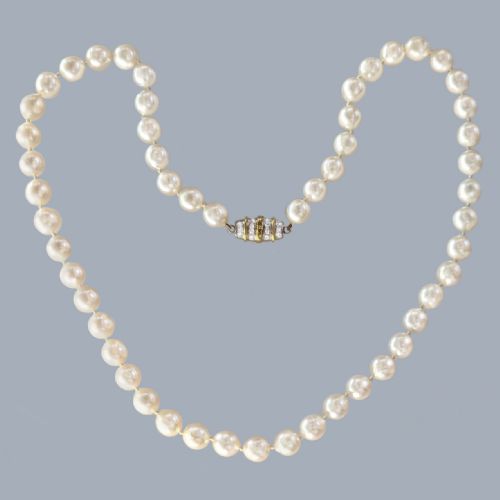
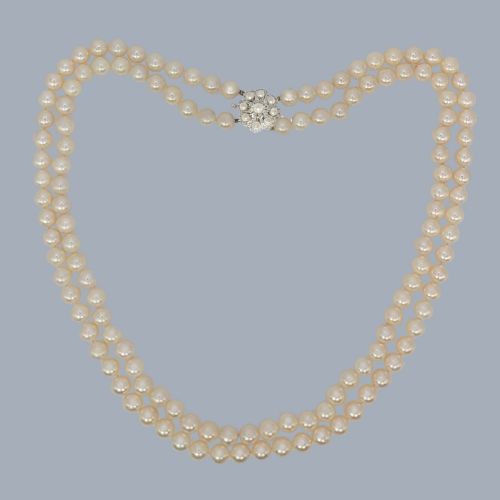
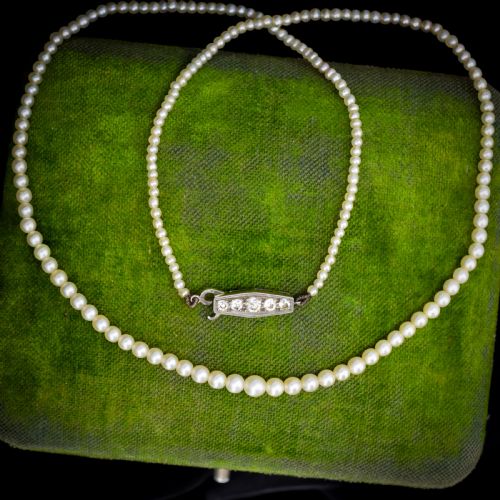
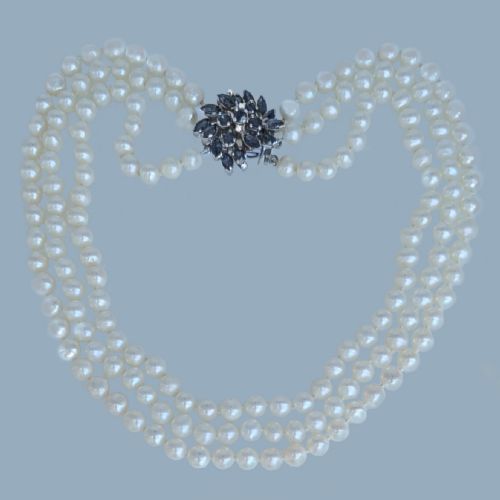
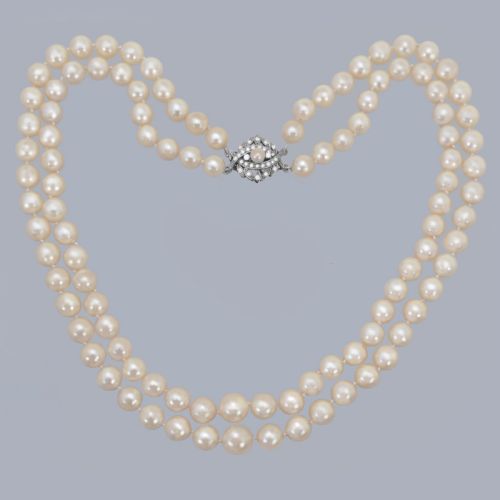
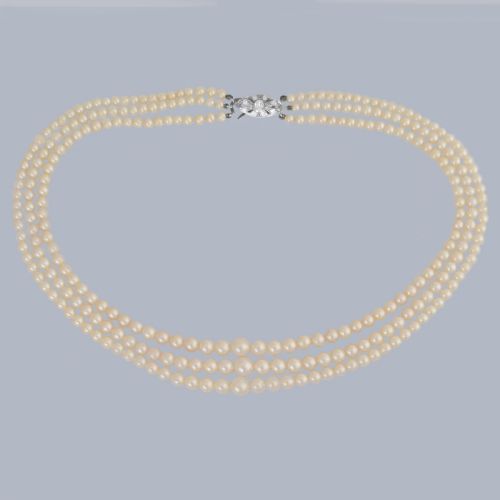
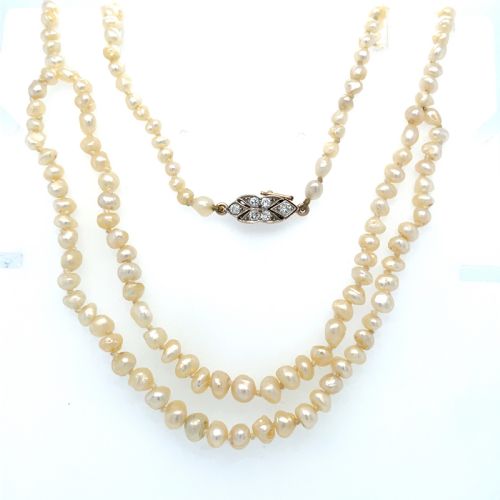
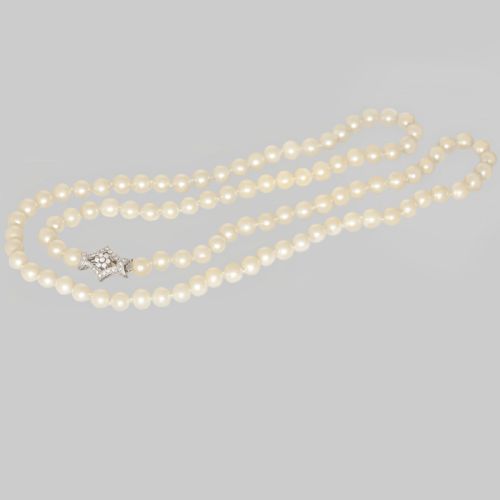
When you examine an antique diamond clasp, you are typically looking at the functional centrepiece of a multi-strand pearl necklace. These fastenings appear most frequently on Edwardian and Art Deco pieces, often paired with sapphires, emeralds, or rubies set alongside the diamonds.
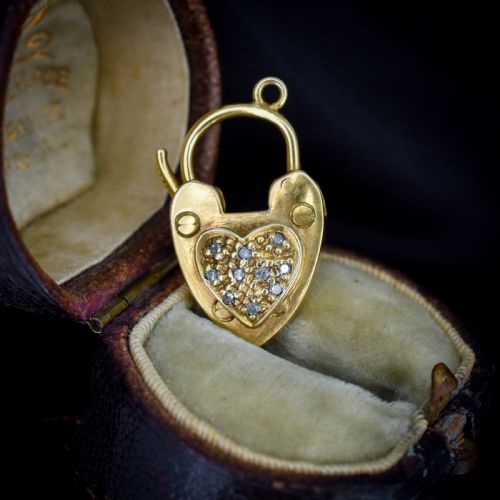
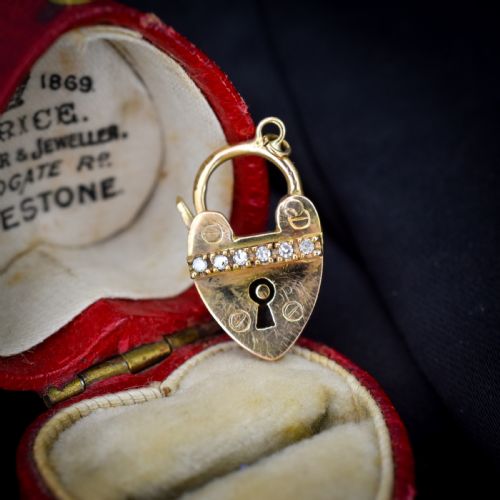
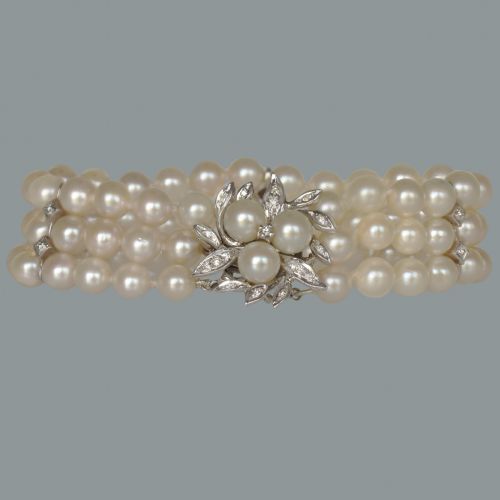
Beyond necklaces, the evidence shows similar diamond-set closures applied to gold cigarette cases, charm pendants, and bracelets. The clasps range from geometric platinum box forms of the 1920s to delicate yellow gold floral designs from the early twentieth century.
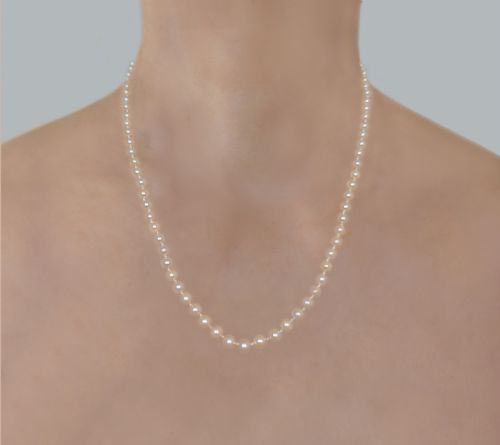
Single, double, and triple strand pearl necklaces dominate the inventory, accompanied occasionally by oil paintings depicting subjects wearing similar jewellery. The clasp acts as the primary decorative anchor when the necklace is worn rotated to the front.
Materials and construction methods
Master jewellers constructed these pieces using platinum and various purities of gold, including 9ct, 15ct, 18ct, and 18kt white gold. Platinum gained widespread favour during the Edwardian and Art Deco eras for its strength in holding intricate millegrain settings with minimal visible metal.
Diamonds on these clasps are typically old cut, rose cut, or early brilliant cuts, shaped by hand rather than modern laser machinery. They secure natural saltwater pearls, cultured pearls, and occasionally gemstone beads like emerald, sapphire, ruby, turquoise, and amethyst.
Materials paired with diamonds on these clasps include emerald, ruby, sapphire, turquoise, amethyst, and pearls across various strand counts.
Evaluating craftsmanship and integrity
Quality in an antique diamond clasp rests upon the precision of the metalwork and the integration of the gems into the overall design. Superior examples display tight stone settings, secure box or tongue mechanisms, and harmonious gemstone pairing such as calibrated sapphires framing central diamonds.
The condition of the accompanying pearls or the original linkage to the clasp strongly influences the overall standard. Pieces retaining certified natural saltwater pearls rather than cultured alternatives represent the upper tier of historical value.
Joseph Vivienne·Cartier
The Antique Diamond Clasp Glossary
- Millegrain
- A decorative technique involving a row of tiny raised metal beads along the edge of a setting. This method was widely utilised in Edwardian and Art Deco jewellery to soften metal edges.
- Rose cut
- A historic diamond cut featuring a flat base and a domed crown with triangular facets. It produces a soft, translucent gleam rather than the sharp brilliance of modern cuts.
- Old cut
- A hand-faceted diamond shape from the nineteenth and early twentieth centuries characterised by a high crown and small table. Each stone was shaped individually by eye.
- Box clasp
- A secure fastening where a tapered wedge clicks into a hollow box, often hidden beneath the decorative diamond face. It requires a secondary safety catch for security.
- Cultured pearl
- A pearl formed with human intervention by inserting a nucleus into an oyster or mollusc. They appear frequently alongside natural saltwater pearls in twentieth-century pieces.
Antique Diamond Clasp: Frequently Asked Questions
How do I wear an antique diamond clasp?
While traditionally designed to sit at the nape of the neck, many pearl necklaces with decorative clasps are intentionally rotated to the front to display the stones.
Ensure the safety catch or box mechanism clicks firmly into place before wearing the piece for extended periods.
How can I tell an Edwardian clasp from Art Deco?
Edwardian clasps tend to feature delicate yellow gold or platinum work with floral, garland, or heart motifs set with rose cut diamonds.
Art Deco examples lean towards geometric platinum settings, rigid symmetry, and crisp rectangular or circular box clasps.
What are natural saltwater pearls?
Natural saltwater pearls form spontaneously inside oysters in marine environments without human assistance. They appear frequently in Edwardian pieces listed here.
Gem certificates often accompany these pearls to confirm their natural origin.
Were these clasps originally made for necklaces?
The majority of items featuring these clasps are pearl necklaces, though the archive also records cigarette cases and bracelets. Jewellers frequently converted or matched clasps to newly restrung pearl strands.