



Antique Desktop Organizer
An antique desktop organizer keeps letters, pens and papers in order on a writing table, bringing craftsmanship and period character to a working space.
Antique Desktop Organizer
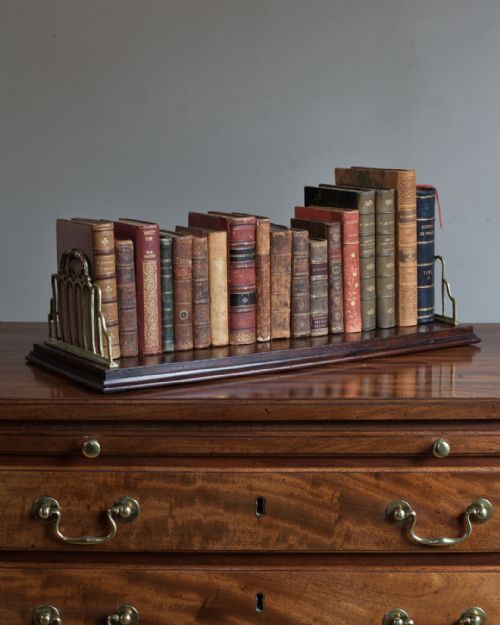
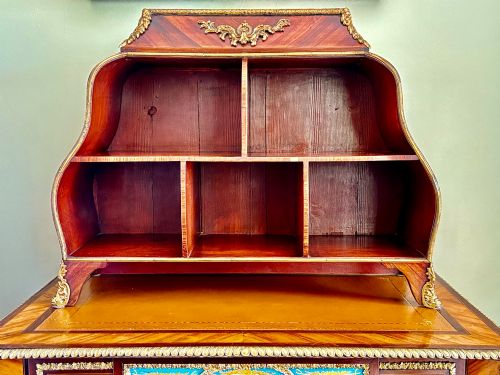
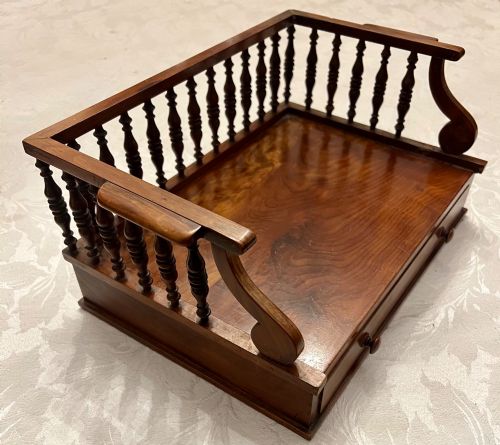
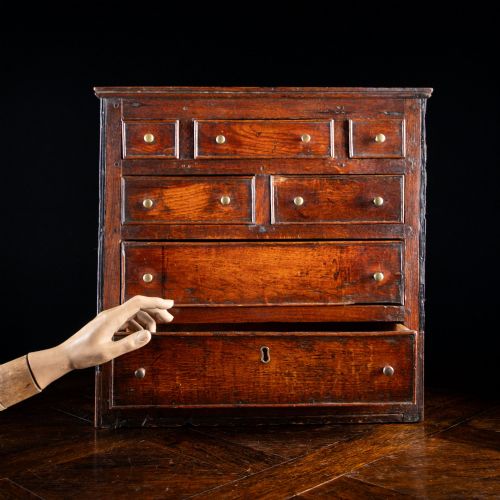
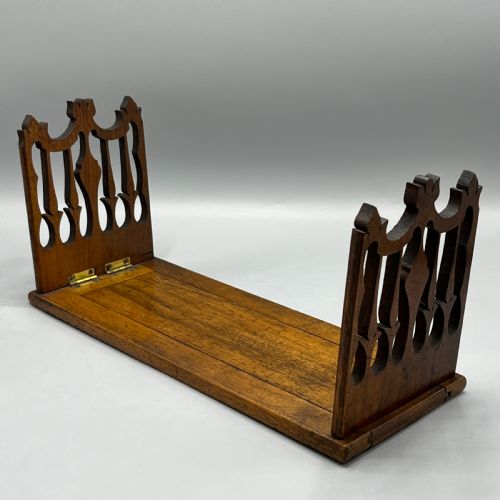
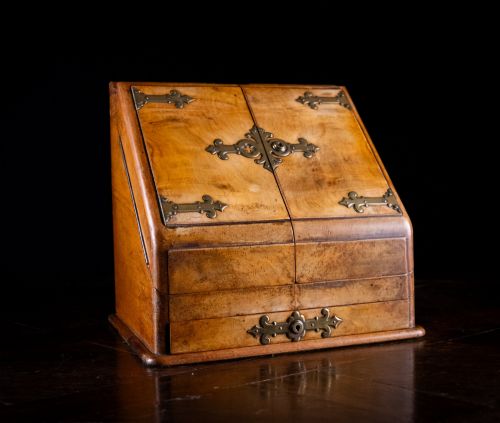
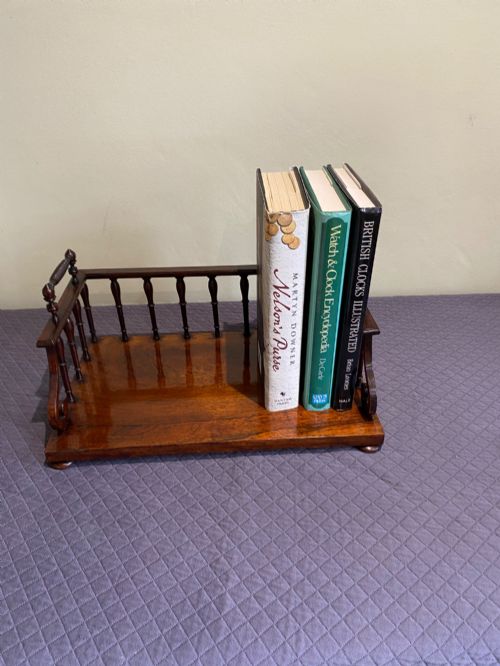
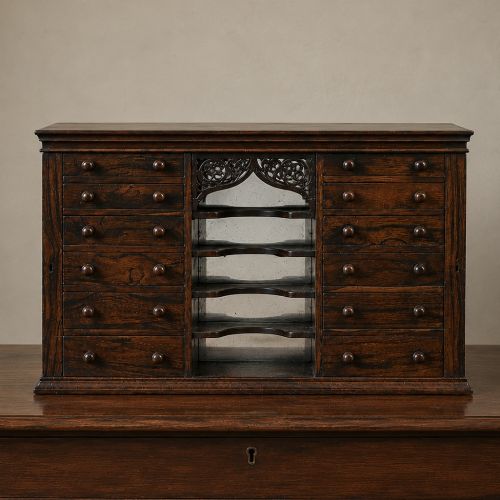
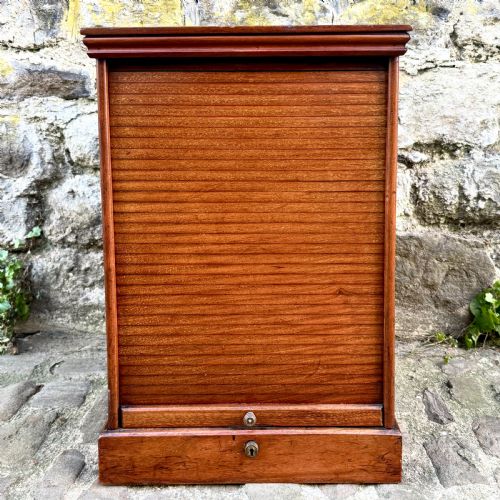
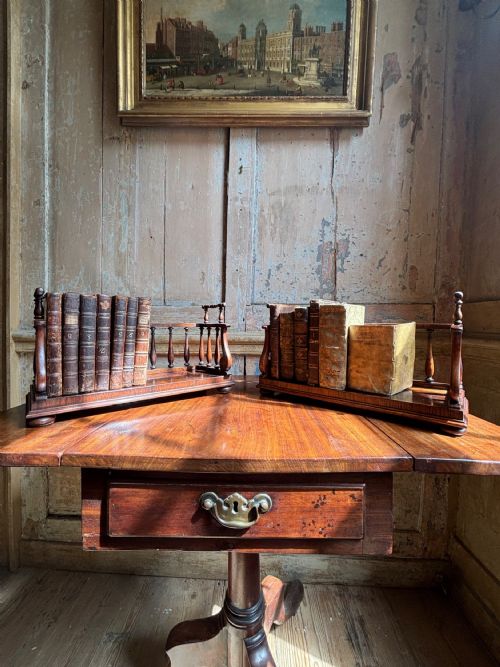
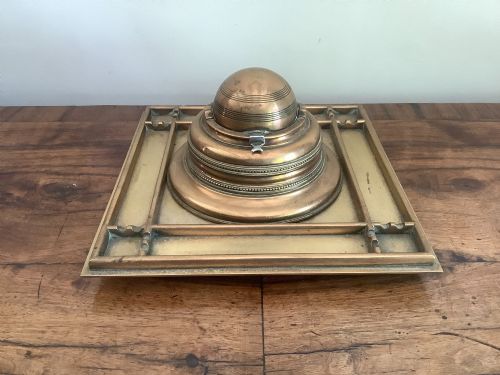
An antique desktop organizer takes many functional forms, including stationery boxes, letter racks, book slides, miniature chests of drawers, and small filing cabinets designed for a writing desk or library table. These pieces range from Georgian and Regency examples to Victorian and Edwardian iterations.
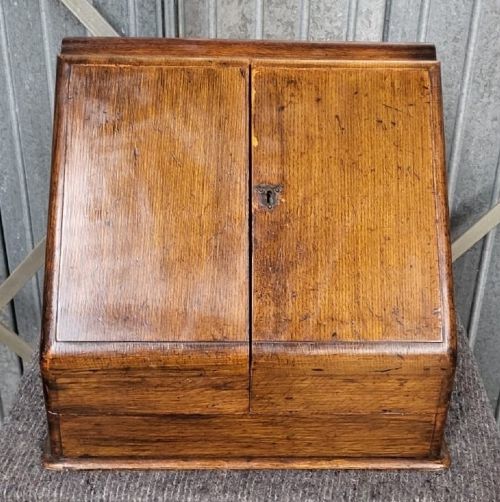
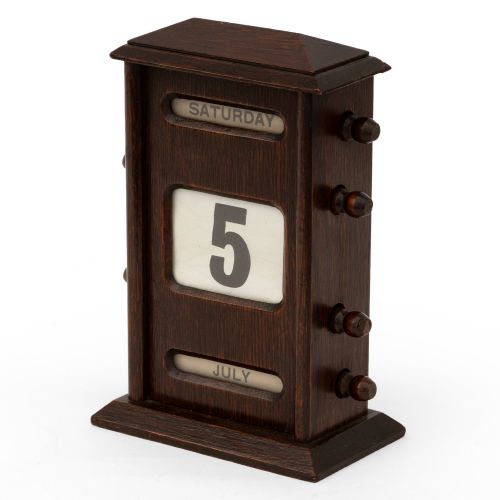
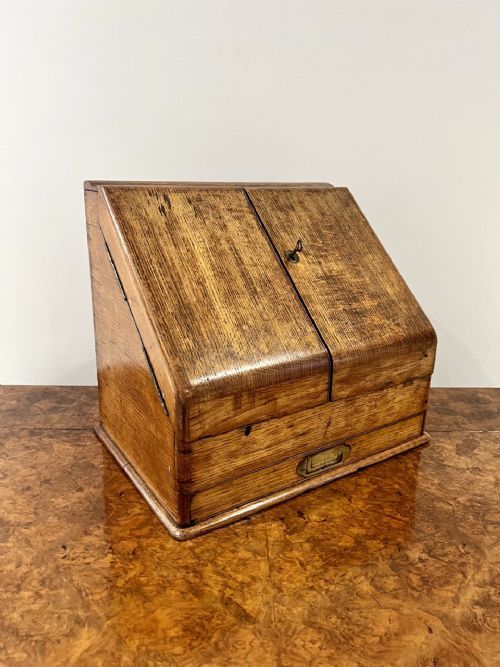
The version most commonly met on this page is the Victorian oak or walnut stationery cabinet, often fitted with internal pigeonholes and sometimes accompanied by an adjustable perpetual calendar or inkstand.
Materials and construction
Makers utilised dense cabinet timbers such as mahogany, oak, walnut, and rosewood, frequently selecting figured veneers to catch the light on a library table. Brass hinges, locks, handles, and mounts provide structural reinforcement and decorative contrast against the dark woods.
Interiors reveal careful joinery, incorporating pigeonholes, secret drawers, and sliding book mechanisms that demand precise carpentry to operate smoothly over decades of daily use.
Antique Desktop Organizer Retail Price Guide 2026
Typical asking prices for desktop organizer among the pieces listed under this phrase on Sellingantiques today, from the lower quarter to the upper quarter. They describe what is for sale here now, not the wider market.
Listings feature items spanning the eighteenth, nineteenth, and early twentieth centuries, constructed from oak, mahogany, rosewood, walnut, and brass.
Craftsmanship and distinction
The distinction between ordinary desk accessories and exceptional pieces rests on the choice of timber figure, the crispness of carved details, and the integration of quality metalwork such as ormolu mounts or patinated brass handles.
Superior examples retain original fitted interiors, working locks with keys, and patent mechanisms that function cleanly, whereas lesser items rely on simpler box construction without internal compartmentalisation.
Gillows·Betjemanns
The Antique Desktop Organizer Glossary
- Stationery box
- A tabletop cabinet with a hinged lid or doors, designed to hold writing paper and envelopes neatly upright.
- Book slide
- An expanding rack with sliding sections to keep a small row of books secure on a desk or table.
- Cartonnier
- A decorative tabletop cabinet with multiple horizontal compartments or drawers for sorting papers and documents.
- Pigeonholes
- Small, open rectangular compartments stacked inside a desk or cabinet for sorting correspondence.
- Apprentice piece
- A finely made miniature item created by a craftsman to demonstrate skill before admission to a guild.
Antique Desktop Organizer: Frequently Asked Questions
What is an antique desktop organizer?
An antique desktop organizer is a small piece of wooden furniture or desk accessory created to hold stationery, letters, books, and writing instruments.
These pieces range from simple letter racks and expanding book slides to compartmentalised stationery boxes and miniature chests of drawers.
How were stationery boxes used?
Stationery boxes sat on writing tables or desks to keep correspondence, envelopes, and writing paper clean, organised, and close at hand.
Their fitted interiors and pigeonholes allowed users to sort incoming and outgoing mail efficiently in a domestic or office study.
How do I date a desk accessory?
Dating relies on combining the timber choice, decorative style, and functional hardware with known periods like the Georgian, Regency, or Victorian eras.
For instance, rich rosewood pieces often point towards the Regency period, whilst heavy figured walnut and Gothic revival details typically indicate mid-Victorian manufacture.
How do I care for wood desk pieces?
Maintain antique wood by keeping pieces away from direct heat sources and sudden humidity changes that can split veneers or dry out timber.
Apply a light application of traditional beeswax occasionally to nourish the polished surface and preserve the natural grain.