



Antique Desk Tools
These antique desk tools comprise items like letter openers, pin cushions, and writing tables from Victorian, Edwardian, and Art Deco periods that bring tactile utility to a workspace.
Antique Desk Tools
When you search for antique desk tools, you encounter functional implements designed for correspondence and desk organisation spanning the nineteenth and early twentieth centuries. These encompass smaller accessories alongside writing tables and pedestal desks.
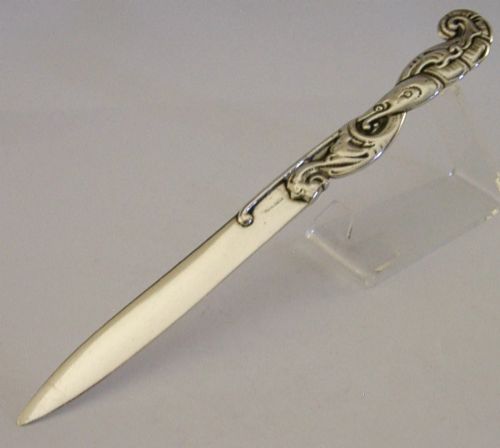
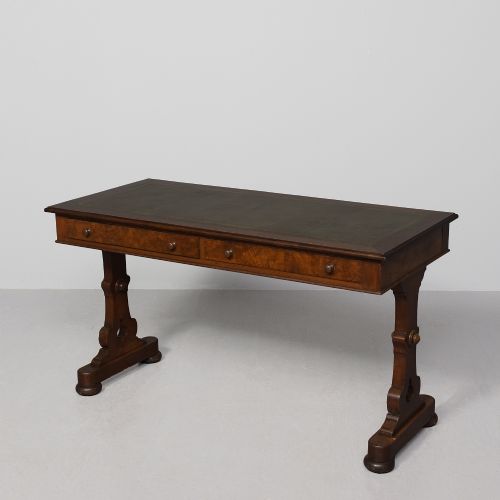
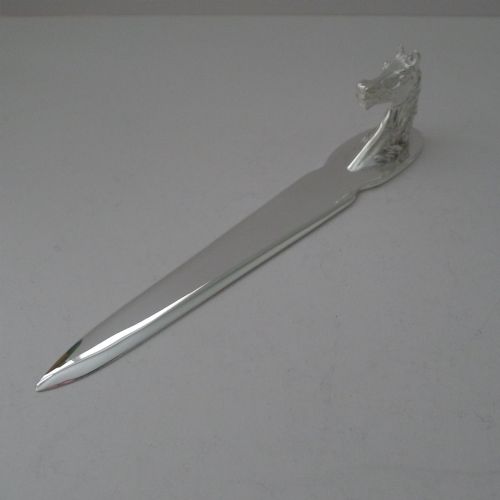
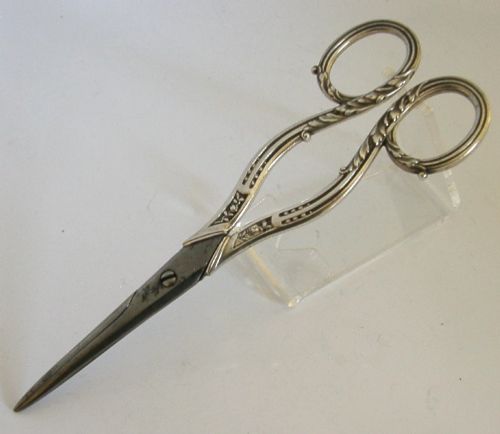
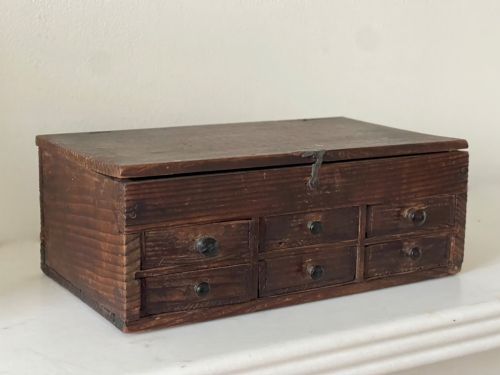
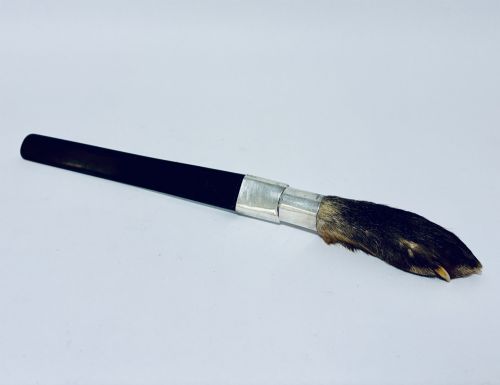
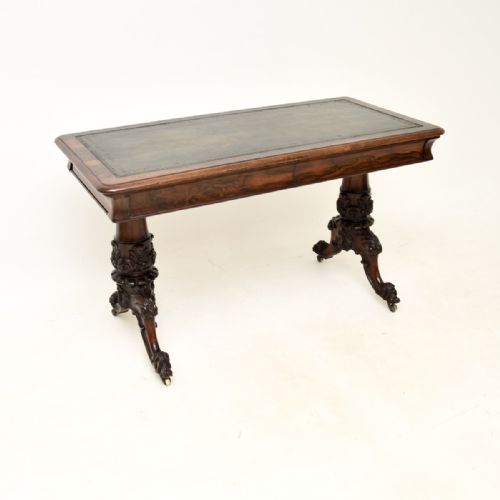
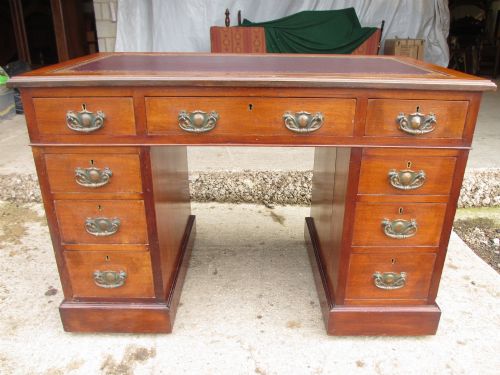
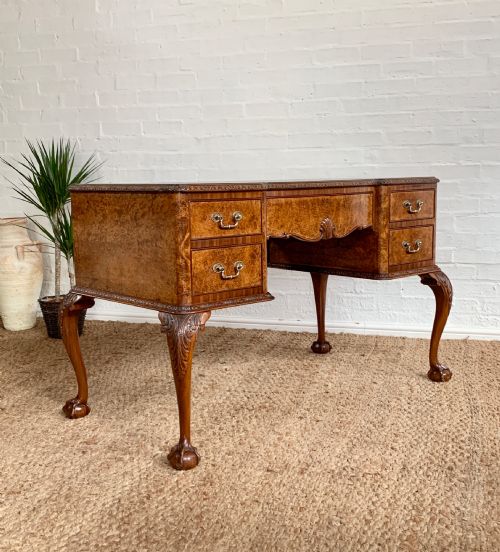
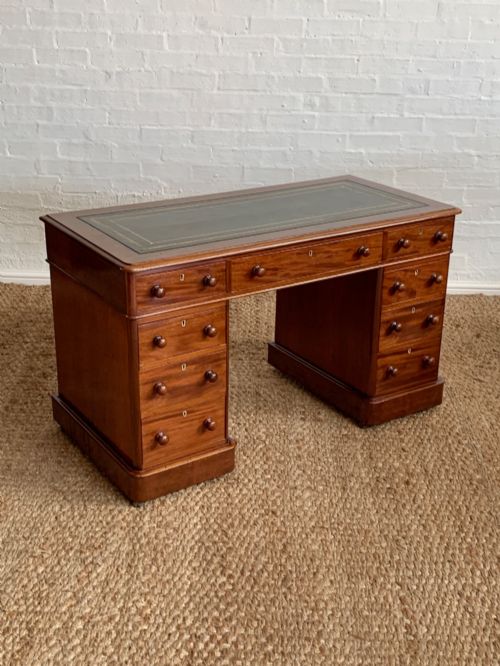
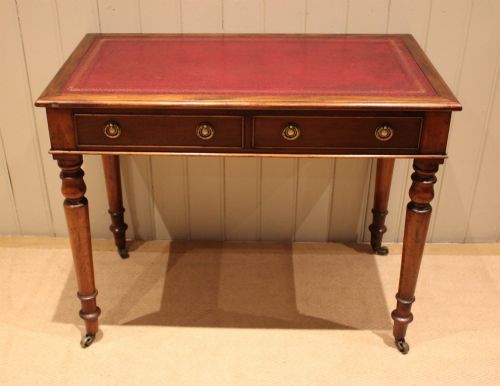
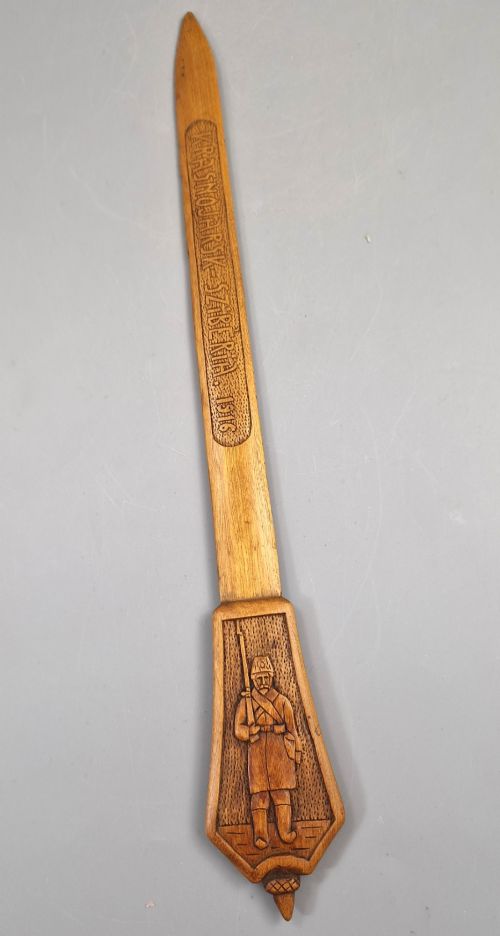
Letter openers, magnifiers, and pin cushions dominate the smaller implements, executed in sterling silver, brass, and carved wood. Larger pieces take the form of walnut or mahogany writing tables inset with tooled leather.
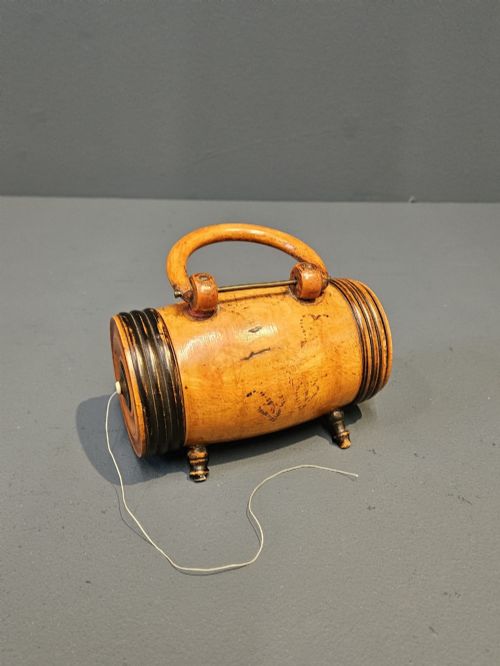
Edwardian novelty silver pin cushions shaped as animals sit alongside Victorian string barrels and letter knives. The selection ranges from utilitarian office equipment to decorative silver combinations.
How they were made
Metal components utilise sterling silver, brass, and steel, often cast or mounted with hand-engraved details and silver plating. Enamelling and celluloid appear on later twentieth-century items.
Wooden furniture and smaller turned objects employ mahogany, walnut, fruitwood, and oak, frequently paired with tooled leather writing surfaces. Carved wooden items include trench art from the First World War alongside fruitwood string barrels.
Antique Desk Tools Retail Price Guide 2026
Typical asking prices for desk tools among the pieces listed under this phrase on Sellingantiques today, from the lower quarter to the upper quarter. They describe what is for sale here now, not the wider market.
Materials span sterling silver, brass, leather, mahogany, walnut, and steel across Victorian, Edwardian, and Art Deco periods.
What varies in quality
Quality rests on the crispness of casting in silver novelties and the refinement of hand-carving on organic materials like bone, wood, or horn. Maker attribution also separates standard production items from distinguished workshop outputs.
In larger furniture pieces, the integrity of the timber, the depth of the tooled leather insert, and the retention of original fittings dictate the standard of execution.
Broadway & Co·Tiffany & Co·Sampson Mordan
The Antique Desk Tools Glossary
- Page turner
- An implement with a flat blade used for separating uncut pages in books and documents. They appear in materials like silver, horn, and wood.
- Pin cushion
- A padded small object designed for holding pins, frequently rendered in sterling silver as novelty shapes such as animals or vehicles during the Edwardian period.
- Pedestal desk
- A heavy writing table comprising two separate pedestals of drawers supporting a single desktop. They often feature tooled leather inserts.
- String barrel
- A turned wooden container designed to house a ball of twine for parcel wrapping, featuring a small aperture for the cord to pull through.
- Vesta case
- A small pocket box designed for holding matches, sometimes combined with sealing wax holders in desk accessory pieces.
Antique Desk Tools: Frequently Asked Questions
What are antique desk tools?
Antique desk tools are functional accessories and writing furniture used for correspondence and document management. They include implements such as letter openers, magnifying glasses, and pin cushions.
Larger furniture items like writing tables and pedestal desks also fall into this category. Materials range from sterling silver and brass to mahogany and walnut.
How do I identify Victorian pieces?
Victorian items often display heavier proportions and rich timbers such as mahogany and walnut. Look for hand-tooled leather inserts on desks and traditional joinery methods.
Silver implements from this era typically bear hallmarks corresponding to the nineteenth-century reigns. Stylistic cues draw heavily on classical revival and utilitarian forms.
How were silver pin cushions used?
Silver pin cushions served as decorative desk accessories for holding pins used in sewing or securing notes. Edwardian makers produced these in whimsical novelty shapes including animals and vehicles.
They combine a solid silver base with a fabric or velvet stuffed cushion insert. Collectors prize these for their sculptural detail and novelty appeal.
How do I care for tooled leather?
Maintain tooled leather surfaces on writing desks by keeping them away from direct sunlight and excessive heat. Dust gently with a dry, soft cloth.
Avoid applying harsh modern chemical cleaners to the leather or the gold tooling. Specialist leather waxes can preserve the suppleness of nineteenth-century hide.