




Antique Desk Screen
An antique desk screen is a decorative barrier built to deflect heat or light, offering both practical shielding and refined table display.
Antique Desk Screen
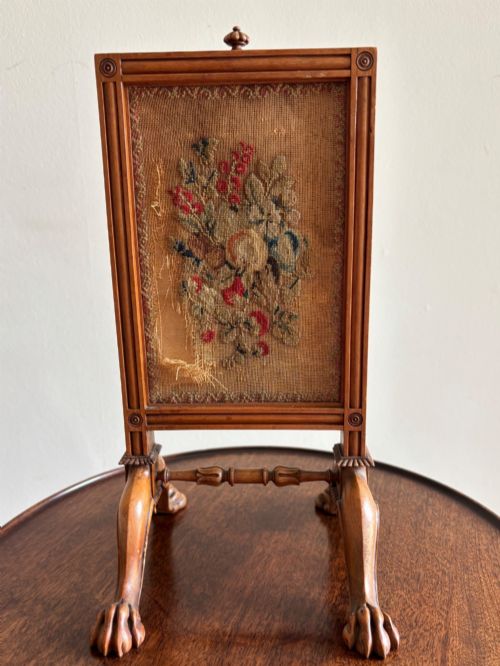
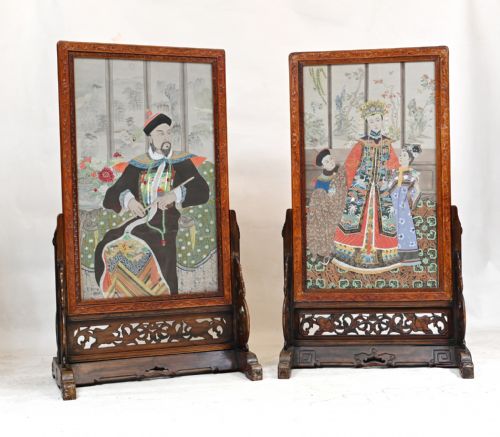
When you search for an antique desk screen, you encounter a specialised form designed to sit upon writing furniture or tables. The pieces gathered here encompass miniature firescreens, table screens, and adjustable candle shades from several distinct eras.
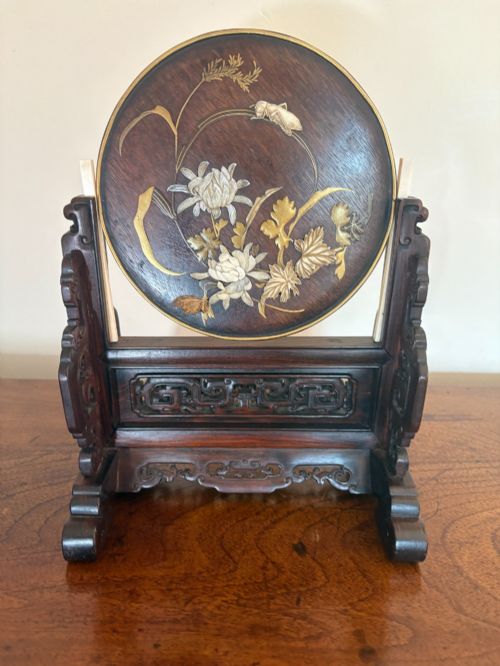
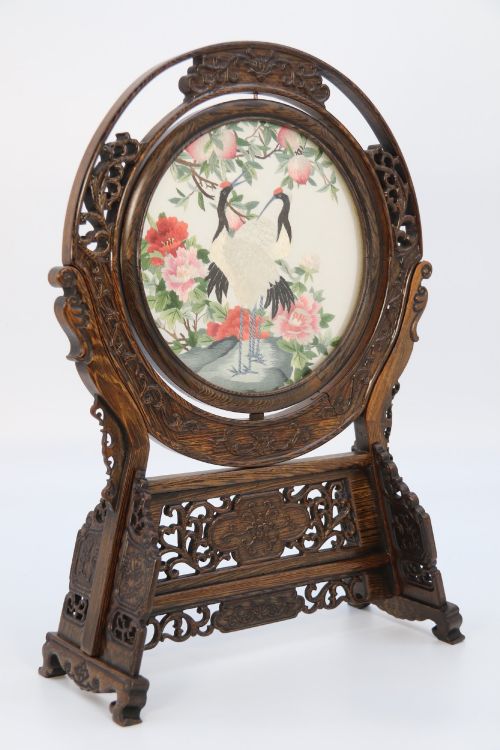
The Regency period provides mahogany examples integrated with writing tables alongside small freestanding versions. Meanwhile, Chinese examples introduce rotating hardwood stands paired with silk embroidery.
Victorian and later variations appear in brass and hardwood, incorporating adjustable shades or microscopic lighting shields. These items represent both European domestic writing habits and East Asian decorative arts.
Materials and construction methods
The primary structure of these screens relies upon dense timbers including mahogany, satinwood, rosewood, and general hardwood. Artisans shaped these woods into frames, stands, and writing surfaces, often incorporating inlaid details.
Many variants utilise delicate textile inserts such as woven silk and embroidered panels held securely within wooden borders. Metal elements like brass appear in adjustable candle shields and optical shades, showing precise mechanical joints and fittings.
Some Victorian scientists relied on miniature candle shades just to peer closely at tiny slides without melting their eyebrows.
Factors of quality and execution
Quality rests in the precision of the woodwork and the finesse of the integrated panels. Fine examples display crisp inlay, stable rotating joints, and hand-stitched embroidery showing high pictorial detail.
Lower tiers exhibit simpler joinery and plainer timber selection without the decorative inlay or intricate textile work found on finer workshop pieces. The integration of mechanical movement in adjustable shades also separates standard items from superior productions.
The Antique Desk Screen Glossary
- Table Screen
- A portable decorative panel supported by a stand, intended for display on a table or desk rather than the floor.
- Firescreen
- A small barrier traditionally placed to protect the face from the heat of an open fire, scaled down for miniature or desk use in some periods.
- Shibayama
- A Japanese decorative technique using inlaid mother-of-pearl, ivory, and tortoiseshell to create pictorial scenes on lacquer or wood bases.
- Pole Screen
- A vertical screen mounted on a tall wooden pole with an adjustable height mechanism, occasionally referenced within miniature furniture groups.
Antique Desk Screen: Frequently Asked Questions
What is an antique desk screen used for?
These pieces originally served to shield a writer's face from the direct heat of a hearth or to block glaring candle and lamplight while working at a desk.
Today, collectors appreciate them as decorative objects that highlight period craftsmanship and textile artistry on a tabletop.
How do I identify a Regency desk screen?
Regency items typically feature rich mahogany timbers, sometimes incorporating inlaid details or satinwood accents that match the refined aesthetic of the early nineteenth century.
They frequently appear either as miniature freestanding items or as integrated components built directly into the rear of writing and sofa tables.
What are Chinese table screens made of?
Chinese examples generally utilise dense hardwoods carved to form stable support frames and rotating display stands.
The central panels commonly feature double-sided silk embroidery or woven pictorial scenes depicting traditional subjects.
How do adjustable candle shades work?
These scientific and domestic instruments use brass mechanisms and sliding joints to position a small protective shield precisely in front of a candle flame.
This directed the illumination onto a specific workspace, such as a microscope stage or a writing desk, while keeping light out of the user's eyes.