


Antique Desk Paraffin Lamp
An antique desk paraffin lamp brings period character and warm illumination to a room, drawing on Victorian and Edwardian craftsmanship.
Antique Desk Paraffin Lamp
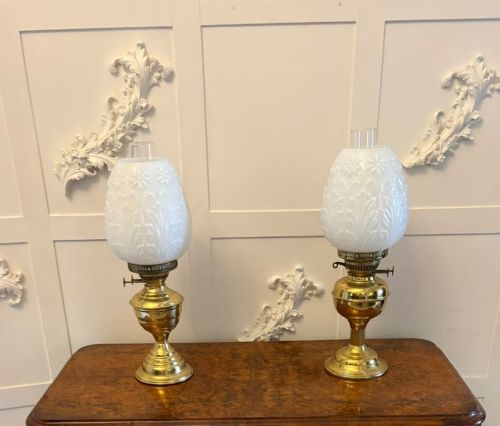
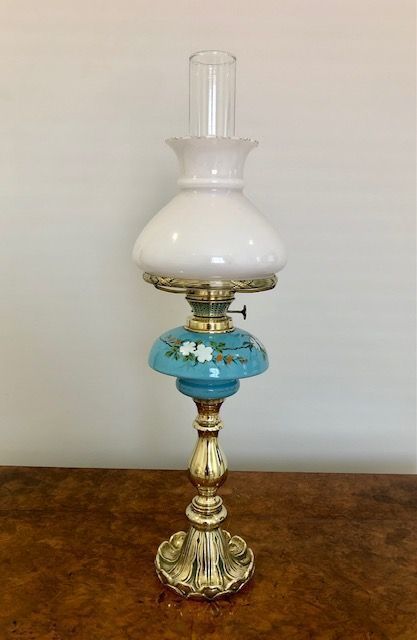
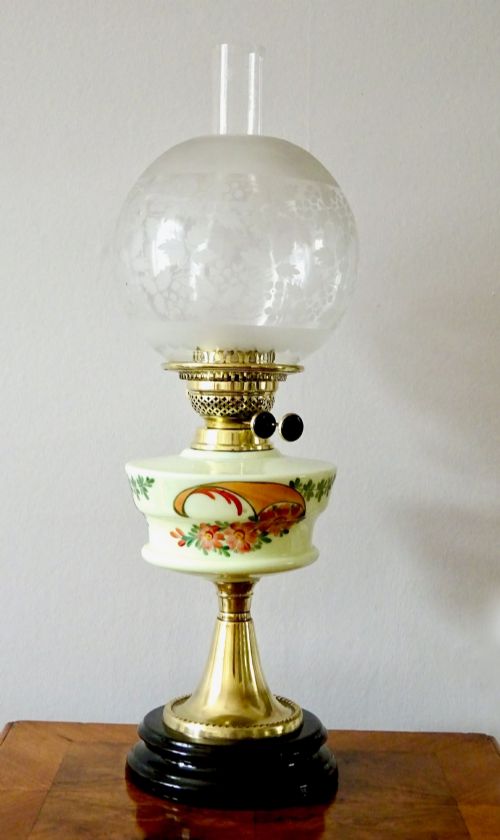
An antique desk paraffin lamp is primarily a functional lighting fixture from the nineteenth and early twentieth centuries, repurposed over time or preserved in its original form. When searching for an antique desk paraffin lamp, you encounter table-standing lighting pieces designed for domestic use during the Victorian and Edwardian eras.
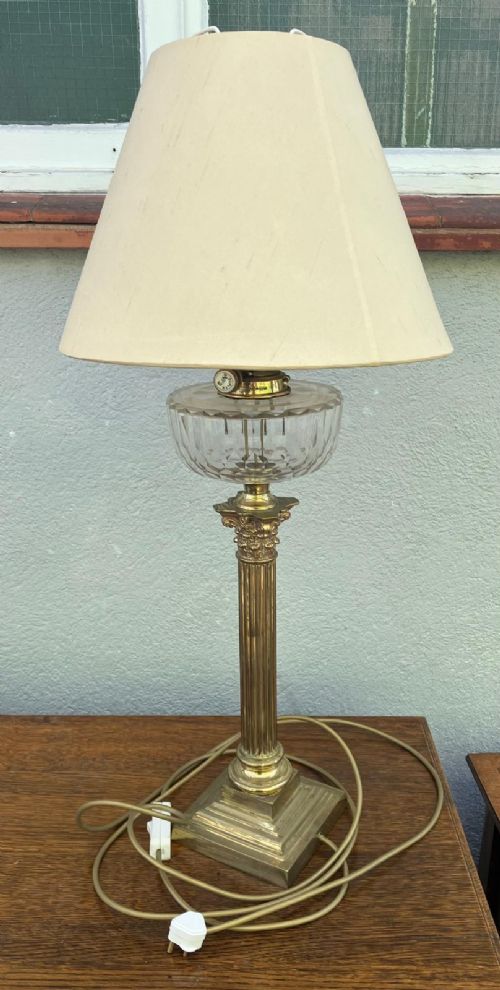
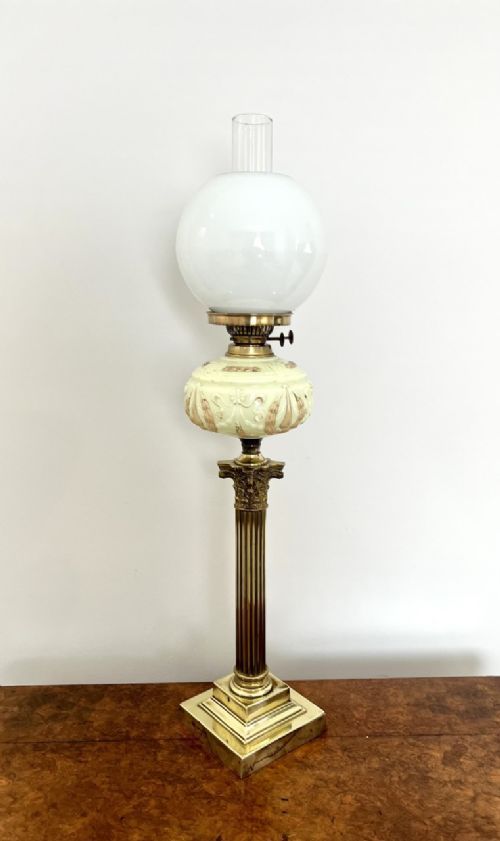
The specimens seen here span periods from the mid-nineteenth century through to the early decades of the twentieth century. Common physical forms include standard column designs, such as Corinthian or reeded shafts, alongside urn shapes and figural bases.
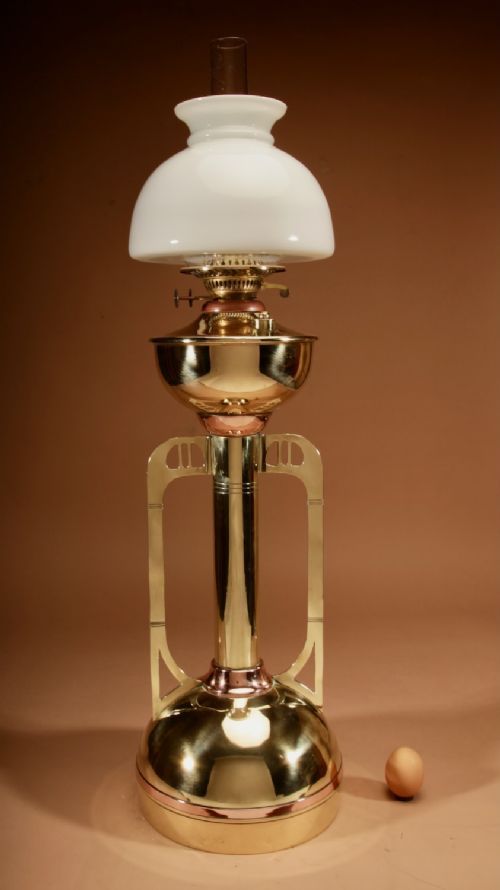
Brass serves as the predominant structural metal, frequently paired with glass or ceramic components. Many examples retain their burners, fonts, and shades, while others show conversion to electricity for modern interior use.
Materials and Construction Methods
The construction of these lamps relies heavily on cast and spun brass, copper, and bronze, shaped into columns, urns, and bases. Metal components are often combined with turned or pressed glass reservoirs and ceramic bodies.
Shades utilise opaline glass, cut crystal, plain white glass, or tinted vaseline glass, sometimes accompanied by fabric elements. Manufacturing techniques include repoussé metalwork, hand-painting on ceramic reservoirs, and precise fluting or reeding on metal columns.
Some models feature cast cherubs playing instruments, proving that Victorian desk lighting took its inspiration quite seriously.
Distinctions in Quality and Execution
Quality in these lighting pieces depends upon the weight of the cast metal, the crispness of decorative detailing such as Corinthian capitals, and the integrity of any applied repoussé work. Substantial brass and bronze castings with well-defined proportions represent the upper tier of manufacture.
The quality of associated glass components also dictates overall merit. Heavy cut crystal fonts, thick opaline shades, and hand-painted ceramic bodies demonstrate superior workshop standards compared to plain, mass-produced counterparts.
Gustave Serrurier Bovy·Wild And Wessel·Gaggenau·A Benson
The Antique Desk Paraffin Lamp Glossary
- Font
- The oil reservoir of the lamp, typically positioned above the base and beneath the burner. This component is frequently moulded in glass, ceramic, or metal.
- Opaline glass
- A milk-white or tinted translucent glass popular for Victorian and Edwardian lamp shades. It diffuses light evenly across a workspace or table.
- Corinthian column
- A classical architectural column style frequently utilised for lamp standards during the nineteenth century. These shafts feature ornate, acanthus-leaf capitals.
- Repoussé
- A metalworking technique where the artist hammers a design from the reverse side to create a raised pattern. This process appears on brass and copper lamp bases.
- Vaseline glass
- A type of glass containing uranium dioxide, which exhibits a distinct yellowish-green colour and glows under ultraviolet light. It was often utilised for decorative lamp shades during the Edwardian period.
Antique Desk Paraffin Lamp: Frequently Asked Questions
How do I date an antique desk paraffin lamp?
Dating relies upon stylistic markers, material choices, and mechanical patents found on burners or collars. Victorian examples often display heavier cast brass and classical revival motifs, while Edwardian pieces lean towards lighter proportions and specific glass shades.
Maker marks, registration numbers, and burner manufacturer stamps provide further chronological anchors. Comparing the column style and shade material against documented periods helps narrow down the decade of production.
Can these lamps still use paraffin oil?
Many of these pieces retain their original mechanical burner assemblies and fonts, making them technically capable of burning paraffin if inspected and cleaned thoroughly. However, collectors frequently use them purely as decorative objects or arrange for professional conversion to electricity for daily household use.
When evaluating a piece for oil use, ensure the metal font is free from internal corrosion and the burner mechanism functions correctly. Converted examples dispense with the need for fuel management entirely while preserving the historic appearance.
What is a converted oil lamp?
A converted oil lamp is a historic lighting fixture that has been professionally adapted to run on electricity rather than paraffin. This modification typically involves running wiring through the central column and replacing or adapting the burner assembly to accept a modern bulb holder.
Such conversions allow these nineteenth- and early-twentieth-century objects to serve safely as functional desk or table lamps. The exterior appearance remains largely unchanged, retaining the original brass, ceramic, or glass components.
How do I clean a brass and glass lamp?
Cleaning requires a gentle approach to preserve any aged patina on the metal and to protect fragile glass or ceramic surfaces. Use a soft, dry cloth to remove dust from brass columns and avoid harsh chemical dips that strip historic character.
Glass shades and chimneys can be washed in warm, soapy water separately from the metal base. Care must be taken around hand-painted ceramic sections and delicate cut glass detailing to prevent accidental damage.