


Antique Desk Paper Knife
An antique desk paper knife brings a touch of tactile elegance to correspondence, turning everyday correspondence opening into a small daily ritual.
Antique Desk Paper Knife
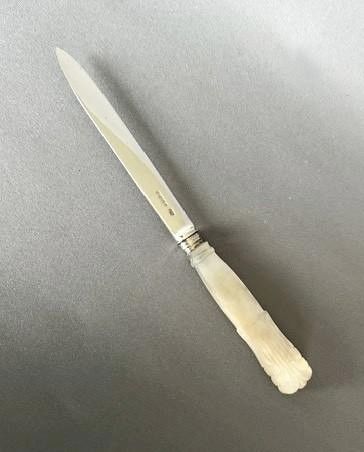
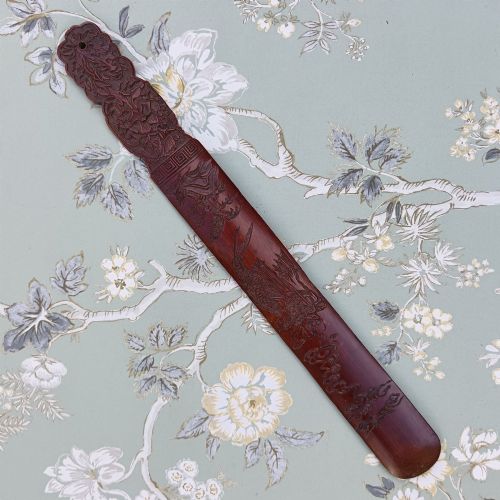
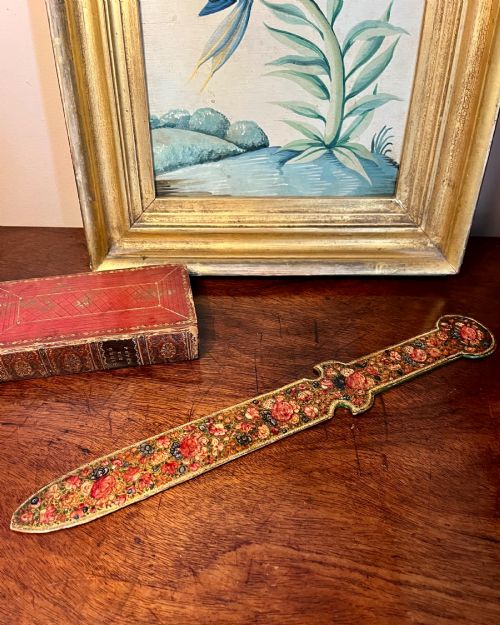
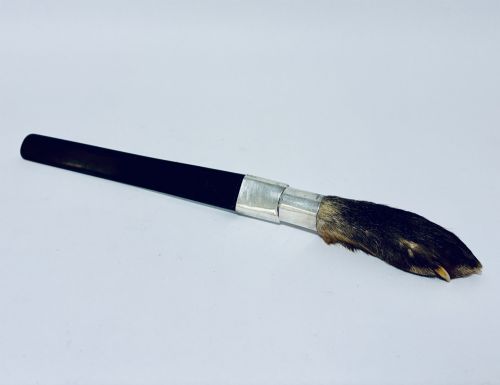
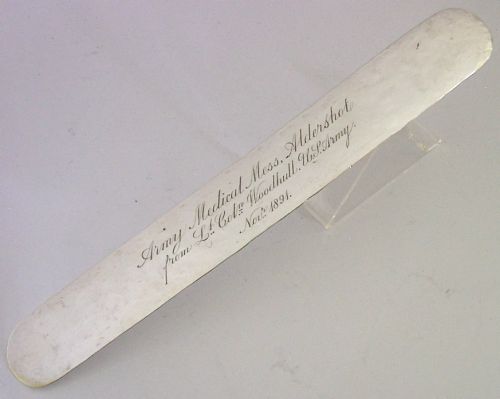
When searching for an antique desk paper knife, buyers encounter a diverse selection of implements designed for slitting envelopes and separating uncut pages of books. These desk accessories span periods from the Georgian era through the Victorian and Edwardian decades into the Art Deco and mid-century movements. Page turners and letter openers appear frequently in various lengths, intended for the writing desk or library table.
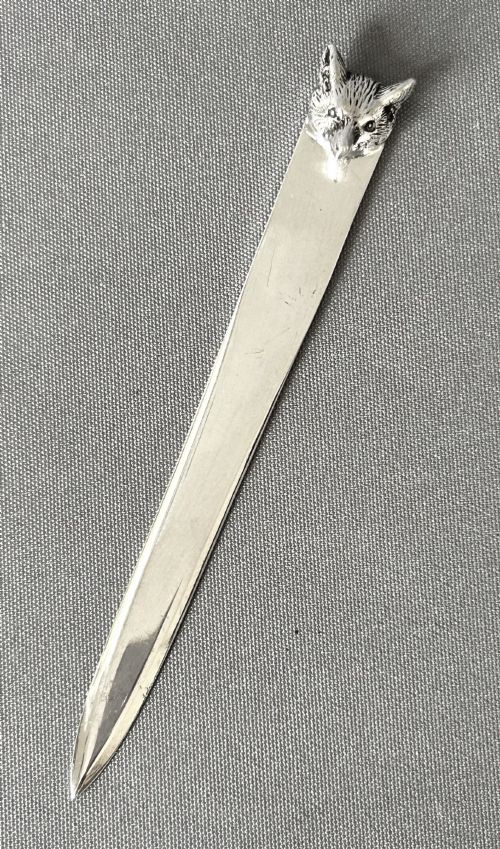
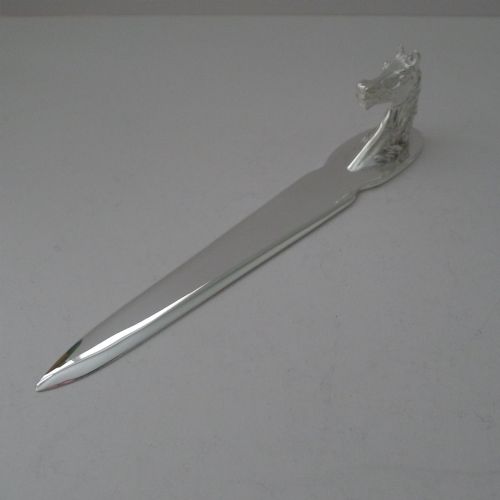
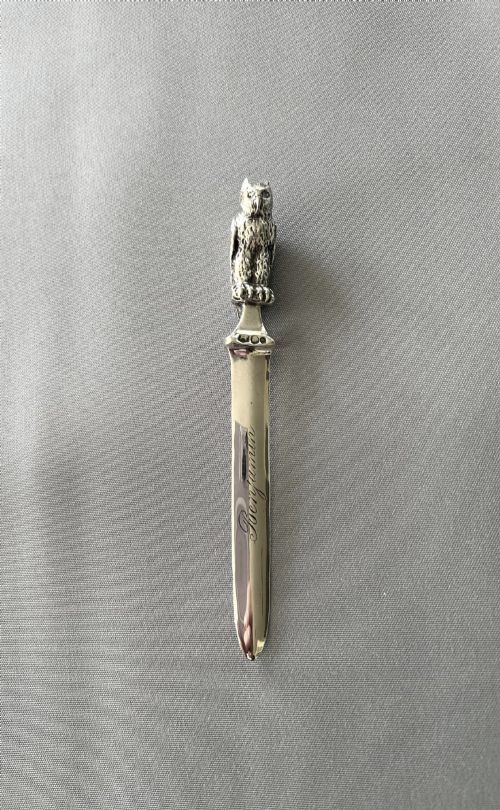
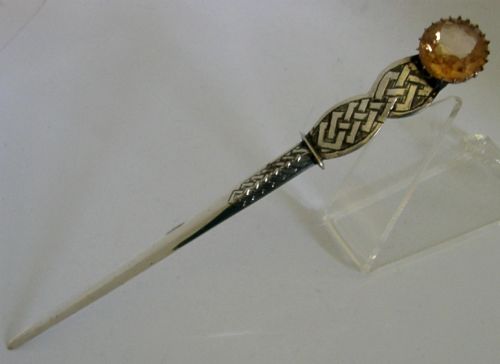
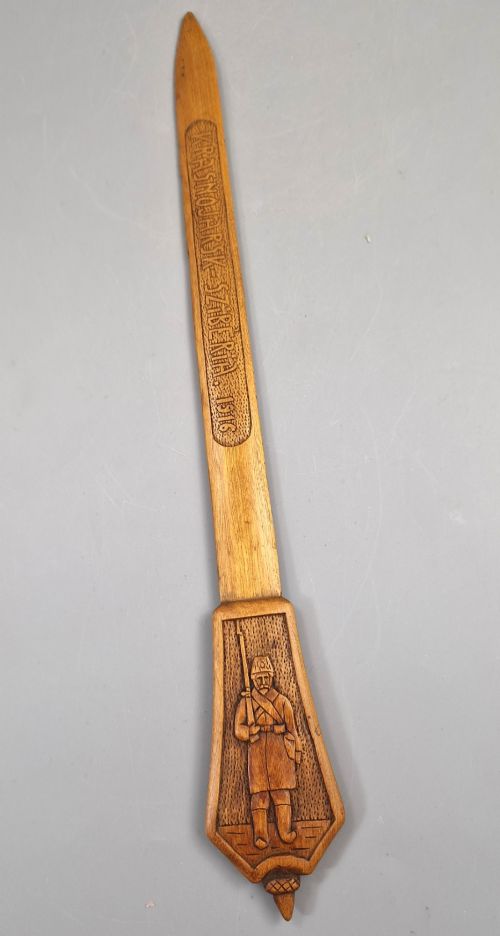
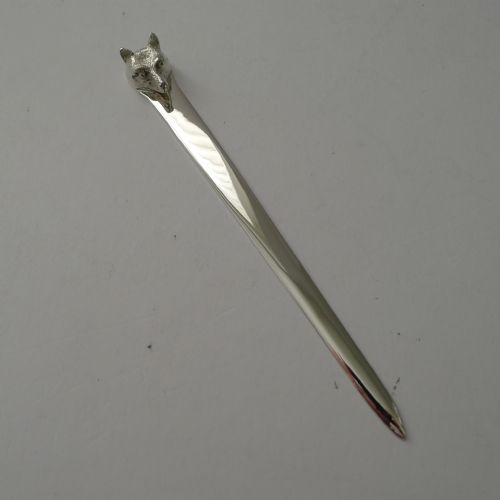
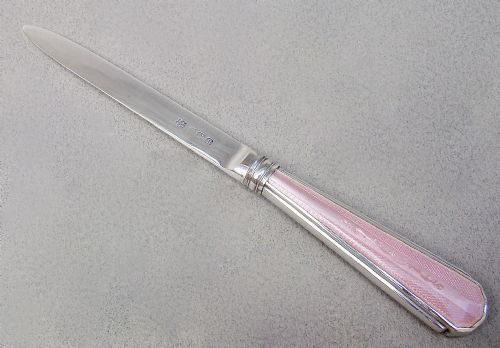
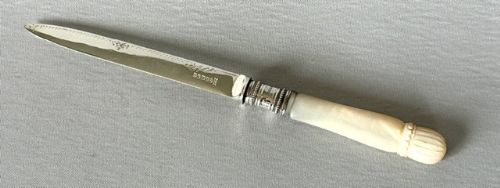
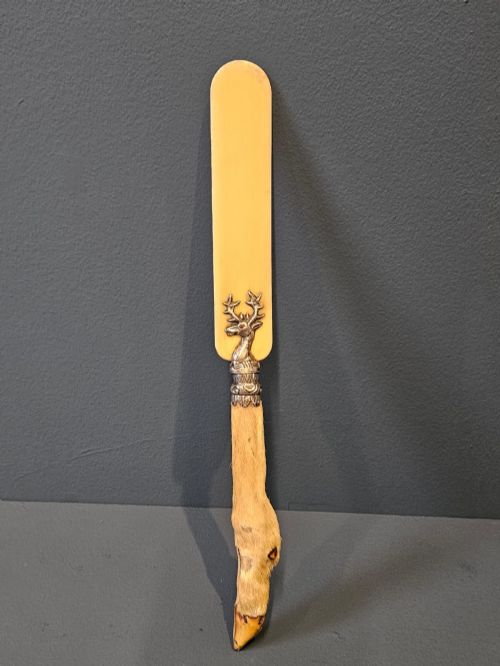
The selection includes sterling silver blades alongside combinations of tortoiseshell, mother-of-pearl, and carved wood. Novelty items shaped like animals, such as ducks, greyhounds, and foxes, sit alongside commemorative pieces marking royal jubilees or military service. Trench art and regional Scottish provincial silver pieces also populate the field, offering distinct historical character.
Materials and Construction
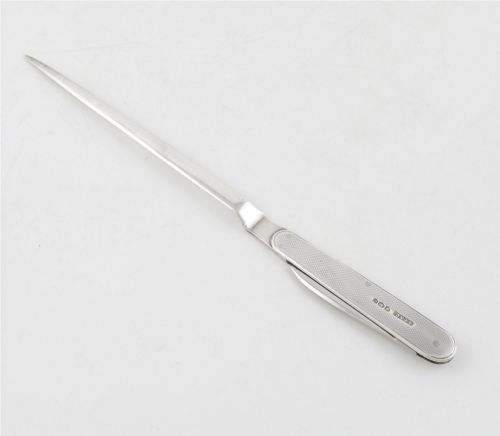
Silversmiths forged blades from sterling silver, sometimes pairing them with natural handles of horn, tortoiseshell, mother-of-pearl, or exotic woods like yew and ebonised timber. Metalworking techniques included hand-chasing, guilloché enamelling, and cast bronze or brass figures applied to handles or terminals. Organic materials were carefully shaped, polished, and mounted with silver collars, hinges, or engraved mounts.
Makers utilised steel for cutting edges on specific knives, while other examples integrated decorative stones like agate, citrine, or Connemara marble into the hilts. Construction methods range from simple one-piece brass or bronze castings to complex multi-part desk sets featuring articulated elements and detailed novelty animal sculptures.
Antique Desk Paper Knife Retail Price Guide 2026
Typical asking prices for desk paper knife among the pieces listed under this phrase on Sellingantiques today, from the lower quarter to the upper quarter. They describe what is for sale here now, not the wider market.
Listings feature sterling silver, tortoiseshell, mother-of-pearl, and bronze across Victorian, Edwardian, and Art Deco styles.
Distinctions in Standard
Quality rests upon the crispness of the maker marks, the integration of materials, and the sophistication of the modelling on novelty handles. Pieces bearing clear hallmarks from established silversmiths demonstrate superior provenance and material integrity compared to unmarked items.
The harmony between blade and handle dictates the balance and feel in the hand. Finer examples display meticulous hand-finishing on engraved details, securely fitted organic inlays without shrinkage gaps, and undamaged enamelling.
The Barker Brothers·Asprey·Moses Brent·A Barrett·Sampson Mordan and Co
The Antique Desk Paper Knife Glossary
- Page Turner
- A long, flat implement traditionally used for slitting the folded edges of uncut book pages. These instruments often measure longer than standard letter openers.
- Guilloché Enamel
- A decorative technique involving precise mechanical patterns engraved beneath a translucent enamel coating. This colourful layer appears frequently on Art Deco desk pieces.
- Trench Art
- Items fashioned by soldiers, prisoners of war, or civilians from military scrap materials during wartime conflicts. These objects often display improvised carving on wood or brass cartridge cases.
- Hallmark
- A series of official stamps applied to precious metals indicating the standard of purity, the assay office, and the date letter. English silver pieces carry these diagnostic marks.
Antique Desk Paper Knife: Frequently Asked Questions
What is the difference between a paper knife and a letter opener?
Paper knives generally refer to larger implements historically used to slice open the folded pages of newly printed books and periodicals. Letter openers are typically shorter and designed specifically for slitting the envelopes of daily post.
Despite the historical distinction in function, the terms overlap frequently in modern collecting, and makers often produced single items intended for both tasks on the desk.
How do I care for tortoiseshell handles?
Tortoiseshell requires gentle treatment to prevent drying and cracking over time. Keep these delicate organic pieces away from direct sunlight, extreme heat sources, and harsh chemical cleaning agents.
An occasional wipe with a soft, dry microfibre cloth maintains the natural lustre of the shell without damaging the vintage surface polish or the adjacent silver mounts.
How do I date an unmarked piece?
Dating unmarked items relies on stylistic clues, manufacturing techniques, and the choice of materials characteristic of specific design movements. Art Deco geometric patterns, Victorian aesthetic motifs, and Edwardian elegance all provide reliable chronological markers.
Comparing the form and construction methods to fully hallmarked equivalents helps narrow the production window to a specific decade or era.
Were these used in offices?
Desk accessories of this calibre belonged primarily to private studies, libraries, and elegant administrative writing rooms rather than bustling commercial offices. Wealthy correspondents used them as part of a formal suite of correspondence tools.
Their survival in fine condition suggests they were treated as decorative desk furniture rather than utilitarian stationery supplies.