



Antique Desk Painting
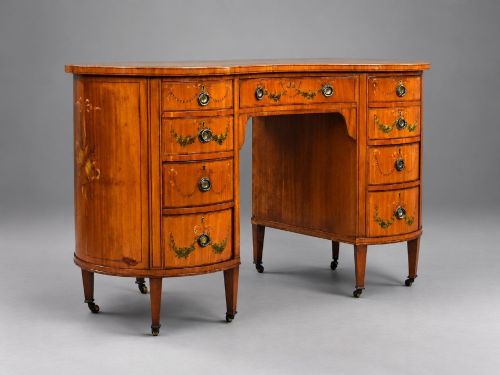
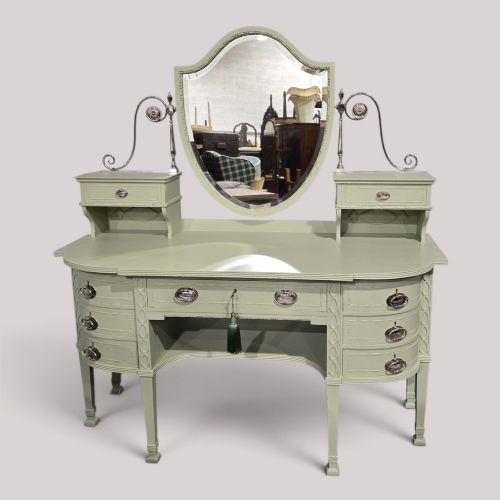
These antique desk painting pieces unite fine writing furniture and accessories with hand-applied decoration, bringing colour and character to a study.
Antique Desk Painting
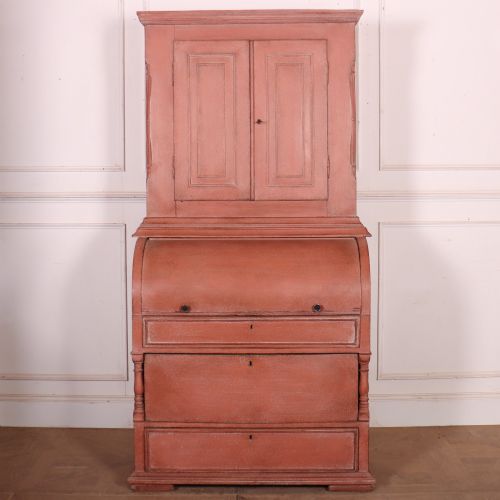
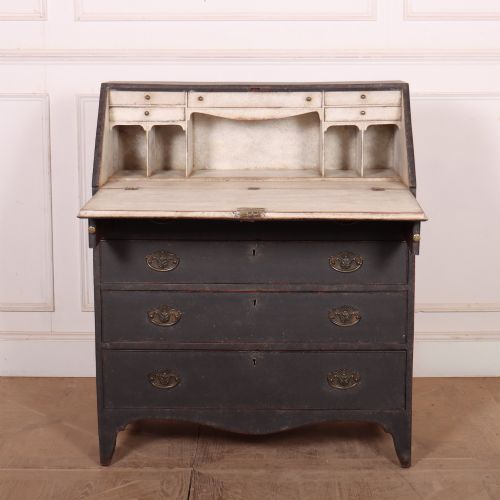
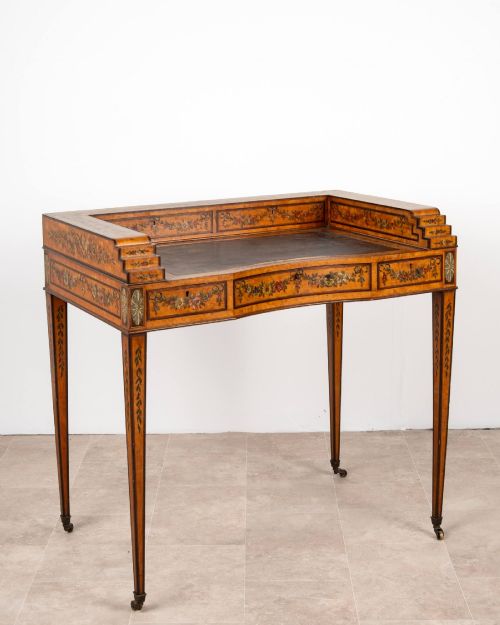
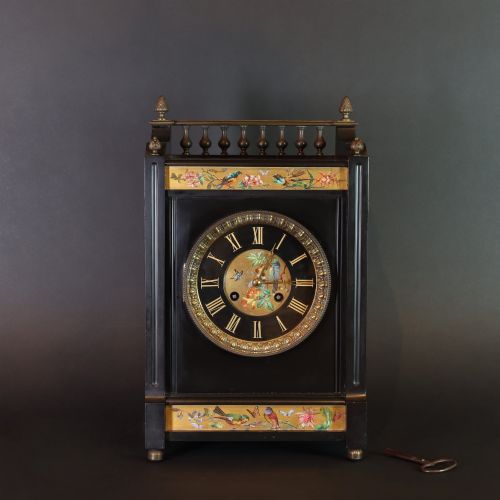
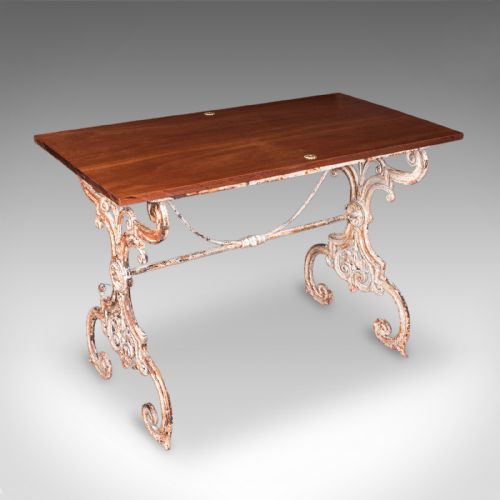
When you search for antique desk painting, you encounter a varied collection of items where painted finishes, gouache artwork, or hand-painted decorative surfaces meet writing furniture and accessories. The pieces span from the eighteenth century through the Edwardian era and the nineteen-twenties, incorporating styles such as Regency, Chinoiserie, and Art Deco.
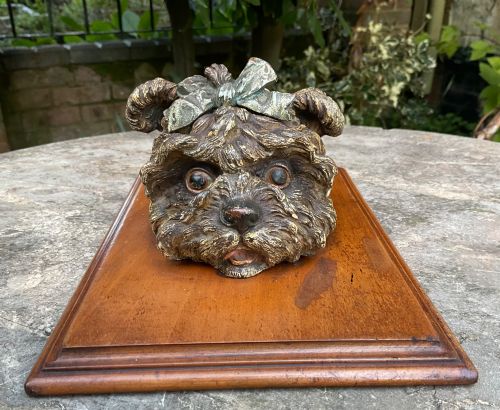
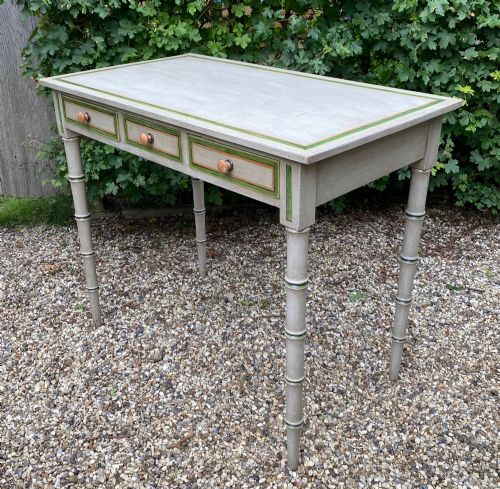
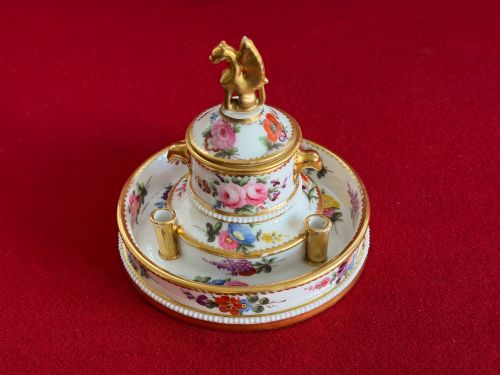
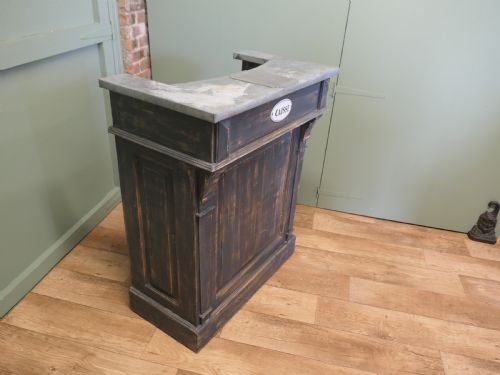
You are most likely to meet painted writing desks, bureaux, and writing tables alongside smaller desk accessories like inkstands, letter openers, and paper clips. Materials range from wood and painted pine to porcelain, brass, and lacquered surfaces.
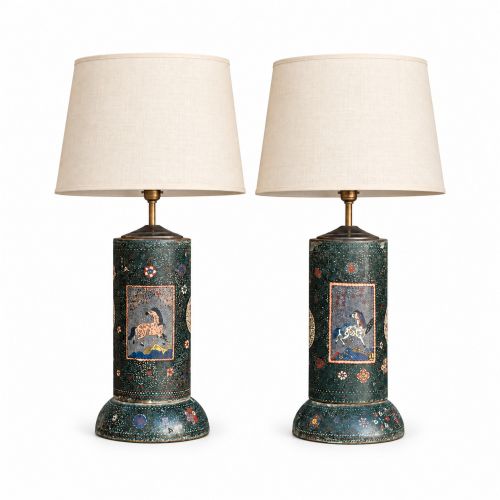
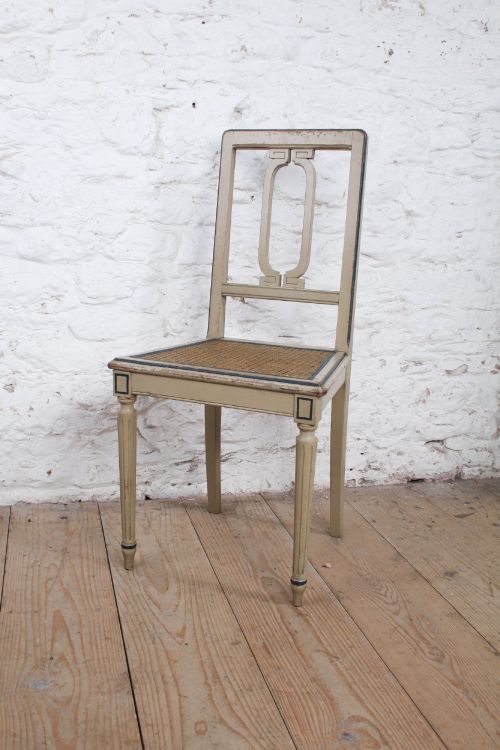
The selection also includes related items like table lamps, side chairs, and occasional tables that share the same painted or decorative vocabulary. These objects reflect both formal English cabinetmaking and continental European craftsmanship, particularly from France, Austria, and Italy.
How They Were Made
Craftsmen utilised traditional timber construction, combining hardwoods like mahogany and satinwood with softer pines for secondary elements, often applying lead-based or oil paints directly to the wood. Decorative surfaces frequently featured lacquer, gilding, and hand-painted motifs, particularly in Chinoiserie and Kashmiri traditions.
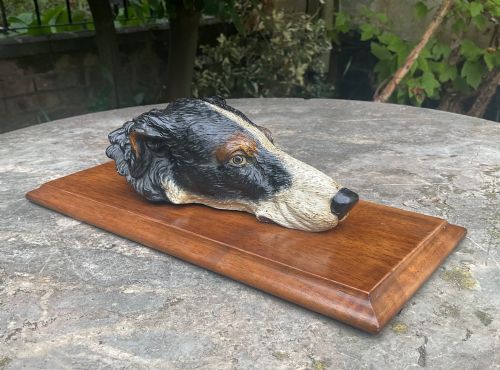
Metal components relied on foundry techniques such as bronze casting, notably in Austrian cold-painted animal figures and desk accessories. Porcelains were shaped and hand-painted in factories like Sèvres, Minton, and Worcester before being mounted in brass or ormolu.
Antique Desk Painting Retail Price Guide 2026
Typical asking prices for desk painting among the pieces listed under this phrase on Sellingantiques today, from the lower quarter to the upper quarter. They describe what is for sale here now, not the wider market.
Listings feature items from the eighteenth, nineteenth, and early twentieth centuries, including Regency and Art Deco aesthetics.
What Varies in Quality
The distinction between ordinary and exceptional pieces rests in the execution of the painted surface and the crispness of the underlying form. Original, untouched paintwork with subtle ageing holds significantly more visual integrity than later overpainting or heavy restoration.
In bronze accessories and porcelain inkstands, the finesse of the hand-painting and the weight of the cast metal dictate the standard. Superior items display meticulous brushwork and balanced proportions that maintain their decorative impact over centuries.
Franz Bergman·Achille Brocot·Flight And Barr·Minton
The Antique Desk Painting Glossary
- Cold-painted bronze
- A technique where bronze figures are painted with oil-based colours rather than fired in a kiln. This method was widely used by Viennese foundries for small desk animals and figural ornaments.
- Chinoiserie
- A European theatrical style interpreting Chinese artistic traditions. It is frequently seen on lacquered furniture and lamps with hand-painted motifs of figures, pagodas, and landscapes.
- Gouache
- An opaque water-based paint used on paper or pith. It produces flat, saturated areas of colour well suited to detailed historical illustrations.
- Papier-mâché
- A durable composite material made from paper pulp or layers of paper bound with glue or resin. It was pressed into moulds and lacquered to create lightweight desk accessories.
- Toleware
- Painted or lacquered sheet metal items, often used for desk lamps and accessories. The surface is typically finished with dark enamel and hand-gilded decoration.
Antique Desk Painting: Frequently Asked Questions
What is an antique desk painting?
The phrase encompasses decorated writing furniture, painted wooden tables, and portable desk accessories adorned with hand-painted scenes or motifs. It bridges utilitarian study furniture and decorative art.
Items range from eighteenth-century gouache works on pith paper to nineteen-twenties lacquered lamps and bronze desk tidies.
How do I care for painted wood?
Keep painted surfaces away from direct sunlight and sudden temperature shifts to prevent the paint from cracking or lifting. Dust gently with a dry, soft cloth.
Avoid chemical polishes and moisture, which can degrade fragile historic finishes and original varnishes.
Are bronze desk items durable?
Cold-painted bronze pieces are robust metal objects, but their painted surfaces require delicate handling. The oil paint can chip if struck or rubbed.
Display these items in stable environments where they will not be subject to frequent handling or friction.
How can I date a painted bureau?
Examine the construction methods, secondary timbers, and the style of the painted decoration. Eighteenth-century pieces often feature hand-mixed pigments and dovetailed carcases, while later examples show distinct revival characteristics.
Wear patterns on the writing surface and interior drawer construction also offer clues to the period of origin.