


Antique Desk Decor
Antique desk decor brings practical history to a workspace, offering tangible objects shaped by Victorian, Edwardian, and Art Deco makers.
Antique Desk Decor
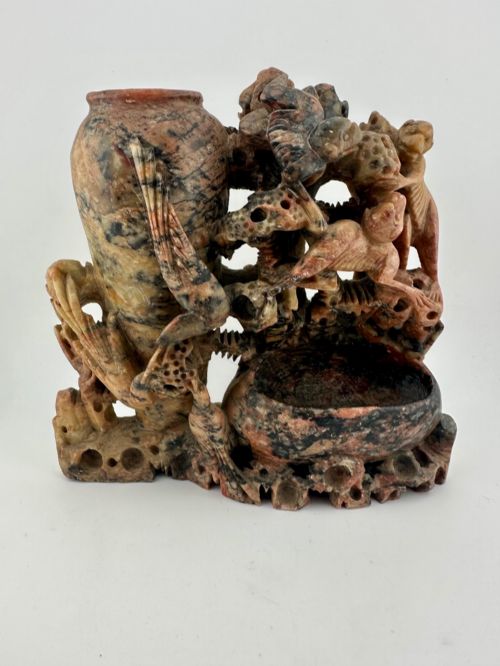
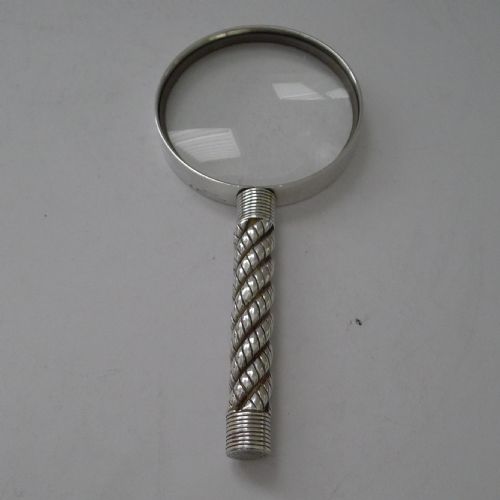
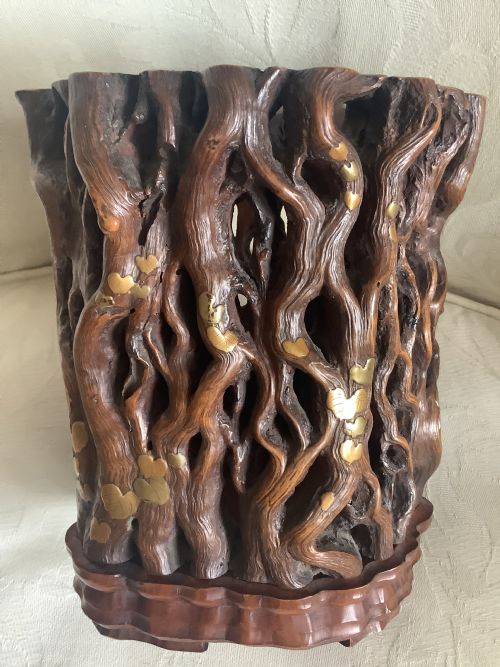
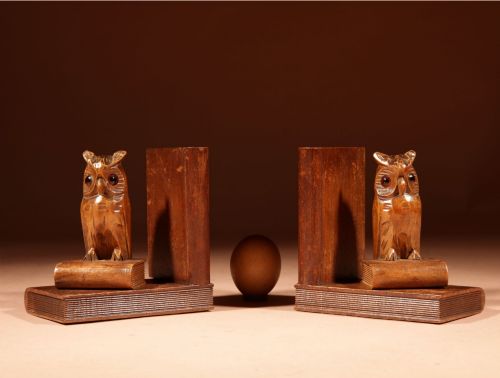
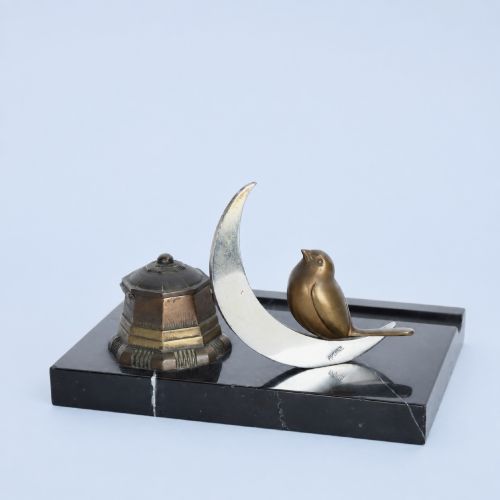
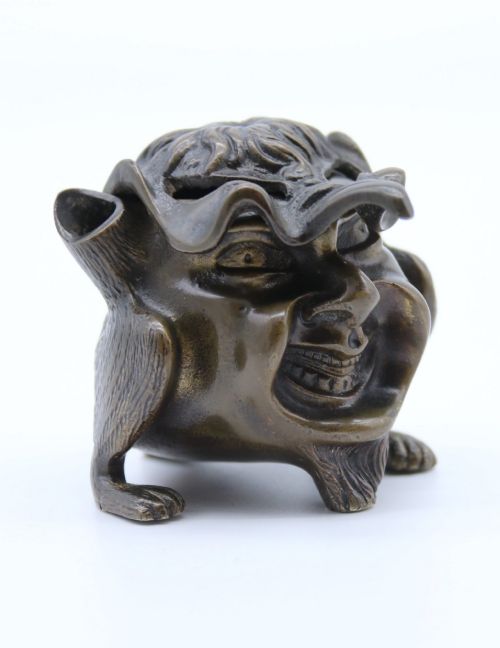
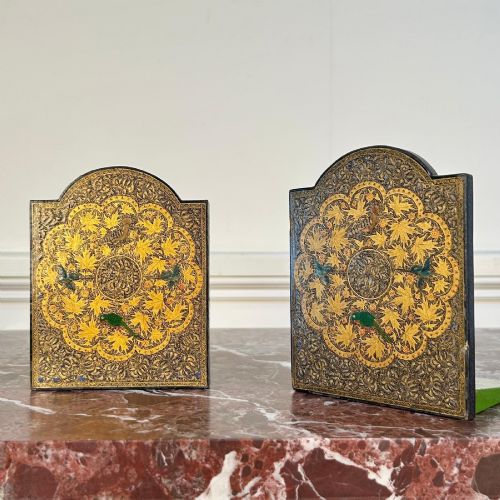
When searching for antique desk decor, buyers encounter functional and decorative items designed for writing tables and studies during the nineteenth and twentieth centuries. These pieces encompass inkwells, blotters, bookends, paperweights, magnifying glasses, and small sculptures made to adorn workspace surfaces.
The selection here draws heavily from Victorian utility and twentieth-century modernist styling, featuring desk tidies, globes, and animal figures in wood, metal, and glass. Such items reflect the administrative and literary habits of past eras, transforming ordinary writing tasks into visually engaging routines.
Materials and construction methods
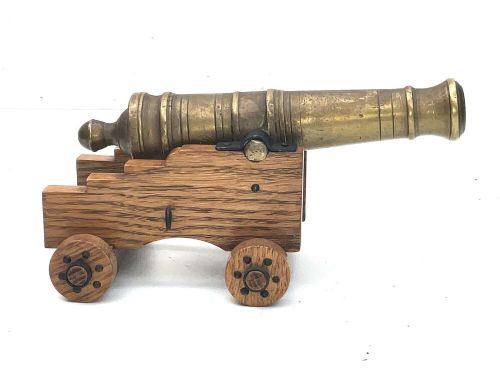
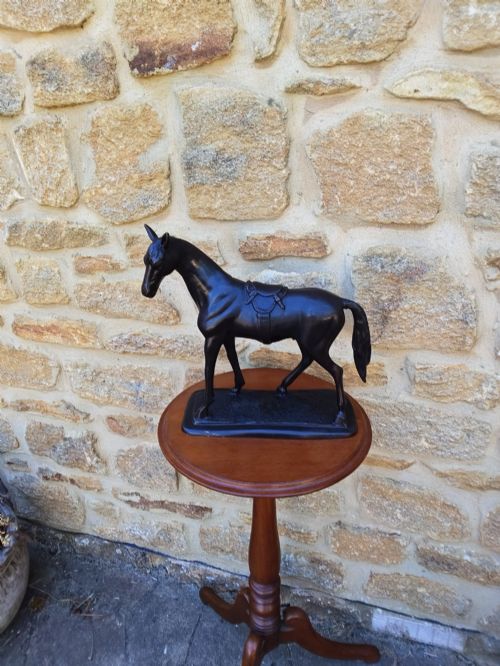
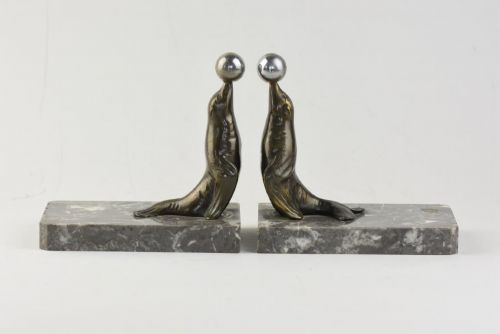
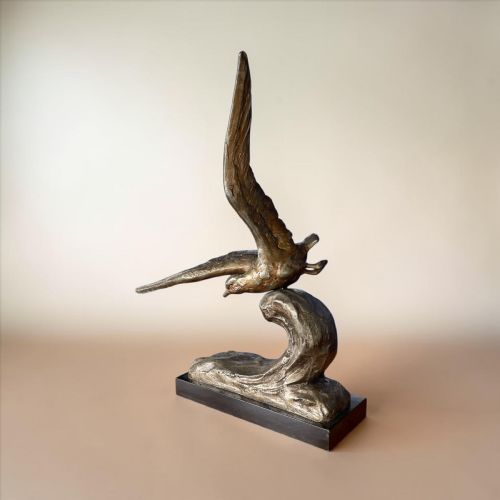
Maker workshops utilised durable metals such as bronze, brass, cast iron, and sterling silver alongside carved hardwoods like oak, maple, and bamboo. Animalier sculptures and heavy desk accessories were frequently cast in bronze or brass, sometimes mounted upon marble bases for stability.
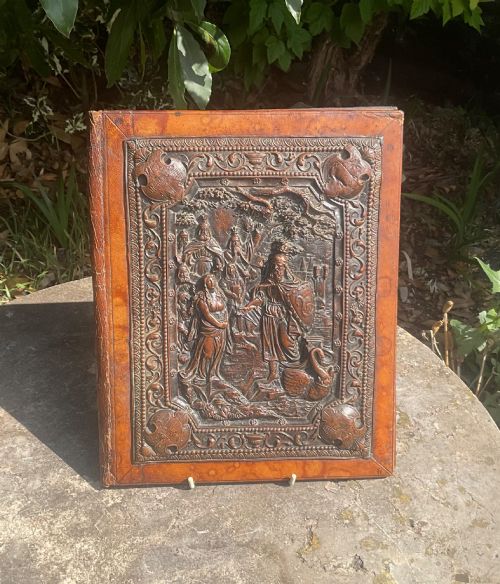
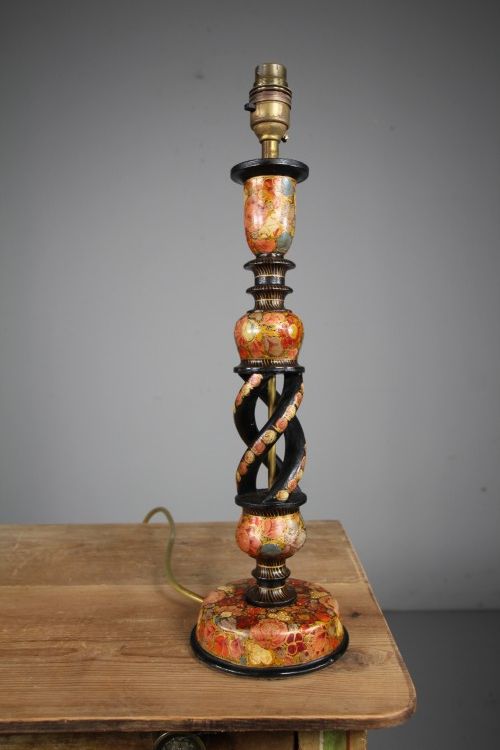
Organic materials like tortoiseshell, horn, and paper mache appear alongside blown Murano glass and carved Black Forest wood. Surface ornamentation involved gilding, hand-painting on faience, and detailed leather moulding by firms such as Liberty & Co.
Antique Desk Decor Retail Price Guide 2026
Typical asking prices for desk decor among the pieces listed under this phrase on Sellingantiques today, from the lower quarter to the upper quarter. They describe what is for sale here now, not the wider market.
A cast iron printers stamp weighs heavily enough to double as an eccentric paperweight for stubborn invoices.
Judging the quality of desk pieces
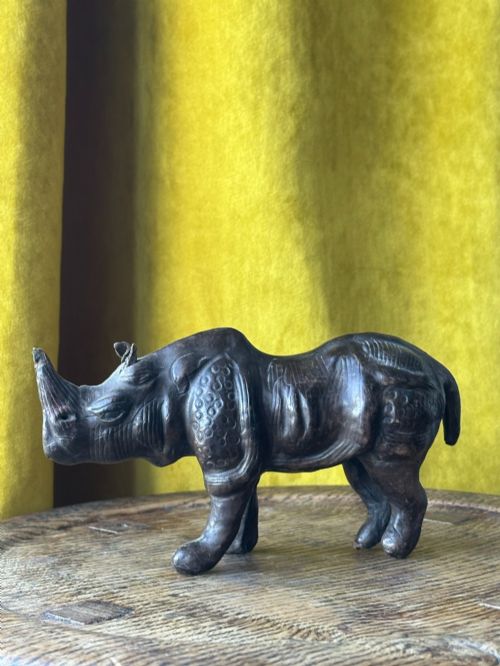
Quality rests upon the crispness of the casting in metalwork and the depth of the carving in wooden items like bookends and brush pots. Finer examples display deliberate attention to anatomical detail in animal figures or precision in scientific models such as table globes and barographs.
The integration of mixed media, such as bronze figures mounted to specific marble or olive wood bases, separates standard utilitarian objects from works of artistic ambition. Preservation of original patination and operational components, like extending book slides or inkwell lids, elevates an item's standing.
Hermes Paris·Wagner Lohengrin·Liberty Co·Short Mason·J Forest
The Antique Desk Decor Glossary
- Animalier
- A nineteenth-century artistic style focusing on realistic depictions of animals, frequently seen in bronze desk sculptures and bookends.
- Desk tidy
- A compartmentalised desk accessory designed to hold pens, stamps, and small stationery items in an organised arrangement.
- Faience
- Tinned-glazed earthenware, often associated with blue and white Dutch Delft desktop inkwell stands.
- Barograph
- A scientific instrument that records barometric pressure over time, housed in an oak or mahogany desk case.
- Grand Tour
- A cultural journey undertaken by nineteenth-century travellers, yielding decorative souvenirs such as marble obelisks and bronze horses.
Antique Desk Decor: Frequently Asked Questions
What items count as desk decor?
Desk decor comprises functional accessories and small sculptures used on writing furniture during the nineteenth and twentieth centuries. Examples range from inkwells and blotters to bookends, magnifying glasses, and paperweights.
These pieces combine utility with decorative craftsmanship, utilising materials like bronze, wood, glass, and marble to enhance the appearance of a study or office.
How were antique inkwells used?
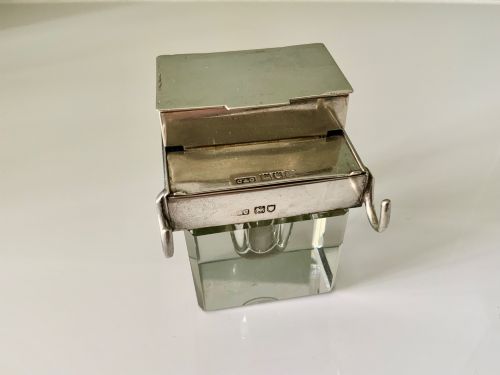
Antique inkwells held liquid ink for dip pens before the widespread adoption of fountain pens and ballpoint pens. They typically featured a lidded glass or ceramic insert set within a metal, stone, or wooden housing to prevent spills and evaporation.
Many examples include integrated pen trays or stamp compartments, making them central fixtures on historical writing desks.
How do I date desk accessories?
Dating relies on stylistic markers, such as Victorian ornamentation, Edwardian manufacturing techniques, or Art Deco geometric lines. Material choices and manufacturing marks also provide chronological clues.
Scientific instruments and desk sets often feature maker plaques or registration numbers that help narrow down their period of production.
Can I use antique bookends daily?
Antique bookends made from cast bronze, iron, carved wood, or marble remain structurally robust for supporting books on modern shelves or desks. Their solid weight is specifically engineered to hold volumes upright.
Care should be taken to protect felt or wooden bases from moisture and to clean delicate surfaces with appropriate dry methods.