





Antique Desk Brush
An antique desk brush or associated scholar's accessory brings functional historic craftsmanship to the working surface.
Antique Desk Brush
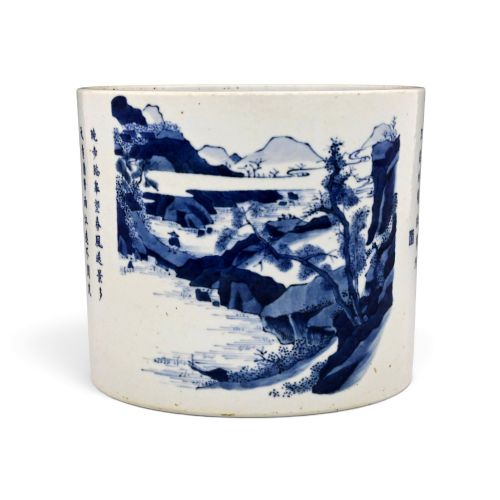
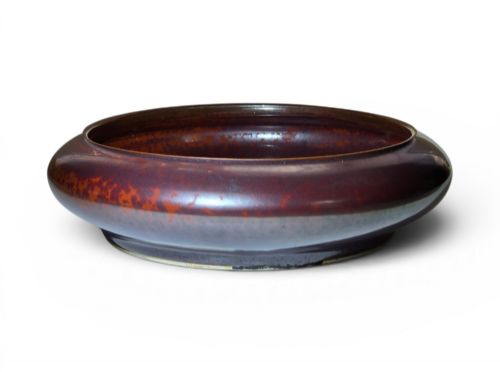
An antique desk brush sits within a broad category of scholar's accessories and writing implements originating primarily from Chinese and Japanese studio traditions, alongside Edwardian and Victorian British desk items. Buyers searching this phrase encounter vessels and utensils designed for the writing desk, including brush pots, washers, rests, and novelty desk articles.
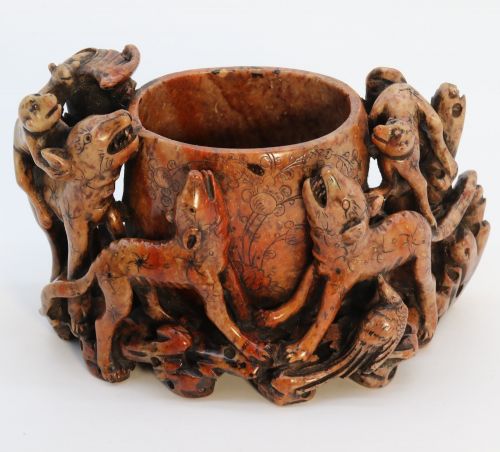
The objects span multiple centuries, reaching back to the seventeenth century and extending through the Qing Dynasty, the Japanese Meiji period, and the Edwardian era. Hardwood, porcelain, bamboo, and carved soapstone dominate the forms, reflecting both Asian scholarly traditions and European writing habits.
How they were made
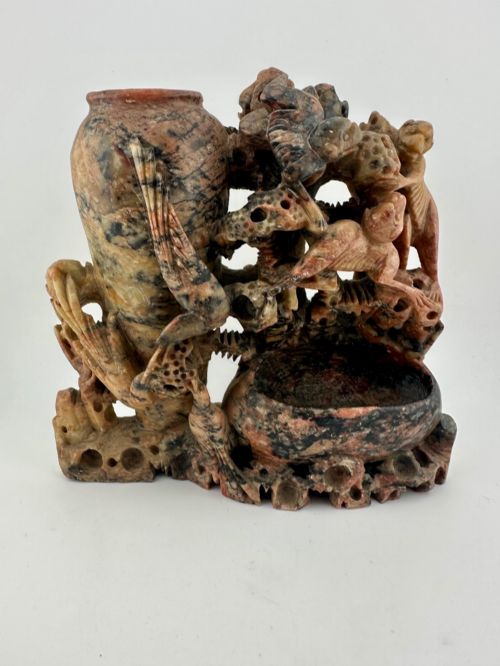
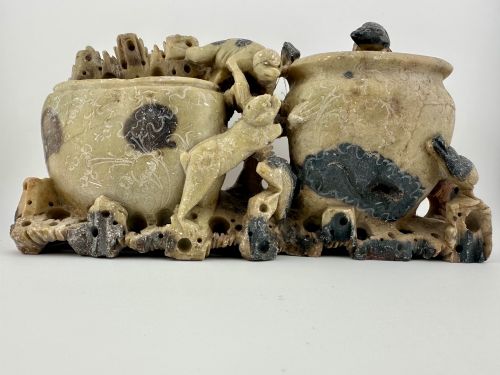
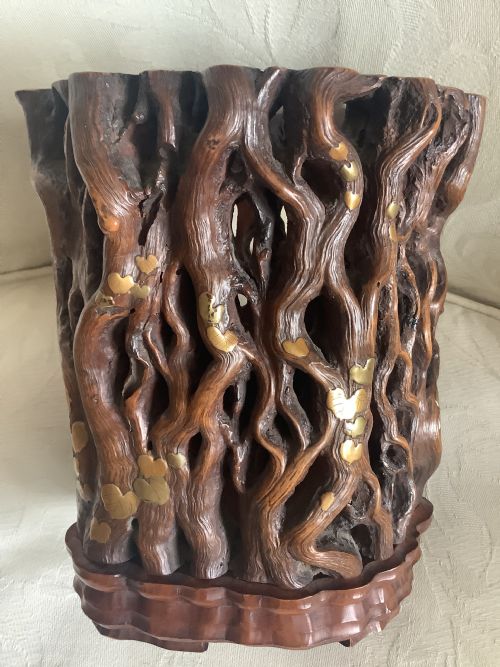
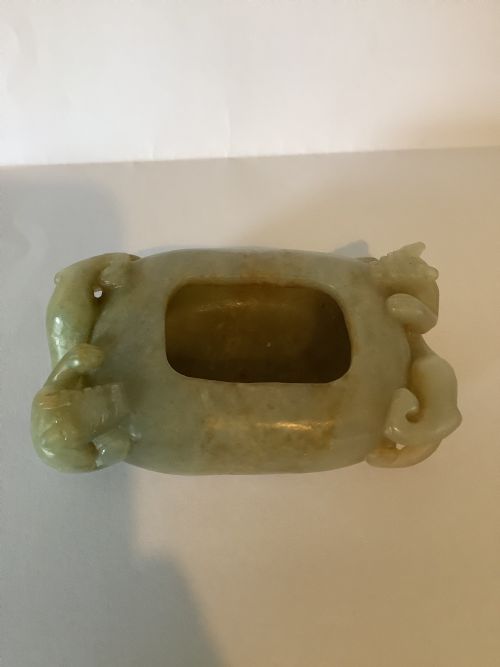
Carved organic and mineral materials form a significant portion of the items, utilising bamboo, hardwood, soapstone, jade, and buffalo horn shaped with hand tools to display natural grain and depth. Artisans manipulated these stubborn substances to create intricate landscape scenes, figures, and geometric textures.
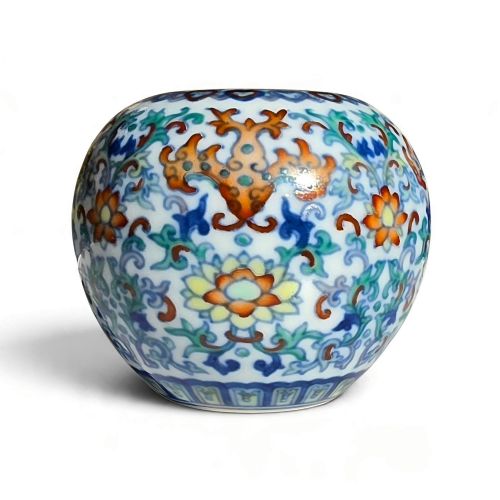
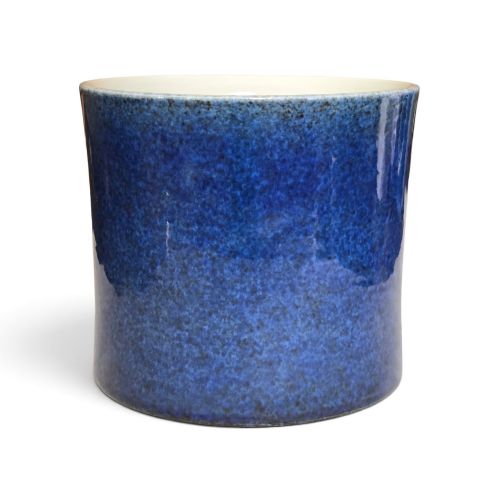
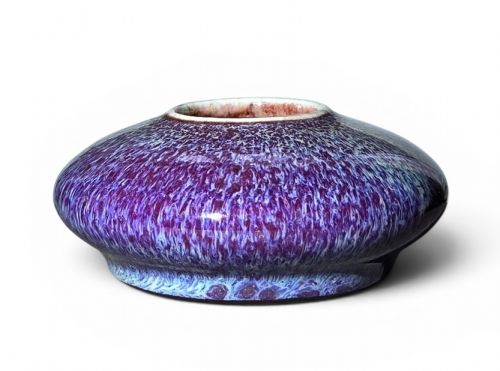
Ceramic pieces rely on controlled kiln firings to produce cobalt blue and white glazes, powder-blue surfaces, iron rust finishes, and famille rose enamels. Metalwork items incorporate cast bronze, silver mounts, and mixed metals to achieve durable desk accessories.
Antique Desk Brush Retail Price Guide 2026
Typical asking prices for desk brush among the pieces listed under this phrase on Sellingantiques today, from the lower quarter to the upper quarter. They describe what is for sale here now, not the wider market.
Listings feature items from the seventeenth century through to the Edwardian period, spanning porcelain, bamboo, hardwood, and silver.
What varies in quality
Depth of carving and clarity of detail separate standard utility items from exceptional scholar's objects. Superior pieces exhibit precise undercut work in bamboo and wood, or refined control of glaze and pigment on porcelain vessels.
The selection of raw material dictates the standing of the piece within its period. High-grade items display unblemished natural stone, well-seasoned hardwood free from major structural checking, or balanced porcelain potting without distortion.
Kōko
The Antique Desk Brush Glossary
- Bitong
- A cylindrical brush pot used in traditional Chinese scholar's studios to hold writing brushes upright.
- Brush washer
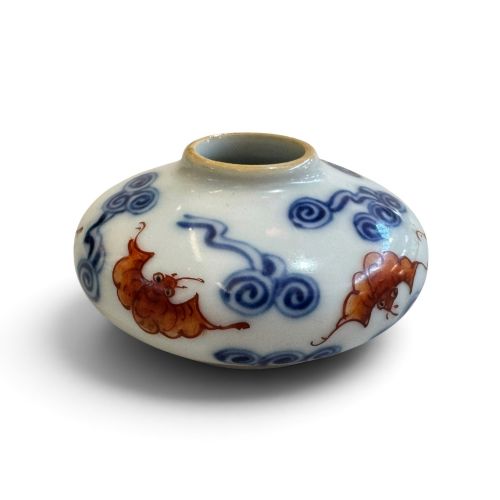
- A small ceramic or stone vessel filled with water to clean ink from brushes during calligraphy or painting.
- Meiji period
- The era in Japanese history spanning from 1868 to 1912, noted for intricate metalwork and ceramic production.
- Famille rose
- A palette of opaque enamel colours introduced to Chinese porcelain during the Qing dynasty, featuring prominent pink tones.
Antique Desk Brush: Frequently Asked Questions
What is a bitong?
A bitong is a cylindrical container traditionally used on scholar's desks in China to hold writing brushes.
These vessels appear in materials such as carved bamboo, porcelain, and hardwood.
How do I date Chinese brush pots?
Dating relies on stylistic markers, glaze types, and the character of the carved decoration.
Imperial periods like the Kangxi or Qianlong eras exhibit specific potting techniques and pigment qualities.
Where were Japanese Meiji items made?
Meiji period items were produced in Japanese workshops during the late nineteenth and early twentieth centuries.
These pieces frequently combine bronze, mixed metals, or distinct pottery styles.