





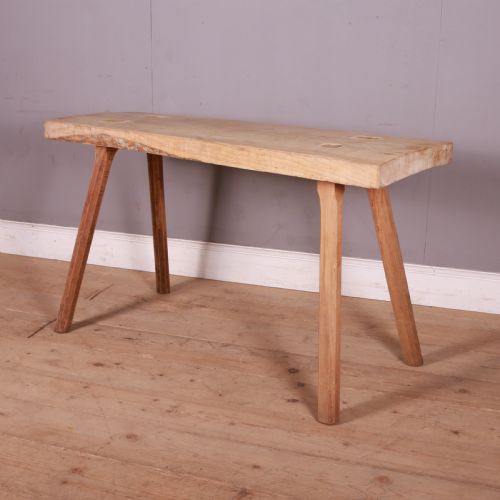

Antique Desk and Bench
These antique desk and bench pieces bring working heritage and robust utility straight into modern interiors.
Antique Desk and Bench
Buyers seeking an antique desk and bench encounter a diverse selection of utilitarian forms spanning the nineteenth and early twentieth centuries. These pieces originate from distinct contexts, ranging from schoolrooms and French laundries to jewellers' workshops and watchmakers' benches.
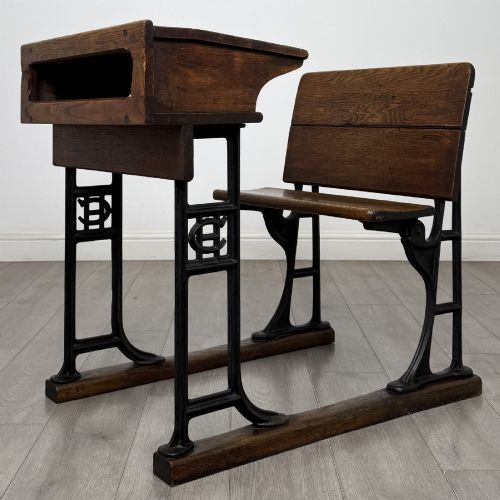
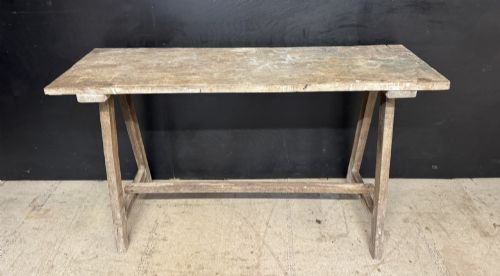
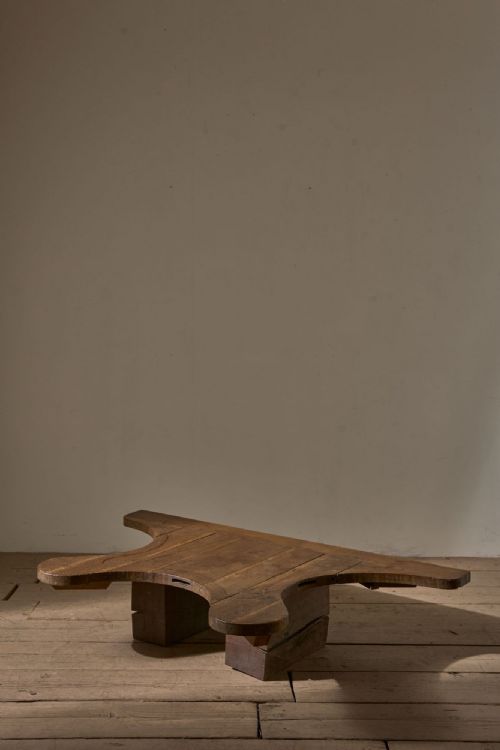
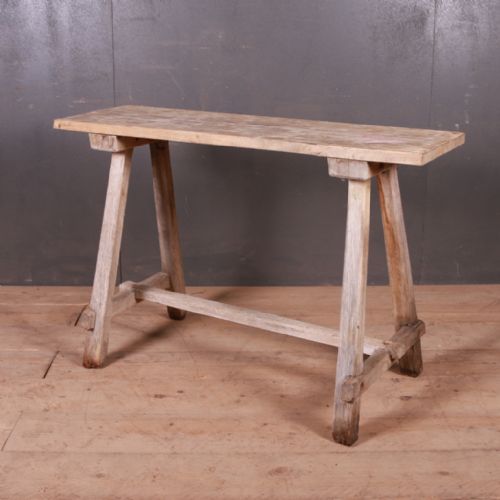
The assortment includes specialised items such as French pine cobblers' benches, early twentieth-century school desks with cast iron frames, and heavy foundry tables. Alongside these, various trestle and work tables represent the sturdy character typical of these functional furnishings.
Materials and construction
Constructed predominantly from practical timbers such as pine, oak, elm, fruitwood, and sycamore, these items rely on durable hardwoods and softwoods suited for daily labour. Many examples incorporate robust cast iron supports, particularly in industrial and school contexts.
Surfaces frequently show the honest patination of sustained use, sometimes retaining traces of early paint, green distressing, or inkwells integrated directly into the timber. Joinery reflects the straightforward demands of work furniture, prioritizing stability and strength.
Antique Desk and Bench Retail Price Guide 2026
Typical asking prices for desk and bench among the pieces listed under this phrase on Sellingantiques today, from the lower quarter to the upper quarter. They describe what is for sale here now, not the wider market.
Listings feature items built from pine, oak, elm, fruitwood, and sycamore, alongside cast iron and painted timber finishes.
Assessing quality and character
Quality in these working pieces rests upon the integrity of the original materials and the extent of honest wear accumulated over decades of service. Fine grain configuration in hardwoods like oak and elm elevates certain examples above simpler utility grades.
The retention of original working components, such as cast iron inkwell fittings, integrated trays, or authentic painted surfaces, distinguishes superior survivals. The balance between industrial utility and domestic scale determines how effectively these forms integrate into contemporary spaces.
The Antique Desk and Bench Glossary
- Cobbler's bench
- A specialised low seat and work surface used by shoemakers to hold tools, leather, and lasts. These pieces typically feature partitioned compartments and low wooden seats.
- Trestle table
- A table comprising a horizontal top supported by two or more trestles, often featuring stretcher bars for added rigidity. This form allows maximum legroom and easy dismantling.
- Prie-Dieu
- A devotional prayer desk or chair designed for kneeling during private worship, often featuring a sloped upper shelf and an upholstered or padded lower rail.
- Foundry table
- A heavy, industrial work table constructed with thick timber tops and substantial iron frames designed to withstand intense manufacturing environments.
- Sycamore
- A dense hardwood often utilised in European tables for its smooth pale grain and resistance to splitting under heavy daily use.
Antique Desk and Bench: Frequently Asked Questions
How do I date a school desk?
Dating a school desk involves examining the combination of timber and structural metal components. Early twentieth-century examples frequently pair solid wood tops with heavy cast iron frames and integrated inkwells.
Makers incorporated functional adjustments and durable iron brackets to withstand rigorous classroom environments, providing clear clues to their manufacturing era.
Are work tables suitable for dining?
Many work tables and trestle tables adapt well to dining use due to their generous proportions and stable construction. Pieces originating from French laundries or English workshops offer ample surface area and robust framing.
The distressed paint and seasoned wooden planks introduce a relaxed, informal aesthetic suited to everyday family meals.
How do I care for painted pine?
Painted pine surfaces require gentle cleaning with a soft, dry cloth to preserve the historic finish and any original distressed layers. Avoid harsh chemical cleaners that might strip the aged patina.
Maintaining moderate humidity levels in the room helps protect the underlying softwood from excessive drying or movement over time.