

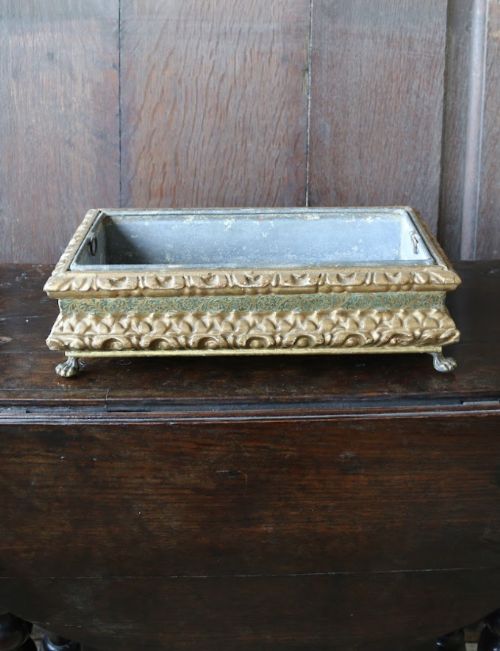


Antique Decorative Wood Casket
An antique decorative wood casket is a small, ornate container meant for keepsakes, jewellery, or letters, combining fine cabinetmaking with utilitarian storage.
Antique Decorative Wood Casket
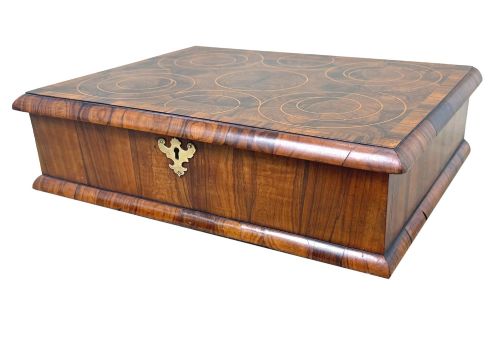
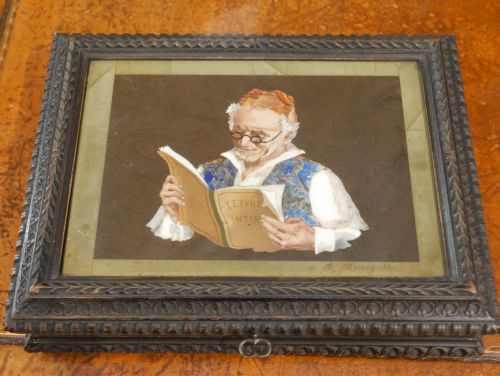
An antique decorative wood casket takes many forms across this selection, including stationery boxes, jewellery cases, and lace boxes. You meet Victorian and nineteenth-century examples most frequently, alongside earlier seventeenth-century pieces and later Edwardian variations.
These containers serve specific domestic uses, from holding gloves and writing implements to storing trinkets and collector specimens. The geographic origins span English workshops, French makers, Italian carvers, and Anglo-Indian or Chinese ateliers.
Materials and Construction
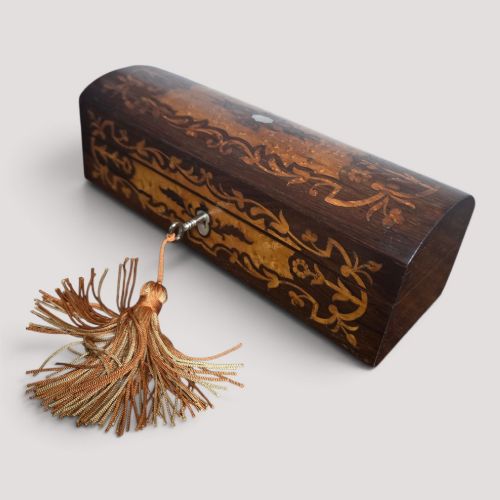
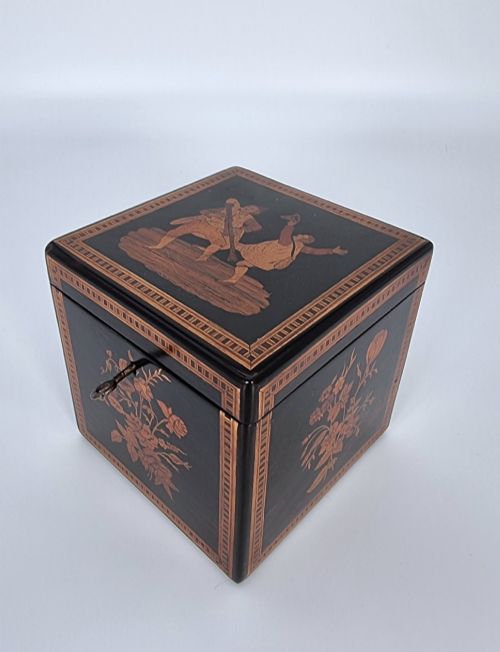
Cabinetmakers utilise dense timbers like walnut, rosewood, coromandel, and amboyna, often applied as veneers or burrs over a secondary wood structure. Many pieces incorporate elaborate parquetry, marquetry, or Tunbridge ware mosaic work to pattern the exterior surfaces.
Mounts and hardware in brass provide structural reinforcement and decorative contrast, while specialised techniques involve mother of pearl inlay, penwork, or detailed carving in boxwood and fruitwood.
Antique Decorative Wood Casket Retail Price Guide 2026
Typical asking prices for decorative wood casket among the pieces listed under this phrase on Sellingantiques today, from the lower quarter to the upper quarter. They describe what is for sale here now, not the wider market.
An Indian tortoise made of wood managed to find its way into the nineteenth-century box lineup.
Craftsmanship and Detail
Internal fittings also separate the ranges, where fitted trays, velvet linings, and original brass locks or key escutcheons remain intact and fully operational.
C.G. Hope Hastings
The Antique Decorative Wood Casket Glossary
- Tunbridge Ware
- A form of decorative woodwork produced in Kent featuring intricate mosaic patterns made from tiny wood prisms. These designs create pictorial or geometric scenes without the use of paint.
- Coromandel
- A dense, heavy timber native to Asia, prized for its dark brown colour and dramatic black striping. Cabinetmakers selected it for high-end nineteenth-century Victorian boxes.
- Marquetry
- The art of applying thin veneers of different woods to a structure to form decorative patterns or pictures. Craftsmen cut the pieces to fit precisely together before gluing them down.
- Pietra Dura
- An inlay technique utilising cut and fitted polished coloured stones to create images on a wooden or marble base. It appears on select nineteenth-century stationery boxes.
Antique Decorative Wood Casket: Frequently Asked Questions
What were antique wood caskets used for?
These caskets served to secure precious personal items such as letters, gloves, lace, and jewellery. Wealthy households placed them on desks, dressing tables, or sideboards.
Their sturdy construction and lockable lids ensured that valuables remained protected from dust and pilfering. Over time, they evolved from purely functional storage into decorative objects that displayed the owner's taste and status.
How do I identify a Victorian box?
Victorian boxes often feature characteristic timbers like coromandel and burr walnut, alongside specific decorative techniques such as Tunbridge ware or brass banding. Examining the interior linings and paper finishes also helps narrow down the period.
Construction details, including machine-sawn elements mixed with hand dovetailing, point toward the industrial expansion of the nineteenth century. Makers frequently incorporated velvet trays and manufacturer plaques during this era.
Are these boxes fragile?
While built from durable hardwoods, antique caskets require sensible handling due to their age and delicate decorative veneers. Extreme shifts in humidity can cause wood to warp or small mosaic tiles to loosen.
Keeping them away from direct sunlight and heat sources preserves the polish and prevents the timber from splitting. Regular gentle dusting is usually sufficient for ongoing maintenance.
How do I distinguish regional styles?
Regional styles reveal themselves through distinct carving traditions and native wood choices, such as Black Forest Linden wood or Anglo-Indian ebony. French pieces often display softer fruitwood frames and delicate painted panels.
Examining the motif choices - such as Chinese hardwood carving or English penwork - provides clear clues to the workshop's geographic origin. Each region applied its own distinct decorative vocabulary to the basic box form.