






Antique Decorative Tapestry
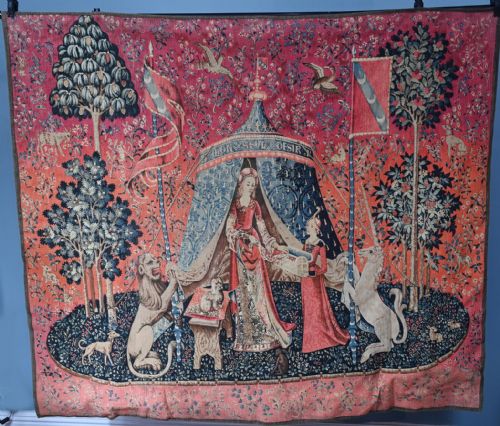
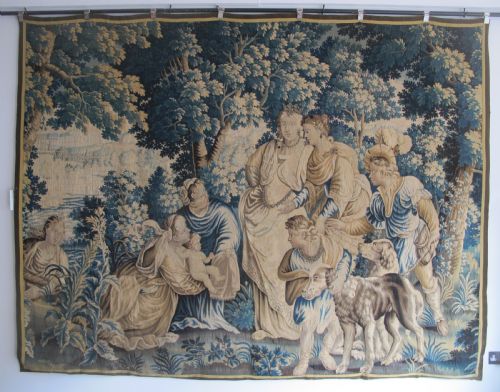
An antique decorative tapestry brings rich texture and historic narrative to a room, offering woven wool, silk and needlework artistry from centuries past.
Antique Decorative Tapestry
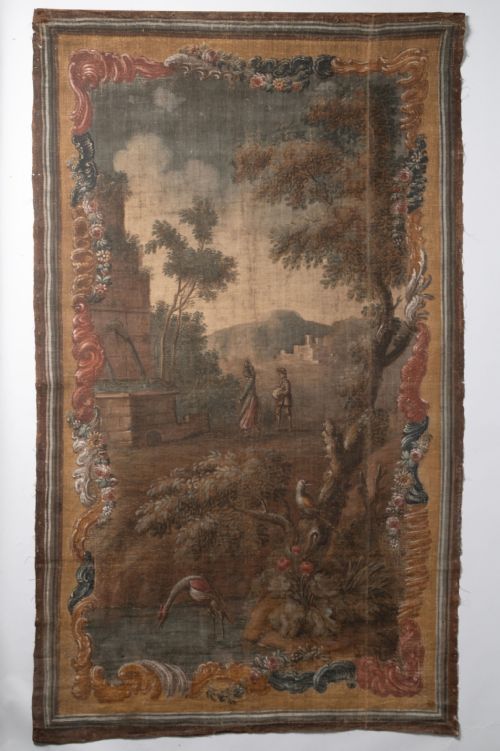
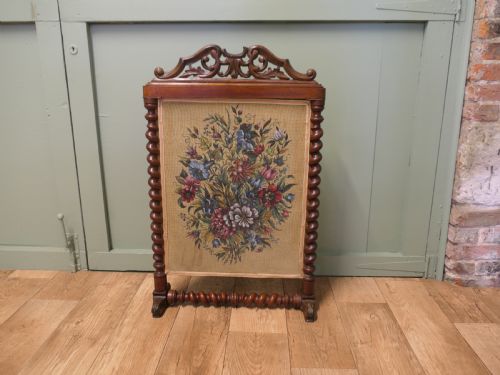
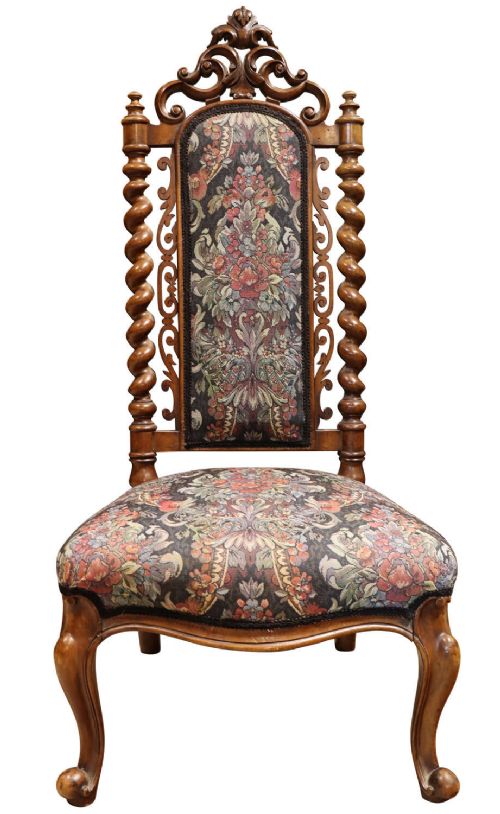
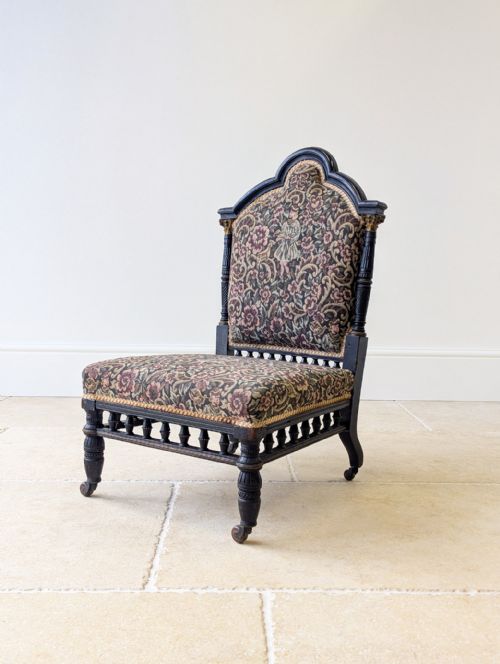
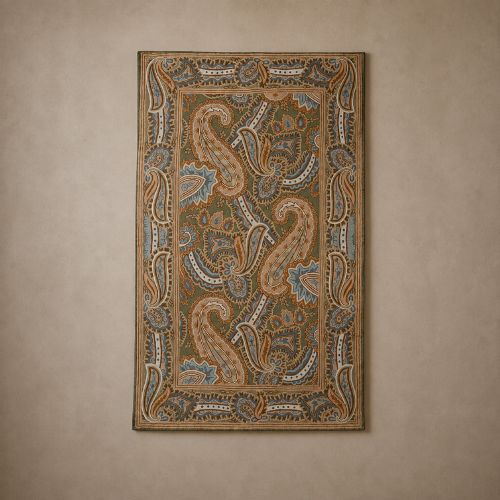
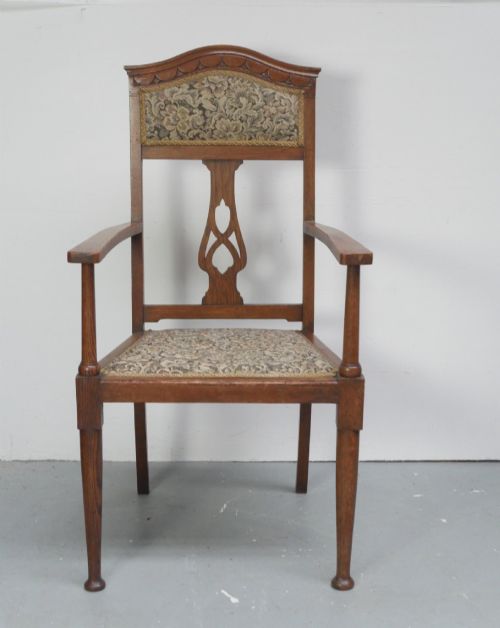
When you search for an antique decorative tapestry, you encounter a diverse range of textiles and furnishings designed to adorn walls, floors and seating. The selection spans grand wall hangings and entre-fenetres alongside smaller domestic items such as fire screens, cushions, stools and chairs featuring needlepoint or woven covers.
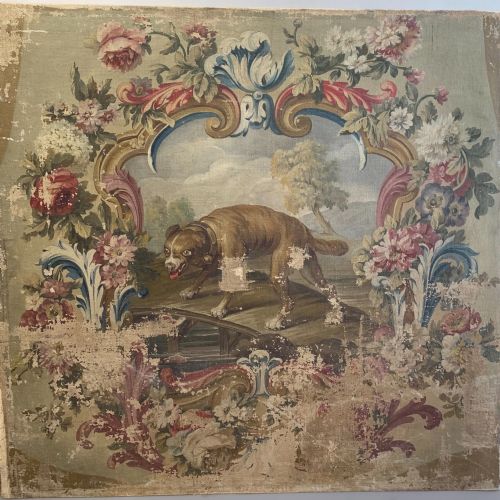
The pieces originating from French workshops, notably Aubusson, represent the classic woven wall coverings and cushion covers often found in this category. Alongside these European examples, the selection extends to Central Asian Suzanis, Bessarabian kilims and Turkmen tribal weavings, reflecting a broad geographic spread.
Dating ranges from the seventeenth century through the Victorian era and into the early twentieth century. Buyers are likely to meet nineteenth-century French screens and cushions alongside earlier woven panels and later regional embroideries.
How they were made
Makers utilised natural fibres including wool, silk, cotton and linen, frequently combining them with metal threads to create depth and light within the woven or embroidered designs. Canvas served as a sturdy foundation for many needlework covers and chair upholstery pieces.
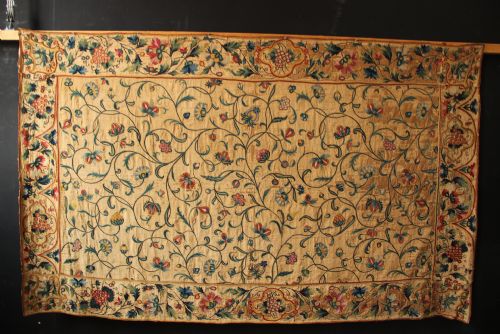
Techniques varied from traditional loom weaving used for Aubusson panels and kilims to intricate hand embroidery found in crewelwork panels and Uzbek Suzanis. Wooden frames in walnut, oak, ebonised wood or rosewood provided structural support for fire screens and chairs mounted with textile panels.
Antique Decorative Tapestry Retail Price Guide 2026
Typical asking prices for decorative tapestry among the pieces listed under this phrase on Sellingantiques today, from the lower quarter to the upper quarter. They describe what is for sale here now, not the wider market.
Materials span wool, silk, cotton, brass, linen and canvas, frequently mounted within walnut or ebonised wooden frames.
What varies in quality
The intricacy of the design and the fineness of the stitchwork or weave largely determine the standing of an individual textile. Pieces executed with tight, precise wool and silk threadwork demonstrate superior execution compared to simpler, coarser variants.
The integrity of the fibres and the preservation of the original dyes heavily influence a piece's character. Items retaining rich natural hues and sturdy fabric structures command greater appreciation than those with significant fibre loss or faded palettes.
Thomas Webb
The Antique Decorative Tapestry Glossary
- Aubusson tapestry
- A woven wall hanging or furnishing textile produced in the French town of Aubusson, renowned for pastoral and figurative scenes.
- Suzani
- An embroidered tribal textile originating from Uzbekistan, typically featuring bold floral patterns worked in silk on a cotton or linen ground.
- Kilim
- A flatwoven carpet or rug produced across Central Asia and Eastern Europe, such as Bessarabia, utilising slit-weave techniques.
- Crewelwork
- A type of embroidery utilising wool yarn to create elaborate trailing floral and foliate designs on linen or canvas.
- Entre-fenetre
- A tall, narrow tapestry designed specifically to hang on the wall space between two windows.
Antique Decorative Tapestry: Frequently Asked Questions
How do I hang a heavy tapestry?
Large woven wall hangings require even weight distribution to prevent distortion of the textile fibres over time. A professional conservator typically attaches a supportive linen backing and a sturdy hanging sleeve along the top edge.
For mounting, slide a flat metal bar or wooden batten through the sleeve to secure the piece evenly to the wall studs. Avoid hanging heavy textiles directly from isolated rings or pins, which place undue stress on the ancient weave.
Where were Aubusson tapestries made?
Aubusson tapestries originated in the central French town of Aubusson, where weaving workshops flourished from the medieval period onward. These ateliers produced both large wall panels and smaller furnishings like cushion covers.
Designers often drew inspiration from pastoral landscapes, mythological narratives and floral motifs, translating them into complex warp-and-weft compositions.
How do I care for antique needlework?
Protect antique needlework and tapestries by keeping them out of direct sunlight, which causes natural wool and silk threads to fade and degrade. Gentle surface dusting with a soft brush helps maintain the fabric without disturbing fragile stitches.
Avoid aggressive cleaning methods and consult a textile conservator if deeper intervention becomes necessary to preserve the material structure.
What is the difference between a kilim and a Suzani?
A kilim is a flatwoven textile created on a loom without a pile, commonly associated with geometric patterns from regions like Bessarabia. These pieces function primarily as rugs or floor coverings.
In contrast, a Suzani is a hand-embroidered panel from Central Asia, such as Uzbekistan, featuring bold floral motifs stitched onto a foundation cloth.