



Antique Decorative Tableware
These pieces of antique decorative tableware bring historic ceramic and metalwork into daily dining, offering patterned porcelain, moulded ironstone, and gleaming silver.
Antique Decorative Tableware
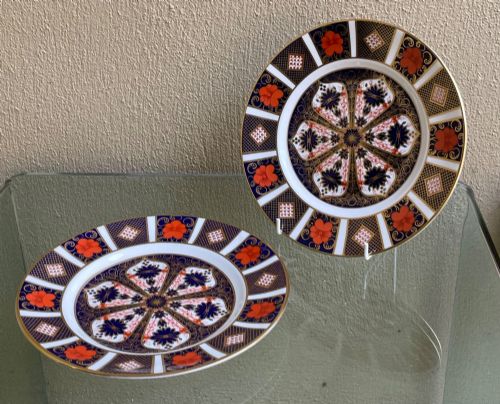
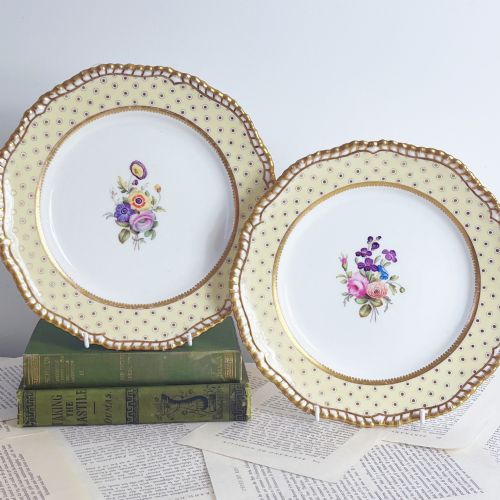
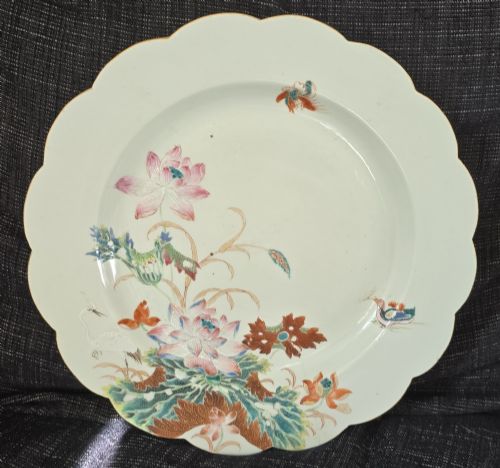
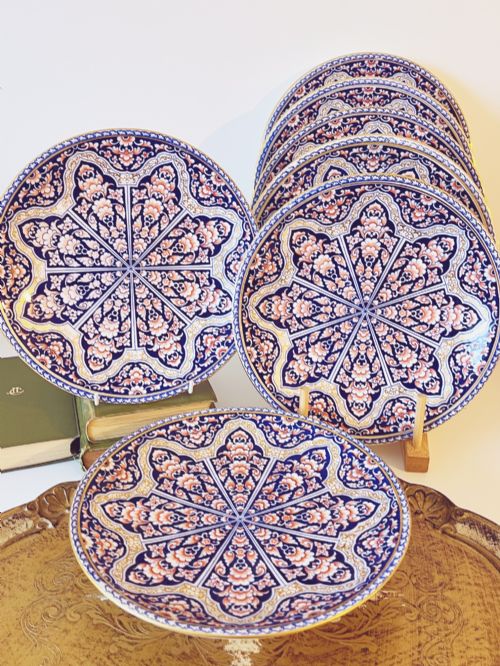
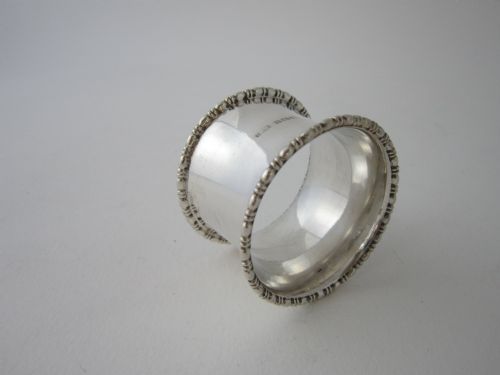
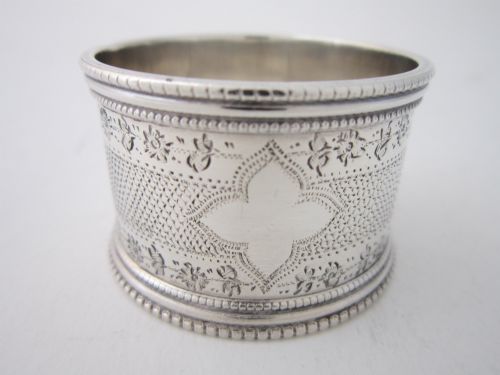
Antique decorative tableware spans serving dishes, dinner services, dessert plates, and specialist items designed to adorn the table across several centuries. Buyers encounter anything from single Chinese export porcelain dishes and Mason's ironstone tureens to complete Royal Crown Derby dessert services and individual sterling silver napkin rings. The selection draws on English potteries, European factories, and Japanese Imari traditions, ranging from Georgian blue and white transfer ware to Victorian majolica and Edwardian painted pieces.
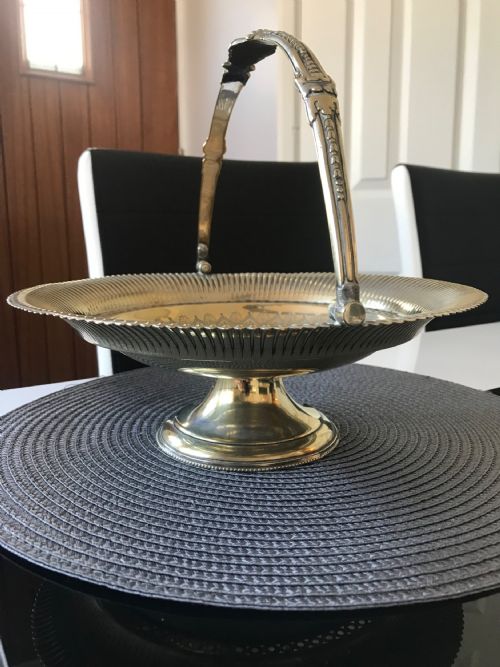
The forms serve both functional and ornamental roles, including butter dishes, cheese dishes, gravy-well meat platters, and fruit baskets with loop handles. Many items survive as matched pairs or sets, while others stand alone as singular decorative plates or bowls. The periods represented stretch from the eighteenth century through the nineteenth century and into the early twentieth century, reflecting shifting tastes in dining rituals.
Materials and methods of production
Ceramic bodies utilise porcelain, ironstone, faience, and stoneware, shaped by hand or moulded before receiving hand-painted glazes, transfer printing, or enamel work. Factories such as Meissen, Royal Crown Derby, and Mason's applied techniques ranging from delicate overglaze enamel painting to rich cobalt blue transfer printing under the glaze.
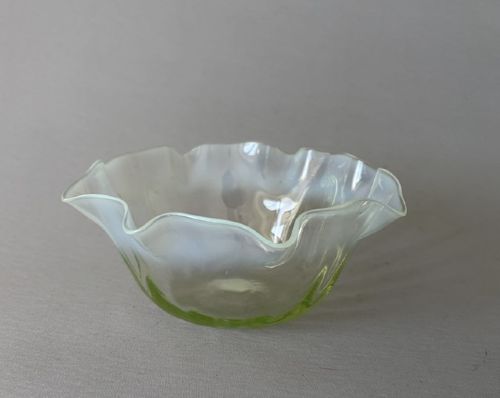
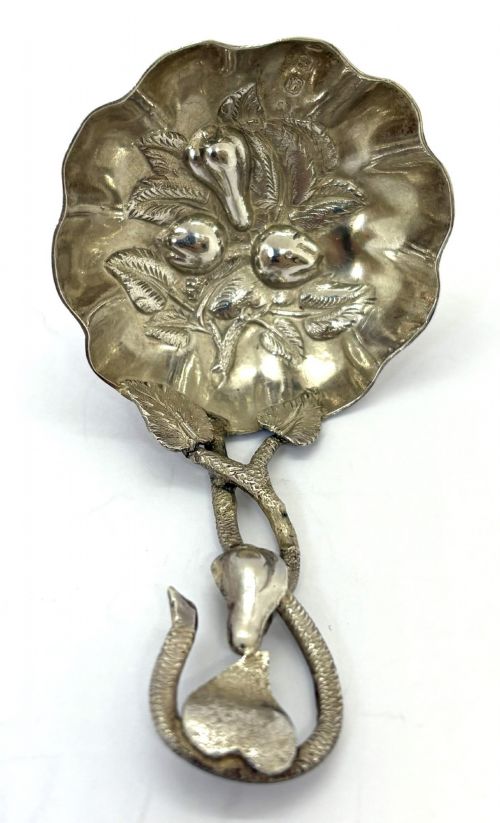
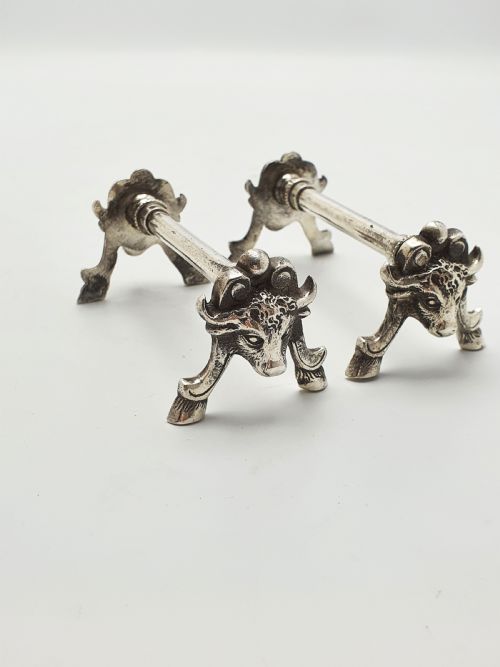
Metal items employ sterling silver, silver plate, brass, and gold leaf, often involving casting, hammering, or piercing. Silverware frequently incorporates maker marks and date letters, while glassware pieces such as cranberry glass, opaline glass, and vaseline glass rely on specialised mineral colouring during the melting process.
Antique Decorative Tableware Retail Price Guide 2026
Typical asking prices for decorative tableware among the pieces listed under this phrase on Sellingantiques today, from the lower quarter to the upper quarter. They describe what is for sale here now, not the wider market.
Materials represented include sterling silver, silver plate, ironstone, earthenware, porcelain, and multiple varieties of coloured Victorian glass.
Distinctions in quality and execution
Quality rests upon the crispness of the modelling, the precision of the hand-painting or transfer print, and the depth of the glaze or metalwork. Superior pieces display sharply defined relief, controlled brushwork without smudging, and well-balanced proportions in complex forms such as tureens or handled baskets.
The reputation of the maker and the preservation of original gilding or enamel colours further separate standard production from exceptional examples. Items carrying clear factory marks or attributed to notable designers command greater attention through their superior material execution and artistic ambition.
Whitefriars·Royal Crown Derby·Spode·Elkington & Co·Veuve Perrin·Doulton Lambeth·Meissen·William Adams
The Antique Decorative Tableware Glossary
- Ironstone
- A patented ceramic body developed in the nineteenth century that mimics porcelain through its dense, durable vitreous composition.
- Imari
- A decorative style originating in Japan featuring rich cobalt blue and iron red highlights, widely imitated by European factories.
- Transfer print
- A method of applying detailed patterns to ceramics by engraving a copper plate and transferring the ink via tissue paper.
- Majolica
- A colourful, lead-glazed earthenware characterised by moulded relief decoration and vibrant opaque mineral colours, popular during the Victorian era.
- Comport
- A raised dish or bowl placed centrally on a table for serving fruit or small sweetmeats during dessert courses.
Antique Decorative Tableware: Frequently Asked Questions
What is antique decorative tableware?
Antique decorative tableware encompasses historical dining items made from ceramic, porcelain, silver, and glass that served functional roles at the dining table while displaying ornamental artistic qualities. These pieces include plates, tureens, bowls, and serving implements produced by European and Asian makers.
Such items reflect the dining customs and interior aesthetics of periods spanning from the eighteenth century to the early twentieth century. Collectors acquire them for display, table use, or historical study.
How do I care for antique ceramic tableware?
Antique ceramics require gentle hand washing in lukewarm water with mild soap rather than mechanical dishwashing, which can damage old glazes and delicate overglaze enamels. Rapid temperature changes should be avoided to prevent thermal shock and hairline cracking in the ceramic body.
Silver and metal components need appropriate metal cleaning solutions applied sparingly to preserve hallmarks and surface patination. Storing pieces with adequate spacing prevents chipping on fragile rims and handles.
How can I identify the age of porcelain?
Age is determined by examining factory backstamps, hand-painted pattern numbers, glaze characteristics, and the wear patterns on the base of the piece. Different potteries utilised specific impressed marks, painted monograms, or date ciphers across successive decades.
The style of decoration, the weight of the ceramic paste, and the composition of the footrim also provide reliable indicators of manufacturing period.
Were these items meant for daily use?
Many items, such as ironstone dinner services and transfer-printed plates, were produced for regular household dining and robust daily service. Finer porcelain dessert sets and decorative silver bowls were typically reserved for formal occasions and entertaining guests.
Over time, changing dining habits transformed many functional dining wares into purely decorative display pieces collected for their artistry.