


Antique Decorative Spheres
Antique decorative spheres bring weight and curiosity to a room, offering tactile forms shaped from glass, brass, marble, and bronze.
Antique Decorative Spheres
When you search for antique decorative spheres, you encounter a varied assembly of items grouped by their spherical or rounded forms. These pieces include globes, paperweights, witch balls, and sculptures.
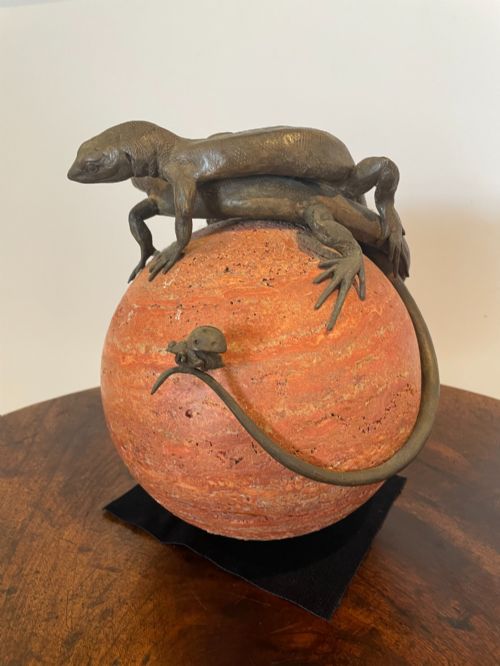
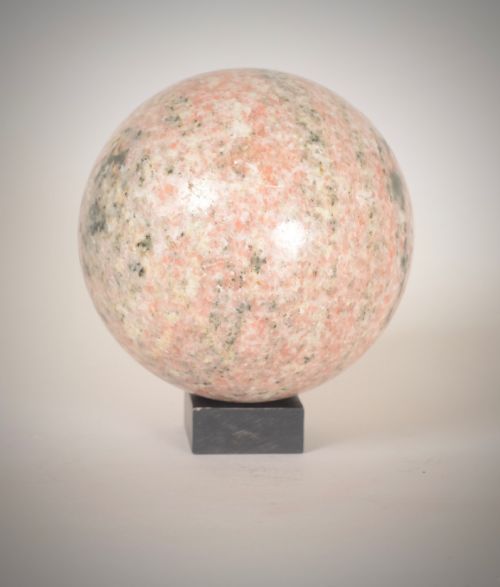
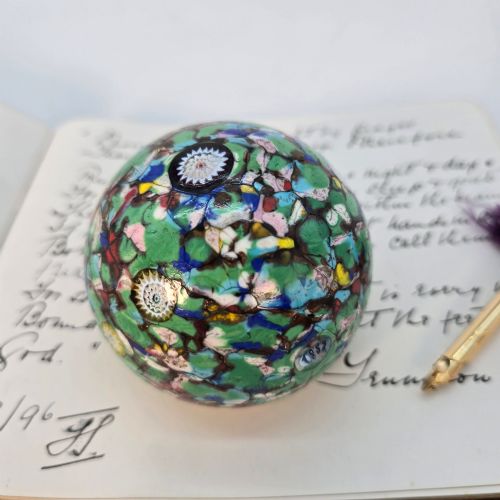
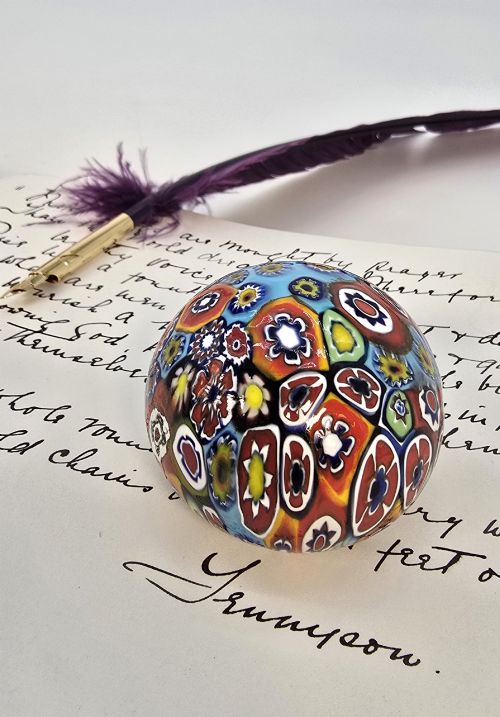
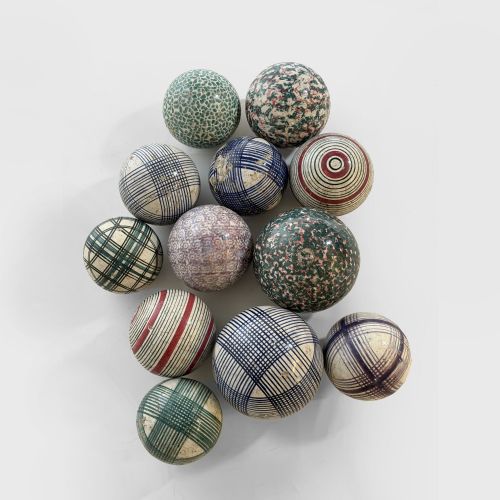
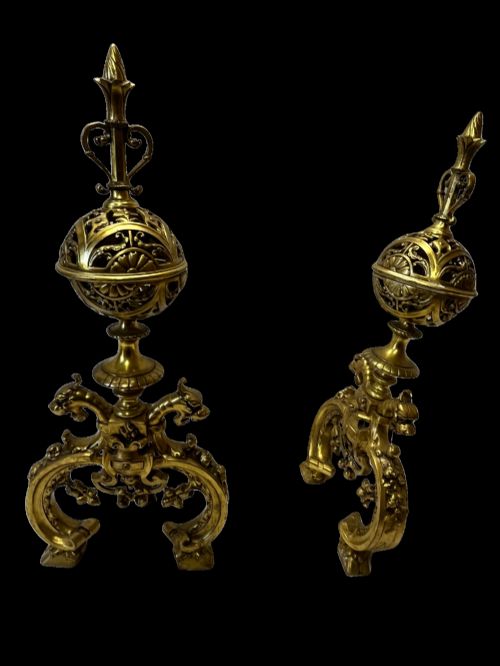
The selection ranges from Victorian potichomania glass and Edwardian terrestrial world globes to 1930s floor standing globes and Murano glass paperweights. You also find Scottish carpet bowls and French fire dogs.
Most examples originate from the nineteenth and early twentieth centuries, capturing the craftsmanship and aesthetic shifts of the Victorian, Edwardian, and Art Deco periods.
How they were made
Makers utilised traditional materials such as glass, bronze, brass, and earthenware, often shaping them with meticulous hand techniques. Glass items involve intricate techniques like millefiori and potichomania.
Metal pieces rely on casting and sculpting methods, seen in bronze animalier and brass fittings. Wooden and paper elements appear in terrestrial globes and mahogany components.
Materials represented across the collection include glass, brass, paper, marble, mahogany, bronze, Murano glass, and earthenware.
What varies in quality
Quality rests in the precision of the form and the integrity of the materials, whether dealing with blown glass or cast bronze. Finer examples display superior surface detail and sophisticated decoration.
Condition and originality dictate distinction, separating standard production pieces from those retaining their original mounts, pigments, and finishes.
The Antique Decorative Spheres Glossary
- Millefiori
- A glasswork technique producing distinctive multicoloured mosaic patterns. It appears frequently in nineteenth and early twentieth century paperweights.
- Potichomania
- The nineteenth-century art of decorating glass vessels from the inside to imitate Chinese porcelain. Victorian practitioners applied printed paper cutouts.
- Animalier
- A nineteenth-century sculptural style focusing on the realistic portrayal of animals. Bronze is the typical medium for these figures.
- Witch Ball
- A spherical glass vessel historically hung in windows to ward off evil spirits. Victorian examples often feature bright internal colours and reflective surfaces.
- Carpet Bowls
- Spherical balls made of ceramic or glass used in indoor lawn bowls. Scottish examples often display varied colour patterns.
Antique Decorative Spheres: Frequently Asked Questions
How were old globes used?
Terrestrial floor standing globes acted as both educational instruments and grand decorative fixtures in libraries and studies.
They allowed users to reference geographical data while adding substantial presence to a room's interior design.
How do I date glass paperweights?
Dating relies on identifying specific manufacturing techniques, such as millefiori patterns or potichomania, alongside stylistic markers from periods like the Edwardian era or the 1930s.
Examining the pontil mark on the base also provides clues regarding the age and method of creation.
Where should I place a witch ball?
Historically, witch balls hung near windows or entryways to catch light and intercept negative energy.
In modern interiors, they work well on stands or in bright spots where light can pass through the coloured glass.