





Antique Decorative Pillow
These antique decorative pillow options bring tactile history into a room, offering genuine period textiles and carved supports that transform an interior.
Antique Decorative Pillow
When you search for an antique decorative pillow, you encounter a remarkably varied selection of historic cushions, headrests, and converted tribal bags drawn from diverse cultural traditions. The items range from French woven tapestries and silk works to tribal flatweaves and carved Chinese bamboo structures.
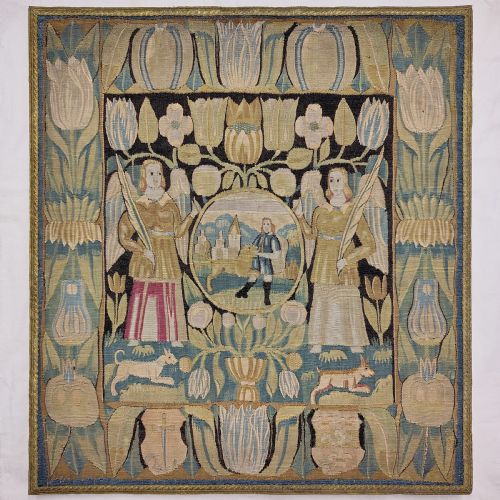
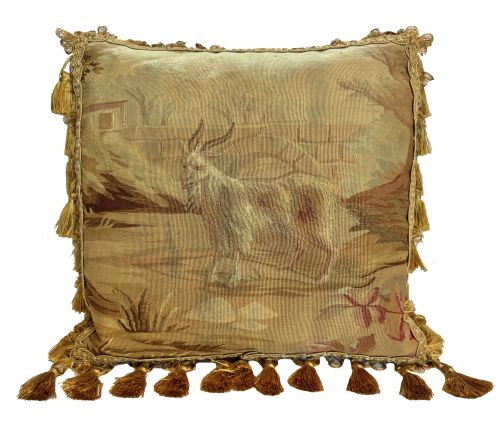
You are most likely to meet French Aubusson cushion covers and various tribal kilim cushions on this page, alongside occasional 17th century tapestry panels. These textile items preserve historical weaving techniques and decorative arts within domestic accessories.
The objects cross several centuries, stretching from seventeenth-century Jacobean pieces through nineteenth-century French chateau and rural examples to Asian regional forms. Each version reflects the specific material culture and functional textile traditions of its origin.
How they were made
The construction of these items relies on traditional textile arts utilising wool, silk, cotton, and linen, often enriched with natural dyes and elaborate passementerie trim. Artisans employed complex weaving, embroidery, and tapestry methods to build durable, highly ornamental surfaces.
Certain pieces incorporate rigid natural materials, utilising carved bamboo and lacquer work to form structural headrests rather than soft cushions. Tribal examples integrate flatweave techniques like kilim construction alongside sturdy backing materials for functional longevity.
Antique Decorative Pillow Retail Price Guide 2026
Typical asking prices for decorative pillow among the pieces listed under this phrase on Sellingantiques today, from the lower quarter to the upper quarter. They describe what is for sale here now, not the wider market.
The inventory combines European French styles such as Aubusson with Asian regional pieces and Anatolian, Turkmen, and Persian tribal flatweaves.
What varies in quality
Quality in these textiles depends on the fineness of the weave, the complexity of the design, and the survival of natural dye colours over time. Aubusson pieces and tribal bag faces show distinction through the precision of their pictorial or geometric execution.
Structural integrity separates ordinary examples from superior ones, particularly in how well historic tapestries, silks, and wool flatweaves retain their original integrity without excessive restoration. The artistic sophistication of the composition ultimately dictates the standing of each piece.
The Antique Decorative Pillow Glossary
- Aubusson
- A style of tapestry and carpet weaving originating from the French town of Aubusson, noted for pictorial pastoral scenes. These textiles frequently supply the fabric for decorative cushion covers.
- Kilim
- A flatwoven textile produced in regions such as Anatolia and Central Asia, lacking a pile. These durable geometric rugs and bags are often repurposed into cushions.
- Passementerie
- Ornamental edgings such as tassels, fringes, and cordings used to trim and finish fine textiles. They add textural contrast and decorative weight to historic cushions.
- Chuval
- A large tent bag made by Turkmen tribes, featuring detailed tribal patterns. Examples in the listings include finished backs for contemporary decorative use.
- Jacobean
- A seventeenth-century English aesthetic style marked by rich, formal ornamentation and heavy textile designs. Surviving tapestry covers from this period display dense floral and foliate motifs.
Antique Decorative Pillow: Frequently Asked Questions
What is an antique decorative pillow?
An antique decorative pillow encompasses historic cushions, textile fragments, tapestry covers, and carved headrests dating from the seventeenth to the nineteenth century. These items repurpose traditional rugs, tribal bags, and formal European weavework into functional interior accessories.
Buyers select them to introduce authentic period texture, cultural history, and traditional craftsmanship into modern living spaces. Each piece retains the specific decorative language of its geographic origin and period of manufacture.
How were antique cushions used originally?
Many of these textiles served entirely different domestic or nomadic functions before becoming cushions. Tribal pieces like kilim bags and chuvals carried possessions inside tents, while Aubusson tapestries adorned grand European chateau interiors.
Rigid items like Chinese bamboo headrests served as elevated supports for the head or neck in warm climates. Contemporary conversion into decorative pillows allows these historic textiles to continue functioning in domestic interiors.
How do I live with antique textiles?
Living with historic textiles requires balancing daily enjoyment with sensible preservation of delicate materials like silk and natural dyes. Placing cushions in areas with moderated light levels helps protect antique fibres from fading.
Gentle handling ensures that fragile passementerie, aged wool, and historic tapestries remain stable over time. They work effectively on neutral seating where their distinct patterns and textures can be appreciated.
How do I tell periods apart?
Distinguishing periods relies on recognising characteristic materials, regional motifs, and weaving techniques associated with specific centuries. Seventeenth-century Jacobean works display heavy tapestry weaves and formal English floral imagery, whereas nineteenth-century pieces often reflect French chateau or rural aesthetics.
Tribal items from regions like Anatolia and Turkmenistan use distinctive geometric symbolism and natural dye palettes unique to nineteenth-century nomadic culture. Comparing the structural backing and textile density helps clarify the age of each piece.