



Antique Decorative Ornament
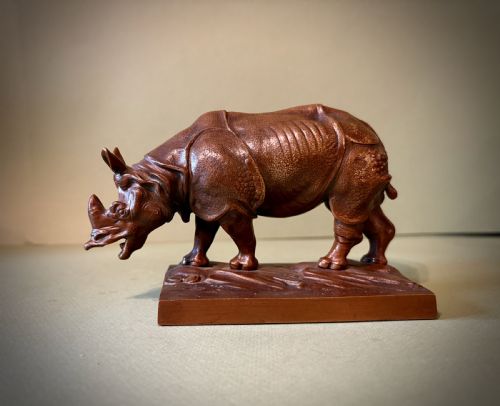
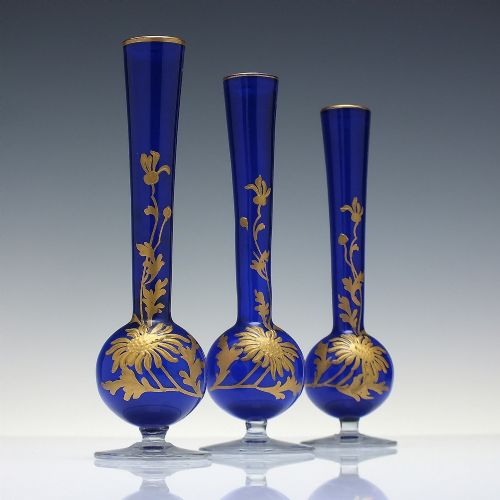
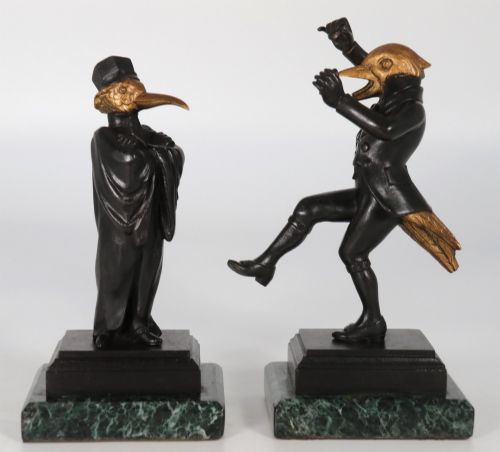
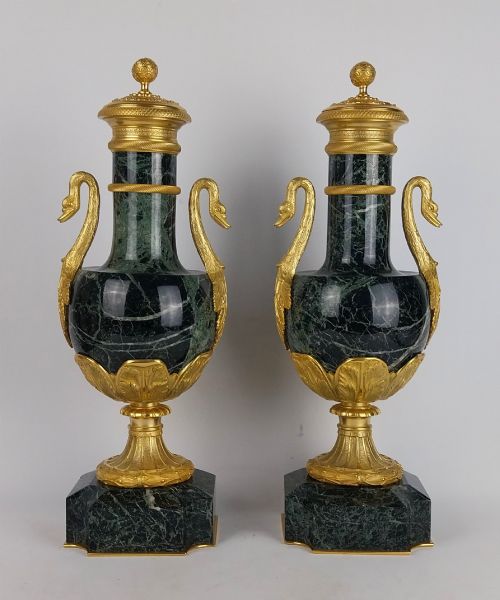
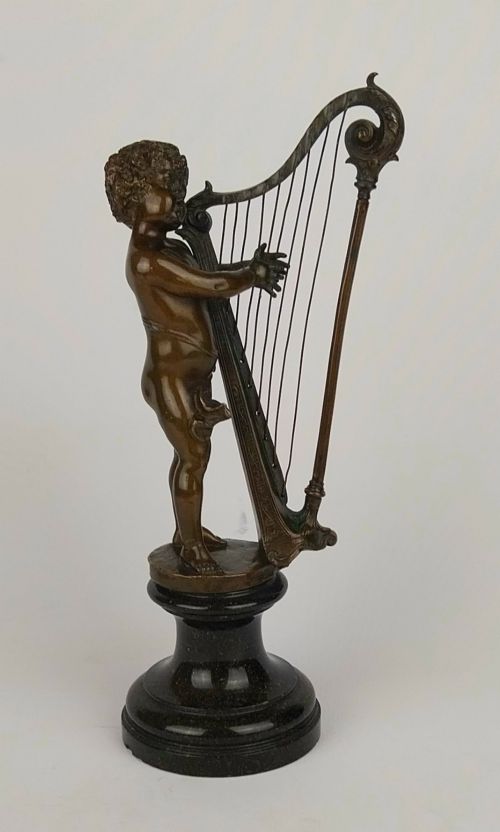
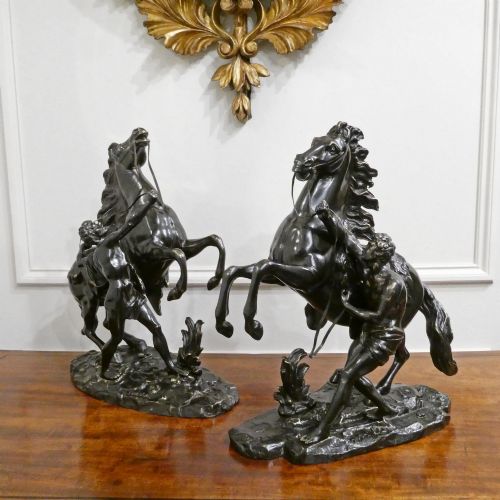
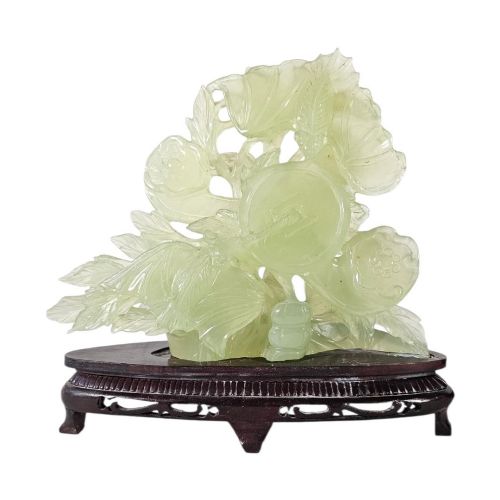
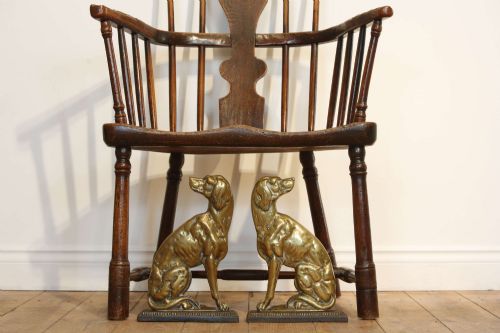
These antique decorative ornament pieces bring character and history into a room through varied forms like bronze sculptures, porcelain vases, and carved marble obelisks.
Antique Decorative Ornament
When searching for an antique decorative ornament, collectors encounter a diverse mix of objects spanning multiple centuries, from eighteenth-century French wall carvings to twentieth-century art deco pieces. The selection includes vases, sculptures, figurines, and architectural mounts created across Britain, Europe, and Asia.
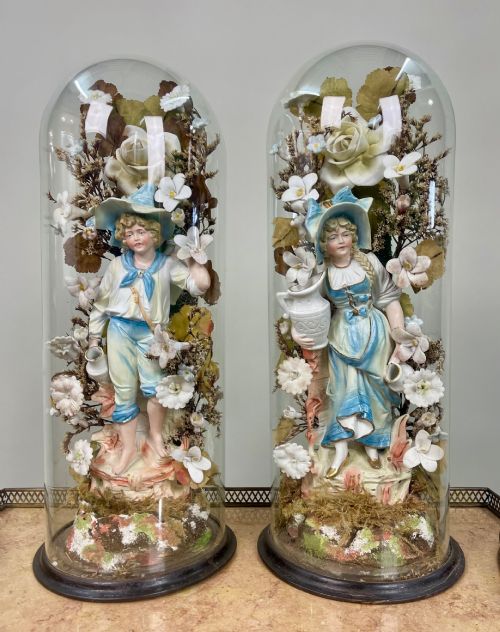
Vases and decorative objects dominate the selection, often appearing in pairs that reflect classical revival, neoclassical, or folk art styles. Buyers frequently find nineteenth-century works alongside earlier eighteenth-century carvings and twentieth-century porcelain figures.
Origin and period heavily dictate the character of each piece, ranging from Grand Tour marble obelisks to Japanese cloisonne enamel vases and English porcelain spill vases. These items served purely aesthetic or ornamental roles in period interiors, remaining valued today for their craftsmanship.
Materials and construction methods
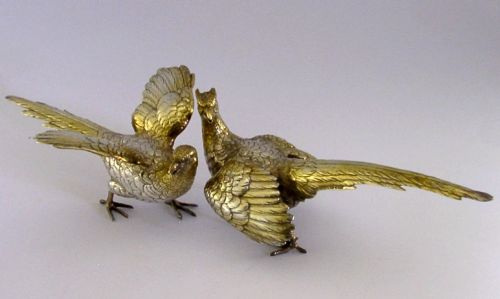
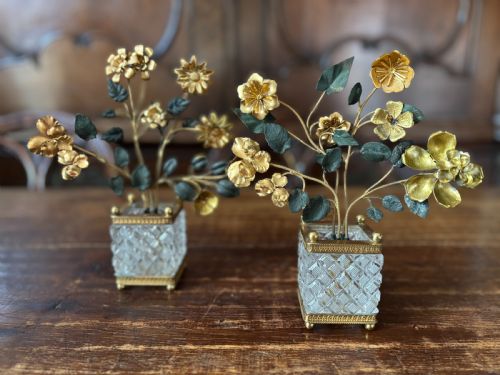
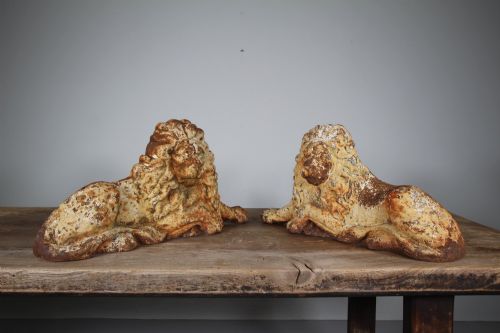
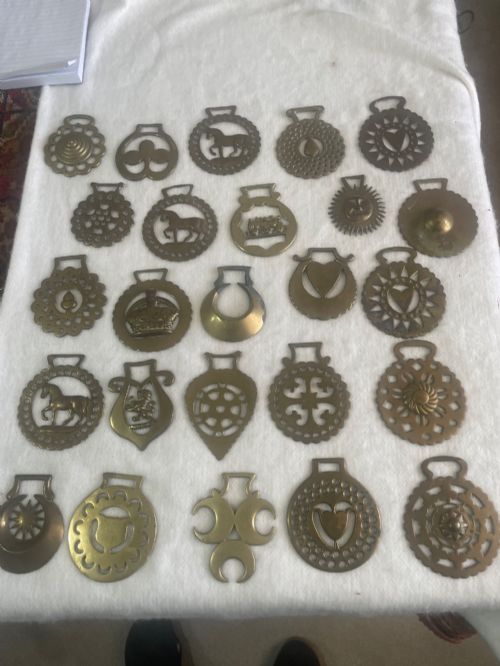
Foundry casting and hand-carving define the metallic and wooden items in the collection, utilising bronze, gilt bronze, brass, cast iron, and various woods like walnut and cedar. Artisans applied patination, gilding, and ormolu mounts to enhance the visual depth of metalwork.
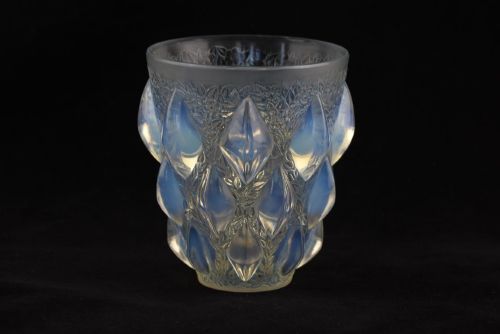
Ceramic and glass pieces demonstrate skilled moulding, turning, and glazing techniques across porcelain, earthenware, faience, and enamel. Cloisonne items incorporate delicate wirework filled with coloured enamel pastes before firing and polishing.
Antique Decorative Ornament Retail Price Guide 2026
Typical asking prices for decorative ornament among the pieces listed under this phrase on Sellingantiques today, from the lower quarter to the upper quarter. They describe what is for sale here now, not the wider market.
Distinctions in quality
Material selection and decorative complexity also dictate value, with hardstones like jade, pietra dura, and specimen marble indicating higher ambition by the maker. Integrity of surface finishes, such as original gilding or enamel without losses, preserves the intended aesthetic impact.
Tsukamoto Hikokichi·Poix Blin·Royal Worcester·James Hadley·Antoine Louis Barye
The Antique Decorative Ornament Glossary
- Ormolu
- Gilt bronze ornamentation applied to furniture, clocks, or decorative objects. The technique involves a mercury gilding process popular in eighteenth and nineteenth-century French manufacturing.
- Cloisonne
- An ancient technique for decorating metal object surfaces using enamel. Artisans solder flat metal wire to the metal body to form compartments that hold coloured paste.
- Campana
- A classical bell-shaped garden urn or vessel form originating from ancient Rome. These forms were widely revived during the eighteenth and nineteenth centuries in cast iron and stone.
- Pietra dura
- An artistic technique using cut and fitted polished coloured stones to create images. Craftsmen assemble these stones together to form decorative panels on marble or stone bases.
- Finial
- A relatively small decorative ornament fixed to the top of a building, furniture piece, or object. They frequently appear on clocks, vases, and architectural mounts.
Antique Decorative Ornament: Frequently Asked Questions
What is the difference between cloisonne and champleve?
Cloisonne involves soldering thin metal wires onto a metal base to create raised walls that form cells for enamel paste. This method produces crisp outlines and intricate patterns across vases and small decorative vessels.
Champleve carving cuts troughs directly into the metal plate to hold the enamel rather than building up wires. Both techniques feature prominently in decorative metalwork from various Asian and European periods.
Where should I place marble obelisks at home?
Marble obelisks suit prominent flat surfaces such as mantlepieces, bookcases, or console tables where their vertical form provides architectural contrast. Pairing them symmetrical adds formal balance to a room.
Ensure the supporting furniture is sturdy enough to hold dense stone items safely. Keep them away from direct heat sources to protect historical stone surfaces.
How are antique bronze figures cleaned?
Antique bronzes require minimal intervention, usually limited to gentle dusting with a soft, dry cloth to prevent dirt accumulation. Avoid applying abrasive polishes or liquids that strip the original patina.
Professional conservators handle deeper cleaning if corrosion or damage occurs. Preserving the natural aged surface maintains the historical integrity of the piece.
What defines Meiji period Japanese work?
The Meiji period spans from eighteen sixty-eight to nineteen twelve, a time when Japanese decorative arts achieved exceptional technical refinement in metalwork, cloisonne, and ceramics. Makers produced highly detailed items for both domestic use and export to Western markets.
Signatures or artist marks often appear on these pieces, indicating specific workshops or master craftsmen. The precision of the enamel work and carving remains a key identifier.