






Antique Decorative Objects
Antique decorative objects bring character and history into a room through diverse sculptural forms, vessels, and curios spanning multiple centuries.
Antique Decorative Objects
Antique decorative objects encompass a wide variety of ornamental pieces, ranging from sculptural animals and vessels to utilitarian items repurposed for display.
Materials and Techniques
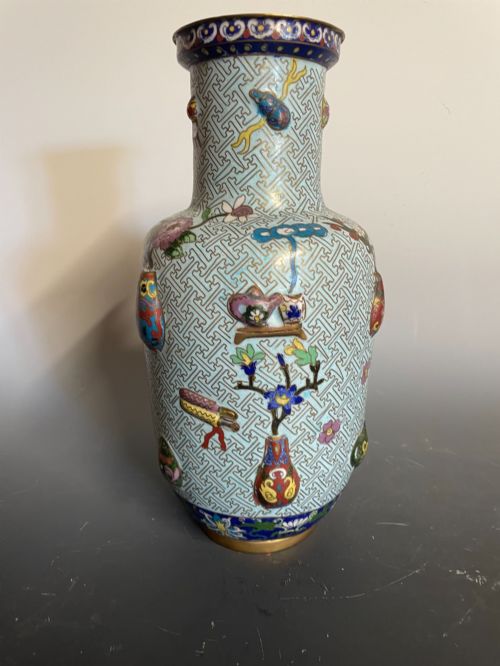
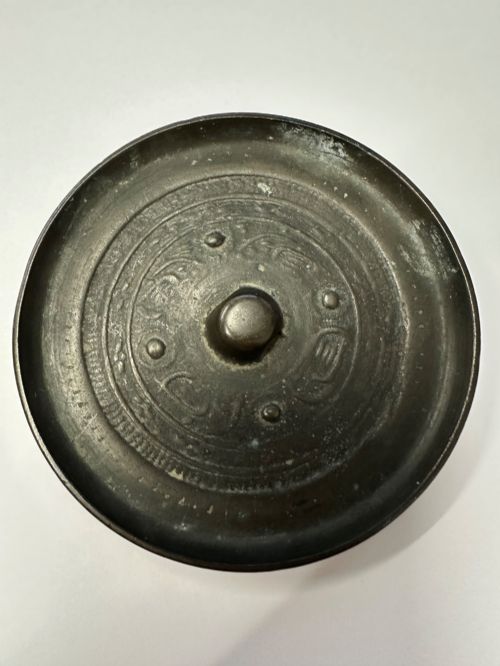
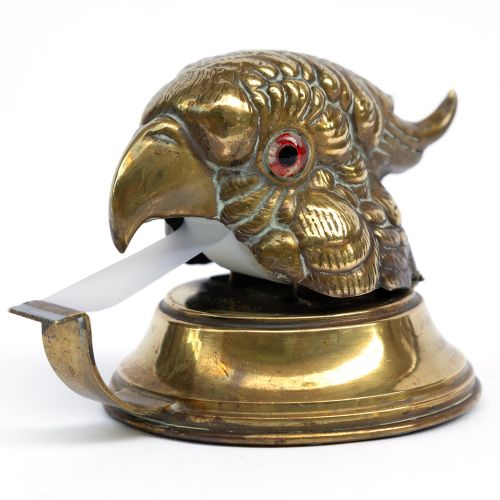
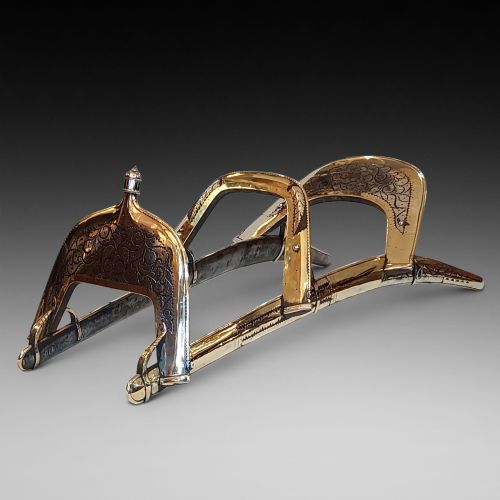
Metalworking dominates these pieces, utilising cast bronze, brass, iron, and copper, often enriched with vitreous enamel or intricate surface chasing.
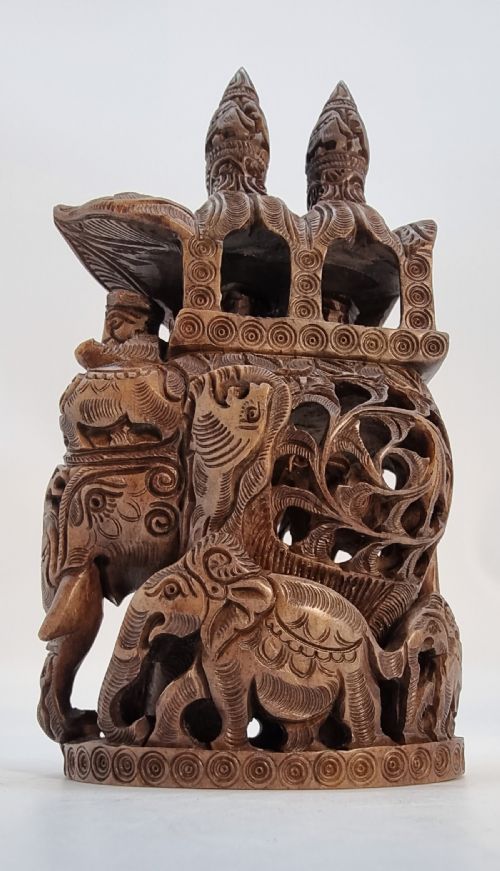
Organic materials such as wood, horn, soapstone, coconut shell, and whale vertebrae demonstrate traditional carving and turning methods employed by historical artisans.
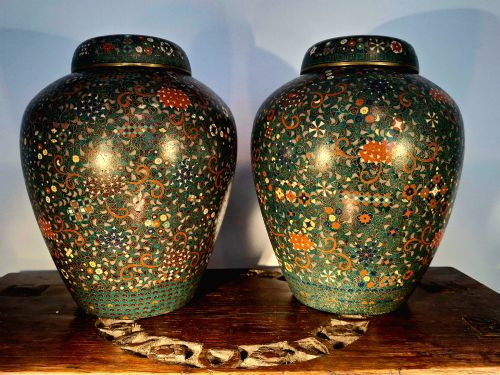
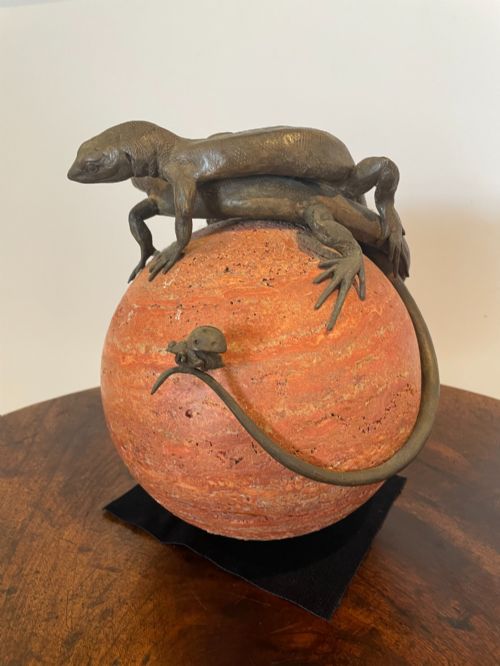
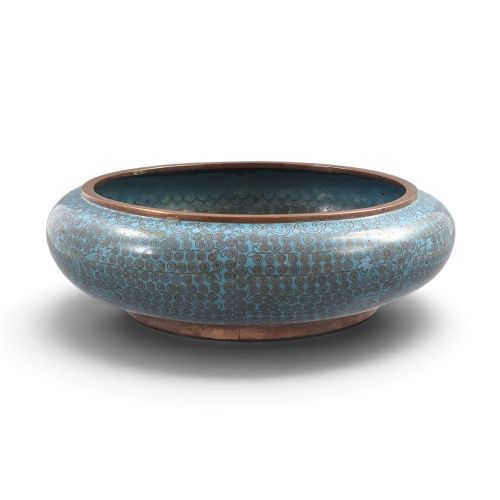
Specialised techniques include pietra dura inlay using specimen marbles and cloisonné wirework applied to vessels and scholar's objects.
Assessing Quality and Execution
Quality reveals itself in the crispness of the casting, the precision of hand-carved details, and the depth of colour within enamels or patinas.
Finer examples display superior structural integrity and harmonious proportions, whereas lesser pieces show rushed finishing or simplified surface decoration.
The distinction between standard items and exceptional work rests on the skill of the execution and the preservation of original surface textures.
The Antique Decorative Objects Glossary
- Cloisonné
- A metalwork technique where thin wire partitions are soldered to a base and filled with enamel paste before firing. This creates intricate coloured patterns across vases and jars.
- Animalier
- A nineteenth-century artistic style focusing on the realistic depiction of animals, frequently rendered in bronze sculpture.
- Petra dura
- An artistic process involving the inlay of cut and fitted polished coloured stones into a stone base to form pictorial designs.
- Treen
- Small handmade wooden household objects and utilitarian wares prized for their tactile qualities and patination.
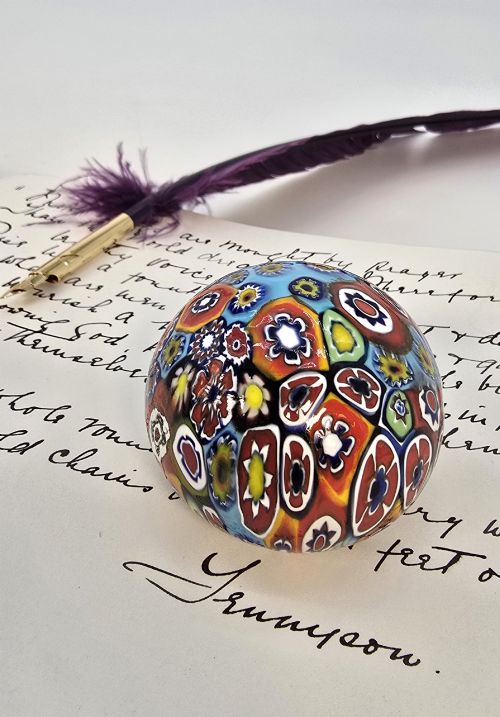
- Millefiori
- A glasswork technique producing distinct multicoloured mosaic patterns, commonly seen in decorative paperweights.
Antique Decorative Objects: Frequently Asked Questions
What counts as a decorative object?
Decorative objects include non-utility items and ornamented functional pieces made for display.
Examples range from dedicated bronze sculptures and mantel lustres to carved ink blocks and desk accessories.
How do I date these items?
Dating relies on material analysis, stylistic markers, and manufacturing techniques associated with specific periods.
Evidence from nineteenth-century production methods and earlier dynastic styles helps establish a reliable timeline.
How should I display them?
Placement depends on scale, material fragility, and the surrounding interior aesthetic.
Robust metal objects and carved stones suit tabletops, while delicate enamels benefit from stable display surfaces away from direct sunlight.