

Antique Decorative Lighting
Antique decorative lighting encompasses chandeliers, sconces, and lamps cast in bronze, brass, and glass that transform rooms through period illumination.
Antique Decorative Lighting
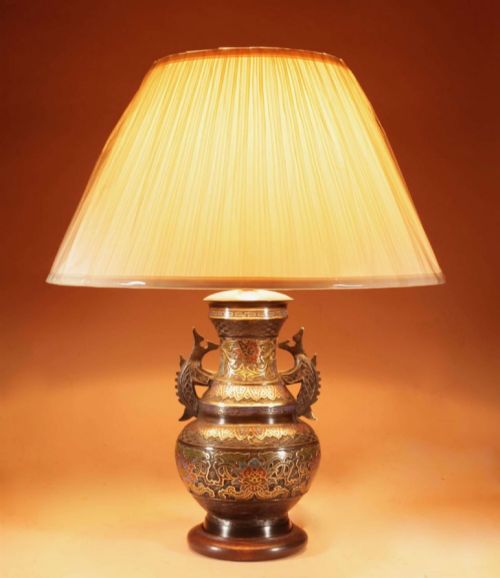
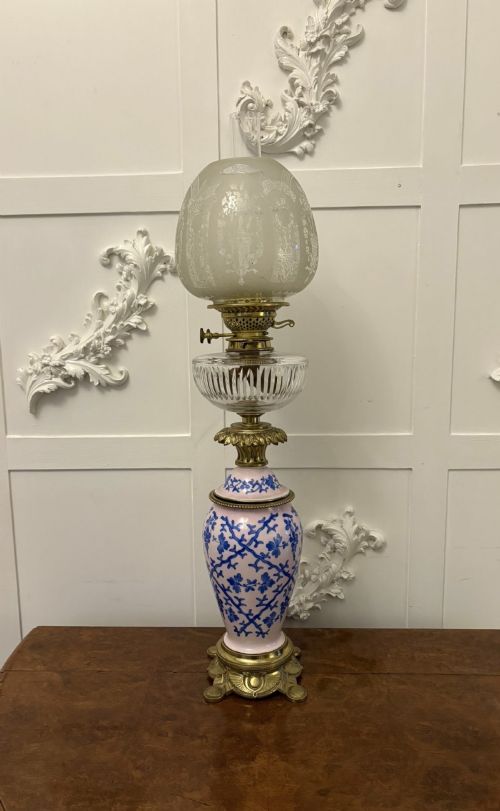
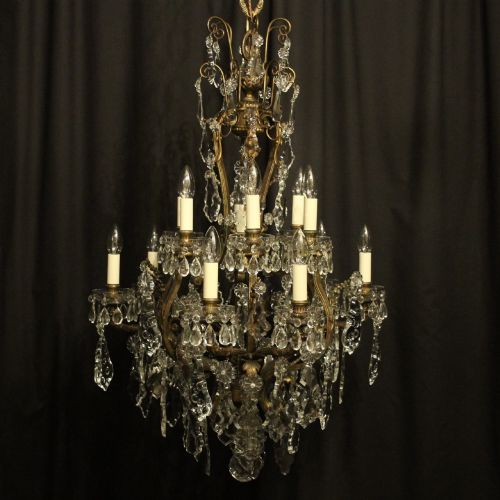
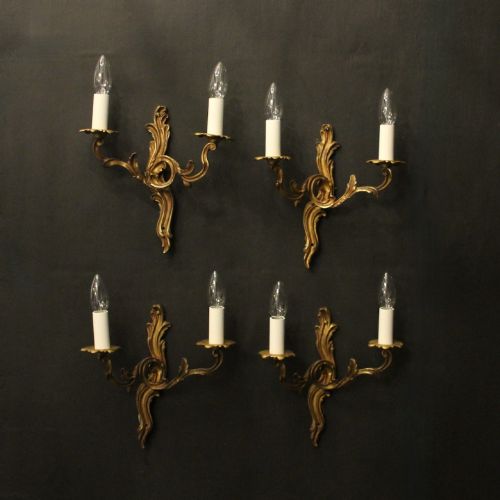
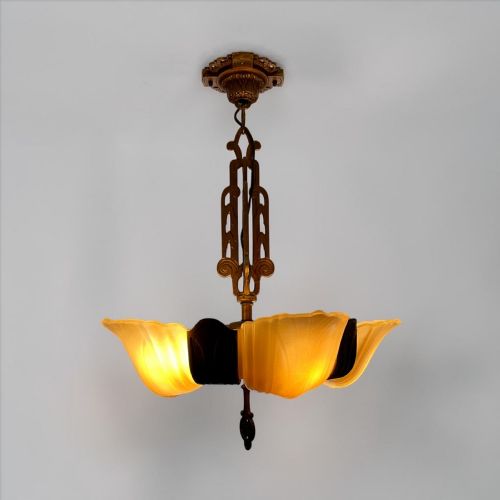
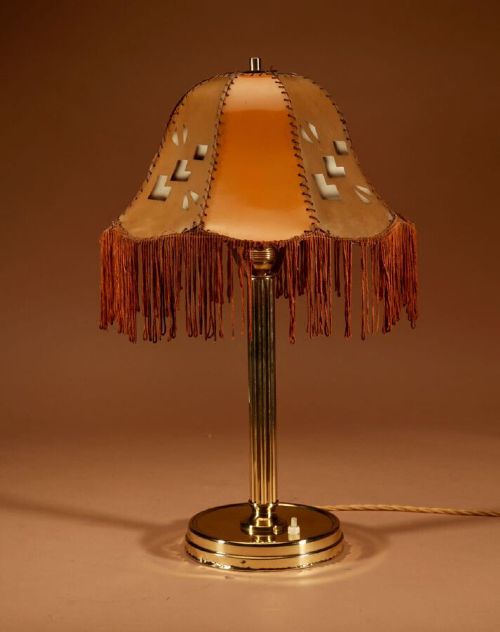
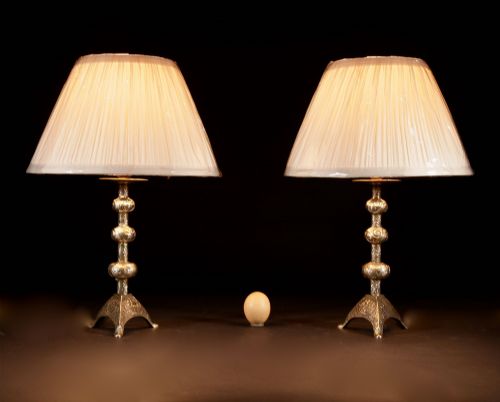
Antique decorative lighting comprises a diverse assortment of chandeliers, wall lights, oil lamps, and candelabra designed to illuminate interiors with period character. The selection on this page spans the Victorian era through the early twentieth century, incorporating styles such as French Rococo, Art Deco, and Edwardian design.
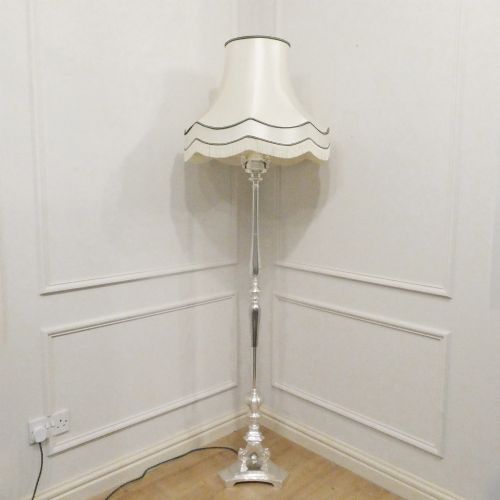
Buyers will encounter numerous wall sconces and table lamps alongside larger ceiling fixtures and chandeliers. Materials range widely from gilt bronze and brass to porcelain, glass, and carved wood, reflecting the aesthetic preferences of nineteenth and early twentieth-century makers.
Materials and construction
Metalwork dominates the construction of these pieces, utilising cast iron, brass, bronze, and ormolu to form structured mounts, bases, and arms. Many fixtures incorporate gilding or patination to enhance the surface detail of the metal components.
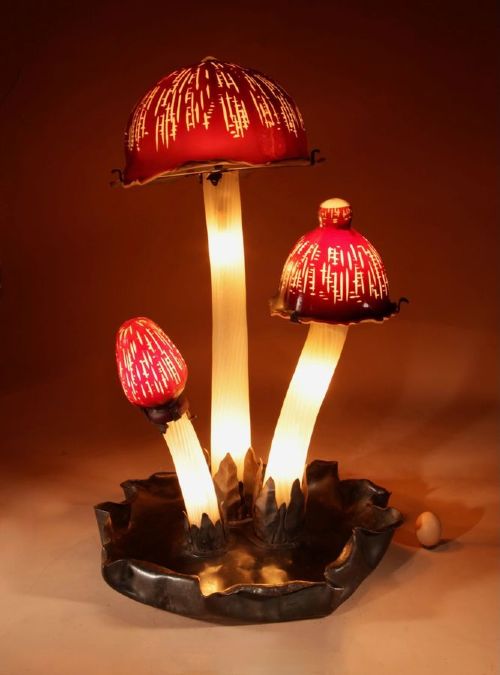
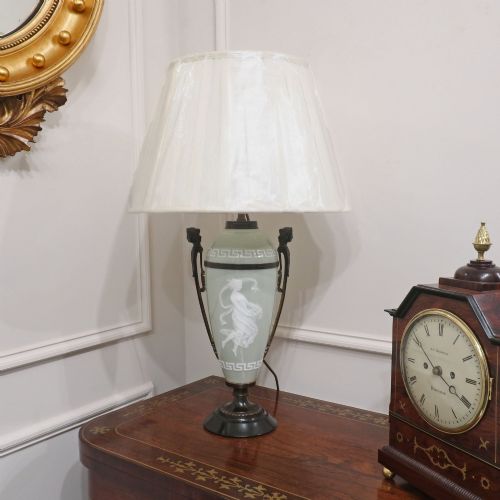
Glass and crystal elements appear frequently in shades, lustres, and chandeliers, paired with fabric or stained glass in later twentieth-century lighting. Ceramics such as porcelain and ironstone also serve as body materials for converted lamp bases.
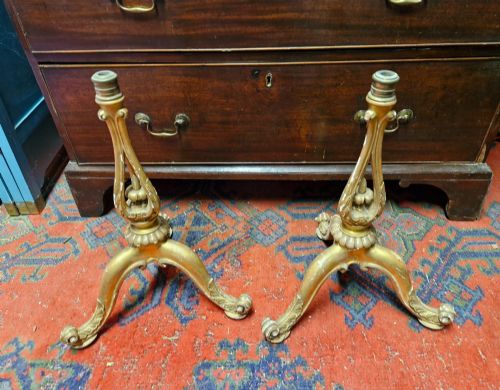
Cast iron owls gaze silently from converted andiron lamp bases, watching over twentieth-century rooms with avian vigilance.
Quality factors
The precision of the casting and the crispness of the chased detail dictate the distinction between standard and superior metalwork. Heavier bronze or brass castings with well-defined motifs demonstrate superior craftsmanship compared to softer, less detailed alternatives.
Originality of components, including matching crystal drops, period shades, and uniform gilding, elevates the integrity of a fixture. Converted pieces require careful assessment of how harmoniously the original object integrates with its electrical adaptation.
Pierre Philippe Thomire·Barbedienne·Sitzendorf·Hicks and Meigh
The Antique Decorative Lighting Glossary
- Ormolu
- Gilded bronze, typically executed through a mercury amalgamation process on decorative mounts and candelabra. This technique produces a durable, rich golden surface finish.
- Girandole
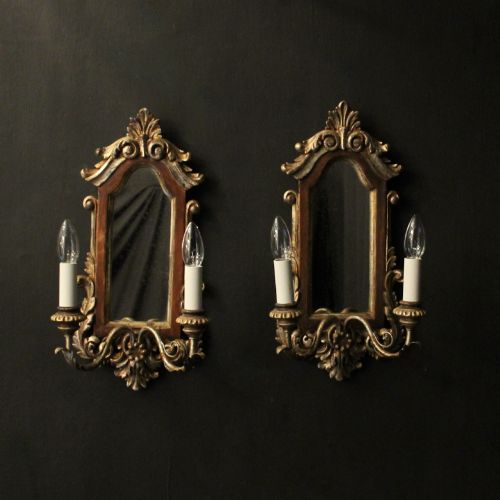
- An ornamental bracket wall light featuring mirrors or reflective backplates to amplify the luminosity of the candles. These fixtures became popular in eighteenth and nineteenth-century interiors.
- Candelabra
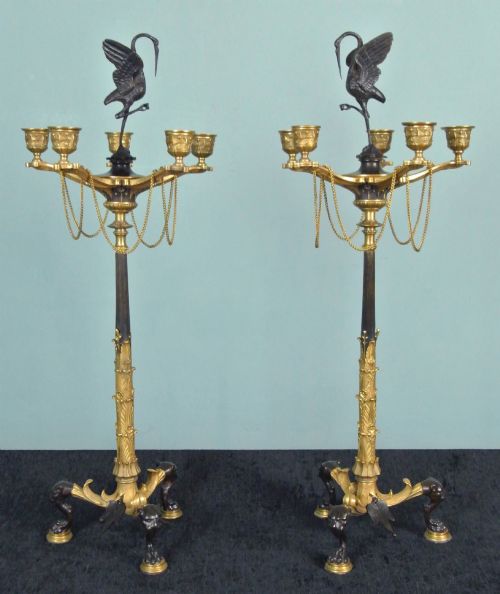
- A branched candlestick designed to hold multiple candles simultaneously for greater illumination. They often match in pairs and feature elaborate cast metal arms.
- Lustre
- A decorative glass table ornament or candle holder hung with cut glass pendants. The pendants refract light to create a sparkling visual effect.
- Pate sur pate
- A ceramic decoration technique where layers of liquid white porcelain slip are applied to a coloured body to build a low relief cameo effect.
Antique Decorative Lighting: Frequently Asked Questions
How do I wire antique lights?
Professional rewiring is essential for safe integration into modern domestic electrical circuits. Restorers can thread modern flex through historical channels without altering exterior metalwork.
Qualified electricians should test all converted oil lamps and chandeliers prior to installation. Earth connections must be established on metal bodies to ensure safety.
Are these lamps converted?
Many table lamps and wall lights started life as oil lamps, vases, or candlesticks before conversion to electricity. This practice preserves decorative items by giving them a practical function in modern rooms.
Look for discreet wiring holes drilled through bases or fitted collars that hold bulb holders securely. Conversions done decades ago often show desirable patination on the wiring hardware.
How do I date wall sconces?
Stylistic indicators such as acanthus leaves, ribbon motifs, or geometric lines point directly to periods like French Neoclassical or Art Deco. Examining the fixing plates and screw threads reveals manufacturing methods specific to the nineteenth or twentieth century.
Cast brass and bronze components wear differently over generations, developing a distinct surface grain. Comparing the casting quality with dated examples helps confirm the decade of manufacture.
Where should I hang chandeliers?
Chandeliers suit high ceilings in principal rooms, stairwells, or entrance halls where their drop can be appreciated fully. Ensure the ceiling joists can support the combined weight of heavy bronze and crystal fixtures.
Proportion matters when selecting a ceiling light for a room. Measure the floor area to determine the ideal diameter for the fixture.