



Antique Decorative Fragment
An antique decorative fragment carries the weight of a larger loss, offering texture and history in a single surviving piece.
Antique Decorative Fragment
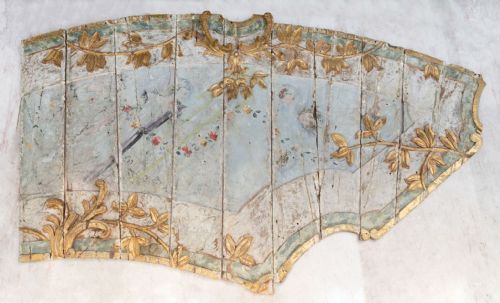
When you search for an antique decorative fragment, you encounter remnants of panels, theatre props, and architectural salvage produced across the eighteenth and nineteenth centuries. These pieces originate from diverse contexts, ranging from Italian workshops and English fairgrounds to tribal tent bands from Central Asia.
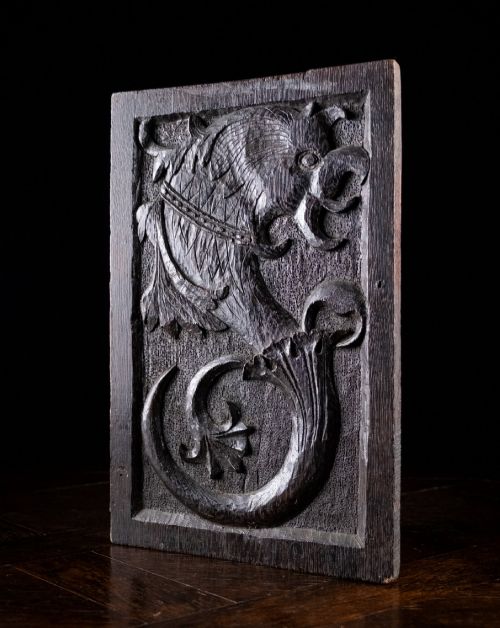
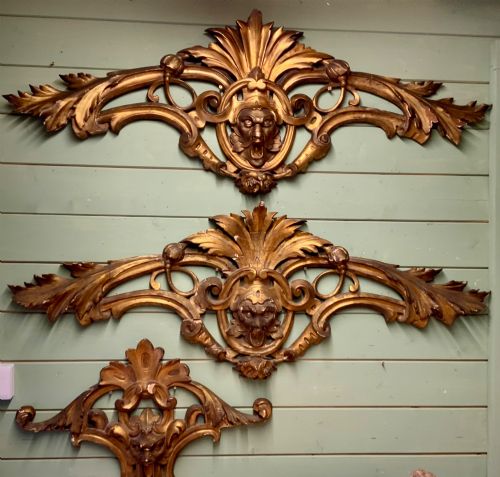
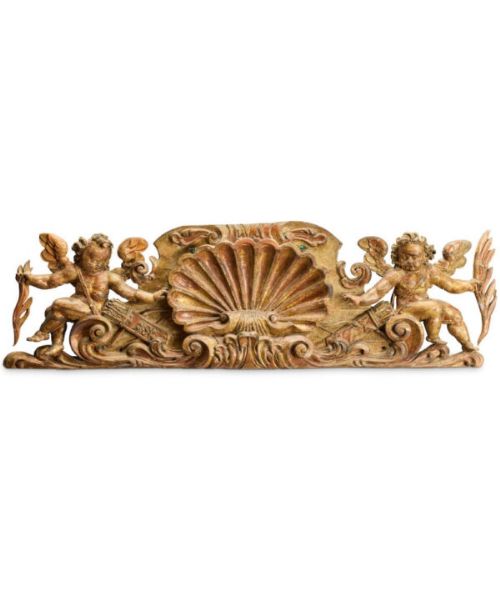
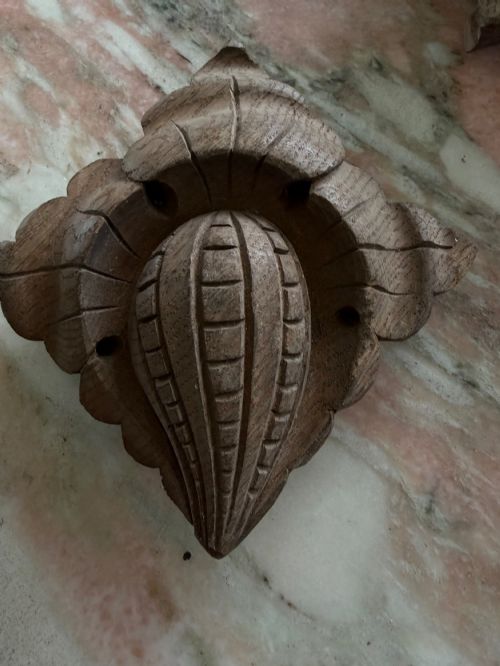
The objects on this page include carved oak ceiling boss panels, parcel gilt architectural pediments, and woven textile fragments such as Turkmen torba faces and Mughal carpets. Buyers acquire them to mount on walls, display on mantels, or integrate into interior schemes as standalone historical accents.
The most common forms are carved wooden elements and textile pieces that retain strong traces of their original function and ornamentation. They bridge the gap between architectural salvage and fine art, offering tangible evidence of past craftsmanship.
Materials and construction
Wood serves as the primary medium for carved fragments, utilising oak, hardwood, and gesso finished with paint or gold leaf. Artisans shaped these materials using hand tools to create architectural pediments, ceiling boss panels, and fairground ride decorations.
Textile fragments rely on wool and fine weaves, exemplified by nomadic torba faces and tent bands produced in the nineteenth century. These woven pieces combine structural utility with intricate ornamental patterns executed in traditional dye methods.
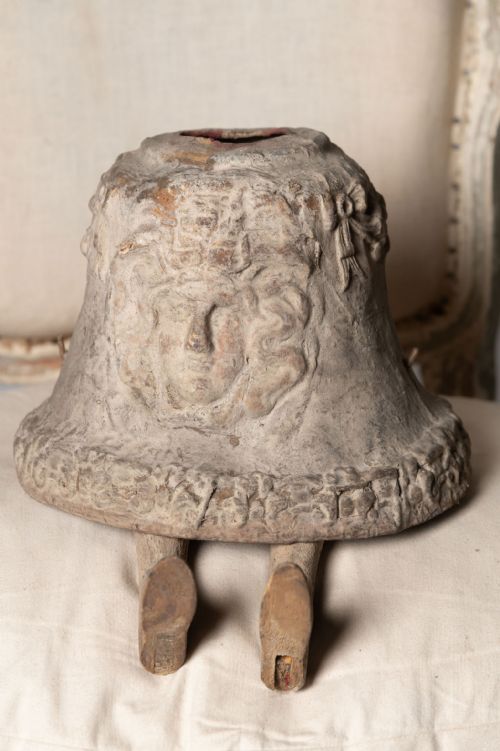
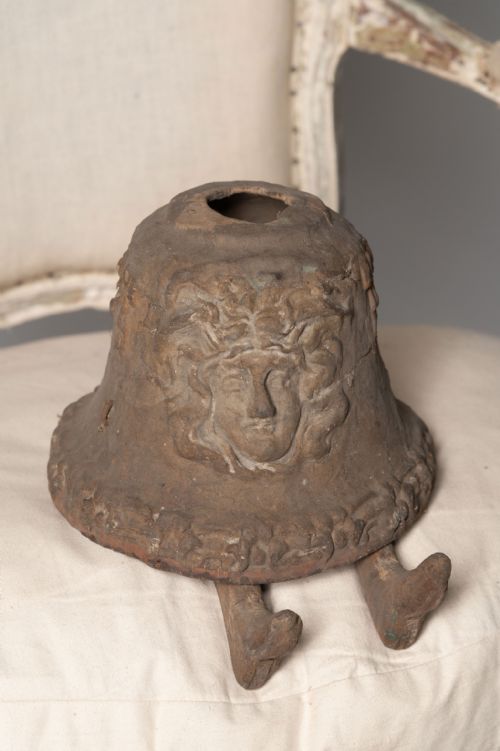
Composite materials such as papier-mâché and plaster appear alongside copper clock hands and hand-painted French wallpaper panels. Each technique reflects the specific demands of theatrical, domestic, or architectural decoration in its respective period.
Antique Decorative Fragment Retail Price Guide 2026
Typical asking prices for decorative fragment among the pieces listed under this phrase on Sellingantiques today, from the lower quarter to the upper quarter. They describe what is for sale here now, not the wider market.
A wooden dragon stares from a fairground ride fragment, watching the room with paint that has outlived the carousel.
Judging quality and survival
Quality in an antique decorative fragment rests upon the crispness of the carving, the survival of original surface finishes such as paint and gold leaf, and the structural integrity of the remaining piece. Pieces that retain their early patination and untouched surfaces stand apart from those stripped or heavily restored.
In textile fragments, quality shows in the density of the weave, the clarity of the curled leaf or tribal designs, and the completeness of the surviving section. Finer hand-knotted structures and stable wool foundations distinguish superior carpet and bag faces from heavily worn examples.
The Antique Decorative Fragment Glossary
- Ceiling boss
- A projecting block where the ribs of a ceiling meet, often carved with foliage or heraldic designs. These wooden or plaster ornaments anchor vaulted or timber ceilings.
- Architectural pediment
- A triangular or segmental gable placed above doors, windows, or mantelpieces. In fragments, these elements often retain parcel gilt or carved wooden enrichment.
- Torba face
- The decorative front of a small Turkmen storage bag used in nomadic households. They feature distinctive tribal motifs and fine wool pile weaves.
- Parcel gilt
- A surface decoration technique where portions of an object are gilded with gold leaf while other areas remain unpainted or treated with colour. This creates contrast on carved wood and pediments.
- Fairground fragment
- A carved wooden piece salvaged from amusement rides, such as fairground dragon figures. These items display bold folk art painting and robust shaping.
Antique Decorative Fragment: Frequently Asked Questions
How do I hang a heavy wooden fragment?
Wooden architectural fragments require secure fixing to wall studs using appropriate brackets or concealed battens attached to the solid portions of the wood. Professional installation ensures the weight is evenly distributed without damaging the antique material.
Lighter textile fragments can be mounted on stretched linen or mounted behind conservation glass to protect the wool fibres from tension and dust over time.
Are painted fragments original?
Many fragments retain historic layers of paint or gold leaf applied during their working life. Close inspection under natural light reveals whether pigment matches the age and wear of the underlying wood or gesso.
Subtle craquelure and worn edges typically indicate genuine age, whereas flat, uniform surfaces suggest later repainting.
How should I clean a textile fragment?
Textile fragments require gentle surface cleaning with a soft brush or low-suction vacuum through a protective mesh screen. Avoid washing or applying liquid cleaners to antique wool and woven tent bands.
Professional textile conservators should handle any deep cleaning to prevent dye bleed or fibre degradation.
Can architectural fragments be used outdoors?
Most antique decorative fragments are suited exclusively for interior display because historic wood, gesso, and paint deteriorate rapidly in damp outdoor conditions. Exposure to moisture causes wood to swell, paint to flake, and gold leaf to lift.
Keeping them in climate-controlled indoor spaces preserves their remaining surface details and structural stability.
What is a tent band fragment?
Tent bands are long woven straps used by nomadic groups to secure yurt frameworks against harsh winds. Surviving fragments often display geometric patterns and dense pile work characteristic of nineteenth-century tribal weaving.
Collectors frame these narrow strips to showcase the intricate textile artistry developed by nomadic makers.