




Antique Decorative Clock
An antique decorative clock brings rhythm and polished brass or ormolu into a room, anchoring a mantelpiece with nineteenth-century French or Victorian craftsmanship.
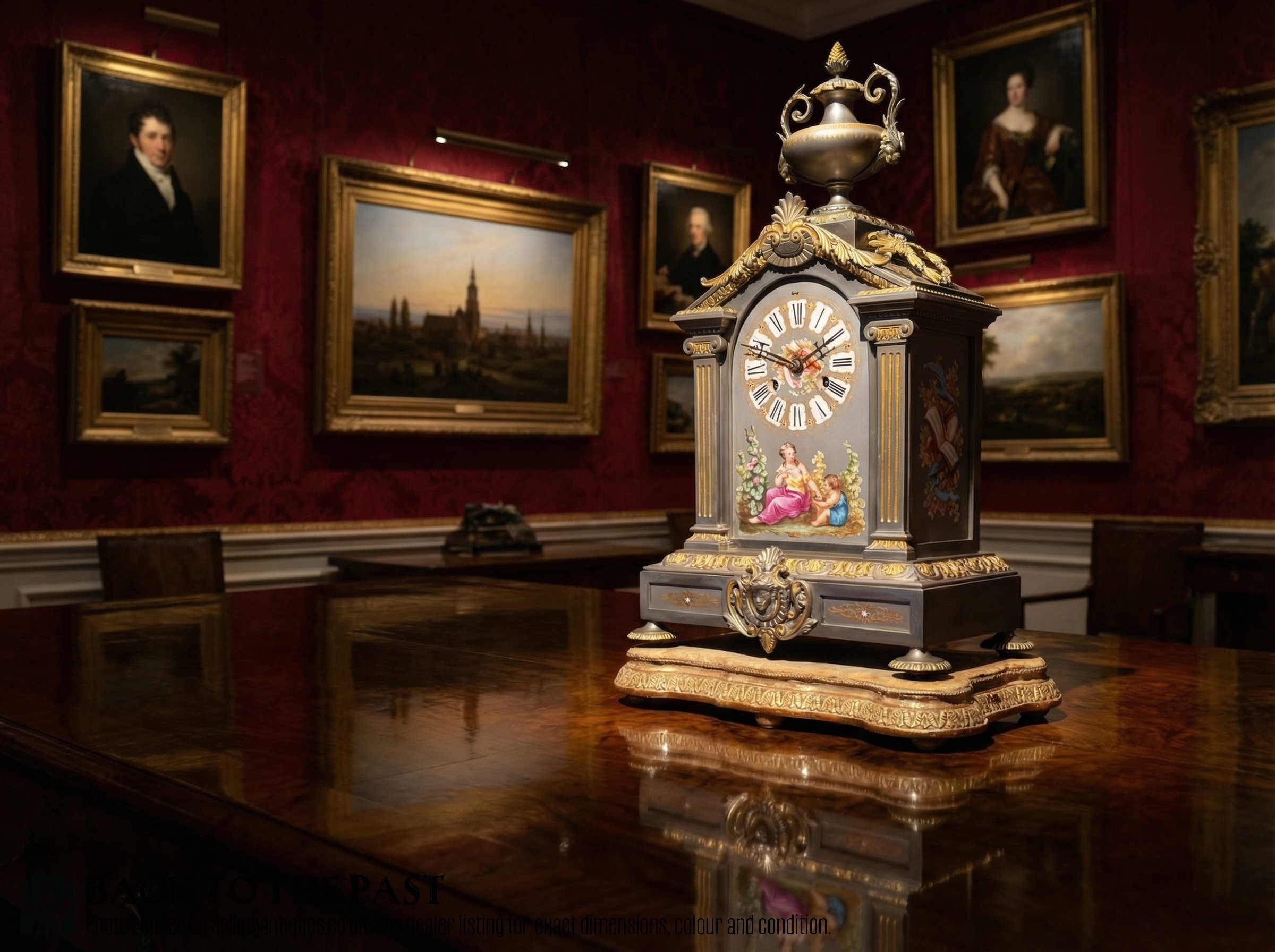
Antique Decorative Clock
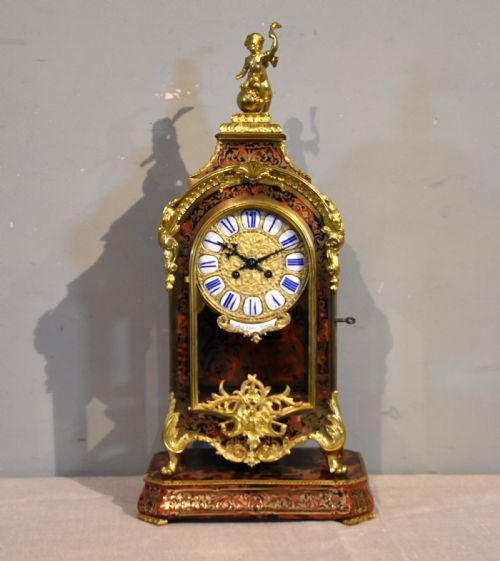
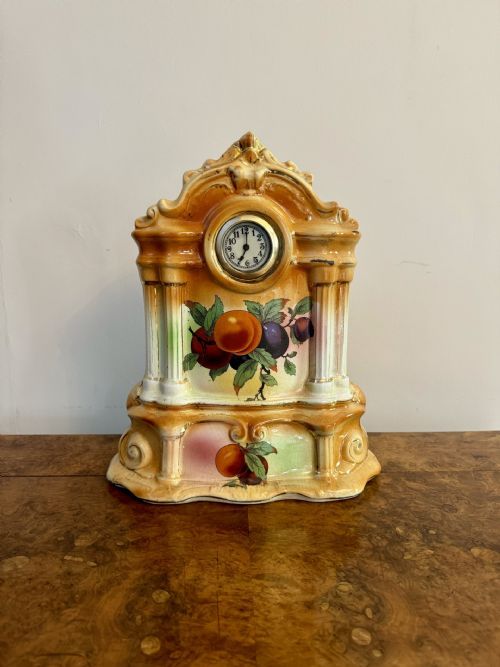
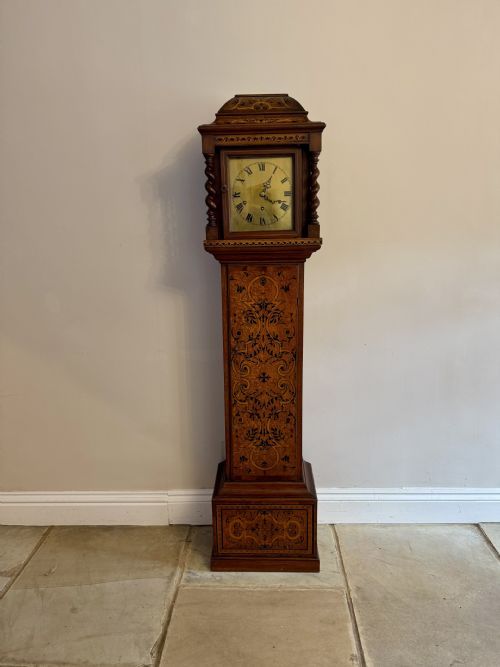
An antique decorative clock is a timekeeper designed primarily for visual impact, spanning mantel clocks, carriage clocks, wall clocks and desk clocks from the nineteenth century and early twentieth century. Buyers encounter French rococo revival or empire designs most frequently, alongside Victorian brass carriage clocks and ebonised bracket clocks.
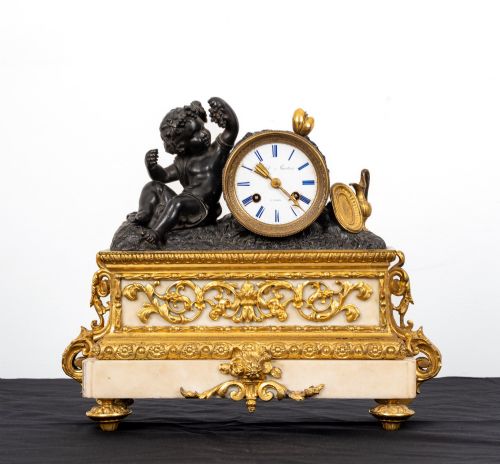
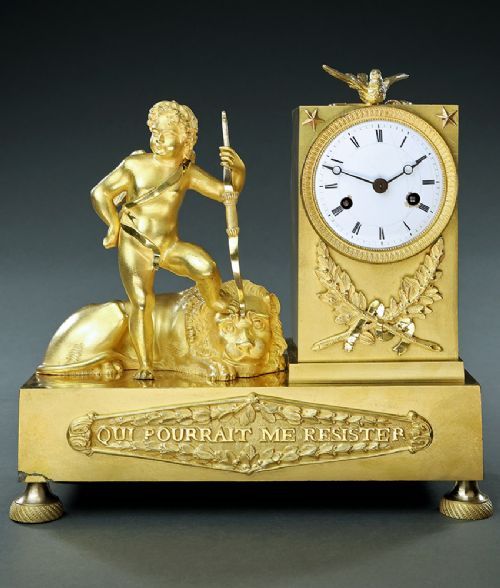
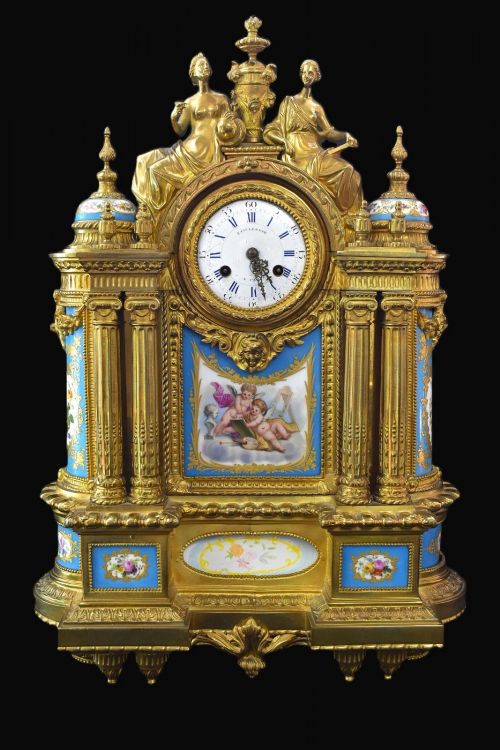
The assortment includes architectural marble cases, figural bronze pieces with putti or mythological subjects, and delicate glass-panelled four-glass clocks. These objects served both practical timekeeping and high-status interior decoration in nineteenth-century drawing rooms and boudoirs.
How they were made
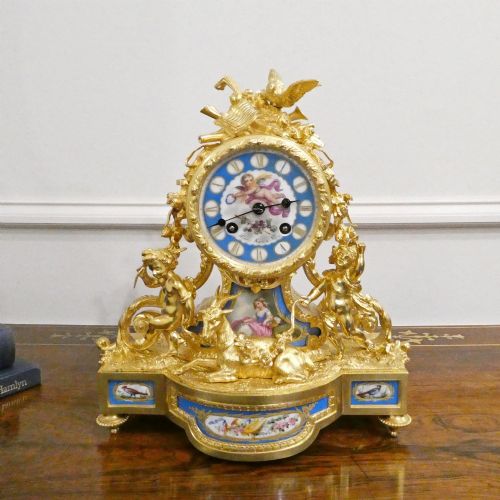
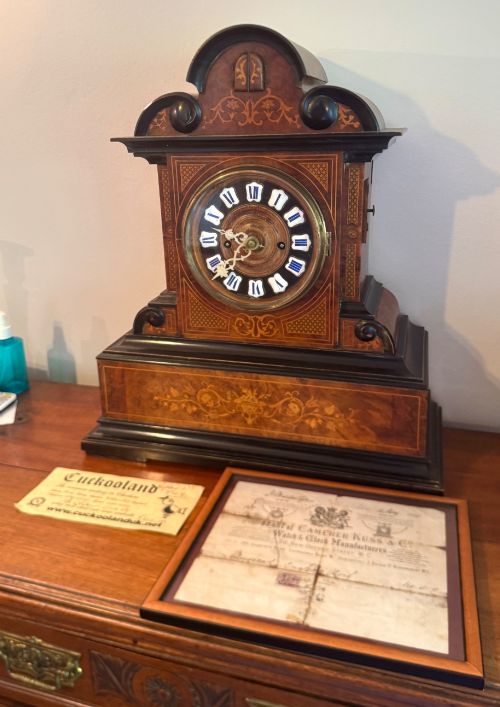
Cases combine heavy cast metals like gilt bronze, ormolu and brass with natural materials such as walnut, ebonised wood, marble, slate and tortoiseshell. Many examples integrate hand-painted porcelain panels, Champlevé enamel or ceramic dials.
Gilding, chasing and bronze casting form the core decorative techniques, often paired with marquetry inlay on wood cases or intricate engraving on carriage clock brass frames.
A porcelain windmill rotates quietly alongside a Meissen harlequin and columbine, bringing eighteenth-century theatre directly onto the mantel.
What varies in quality
The crispness of the bronze casting and ormolu chasing dictates visual merit, separating sharp, hand-finished ornament from soft, mass-produced secondary casting. The integration of high-grade components, such as painted enamel dials and signed mechanical movements, elevates a piece significantly.
Material selection defines the upper tiers, where solid marble, exotic woods, tortoiseshell and genuine porcelain panels replace simpler brass and slate constructions.
Henry Marc·Siffel & Cartier·Etienne Lenoir·Duverdrey & Bloquel·Tiffany·Wetterstrands·Seller of Reading
The Antique Decorative Clock Glossary
- Ormolu
- Gilded bronze produced by applying a mercury and gold amalgam to cast bronze and firing it. This finish creates the characteristic bright, warm gold appearance seen on French nineteenth-century clock mounts.
- Champlevé
- An enamelling technique where troughs or cells are hollowed out of a metal surface and filled with vitreous enamel powder before firing. It provides rich, colourful ornamentation on nineteenth-century carriage and mantel clocks.
- Garniture
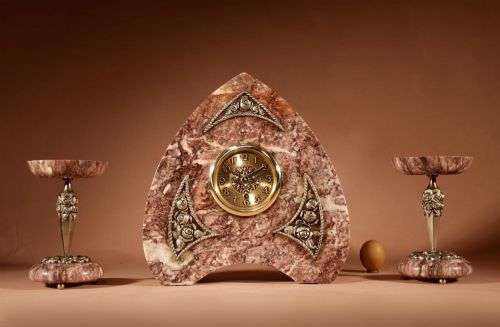
- A set of matching decorative objects, typically a clock accompanied by a pair of candelabra or vases designed to sit together on a mantelpiece.
- Carriage clock
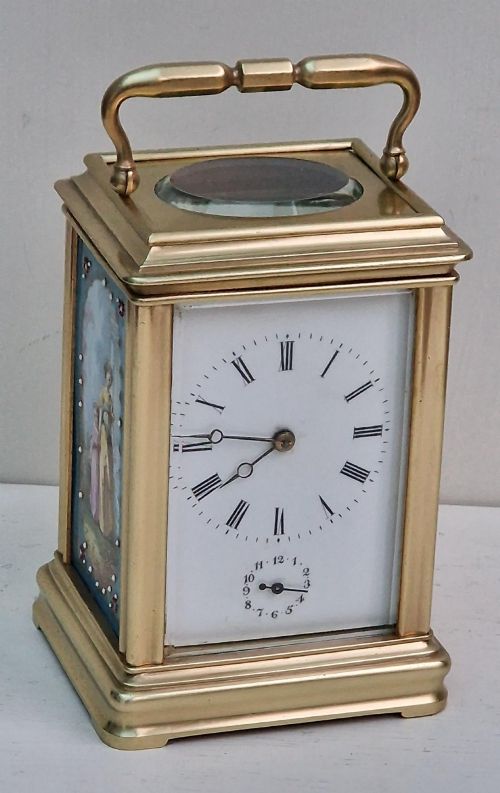
- A small, portable spring-driven timepiece developed for travelling during the nineteenth century, usually housed in a brass frame with glass panels.
- Cartel clock
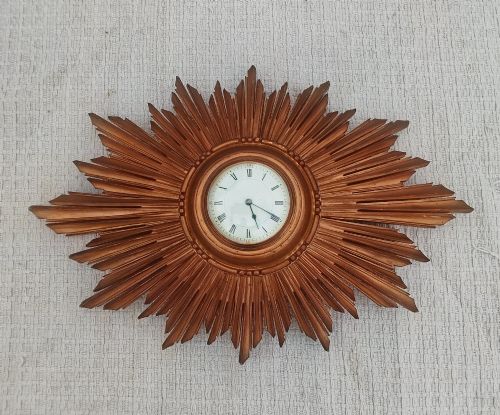
- A wall clock enclosed in an ornate frame made of carved giltwood, metal or brass, lacking a pendulum case beneath.
Antique Decorative Clock: Frequently Asked Questions
How do I wind an antique clock?
Most mechanical antique clocks require a specific winding key inserted into the dial holes to tension the mainsprings. Care must be taken not to over-wind the movement.
Different models have varying power reserves, ranging from eight-day movements to daily carriage clocks, so understanding the specific mechanism prevents damage.
Where should I place a mantel clock?
Mantel clocks traditionally sit on fireplace mantels, but they also anchor sideboards, bookshelves and console tables securely. A stable, level surface is essential for the pendulum to beat evenly.
Direct sunlight and damp walls should be avoided to protect antique wood cases, gilding and delicate enamel dials.
What is a clock garniture?
A garniture consists of a central clock flanked by matching decorative objects like urns or candelabra. These sets created a symmetrical display on nineteenth-century drawing room mantelpieces.
Matching materials and decorative motifs tie the pieces together as a unified ensemble.