
Antique Decorative Art
Antique decorative art spans centuries of craftsmanship, bringing expressive form, distinctive materials, and cultural history into your home.
Antique Decorative Art
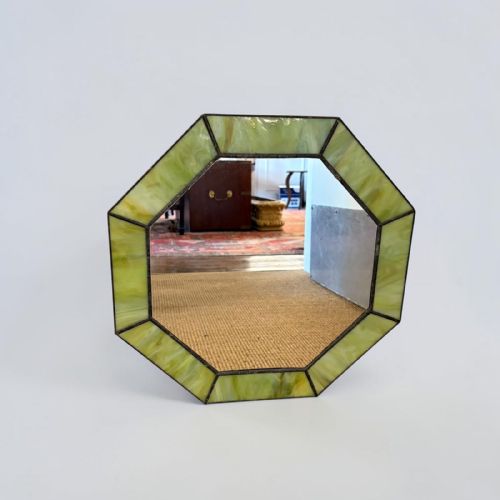
Antique decorative art encompasses a wide assortment of functional and ornamental items created to elevate domestic interiors. When exploring antique decorative art, you encounter everything from utilitarian vessels and mirrors to sculptural figures and framed paintings.
The selection here draws primarily from late nineteenth-century, Edwardian, and early twentieth-century workshops. Art Nouveau, Art Deco, and Arts and Crafts movements dominate the inventory alongside traditional regional pieces.
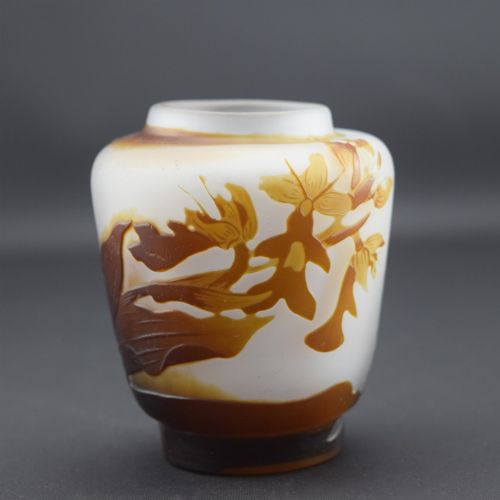
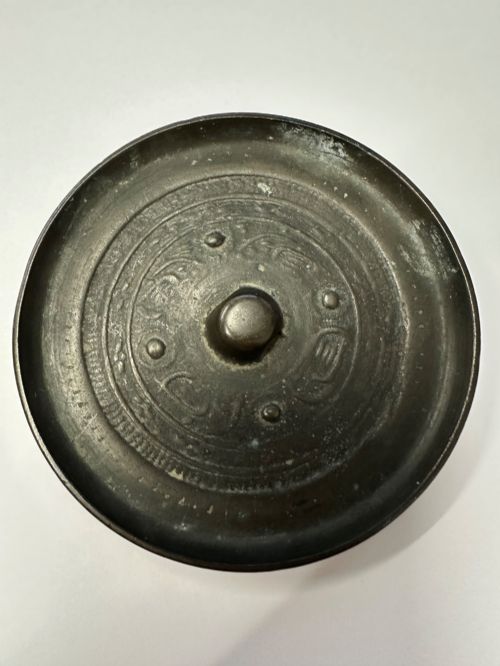
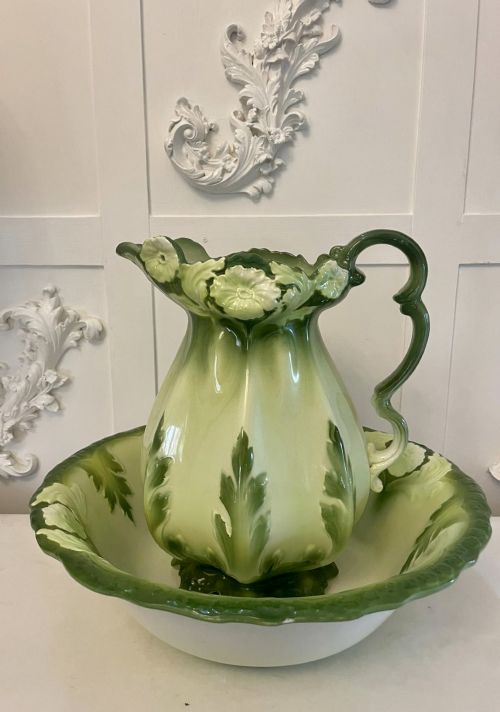
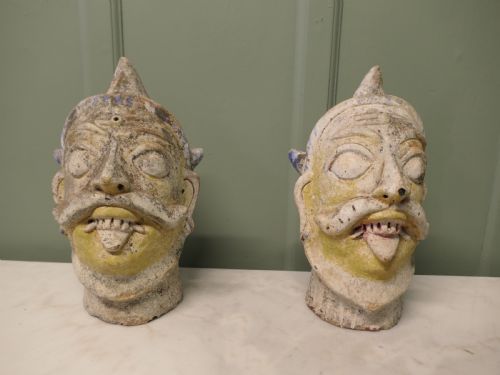
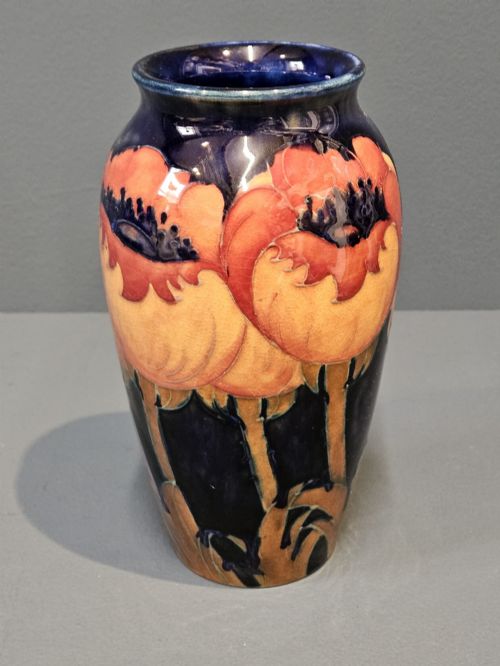
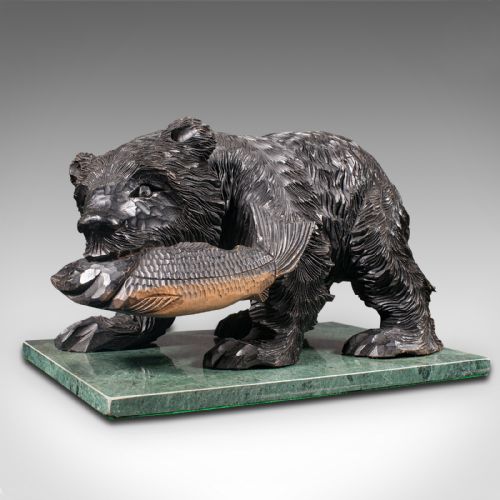
You will regularly find ceramic vases, metal mirrors, carved wooden figures, and painted panels among the offerings. These pieces reflect the aesthetic priorities of makers working across Britain, Europe, Asia, and beyond.
How they were made
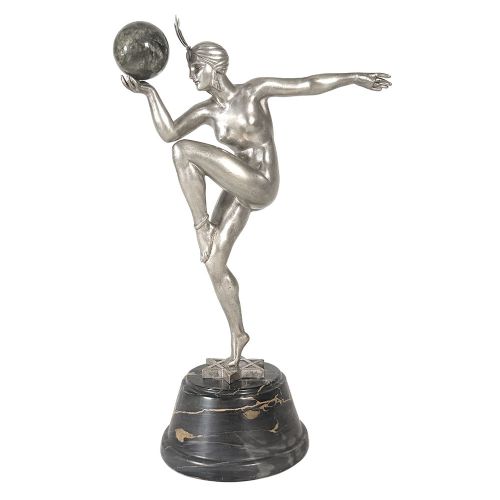
Makers utilised a diverse palette of natural materials including bronze, brass, copper, carved wood, terracotta, and stone. Artisans frequently combined these mediums, mounting carved wooden figures on metal stands or setting marble tops on brass scroll bases.
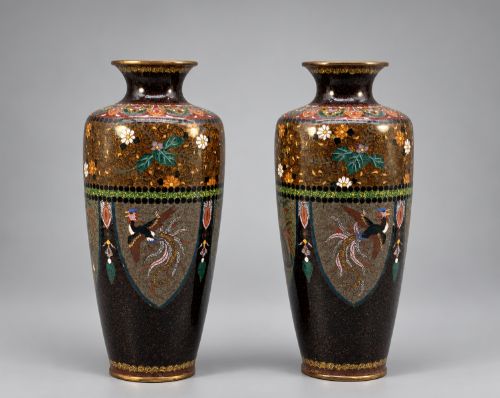
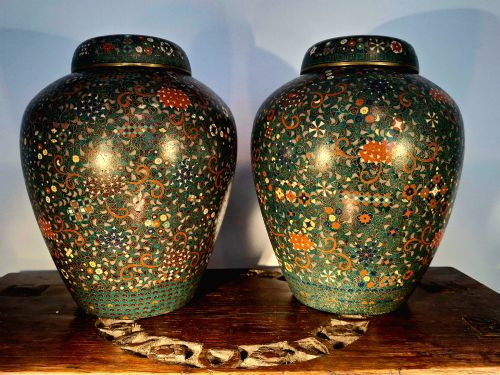
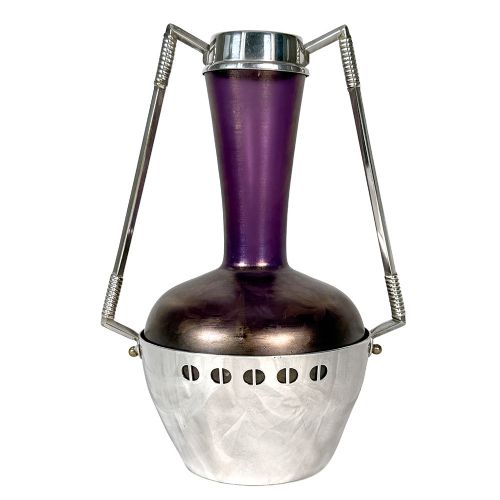
Surface decoration required specialist techniques such as cloisonné enamel work, hand-painted glazes, engraved repoussé details, and hammered metal shaping. Glassmakers employed iridescent treatments and vaseline formulas to capture shifting light across vases and bowls.
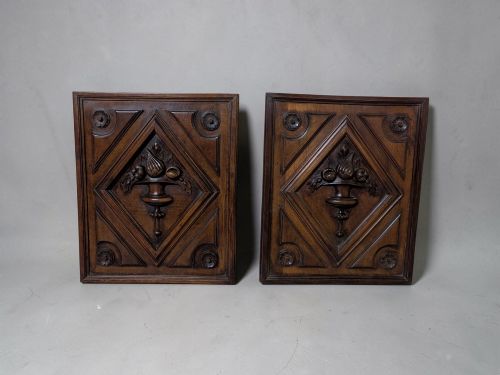
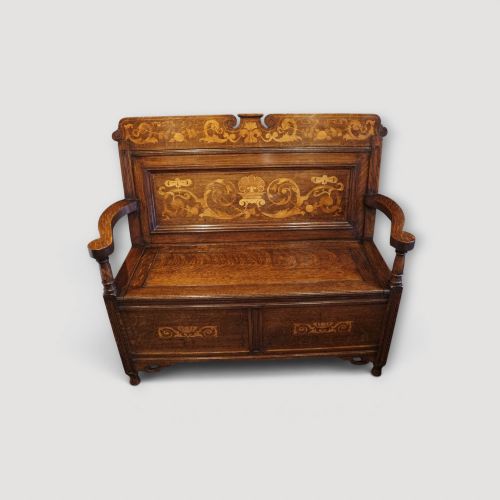
Cabinetmakers and ceramicists relied on traditional joining, turning, and firing methods appropriate to their era. Whether forming stoneware jugs or constructing oak furniture with carved decoration, makers balanced structural integrity with ornamental flair.
Listings feature ceramics, metalwork, and glassware spanning the nineteenth century through the 1930s.
What varies in quality
The degree of artistic execution distinguishes standard decorative objects from exceptional works. Fine examples display confident handling by the maker, whether in the crisp lines of a carved panel or the precise application of enamel wires.
Material selection and surface finishing heavily influence overall merit. Pieces retaining original patination, vibrant glaze effects, and intact metalwork demonstrate greater integrity than those with altered surfaces or replacement components.
Design ambition plays a central role in grading these items. Objects conceived by notable designers or produced within established potteries and metalwork studios exhibit a coherence of style that elevates them above mass-produced items.
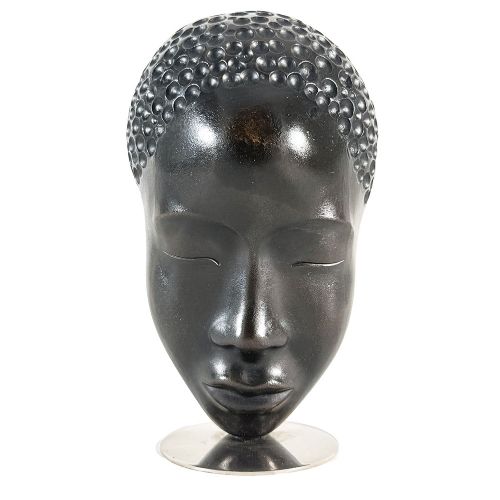
Hagenauer·Maurice Giraud-Rivière·Loetz·Royal Doulton·GM Elwood for JS Henry
The Antique Decorative Art Glossary
- Cloisonné
- Enamelling technique where thin metal wires are soldered to a metal base to create compartments filled with coloured paste and fired. This method produces intricate patterns defined by delicate metal outlines.
- Repoussé
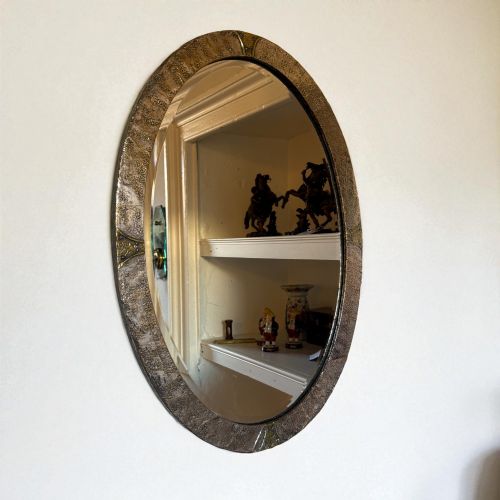
- Metalworking technique where the artisan hammers a design from the reverse side of a sheet of metal to raise relief details on the front. Engraved lines are often added to the surface afterwards to refine the imagery.
- Terracotta
- Unglazed or glazed fired clay possessing a brownish-red colour. This material is frequently utilised for sculptural figures, architectural ornaments, and large garden or interior vessels.
- Vaseline glass
- Type of glass containing uranium dioxide that exhibits a distinctive yellow-green fluorescence under ultraviolet light. It gained popularity during the nineteenth century for decorative tableware and small vessels.
- Stoneware
- Dense, vitrified pottery fired at high temperatures until non-porous. It provides a durable body suitable for heavy domestic vessels and decorative studio ceramics.
Antique Decorative Art: Frequently Asked Questions
How do I date antique decorative art?
Dating relies on identifying stylistic markers, manufacturing techniques, and material compositions characteristic of specific periods like Art Nouveau or the Meiji era. Examining makers' marks, signatures, and construction methods helps narrow the production window.
Comparing pieces to documented examples from known designers or potteries provides further chronological context. Wear patterns and patination should align with the claimed age of the object.
Where were these decorative objects displayed?
Many of these items served as focal points in Victorian, Edwardian, and interwar domestic interiors. Vases, bowls, and bronze figures graced mantelpieces, sideboards, and occasional tables.
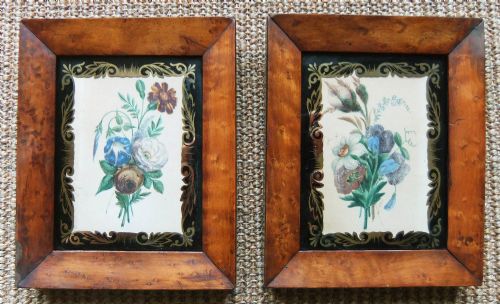
Larger items such as mirrors, wall panels, and framed paintings were positioned to enhance light and visual balance within reception rooms and hallways.
How should I care for mixed material antiques?
Care requirements depend on the primary components of the specific object, whether metal, wood, ceramic, or glass. Gentle dusting with a dry microfiber cloth is generally suitable for most finished surfaces.
Avoid using harsh chemical cleaners or abrasive polishes that can strip original patination, damage delicate enamels, or harm wood finishes. Keep items away from direct sunlight and excessive humidity fluctuations.
What defines Arts and Crafts decorative pieces?
Arts and Crafts items emphasise visible handcraftsmanship, natural materials, and utility combined with simple aesthetic beauty. Makers often utilised hammered metals, exposed joinery, and motifs drawn from flora and fauna.
This movement rejected industrial mass production in favour of traditional studio methods, resulting in pieces with an honest, unpretentious character.