





Antique Decor Textile
These antique decor textile pieces bring centuries of hand-stitched artistry, tribal weaving, and historic wall hangings directly into your rooms.
Antique Decor Textile
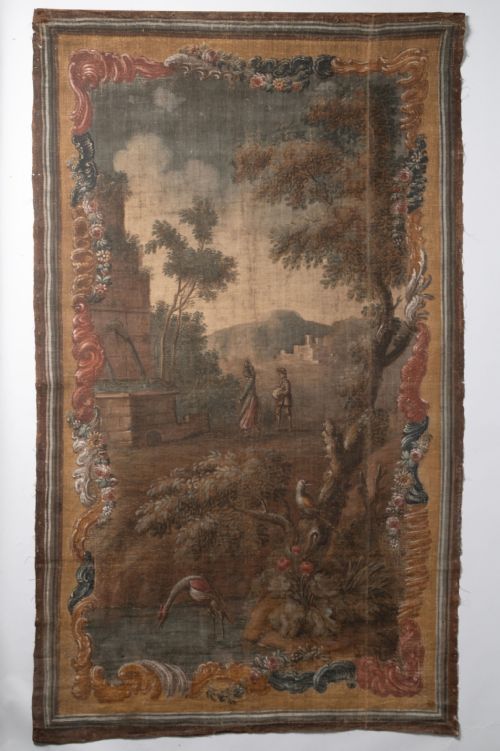
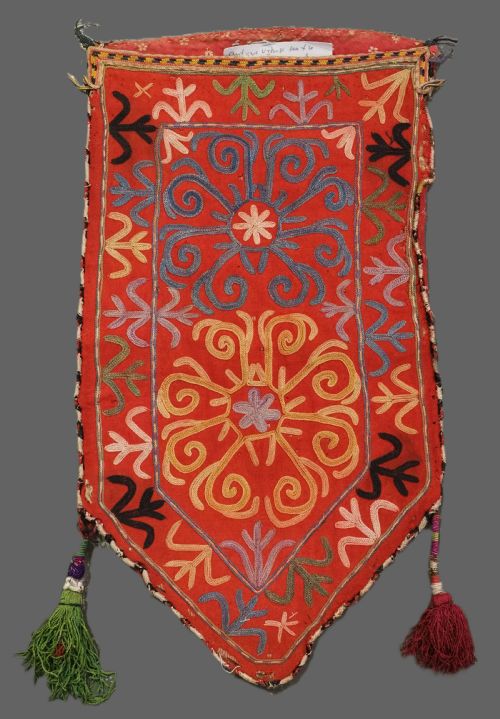
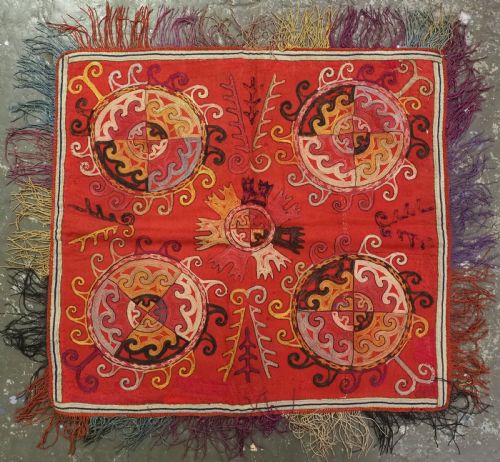
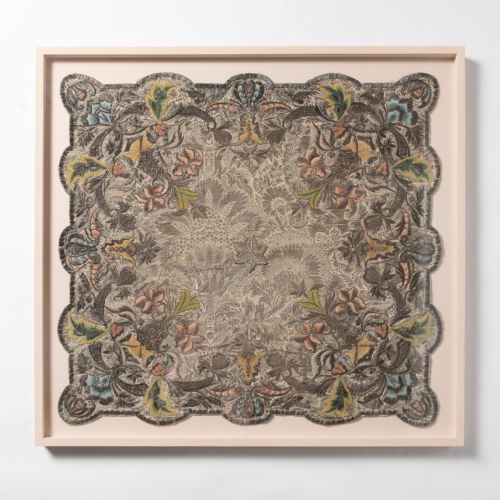
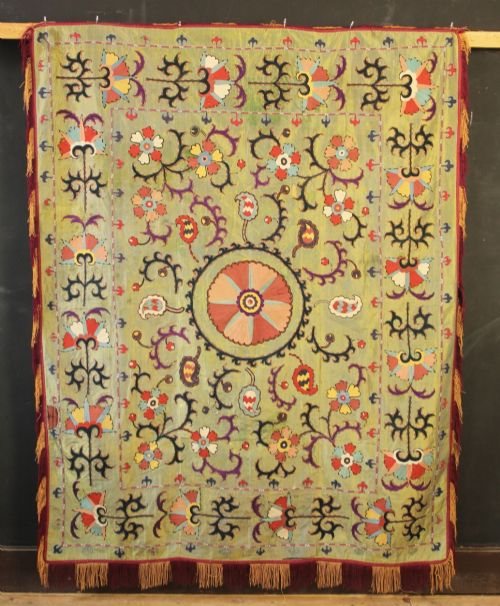
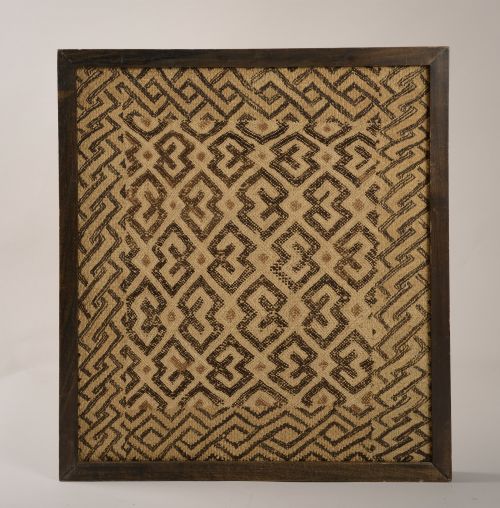
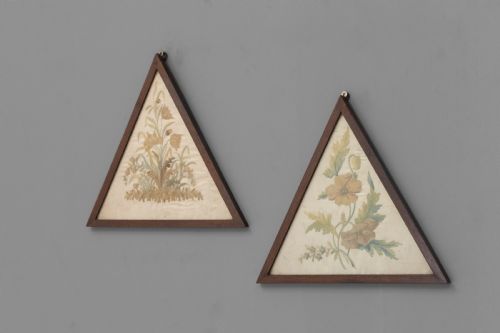
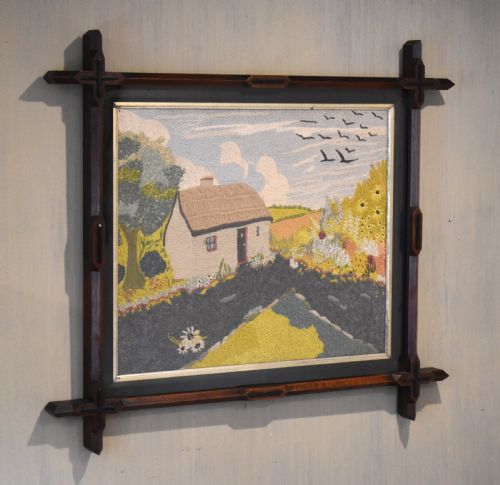
When you search for an antique decor textile, you encounter a diverse gathering of historic wall hangings, framed needlework pictures, and tribal embroideries spanning multiple centuries. The selection ranges from intricate Central Asian tribal pieces like suzanis and ilgichs to European tapestries and framed botanical needlework.
You are most likely to meet Central Asian tribal embroideries and nineteenth-century European needlework pieces on this page. These items often arrive ready for display, mounted behind glass or stretched across wooden frames to preserve their fragile weaves.
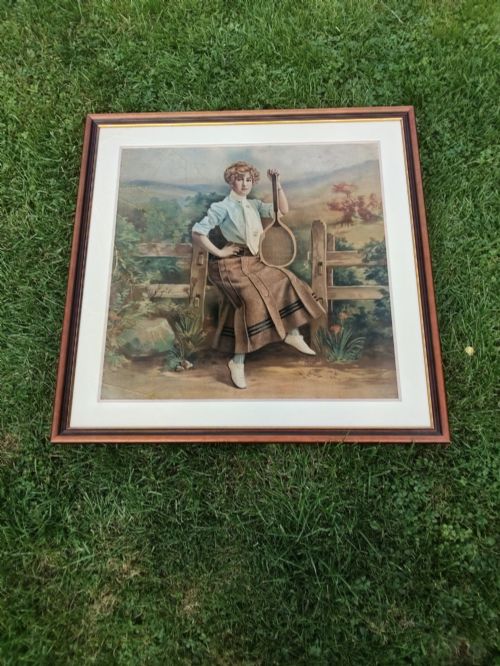
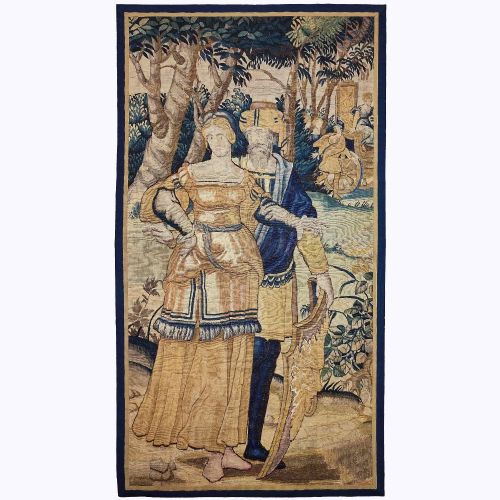
The objects cross several distinct aesthetic traditions, including Victorian framed pictures, French chateau tapestries, and Flemish Renaissance panels. Each piece reflects the domestic or nomadic customs of its origin, functioning primarily as wall art or decorative textile displays.
Materials and construction methods
The pieces rely heavily on natural fibres such as wool, silk, and cotton, often worked together on sturdy woven grounds. Artisans employed natural dyes to achieve rich, enduring palettes, visible in reds, greens, and earthy tones across tribal embroideries and tapestries.
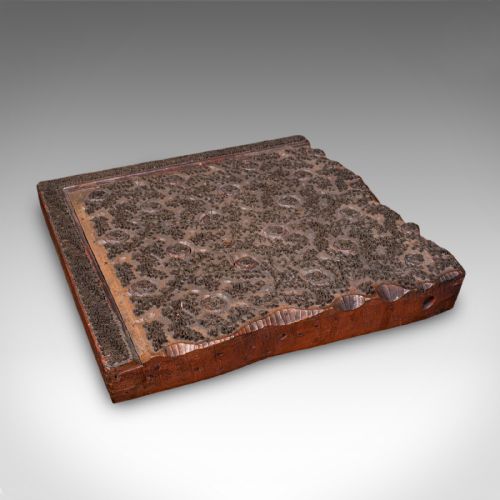
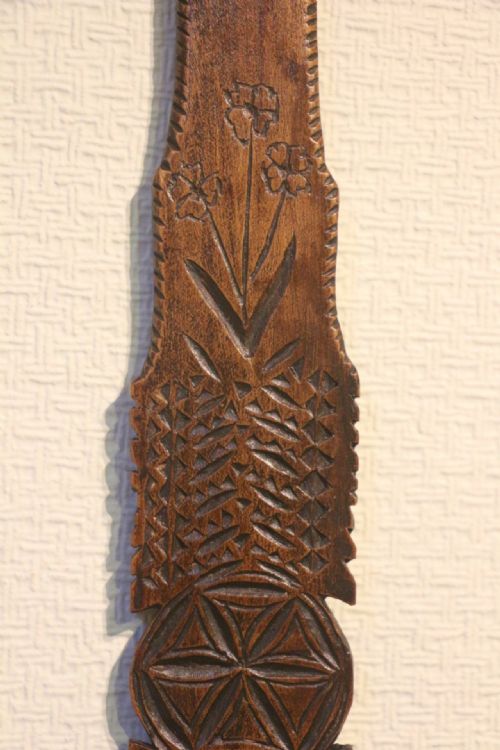
Needlework and embroidery techniques dominate the selection, utilising fine silk threads on wool grounds or detailed stitching on linen and cotton bases. Wood and brass appear in auxiliary items like carved printing blocks and distaffs, while framing materials incorporate glass and timber for wall protection.
Antique Decor Textile Retail Price Guide 2026
Typical asking prices for decor textile among the pieces listed under this phrase on Sellingantiques today, from the lower quarter to the upper quarter. They describe what is for sale here now, not the wider market.
A nineteenth-century needlework portrait of a horse shares space with carved wooden processional horses and tennis-playing Edwardian ladies.
Factors determining the quality of pieces
Quality rests on the density of the stitching, the complexity of the design, and the survival of the original materials. Finely worked silk on wool grounds from nomadic tribes or detailed needlework pictures demonstrate superior hand execution.
Condition and preservation dictate the upper tier of the range. Pieces retaining vibrant natural dyes, intact frames and glazing, and minimal structural loss command greater appreciation among collectors than heavily fragmented textiles.
The Antique Decor Textile Glossary
- Suzani
- An embroidered tribal textile originating from Central Asia, typically worked in silk on a cotton or wool ground. These large decorative panels often feature bold floral and geometric motifs.
- Tapestry
- A form of textile art woven on a loom rather than embroidered with a needle. Historical examples frequently depict figurative scenes or historic narratives.
- Toile de Jouy
- A type of cotton or linen fabric featuring repeated monochromatic printed pastoral scenes. Fragments are frequently framed as wall art.
- Distaff
- A tool used in spinning to hold unspun wool or flax fibres before they are drawn into yarn. Antique examples often feature carved folk art details.
- Ilgich
- A specific form of Central Asian embroidery used traditionally for domestic decoration or dowry displays. They exhibit distinct tribal patterns and colour combinations.
Antique Decor Textile: Frequently Asked Questions
How do I hang a textile safely?
Most textile pieces listed with frames and glazing can be hung directly using standard picture wire. Unframed panels require professional mounting to distribute the weight evenly across the fabric.
Avoid placing delicate silk and wool items in direct sunlight to prevent natural dye fading. Use stable interior walls where humidity and temperature fluctuations remain minimal.
What is a suzani?
A suzani is a decorative embroidered cloth from Central Asia, traditionally made by brides as part of their dowry. They display bold botanical designs worked in silk thread.
Collectors prize these panels for their vibrant natural colours and expressive needlework. They serve well as striking wall hangings in modern interiors.
How are needlework pictures dated?
Dating relies on stylistic markers, materials, framing techniques, and subject matter. Victorian and Edwardian pieces often show distinct stitching styles and domestic motifs.
Documentation or provenance from previous collections also aids in establishing a firmer timeline. Comparing weave structures with known museum examples clarifies the period.
Can I clean an antique textile?
Surface dust can be removed very gently using a soft brush with low suction through a mesh screen. Professional textile conservators should handle deeper cleaning to avoid fibre degradation.
Water and standard detergents can permanently damage fragile natural dyes and historic threads. Preventive care and stable framing remain the best maintenance methods.
What are tribal tent bands?
Tent bands are long, narrow woven textiles produced by nomadic groups in Central Asia for structural and decorative use within yurts. They feature dense geometric patterns.
These functional items demonstrate remarkable durability and sophisticated weaving techniques. Today they are repurposed as dramatic vertical wall displays.