



Antique Decor Prints
These antique decor prints offer a direct connection to centuries of graphic craft, bringing period maps, portraits and natural history directly to your walls.
Antique Decor Prints
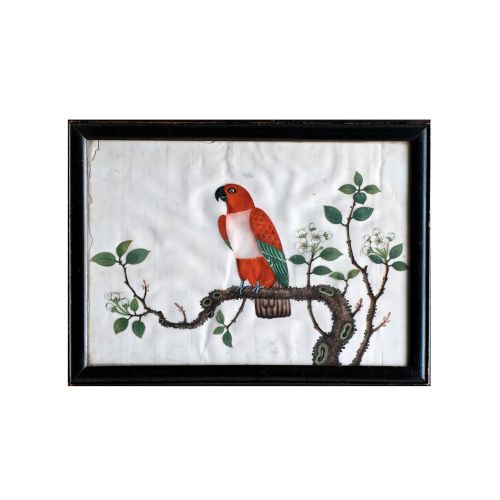
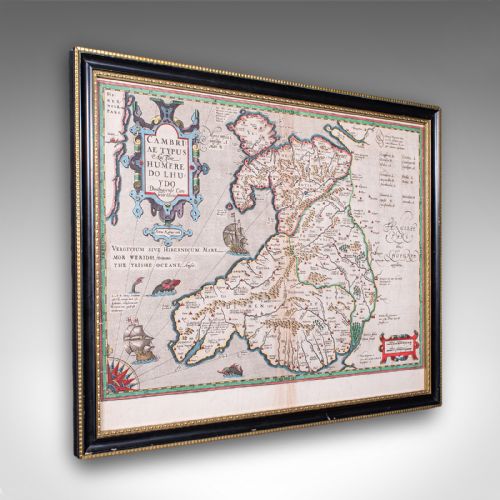
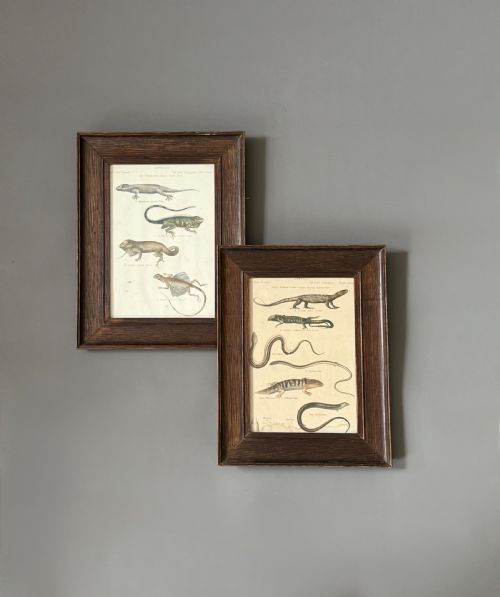
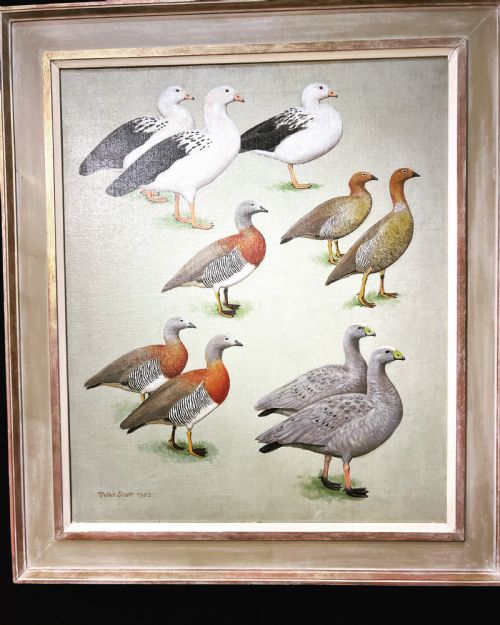
When you search for antique decor prints, you encounter a diverse range of paper-based works, maps and framed illustrations spanning from the eighteenth century to the mid-twentieth century. The selection includes everything from hand-coloured engravings of birds and reptiles to large nineteenth-century panoramic views of London.
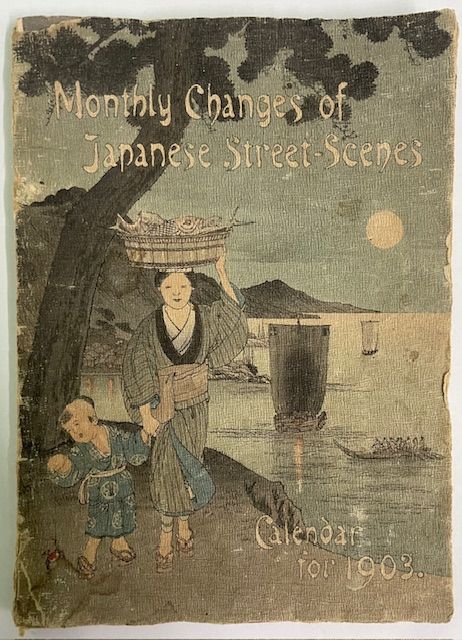
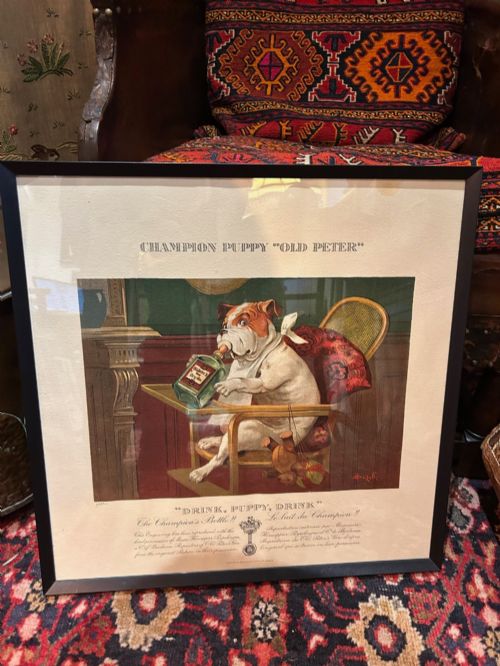
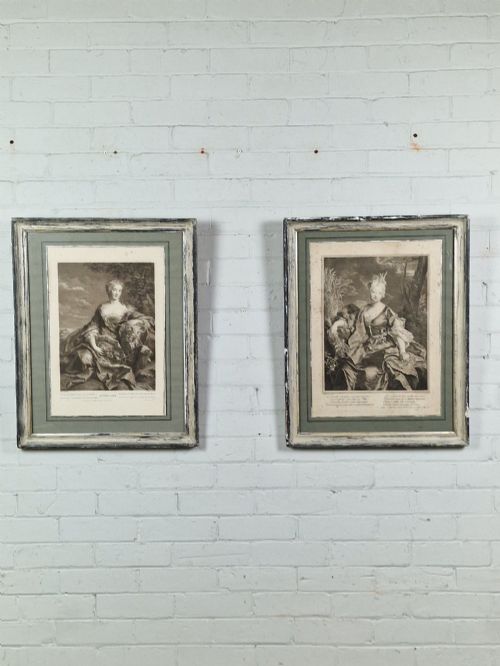
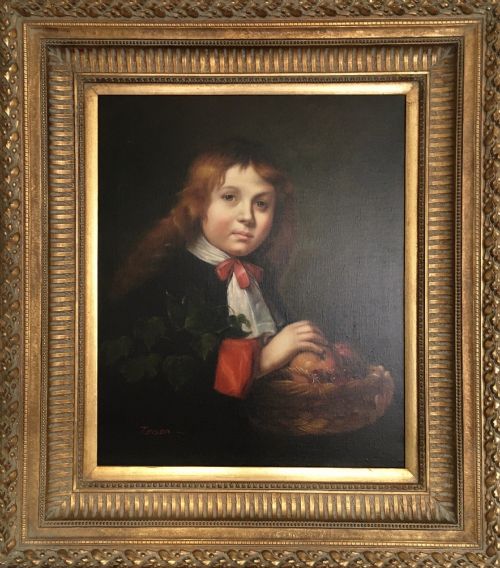
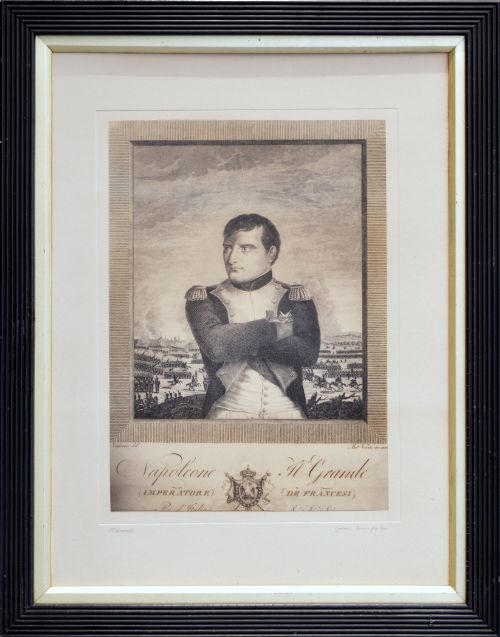
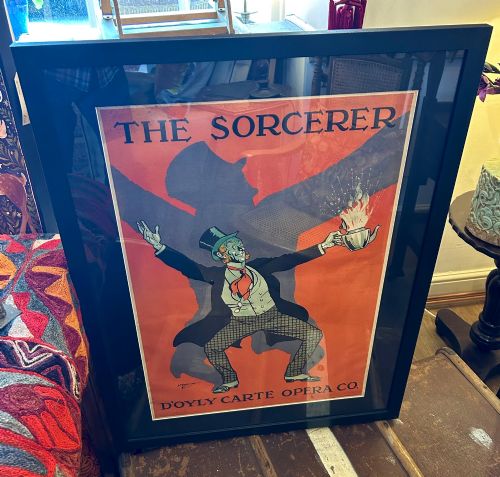
You are most likely to meet framed prints originating from the Victorian and Georgian eras, alongside early twentieth-century advertising posters and lithographs. Many pieces arrive housed in period frames, often utilising wood or gilt wood to complement the imagery within.
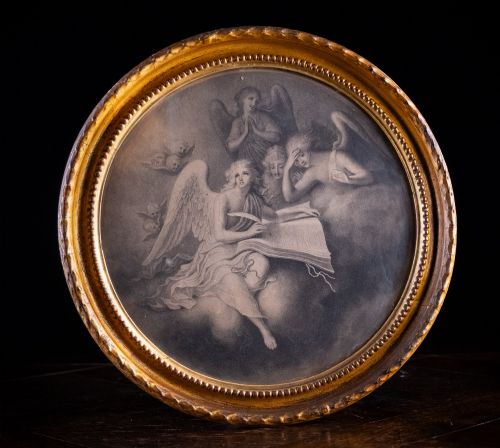
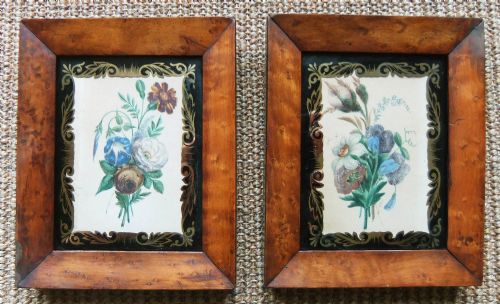
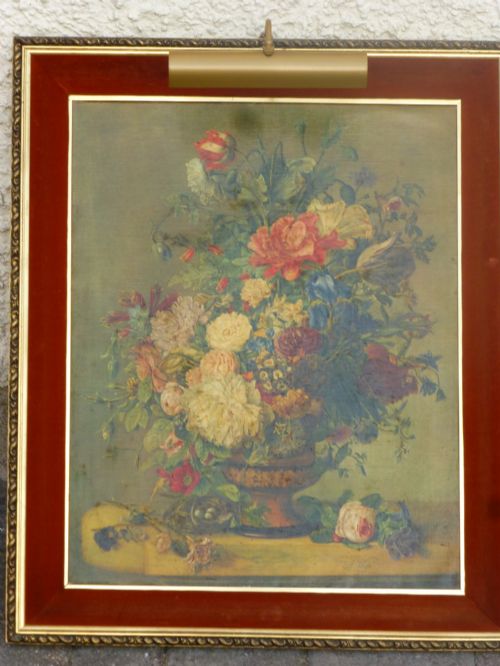
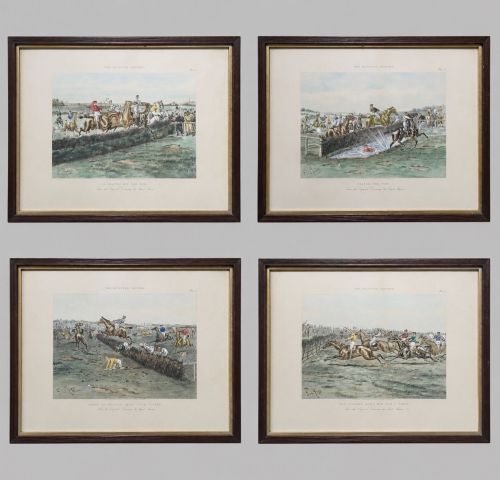
The category extends beyond simple paper prints to encompass reverse glass mezzotints, original watercolours and mixed media garden scenes. Whether you select a botanical specimen or a horse racing aquatint, these works reflect the prevalent artistic styles of their respective periods.
Materials and production methods
Production relies heavily on paper as the primary medium, upon which ink, watercolour and gold leaf are applied through various printing and painting techniques. Engravings, woodblock cuts and lithographs form the backbone of the graphic output, often enhanced by hand-colouring.
Specialised techniques such as reverse glass printing transfer imagery directly onto glass panels, sometimes paired with gilt wood framing. Other items utilise carved brass wallpaper printing blocks and canvas surfaces to achieve distinct textural qualities.
Antique Decor Prints Retail Price Guide 2026
Typical asking prices for decor prints among the pieces listed under this phrase on Sellingantiques today, from the lower quarter to the upper quarter. They describe what is for sale here now, not the wider market.
Listings feature paper, glass, canvas and gilt wood across Georgian, Victorian, Art Deco and Japanese Ukiyo-e styles.
Factors of quality and execution
Quality rests significantly on the precision of the initial printing technique and the subtlety of any subsequent hand-colouring. Sharp lines in an engraving or delicate brushwork in a watercolour separate standard decorative pieces from finer examples.
The integrity of the framing materials, such as original gilt wood or period Hogarth frames, contributes substantially to the overall standing of a piece. Preservation of the paper substrate, free from excessive discolouration, maintains the visual strength of the composition.
Humphrey Llwyd·William Bird·Sebastiaan Vrancx·George Finch Mason·George Rankin·Edwin Henry Landseer·Toulouse Lautrec·Charles Edward Wilson·Julian Mandel·George Romney·Jonathan Couch·George Edwards·William Daniell·Charles Faulkner
The Antique Decor Prints Glossary
- Aquatint
- An intaglio printmaking technique that produces areas of tone resembling watercolour washes. It was frequently utilised for sporting prints and illustrated books.
- Engraving
- A printmaking process where an artist cuts an image into a metal plate using a burin. The resulting lines hold ink to be transferred onto paper under pressure.
- Lithograph
- A planographic printing method based on the repulsion of oil and water. It allowed for rapid commercial reproduction of posters and portraits in the nineteenth century.
- Mezzotint
- A printmaking method in which the plate is roughened uniformly to produce rich dark tones and smooth gradations of light. Reverse glass examples place this technique behind protective glazing.
- Ukiyo-e
- A genre of Japanese art encompassing woodblock prints and paintings produced from the seventeenth through the nineteenth centuries. Subjects typically include landscapes and historical scenes.
Antique Decor Prints: Frequently Asked Questions
How should I hang antique prints?
Keep works away from direct sunlight to protect the paper and any water-soluble pigments from fading over time. Utilise stable wall fixings that match the weight of the frame.
Group pieces with similar period characteristics together to create a cohesive display that respects the historical context of the imagery.
What periods do these pieces cover?
The selection spans multiple centuries, reaching from sixteenth-century cartography and seventeenth-century portraits up to mid-twentieth-century posters and photography.
Victorian and Georgian pieces appear frequently alongside works from the Edwardian era and the 1920s.
Are the frames original?
Many works retain their period framing, which can include traditional gilt wood or Hogarth mouldings suited to the date of the artwork. Some items are paired with later or replacement frames chosen to complement the visual style.
Examining the corner joints and backing materials helps determine the age relationship between the print and its frame.
How do I care for paper art?
Maintain stable indoor humidity levels to prevent the paper substrate from warping or developing foxing spots. Ensure the glazing is intact to keep atmospheric dust and moisture away from the surface.
Consult a professional conservator if the backing board requires replacement or if the paper shows signs of structural stress.