



Antique Decor Piece
These antique decor piece selections gather varied historical objects like maritime models, bronze animals and carved wood centrepieces to grace a room.
Antique Decor Piece
An antique decor piece encompasses a wide variety of items designed to ornament a room, ranging from nautical models to carved animal figures and large centrepieces. When searching for an antique decor piece, buyers encounter works that span the nineteenth and early twentieth centuries, reflecting diverse cultural craftsmanship.
Most items stem from the nineteenth century or the Edwardian period, utilising materials typical of those eras such as porcelain, bronze, brass, and carved hardwoods. Buyers are most likely to meet centrepieces, sculptures, and decorative objects that bring distinct historical character to an interior space.
How they were made
The construction of these pieces relies heavily on traditional woodworking, metal casting, and ceramic firing techniques. Artisans shaped dense timbers like boxwood, mahogany, sycamore, and rosewood using hand tools to achieve fine maritime models and detailed chess sets.
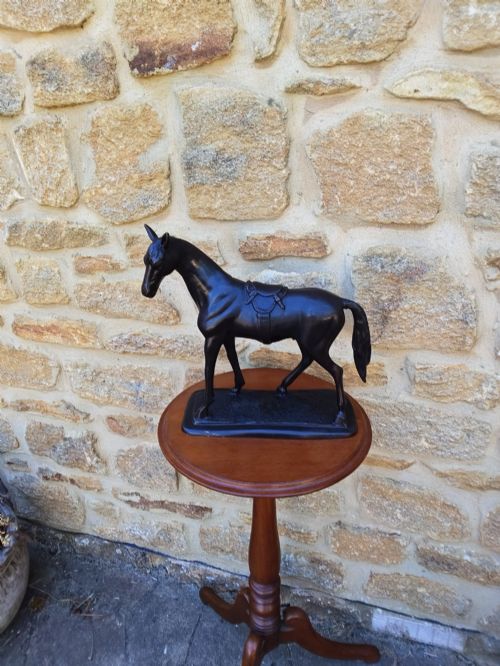
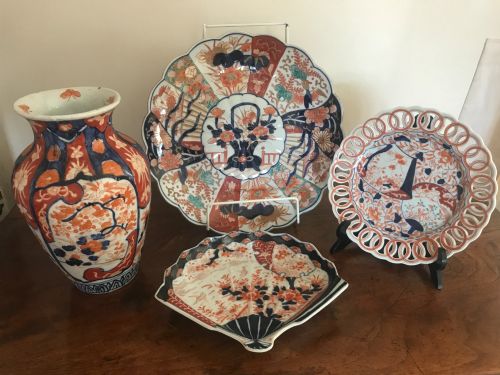
Metalwork is represented through cast bronze and brass, utilising founding methods common to nineteenth-century animalier sculpture and nautical hardware. Ceramic items such as Royal Dux centrepieces and Imari wares involve skilled moulding, glazing, and hand-painting.
A three-masted sailing ship patiently constructed entirely inside a glass bottle.
What varies in quality
Quality in these decorative items rests upon the precision of the carving, the crispness of the bronze or brass casting, and the preservation of original surfaces. Finer examples show meticulous attention to anatomical detail in animal sculptures or exacting rigging on model ships.
The choice of materials also dictates the standard of the piece, with dense exotic hardwoods, heavy patinated bronze, and hand-painted ceramic glazes marking superior execution. The integration of supporting elements, such as marble bases for yacht models, adds to the overall stability and presence of the object.
The Antique Decor Piece Glossary
- Animalier
- A nineteenth-century artistic style focusing on the realistic depiction of animals, particularly in bronze sculpture. This genre captures creatures in dynamic or natural poses.
- Black Forest
- A style of wood carving originating from the mountainous region of central Europe, known for realistic representations of animals and foliage. These carvings often form centrepieces or decorative furniture.
- Imari
- A traditional type of Japanese porcelain decorated with underglaze blue and overglaze iron red, gold, and other colours. Pieces display intricate decorative patterns developed during the Edo and Meiji periods.
- Centrepiece
- A large decorative object placed in the middle of a table or surface to anchor a room's visual scheme. Nineteenth-century examples often incorporate ceramics, carved wood, or metalwork.
- Tiller yoke
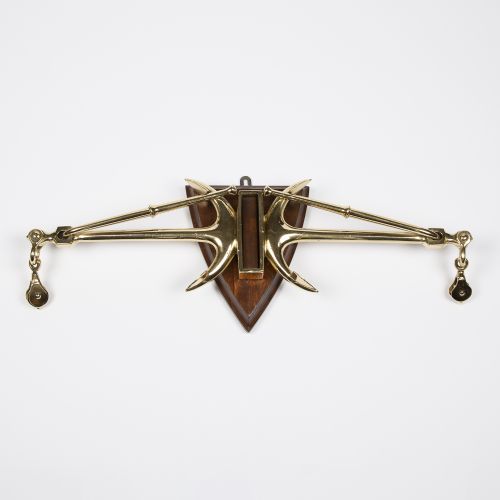
- A transverse bar fitted to the head of a boat's rudder to receive the steering lines. This nautical component functions as a decorative object when mounted on a wall.
Antique Decor Piece: Frequently Asked Questions
What defines an antique decor piece?
An antique decor piece is an ornamental object created in the nineteenth or early twentieth century to enhance an interior space. These items range from maritime models and bronze sculptures to carved wooden centrepieces and ceramic wares.
They derive their appeal from historical manufacturing methods and materials such as boxwood, bronze, porcelain, and tortoise shell carapace. Each piece reflects the aesthetic tastes and functional traditions of its period of origin.
How were maritime decor pieces used?
Maritime decor pieces, including model sailing ships in bottles and carved yacht models on marble bases, served primarily as display items in homes or offices. They celebrated naval achievements, maritime exploration, and personal connections to the sea.
Such objects often commemorated specific vessels or general nautical craft, functioning as conversation pieces for collectors and enthusiasts of maritime history.
How do I live with a wooden centrepiece?
Living with a wooden centrepiece involves placing it away from direct heat sources and sudden humidity changes to protect the timber and carved details. Regular dusting with a soft, dry cloth preserves the finish of woods like rosewood, boxwood, and sycamore.
Positioning the object on a stable surface allows it to act as a visual anchor in a room, drawing the eye to its historical craftsmanship and material texture.
How can I tell the period of these objects?
Determining the period of these decorative items relies on identifying the materials, stylistic conventions, and manufacturing techniques characteristic of the nineteenth century and the Edwardian era. Details such as bronze casting methods, ceramic glaze types, and wood joinery offer strong chronological clues.
Comparing the specific subject matter, such as Meiji period ceramics or Victorian natural history specimens, helps place the object within its historical production window.