

Antique Daybed Settee
An antique daybed settee offers a generous seat for reclining in a grand hallway or drawing room.
Antique Daybed Settee
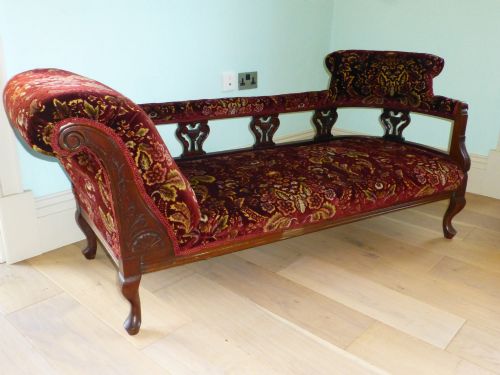
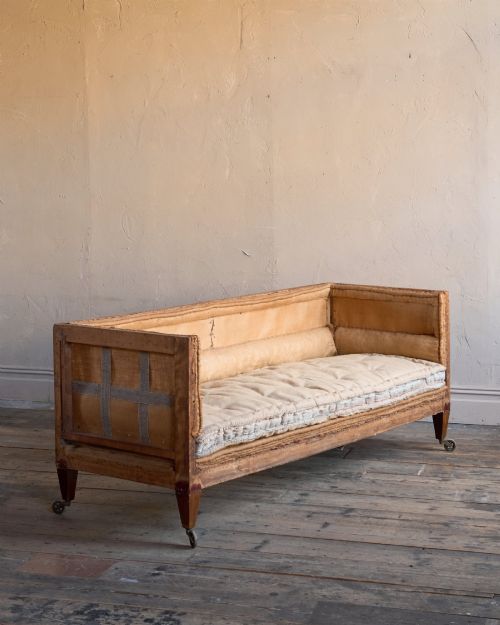
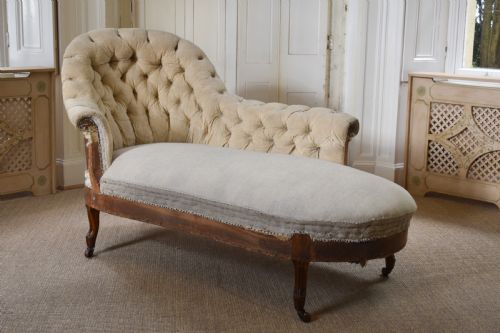
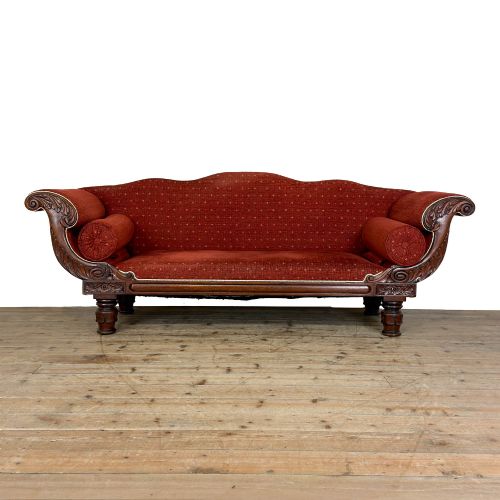
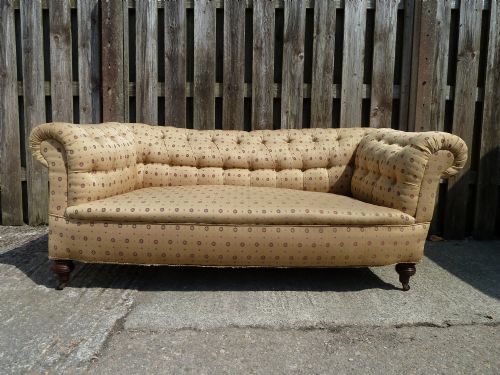
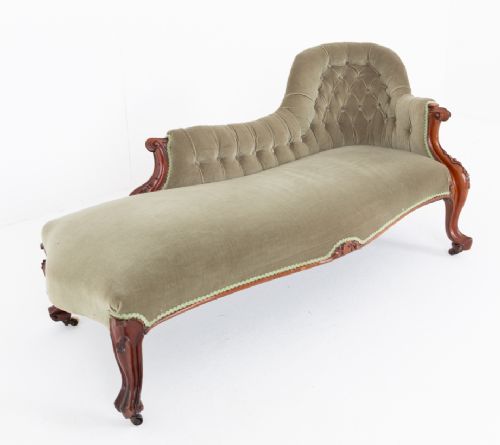
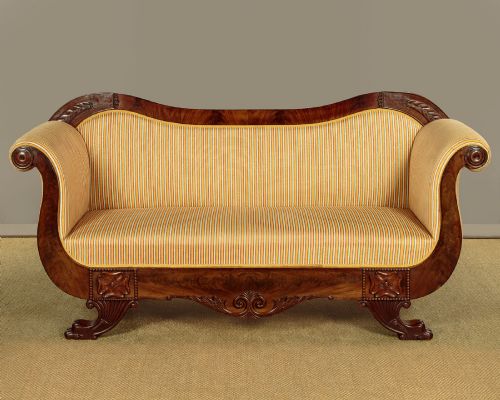
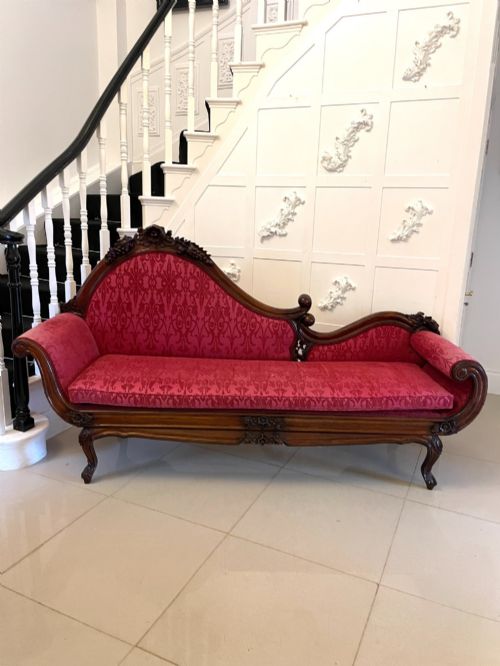
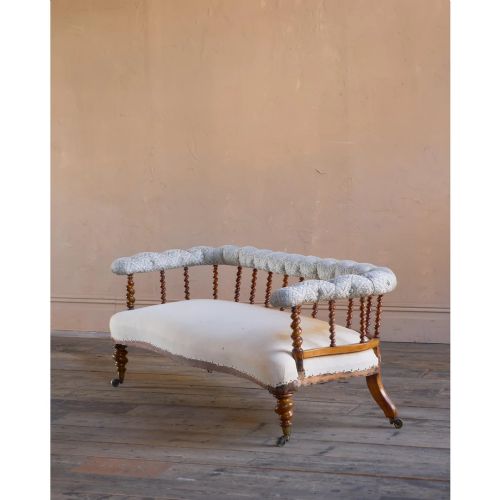
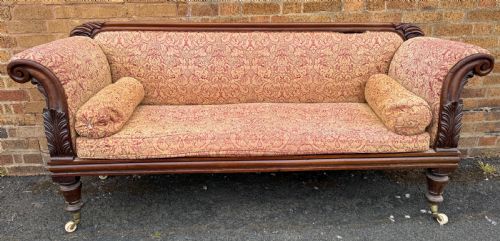
An antique daybed settee unites the reclining length of a couch with the upright support of a settee, taking forms such as the chaise longue, scroll-end sofa, and day bed.
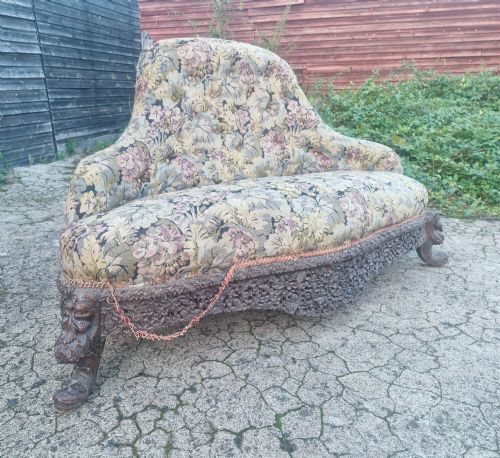
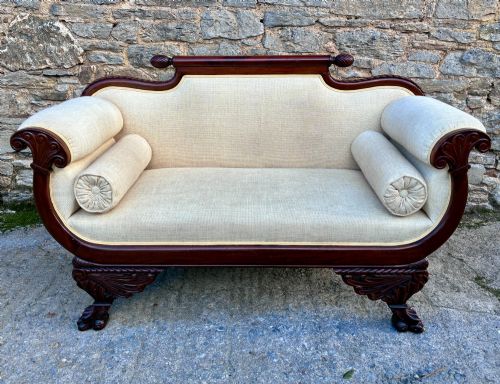
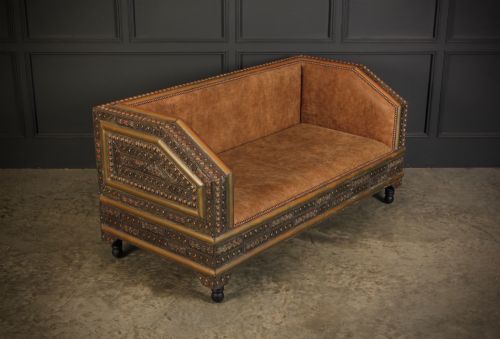
The pieces appearing here span the nineteenth century, Regency, and Victorian periods, alongside specific regional expressions like Anglo-Indian and Louis XVI style creations.
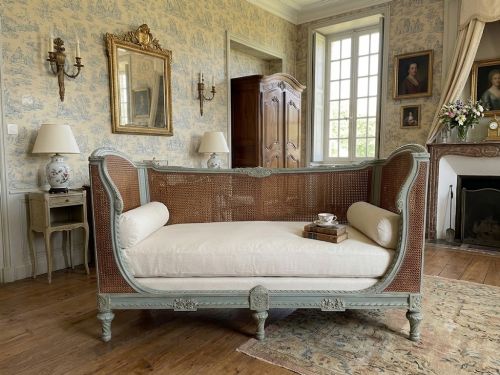
Buyers seeking this phrase most commonly encounter mahogany, walnut, and rosewood frames paired with cane, velvet, or fabric upholstery.
How they were made
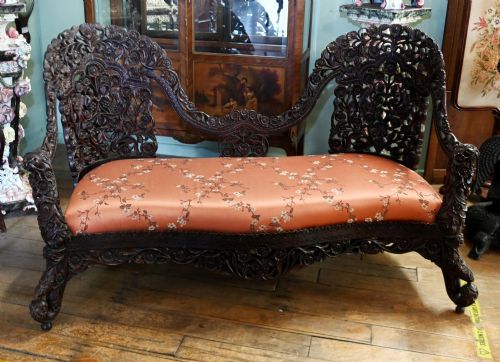
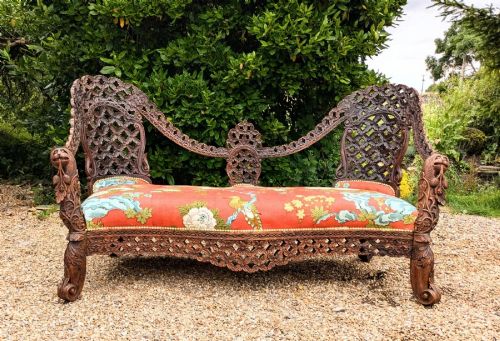
Cabinetmakers shaped dense timbers including mahogany, walnut, and rosewood into sweeping scroll arms and structural frames, often utilising hand-carved details.
Seating surfaces relied on woven cane panels or padded upholstery finished in fabric, velvet, and brass elements.
Antique Daybed Settee Retail Price Guide 2026
Typical asking prices for daybed settee among the pieces listed under this phrase on Sellingantiques today, from the lower quarter to the upper quarter. They describe what is for sale here now, not the wider market.
Dragon motifs occasionally peer out from nineteenth-century Anglo-Indian frames, bringing an unexpected creature to the drawing room.
What varies in quality
The ambition of the timber carving and the harmony of the scroll ends set finer examples apart from simpler workshop pieces.
The integrity of original cane work and the precision of joinery in the frame determine the enduring character of each piece.
C. Hindley & Sons·H. Goodall & Sons·Holland & Sons·Jas Shoolbred·Thomas Hope
The Antique Daybed Settee Glossary
- Chaise Longue
- An upholstered sofa shaped for reclining, featuring a backrest that extends along part of the length. This form provides a comfortable place to stretch out during the afternoon.
- Scroll-End
- A framing style where the armrests curl outward in a sweeping scroll shape. It defines many Regency and William IV pieces.
- Bergère
- An enclosed armchair or sofa featuring woven cane sides and back panels. French makers frequently utilised this technique.
- Settee
- A long wooden or upholstered seat with a backrest and arms designed for multiple occupants. It serves as a principal seating form in reception rooms.
- Canapé
- A French term for an upholstered sofa, often seen in Louis XVI and related continental styles on this page.
Antique Daybed Settee: Frequently Asked Questions
Where should I place an antique daybed settee?
These pieces suit large drawing rooms, spacious bedrooms, or wide hallways where their length can be appreciated from multiple angles.
Position the settee away from direct sunlight to protect delicate fabrics and aged wood finishes from fading.
How do I tell a Regency settee from a Victorian one?
Regency pieces often display classical restraint, clean lines, and architectural scroll ends inspired by antiquity.
Victorian examples tend to feature heavier proportions, darker woods like walnut, and more exuberant carved ornamentation.
Were these daybeds used for sleeping?
Historical daybeds and chaise longues served primarily for daytime resting, reading, and receiving visitors in private chambers.
They offered a comfortable intermediate option between sitting upright in a chair and retiring to a bed.
How do I care for cane panels on a sofa?
Woven cane requires gentle dusting with a soft brush and occasional light moisture to prevent the natural fibres from becoming brittle.
Avoid placing heavy weights on the centre of unreinforced cane panels to maintain their structural tension.