

Antique Daybed Chair
When you search for an antique daybed chair, you find nineteenth-century chaises, garden loungers and reclining seats made for afternoon rest.

Antique Daybed Chair
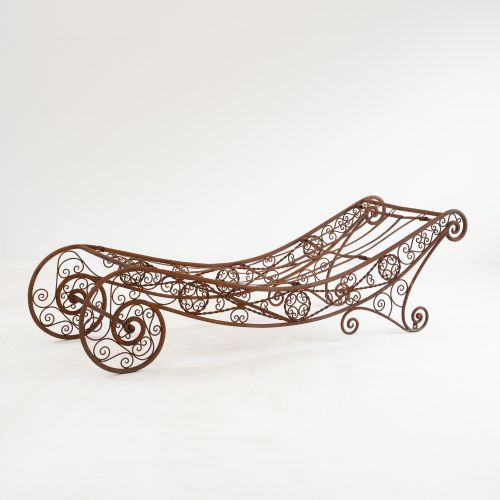
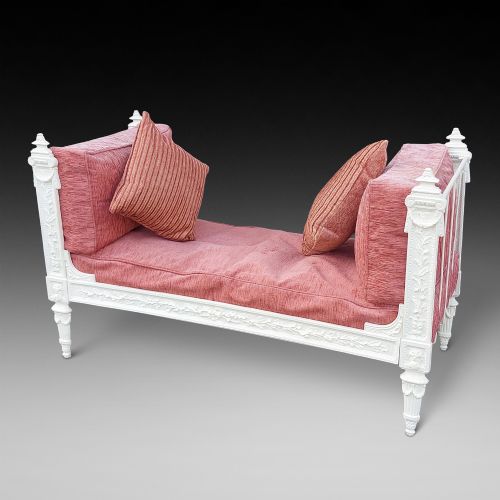
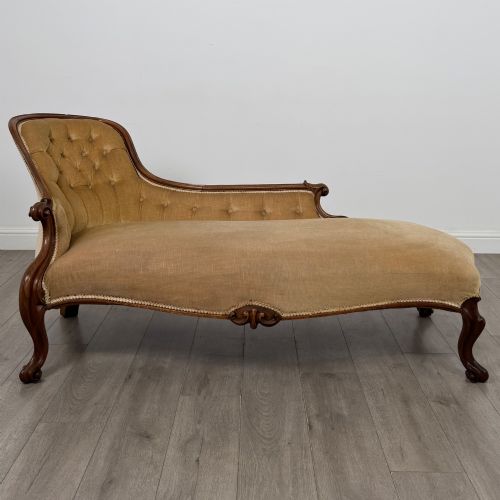
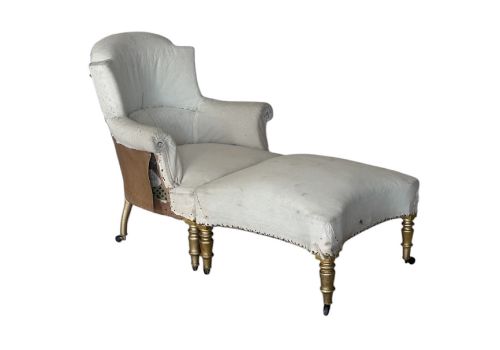
An antique daybed chair encompasses nineteenth-century chaise longues, reclining armchairs, daybeds and duchesse brisées designed for reclining in domestic interiors and gardens. Buyers browsing this selection most frequently encounter Victorian mahogany, walnut and rosewood chaise longues alongside French nineteenth-century iron garden pieces.
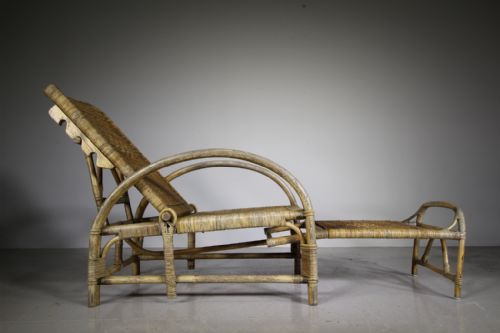
Makers and workshops of the period produced diverse forms, from Regency campaign styles and William IV rosewood frames to late Victorian cast iron daybeds and wicker reclining armchairs. These seats served distinct domestic spaces, appearing in grand country house drawing rooms, intimate boudoirs and shaded verandahs.
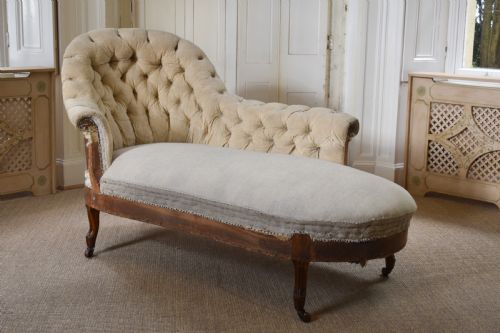
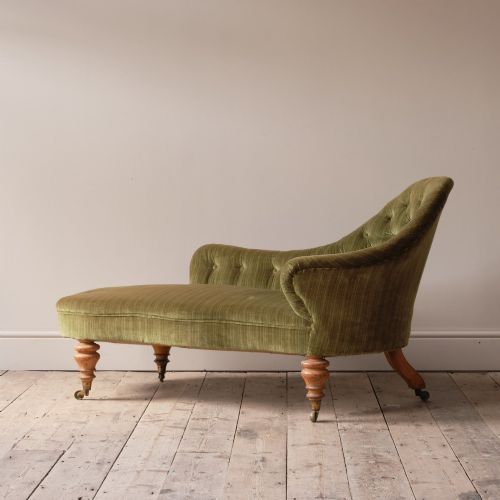
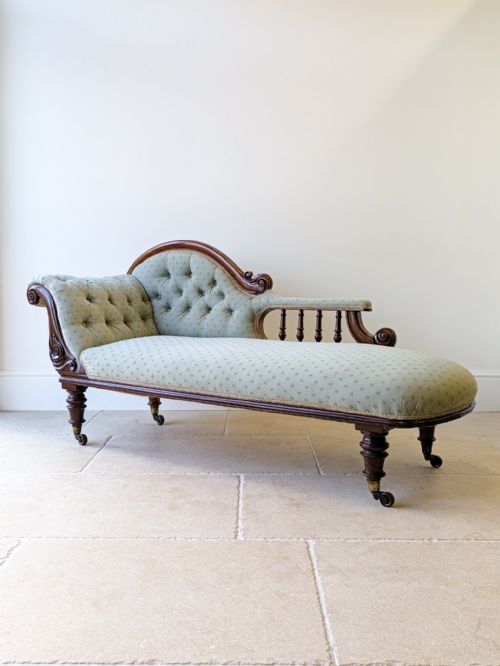
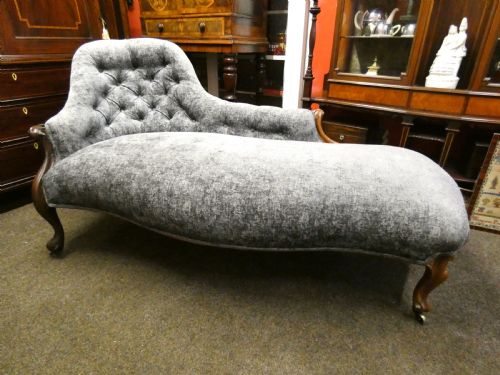
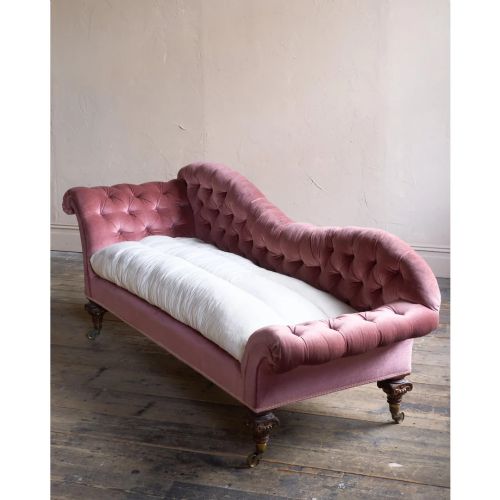
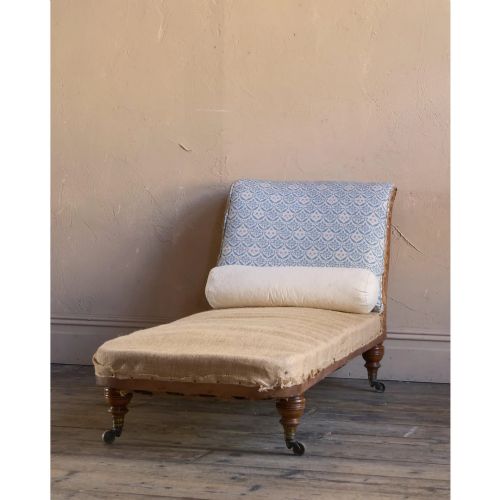
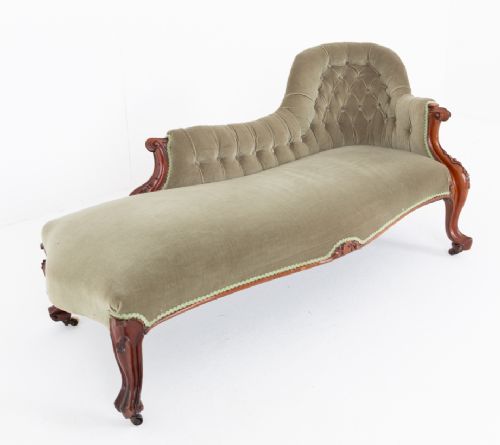
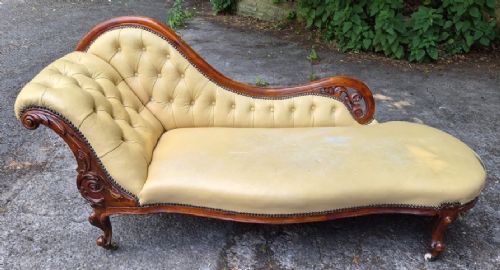
Object variations span from buttoned velvet sofas and blue damask chaises to bobbin-turned frames, gilt-decorated day beds and pieces with concealed storage compartments. Each form reflects the specific nineteenth-century domestic requirement for comfortable, semi-recumbent posture during daylight hours.
Materials and Construction
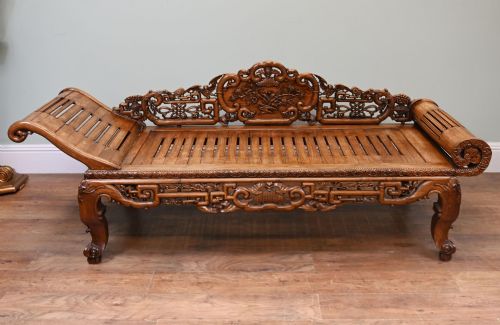
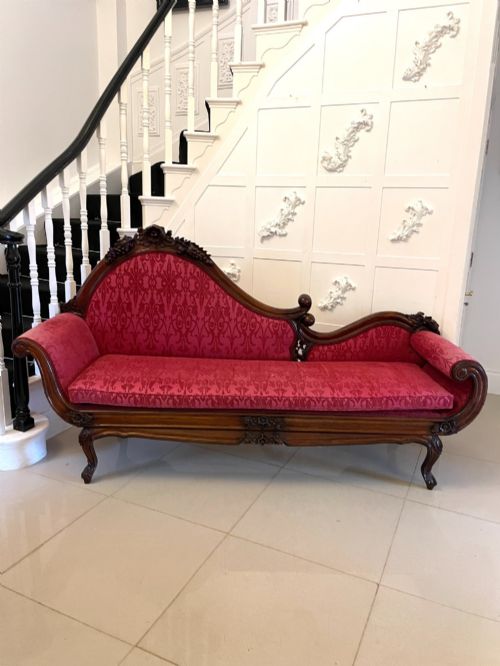
Cabinet makers utilised dense hardwoods including mahogany, walnut and rosewood to construct robust structural frames, often finishing them with carved details, bobbin turnings or ionic column legs. Metal variants employed cast iron and wrought iron, particularly suited for garden daybeds and French outdoor reclining frames.
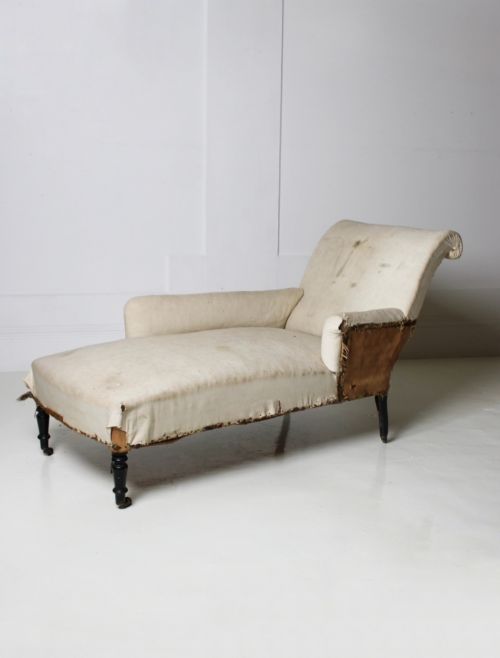
Upholstery techniques defined the comfort of these seats, incorporating traditional fabric coverings such as velvet, damask, calico and original paint finishes. Buttoning provided structural tension and surface pattern across padded backs and long seats, while cane and wicker served outdoor and lighter seating variants.
Antique Daybed Chair Retail Price Guide 2026
Typical asking prices for daybed chair among the pieces listed under this phrase on Sellingantiques today, from the lower quarter to the upper quarter. They describe what is for sale here now, not the wider market.
Some nineteenth-century chaises include concealed storage compartments beneath the seat for keeping books and embroidery out of sight.
Defining Quality in Reclining Seating
The distinction between standard examples and superior pieces rests in the execution of the timber carving, the integrity of the frame construction and the fidelity of the period style. Master workshops applied precise joinery and sophisticated timber selection, whereas lesser pieces relied on simpler assemblies and plain wood surfaces.
Upholstery execution and material grade further separate the range, with high-tier examples retaining fine historic textiles, buttoning and original paint or gilt decoration. The refinement of proportion, from the sweep of a chaise back to the turn of a leg, dictates the visual success of the piece.
Howard and Sons·Holland and Sons·Jas Shoolbred·Angraves of Leicester·William Birch·Gillows
The Antique Daybed Chair Glossary
- Chaise Longue
- A long reclining chair or daybed designed for supporting the legs as well as the upper body. These upholstered seats became prominent in nineteenth-century drawing rooms and boudoirs.
- Duchesse Brisée
- A multi-part daybed consisting of an armchair accompanied by a stool or a matched pair of chairs with a footstool between them. This French form allowed versatile reclining arrangements.
- Campaign Style
- Portable furniture constructed for travel and military use during the nineteenth century. These pieces often featured collapsible elements and robust timber frames.
- Bobbin Turning
- A method of woodturning that creates a series of rounded, bead-like shapes resembling spools along the leg or stretcher. It appeared frequently on nineteenth-century seating frames.
- Piecrust
- A decorative raised border carved or moulded along the edge of a wooden frame or table. The term describes the undulating profile found on certain nineteenth-century chaises.
Antique Daybed Chair: Frequently Asked Questions
Where were these daybeds used?
These seats were designed for nineteenth-century drawing rooms, boudoirs, plantation verandahs and garden spaces.
Formal rooms housed carved mahogany and rosewood chaises, while gardens utilised cast iron and wicker reclining frames.
How do I identify a Victorian chaise?
Victorian chaises typically feature solid timber frames in mahogany, walnut or rosewood with buttoned upholstery in velvet or damask.
Many examples exhibit carved wood details, ionic column legs or scroll ends characteristic of the mid-nineteenth century.
Are daybeds comfortable for daily use?
These pieces provide firm support designed for sitting with legs extended rather than flat sleeping.
Upholstered versions with traditional buttoning and sprung bases offer supportive resting places for reading or relaxation.