

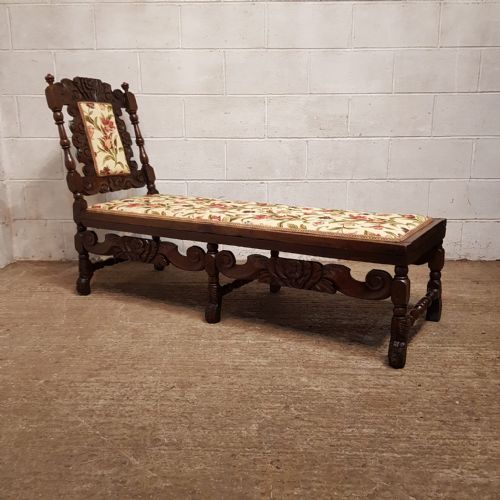


Antique Daybed Bench
An antique daybed bench provides a versatile resting place, combining the comfort of a sofa with the extended proportions of a bed.
Antique Daybed Bench
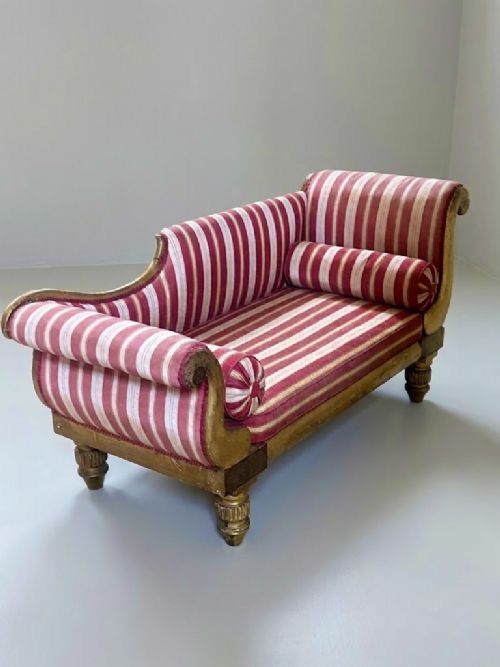
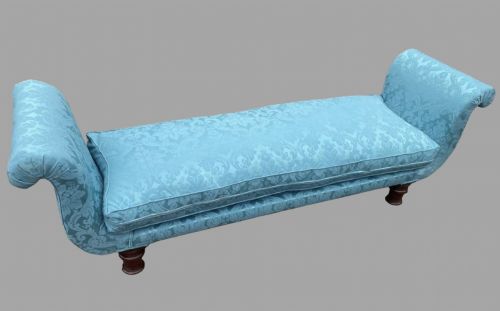
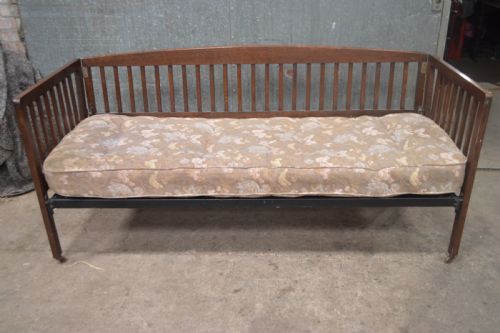
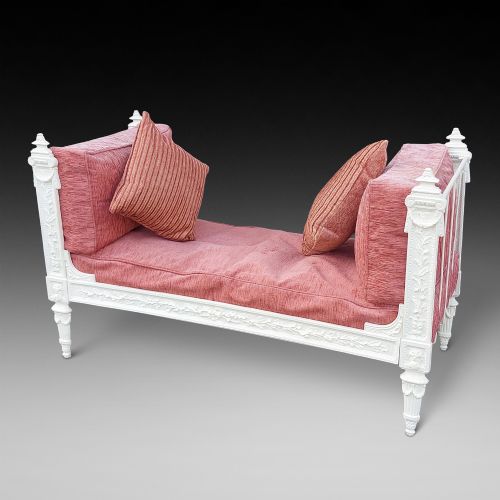
When you search for an antique daybed bench, you encounter a varied selection of seating designed for reclining, stretching out, or resting during the day. These forms span multiple centuries and design traditions, ranging from formal European frames to regional styles.
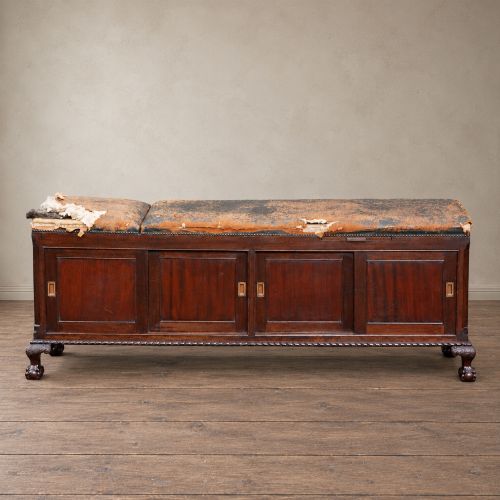
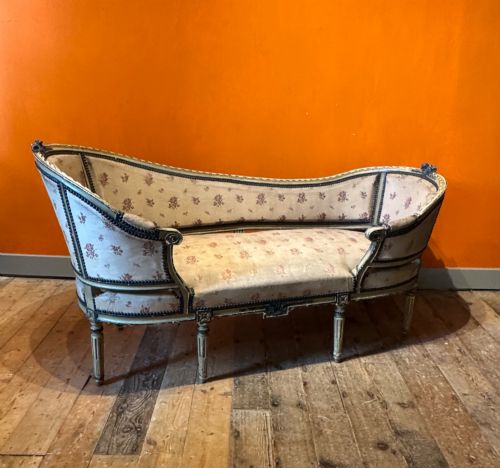
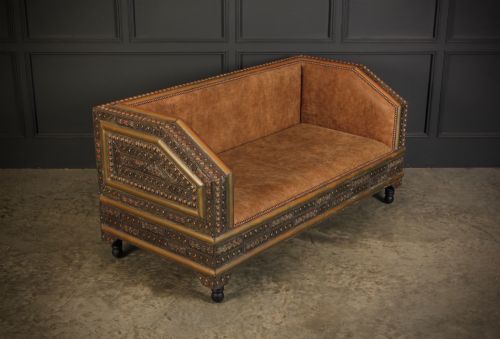
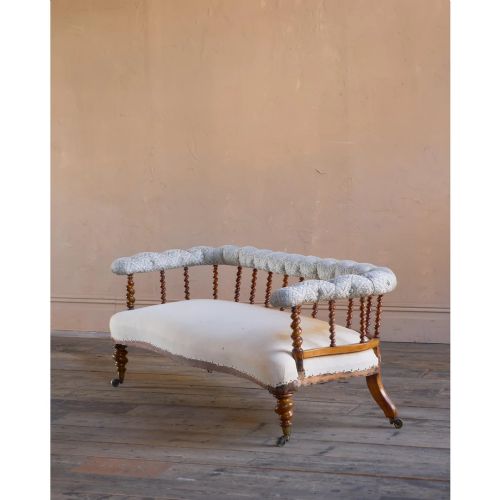
The pieces on this page include daybeds, sofas, settees, chaise longues, and benches created across diverse periods. You will frequently find nineteenth-century examples alongside eighteenth-century items and later twentieth-century iterations.
Origins vary widely across the inventory, encompassing French, Swedish, English, Italian, Chinese, and Indian regional aesthetics. This geographic breadth ensures that forms range from carved hardwood and painted wood to wrought iron and cast metal.
How they were made
Cabinetmakers and artisans utilised solid timbers such as mahogany, oak, rosewood, and regional hardwoods to construct durable structural frames. Joinery methods relied on traditional techniques like mortise and tenon joints to support the weight of daily reclining.
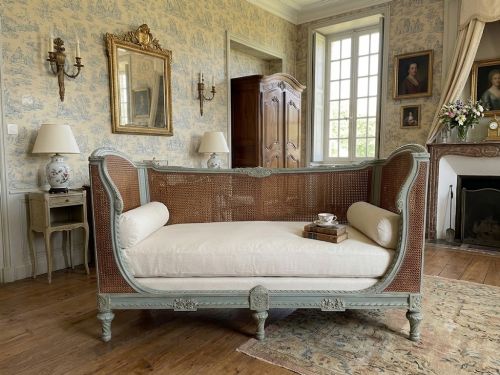
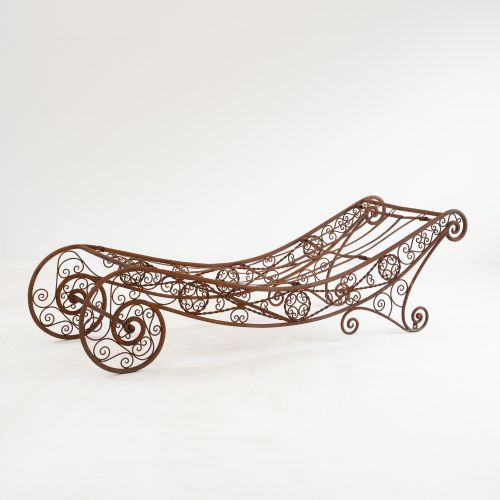
Many frames incorporate woven cane panels for seat bases or backrests, requiring skilled hand-caning work. Other versions utilise exposed metal such as brass, cast iron, or wrought iron, particularly in campaign or garden contexts.
Upholstery historically involved horsehair, linen, and fabric coverings, often secured with tacks over sprung or webbed bases. Decorative elements frequently feature carved wood details, painted finishes, giltwood, or inlaid surfaces.
Antique Daybed Bench Retail Price Guide 2026
Typical asking prices for daybed bench among the pieces listed under this phrase on Sellingantiques today, from the lower quarter to the upper quarter. They describe what is for sale here now, not the wider market.
Listings feature daybeds and benches spanning from the eighteenth century through the twentieth century, incorporating mahogany, oak, brass, and cane.
What varies in quality
The integrity of the structural timber frame determines baseline endurance, with dense hardwoods and tight joinery representing superior construction. Pieces retaining their original uncompromised framing demonstrate higher craftsmanship than those with extensive later alterations.
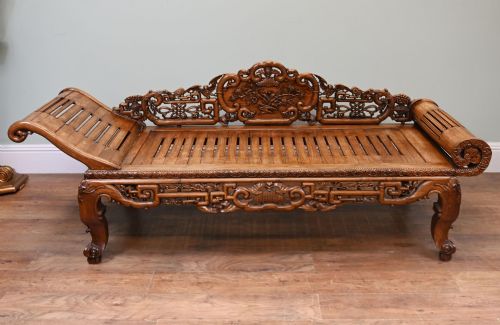
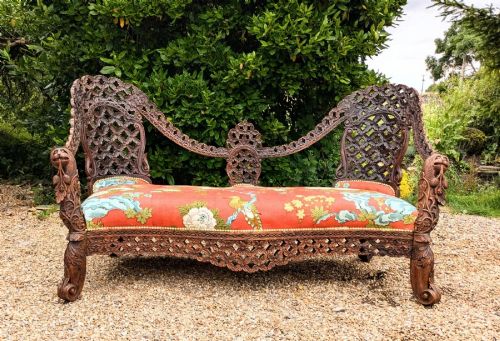
The refinement of carved ornamentation and the precision of applied decorative elements separate standard production from exceptional work. Hand-carved dragon motifs, nuanced giltwood, and precise cane weaving indicate elevated workshop standards.
The preservation of original surface finishes, whether painted, ebonised, or polished wood, influences the integrity of the piece. Surviving textiles and period upholstery techniques also contribute to the overall authenticity of the object.
C. Hindley & Sons·Howard & Sons
The Antique Daybed Bench Glossary
- Cane
- Woven material derived from the peeled bark of rattan palms, utilised for flexible and breathable seat or back panels. It requires careful manual labour to weave through frame holes.
- Lit bateau
- A French bed style characterised by boat-shaped curved head and footboards of equal or similar height. The form gained popularity during the early nineteenth century.
- Settle
- A wooden bench featuring a high back designed to block draughts, often incorporating a solid box seat for storage. These pieces frequently appear in country house settings.
- Giltwood
- Timber treated with a thin layer of gold leaf applied over a prepared gesso surface. This decorative technique enhances formal nineteenth-century salon furniture.
Antique Daybed Bench: Frequently Asked Questions
Where should I place an antique daybed bench?
These pieces suit living rooms, large hallways, or bedrooms where a secondary resting space is practical. Their elongated proportions make them effective placed against a long wall or positioned beneath a large window.
Because many examples feature finished backs or intricate woodwork, certain models function well as room dividers. Consider the clearance required for the extended length when planning your layout.
How do I care for cane panels on a daybed?
Cane requires moderate humidity to prevent the natural fibres from becoming brittle and snapping. Avoid placing the furniture directly next to heat sources or in intense direct sunlight.
Cleaning should be limited to gentle dusting with a soft brush. Periodically dampening the underside of the cane with a sponge can help maintain its natural elasticity.
How can I identify the period of an antique daybed?
Period identification relies on observing structural forms, wood types, and decorative motifs characteristic of specific eras. For instance, Regency pieces often display classical mahogany scroll ends, while eighteenth-century Gustavian items show pale painted finishes.
Examining the construction methods, such as screw types, joint cutting, and upholstery foundations, provides further clues to dating. Comparing the stylistic vocabulary against documented examples helps confirm the era.