
Antique Dark Oak Furniture
Antique dark oak furniture brings solid timber and centuries of domestic history into a room, offering practical storage and sturdy tables built to last.
Antique Dark Oak Furniture
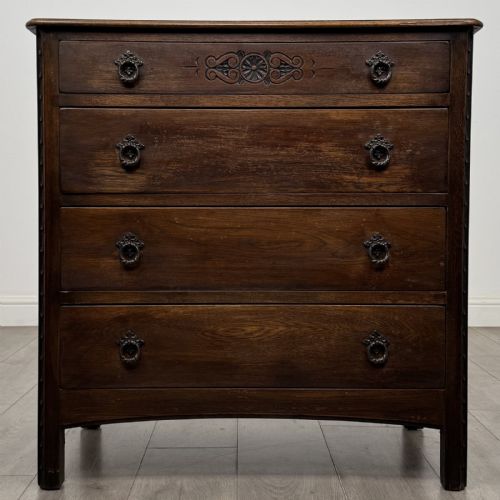
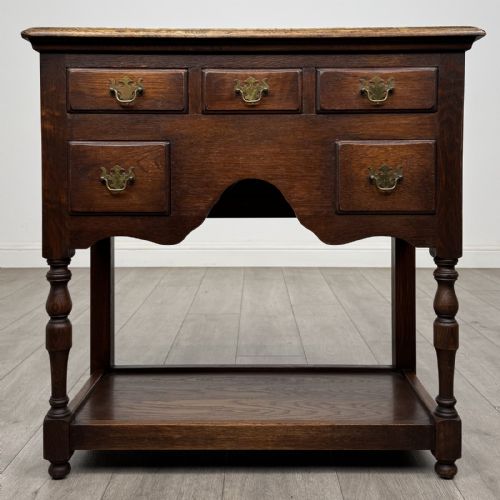
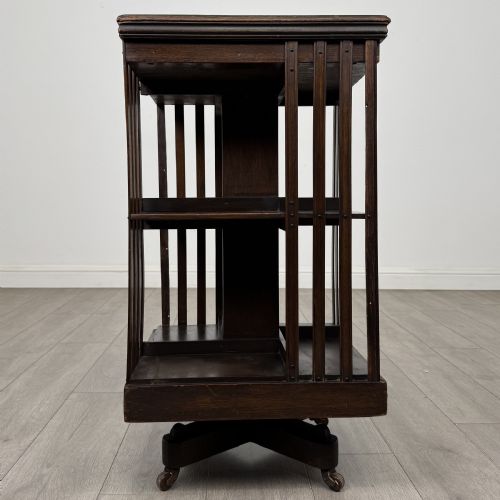
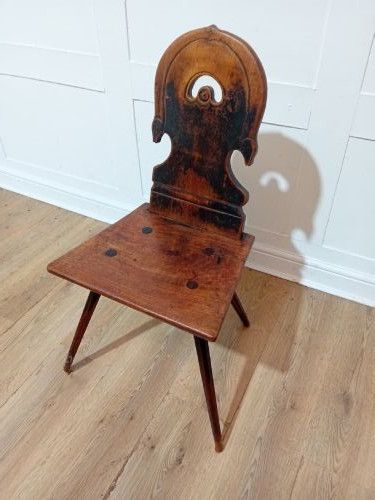
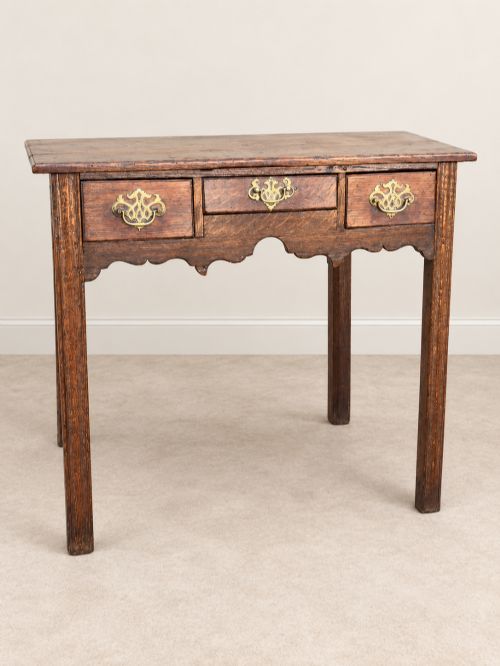
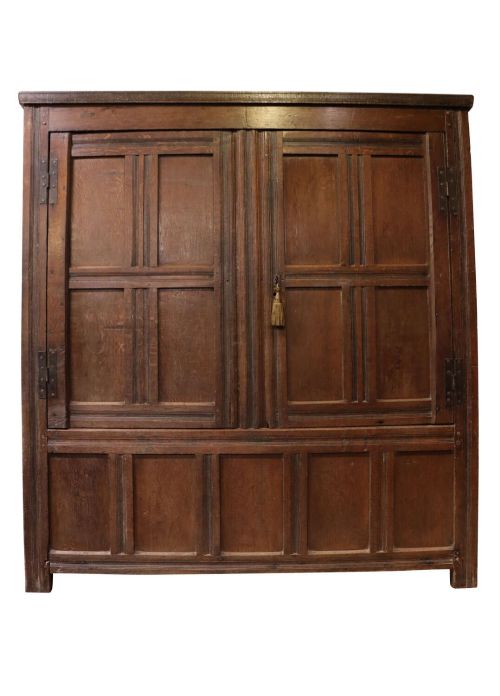
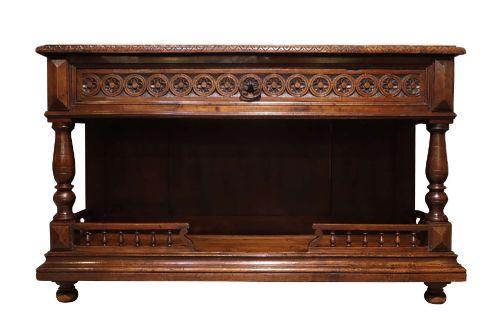
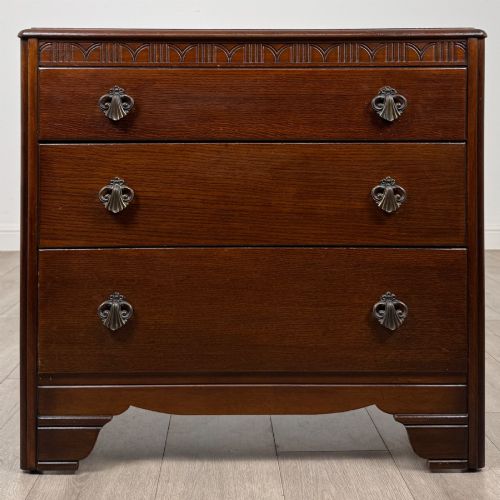
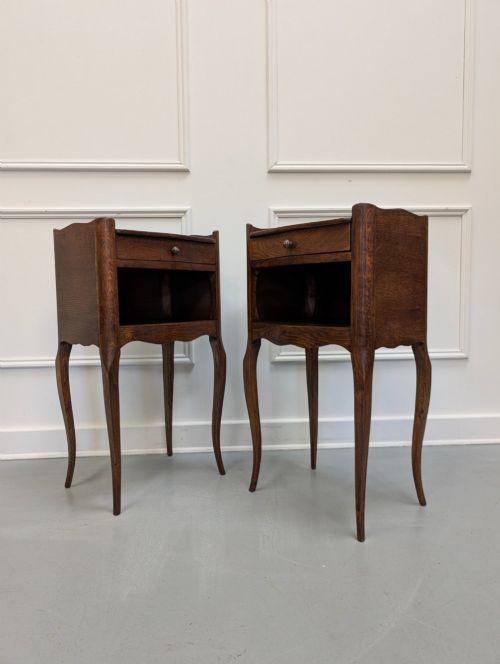
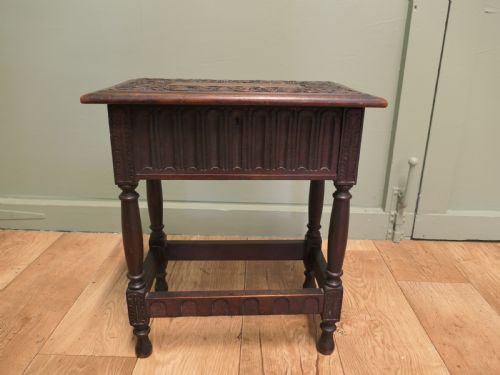
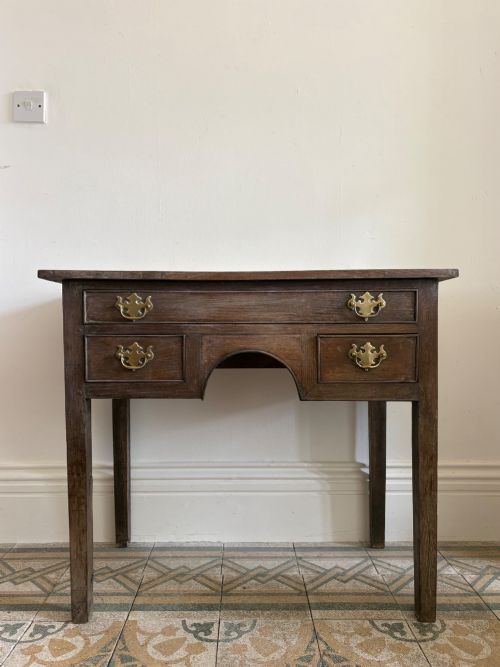
Antique dark oak furniture encompasses substantial storage pieces and practical tables found across multiple centuries. Buyers searching this phrase encounter everything from early joint stools and lowboys to Georgian dressers, bookcases, and Edwardian side tables.
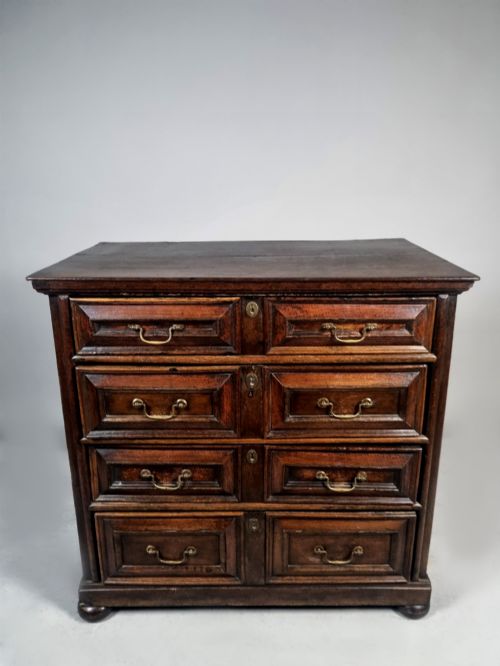
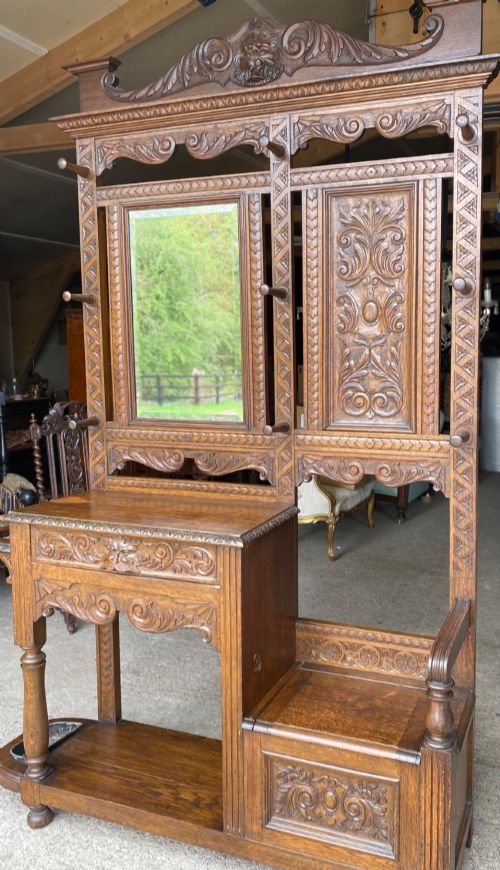
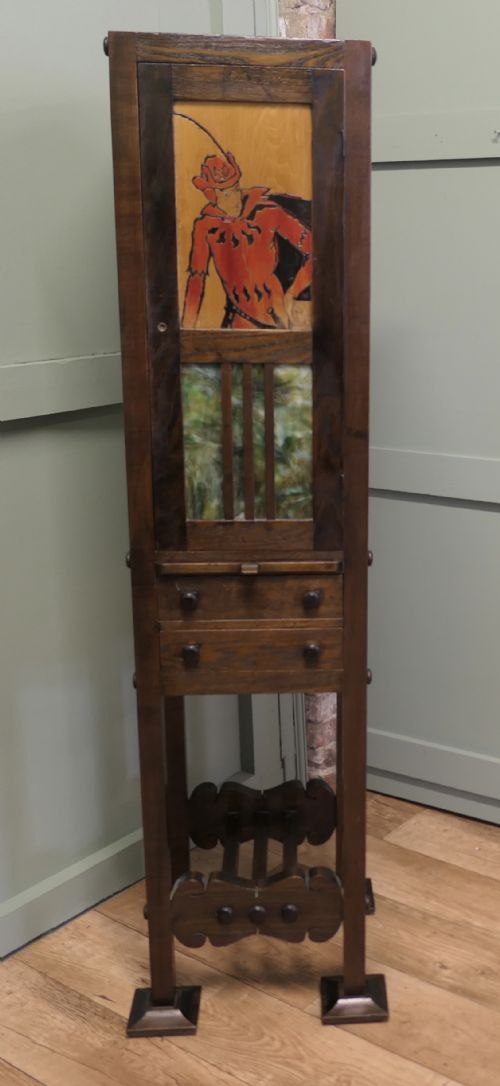
The material unites these objects, spanning seventeenth-century coffers and eighteenth-century chests of drawers through to later Arts and Crafts desks and Gothic Revival hall stands. Forms remain grounded in utility, serving daily domestic needs for sitting, writing, and holding household goods.
Origin points range from English country workshops to metropolitan cabinet makers, capturing shifts in domestic life from simple boarded construction to carved revival pieces. This variety lets a room hold a single heavy cupboard or several lighter occasional tables without crowding the space.
Materials and Construction
Makers relied primarily on solid oak, utilising its dense grain and durability for structural frames, panels, and drawer linings. Metal hardware such as brass handles and iron hinges appear alongside glass panels in bookcases and occasional fabric upholstery on seating.
Joinery methods define the older pieces, employing pegged mortise and tenon joints before later centuries introduced dovetailing for drawers and simpler mechanical fastenings. Surfaces often retain dry wax or polished finishes that develop deep patination over generations of use.
Listings feature oak furniture across eight distinct periods, led by Georgian and Edwardian examples.
Craftsmanship and Survival
Quality rests in the integrity of the timber and the honesty of the construction, distinguishing workshop pieces built for daily endurance from later decorative revivals. Original brasses, untouched surface patination, and unaltered timber add significant weight to a piece's standing.
Proportion and carving depth separate standard items from exceptional commissions by noted makers. A balanced silhouette and crisp detail work indicate a higher level of skill in the original workshop.
Gillows·Bowman Brothers·Liberty & Co.·Shapland & Petter·JS Henry
The Antique Dark Oak Furniture Glossary
- Lowboy
- A small side table or dressing table with one or more drawers, typically standing on four legs and dating from the eighteenth century. These low tables served various domestic functions in bedchambers and parlours.
- Joint Stool
- An early wooden stool constructed with pegged joints rather than turned legs, often serving multiple purposes including seating or small occasional surfaces. They represent sturdy seventeenth-century carpentry.
- Dresser
- A kitchen or dining room storage unit featuring lower cupboards or drawers beneath open plate shelves. Eighteenth-century examples often display deep patination on the main serving top.
- Coffer
- A heavy wooden chest used for storage, constructed with thick panels and often possessing a hinged lid. Early examples display primitive joined framing characteristic of seventeenth-century rural workshops.
- Draw Leaf Table
- A dining table equipped with sliding leaves tucked beneath the main top that pull out to extend the surface length. Edwardian iterations frequently utilise solid oak for this mechanised format.
Antique Dark Oak Furniture: Frequently Asked Questions
How do I date antique oak furniture?
Dating relies on observing construction methods, joinery types, and hardware alongside timber characteristics. Early pieces utilise pegged joints and hand-riven boards, whereas later nineteenth-century items show machine sawing and different fastening techniques.
Style clues also help narrow the decade, shifting from seventeenth-century strapwork carving to cleaner Georgian lines and Arts and Crafts simplicity. Comparing a piece to documented examples from similar periods confirms its age.
Where should I place an oak chest?
An oak chest suits hallways, bedrooms, or living spaces where its deep timber tone anchors the room. Placing it away from direct heat sources and strong sunlight protects the dry surface and prevents the wood from drying out.
These heavy storage pieces function well as focal points beneath large paintings or mirrors. Their robust build allows them to hold everyday items safely while contributing historical weight to an interior.
How do I care for dark oak surfaces?
Maintenance requires occasional light waxing with a traditional beeswax to nourish the timber and preserve the natural sheen. Avoid silicone-based sprays and excessive moisture, wiping spills immediately with a dry cloth.
Keeping the room at a stable humidity level prevents the wood from expanding or contracting too quickly. Gentle dusting with a soft brush keeps carved details clean without wearing down the finish.
What distinguishes Arts and Crafts oak?
Arts and Crafts oak pieces prioritise visible construction, simple geometric forms, and functionality over excessive surface ornamentation. Designers of this movement celebrated the natural grain of the timber and the skill of the hand-worker.
These items often feature exposed tenons, hammered copper or brass fittings, and unpretentious silhouettes designed for everyday utility. They bridge the gap between antique weight and modern domestic design.