


Antique Danish Silver
Antique Danish silver brings together refined Scandinavian design, exceptional craftsmanship and enduring materials across periods from the early twentieth century through the mid-century era.
Antique Danish Silver
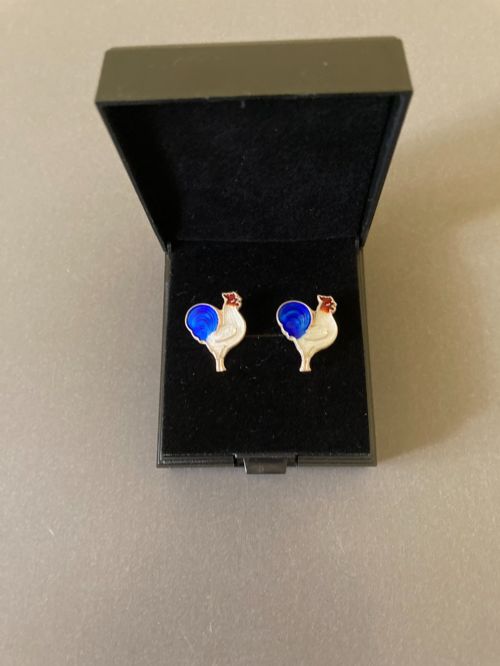
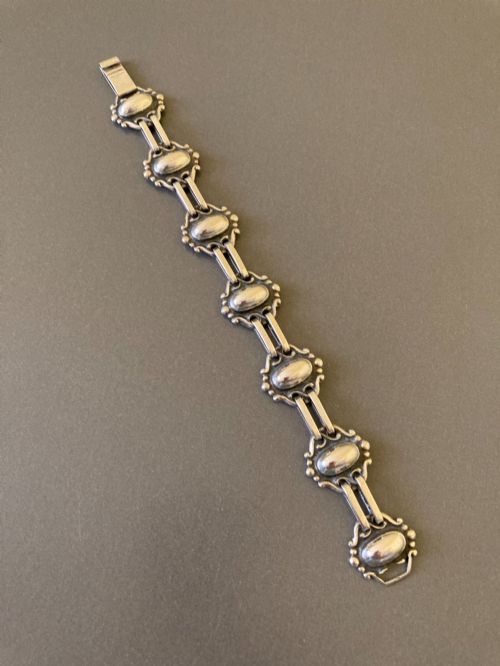
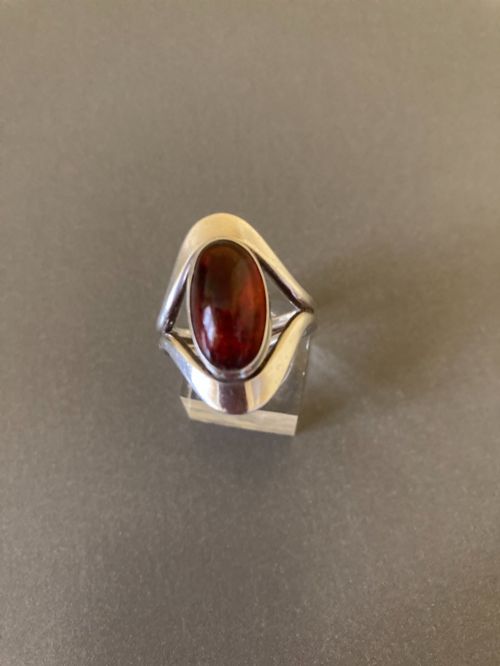
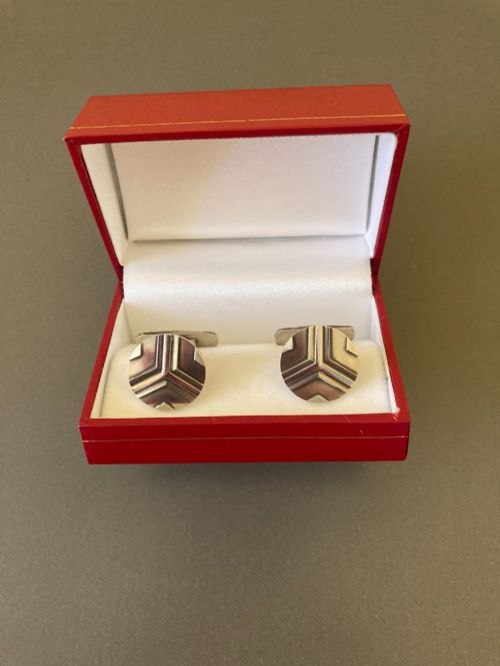
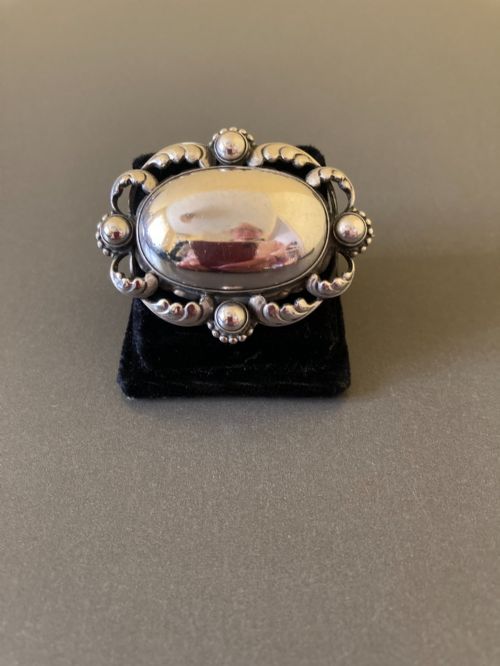
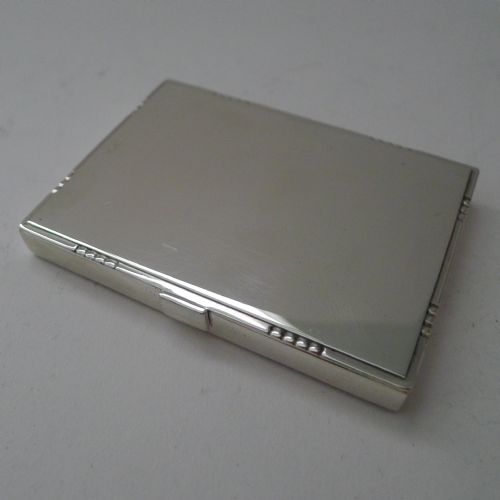
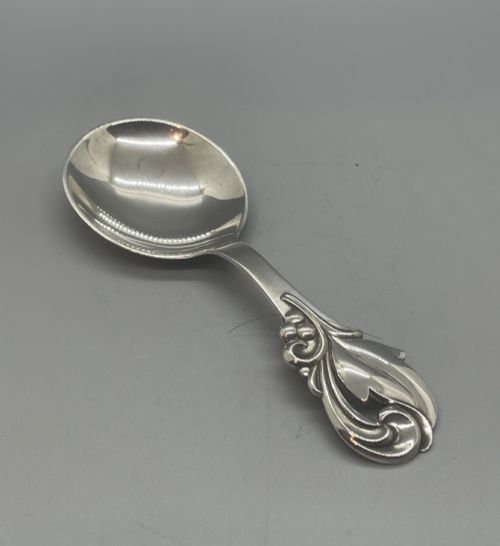
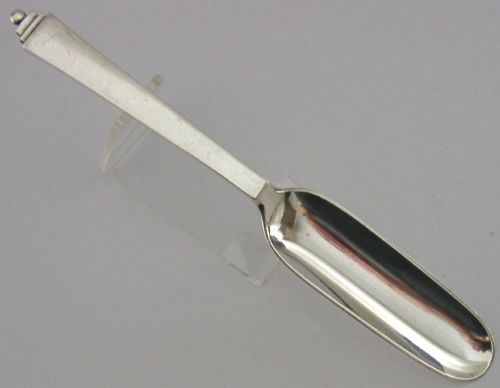
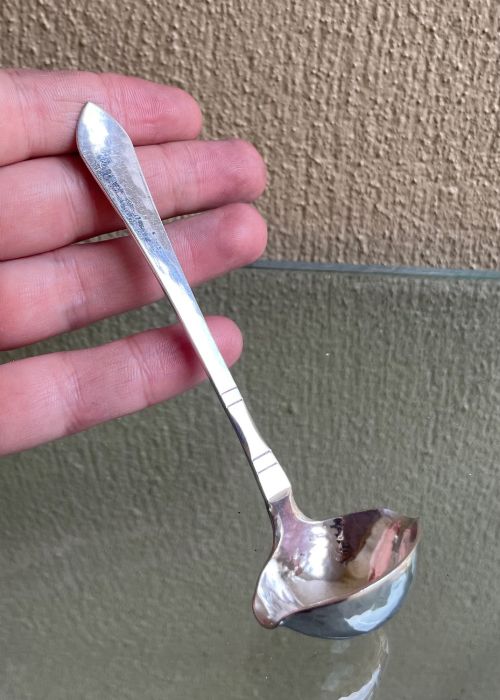
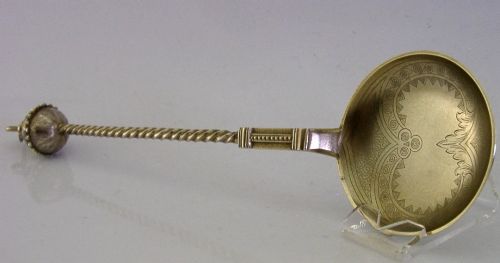
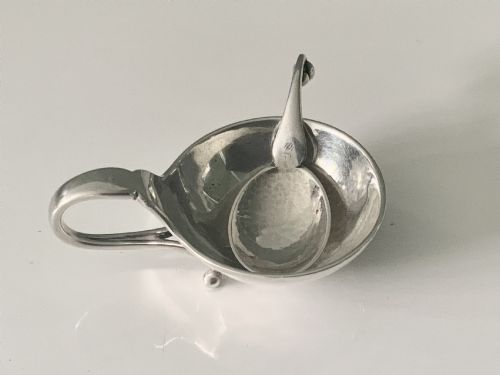
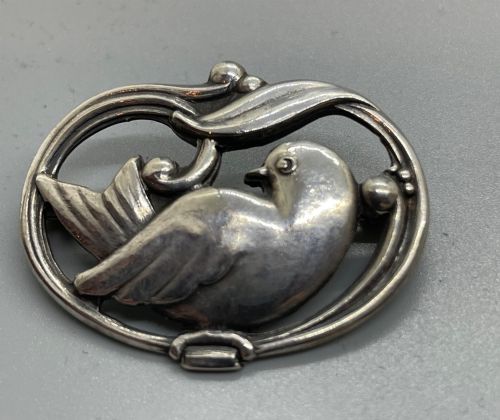
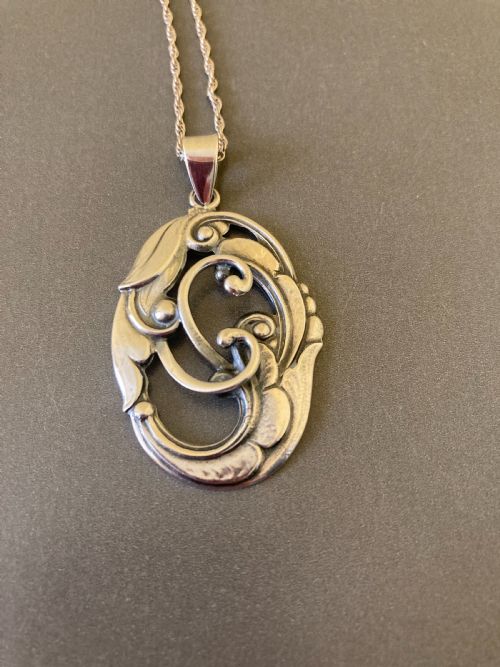
Antique danish silver encompasses a diverse range of domestic objects, functional tableware and personal ornaments created by skilled silversmiths. Buyers searching for this category will encounter refined items such as caddy spoons, serving utensils, sugar tongs, decorative boxes and brooches.
The pieces appearing on this page span several distinct decades, stretching from the nineteen hundreds through the nineteen fifties. This timeline captures major stylistic shifts from early decorative movements into sleek modernist forms.
Utilitarian objects like tea strainers and cheese scoops sit alongside ornamental boxes and jewellery. Each piece reflects the functional elegance characteristic of Scandinavian silversmithing traditions.
Materials and construction
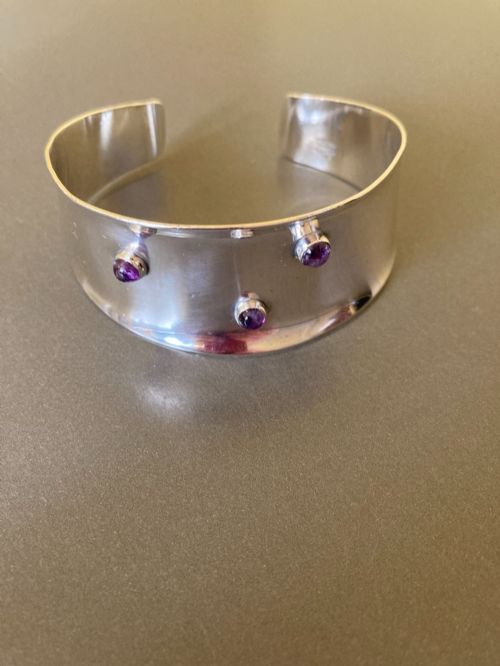
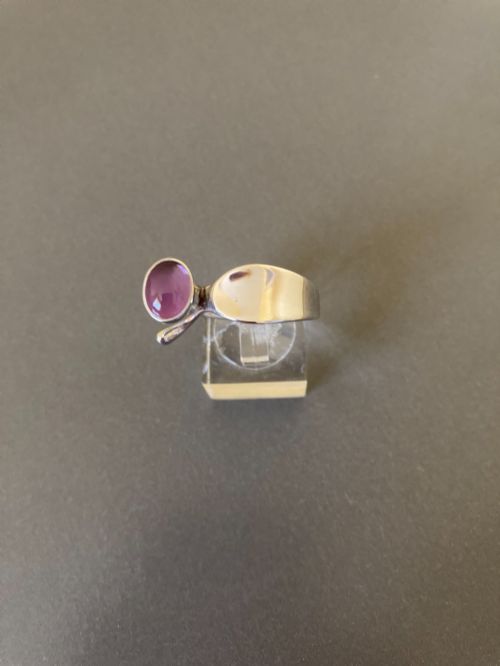
Makers utilised sterling silver, solid silver and silver gilt as the primary metals for these objects, frequently combining them with contrasting elements of wood, stainless steel and amethyst. These materials provided both the structural durability needed for daily use and the lustrous finish demanded by high-end design.
Construction techniques balanced traditional hand-shaping methods with precise mechanical finishing, ensuring that items like serving spoons and decorative boxes maintained both utility and aesthetic harmony. Artisans employed specialised casting and gilding processes to produce rich surface textures and warm metallic tones.
Antique Danish Silver Retail Price Guide 2026
Typical asking prices for danish silver among the pieces listed under this phrase on Sellingantiques today, from the lower quarter to the upper quarter. They describe what is for sale here now, not the wider market.
Materials appearing across the collection include sterling silver, silver gilt, stainless steel, wood and amethyst.
Assessing quality and design
Quality in these items is determined by the clarity of the maker's mark, the precision of the metalwork and the integration of stylistic motifs specific to periods like Art Nouveau, Art Deco and Danish Modern. Superior examples display crisp detailing and harmonious proportions that elevate everyday objects into works of art.
The reputation of the designer or workshop heavily influences the standing of a piece within the broader range. Works associated with prominent names command attention through distinctive pattern execution and thoughtful ergonomic design.
Georg Jensen·Evald Nielsen·Sigvard Bernadotte·Harald Nielsen
The Antique Danish Silver Glossary
- Sterling silver
- A silver alloy containing ninety-two point five percent pure silver and seven point five percent other metals, usually copper, chosen for strength.
- Silver gilt
- Silver objects that have been coated with a thin layer of gold on the surface, creating a rich two-tone effect.
- Sølvvirke
- A term referring to the distinct Danish silver movement and craft style bridging traditional ornamentation and early modernism.
- Caddy spoon
- A short-handled spoon specifically designed for measuring loose tea leaves from a caddy into a teapot.
- Sugar nips
- Small hinged tools used for grasping and serving sugar lumps during tea service.
Antique Danish Silver: Frequently Asked Questions
What defines antique danish silver?
Antique danish silver consists of items produced in Denmark primarily during the first half of the twentieth century, encompassing styles from Art Nouveau to mid-century modernism.
These pieces range from functional tableware like serving spoons and sugar tongs to personal accessories such as brooches and decorative boxes.
How do I identify different periods?
Periods can be distinguished by examining the overarching design characteristics, such as organic floral motifs in early pieces or clean geometric lines in later decades.
Maker marks and stamped dates further help anchor specific objects within the 1900 to 1950 timeframe represented here.
How were these items used?
Many items were created for formal dining and tea rituals, including cheese scoops, tea strainers, caddy spoons and salt cellars.
Other objects served personal decorative functions, such as dressing table jewellery boxes and wearable silver necklaces or brooches.
How do I care for silver?
Silver requires gentle cleaning with appropriate non-abrasive cloths to maintain its lustre without wearing away delicate surface details or gilding.
Storing pieces in dry environments away from direct sunlight helps prevent tarnishing and preserves materials like wood and amethyst.