






Antique Cylindrical Stand
An antique cylindrical stand brings upright architectural form into a room, offering a distinct vertical presence that collectors prize for hallways and drawing rooms.
Antique Cylindrical Stand
An antique cylindrical stand encompasses a range of vertical furnishings designed to hold plants, lamps, sculptures, or walking equipment. When you search for an antique cylindrical stand, you encounter forms that span the Regency, Victorian, and Edwardian eras.
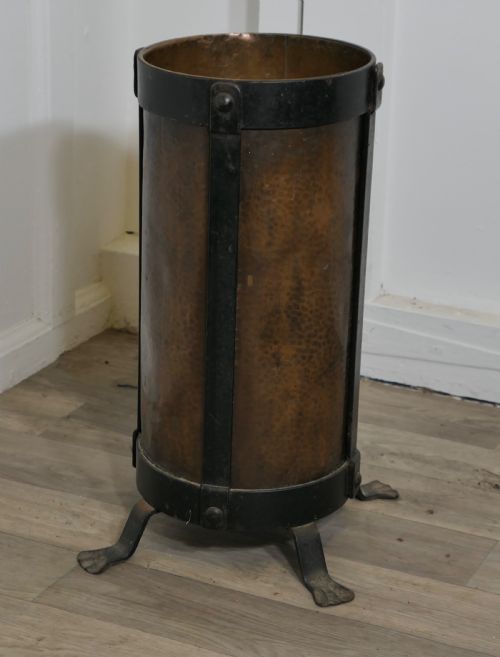
Originating predominantly from British and French workshops across the nineteenth century, these pieces range from utilitarian coopered vessels with metal bands to giltwood display cabinets and inlaid pedestals. Each version serves a specific domestic function, whether displaying a treasured figure or containing wet walking sticks.
How they were made
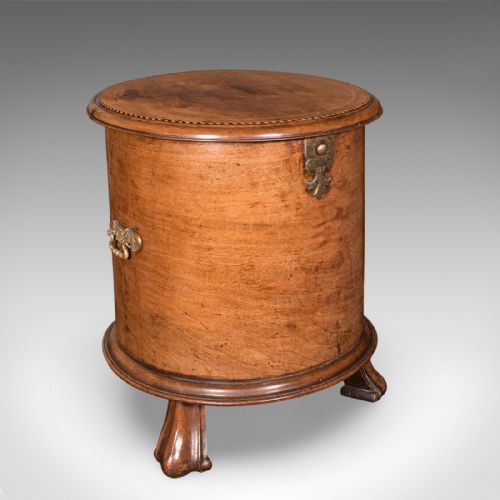
Cabinetmakers constructed these cylindrical forms using timbers such as mahogany, walnut, and oak, frequently employing curved staves bonded together in the manner of coopered barrels. Brass bands, iron hoops, and metal mounts were then fitted around the wooden bodies to provide structural strength and decorative contrast.
Surface ornamentation relied on fine wood veneers, detailed inlay work, and faux marble finishes that imitated costly stone. Pierced brasswork and giltwood carving appear on more elaborate nineteenth-century examples, showcasing the varied metalworking and carving skills of the period.
Antique Cylindrical Stand Retail Price Guide 2026
Typical asking prices for cylindrical stand among the pieces listed under this phrase on Sellingantiques today, from the lower quarter to the upper quarter. They describe what is for sale here now, not the wider market.
Listings feature 19th Century, Victorian, and Edwardian periods, utilising materials such as brass, mahogany, walnut, marble, and oak.
What varies in quality
The distinction between ordinary and superior pieces rests on the precision of the joinery and the selection of timber. Finer examples display carefully matched grain patterns across curved surfaces and robust internal construction that withstands daily domestic use.
Decorative restraint and the quality of secondary materials also dictate value. Original brass mounts, crisp inlay work, and authentic patination elevate a piece well above later reproductions or utilitarian items lacking artisan attention.
The Antique Cylindrical Stand Glossary
- Coopered
- Constructed from curved wooden staves joined edge to edge and bound with metal hoops, much like a traditional barrel. This technique provided the essential structural integrity needed for holding heavy umbrellas or wine.
- Giltwood
- Timber that has been coated with a thin layer of gold leaf or gold paint for decorative effect. It appears frequently on French Empire and Victorian display stands.
- Cellarette
- A lockable container or stand designed for holding bottles of wine within a dining room. Regency examples often feature cylindrical mahogany or walnut bodies.
- Ormolu
- Gilded bronze ornamentation applied to furniture mounts and decorative stands during the nineteenth century. The technique added metallic lustre to timber surfaces.
- Pedestal
- A tall, freestanding support structure used to elevate sculptures, lamps, or vases. Cylindrical versions concentrate visual weight directly beneath the displayed object.
Antique Cylindrical Stand: Frequently Asked Questions
What rooms suit an antique cylindrical stand best?
Hallways and vestibules provide the natural home for umbrella and stick stands, where their vertical shape fits narrow spaces while keeping wet accessories contained.
Living rooms and reception spaces accommodate plant stands, pedestals, and sculpture columns, using the cylindrical form to draw the eye upward and highlight decorative objects.
How do I care for wooden cylindrical stands?
Regular dusting with a dry, soft cloth protects the polished surface of mahogany and walnut pieces from accumulating abrasive particles.
Occasional application of appropriate beeswax nourishes the timber and preserves the natural patina without building up heavy chemical layers.
Are brass-bound stands waterproof inside?
Many nineteenth-century stick and umbrella stands feature internal metal linings or original drip pans designed to catch moisture from wet items.
It remains wise to check whether a metal liner is present and removable, as standing water over decades can otherwise affect the lower wooden base.
How do I distinguish Victorian from Edwardian stands?
Victorian pieces generally favour heavier proportions, darker timbers like walnut and oak, and robust metal bindings or cast brass ornamentation.
Edwardian examples often display lighter mahogany frames, delicate inlay work, and a more restrained decorative vocabulary suited to brighter interiors.