


Antique Cut Glass Scent
These antique cut glass scent pieces combine heavy lead crystal with sterling silver and enamel, offering a tactile piece of dressing table history.
Antique Cut Glass Scent
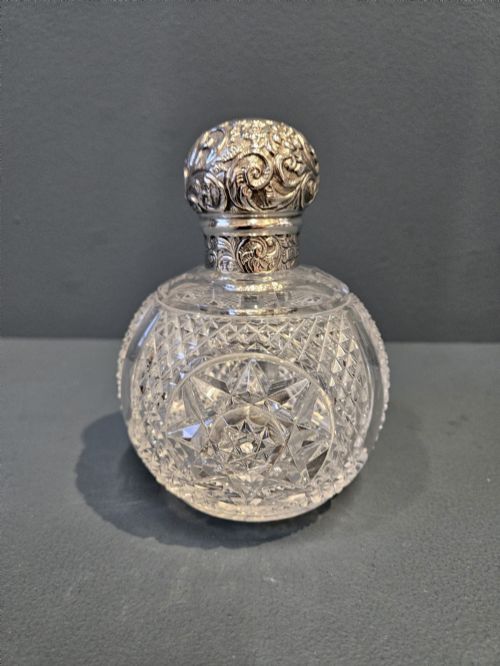
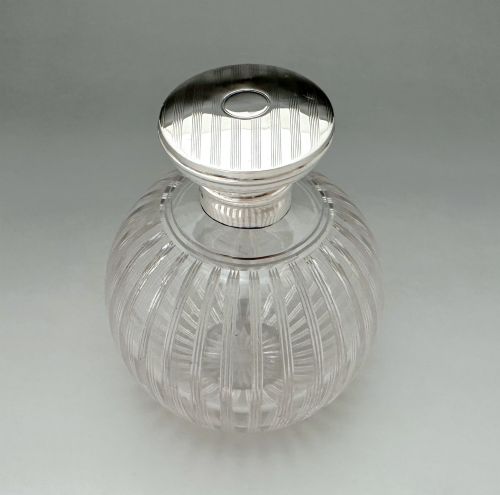
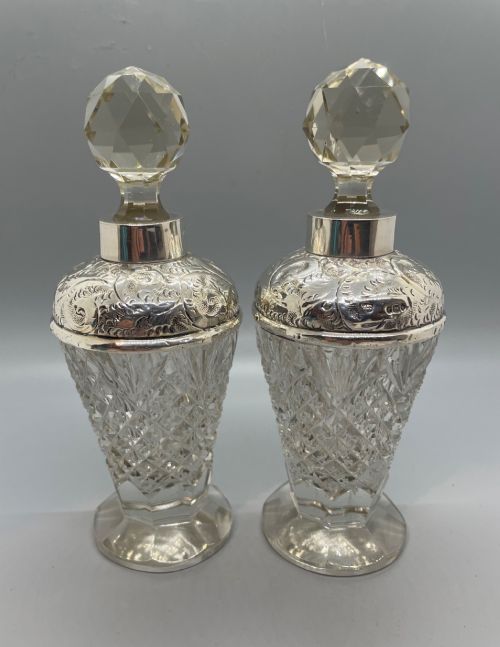
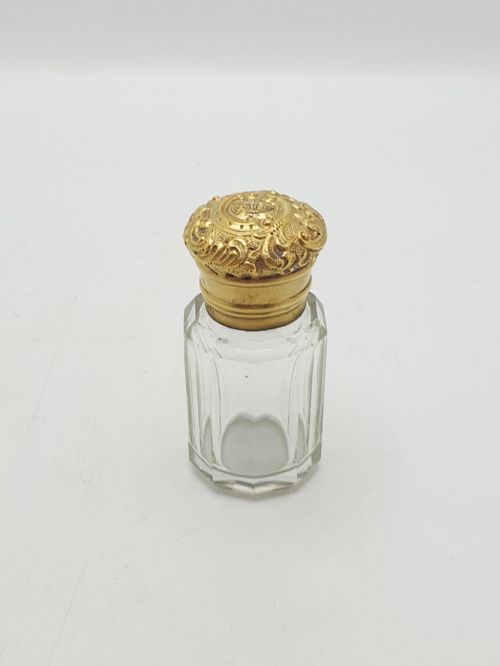
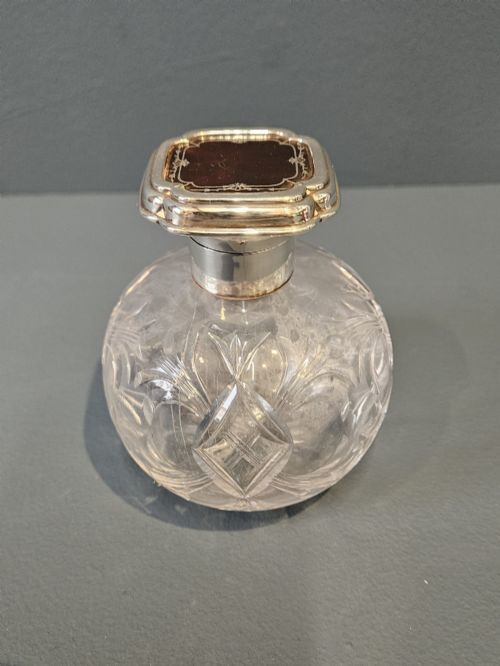
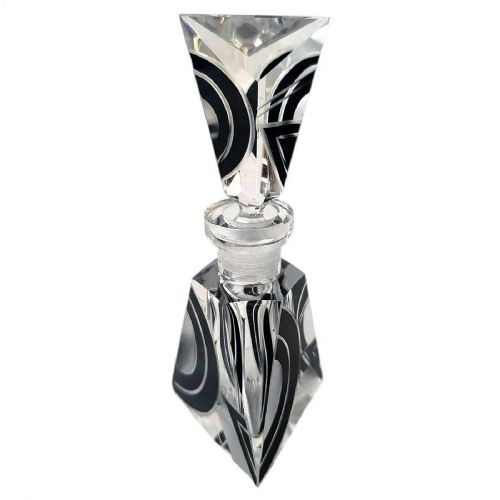
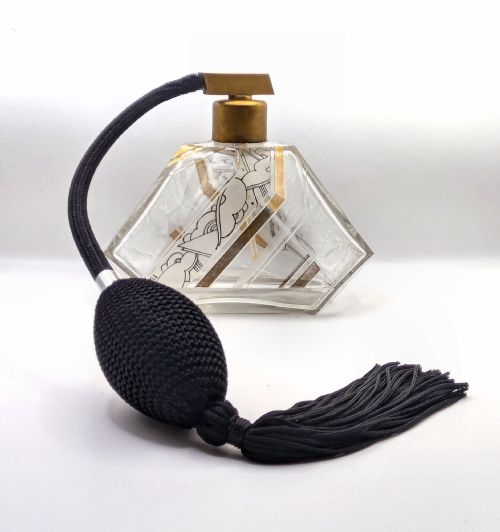
Collectors seeking an antique cut glass scent bottle will find numerous examples spanning the Victorian and Edwardian eras alongside geometric Art Deco designs. These personal accessories range from small pocket companions to substantial dresser bottles, often paired with matching stoppers or precious metal collars.
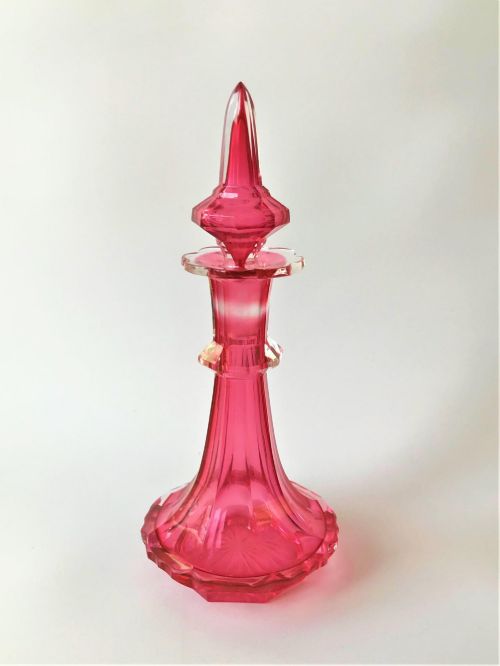
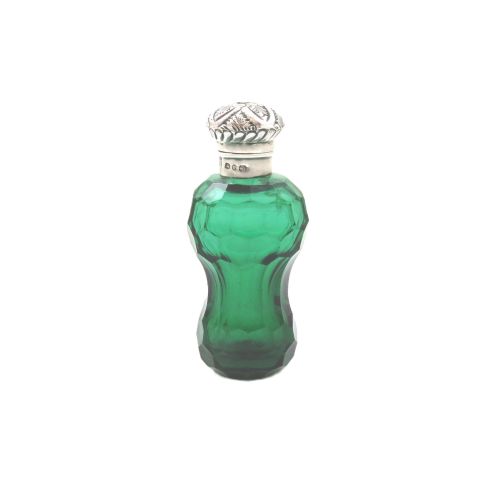
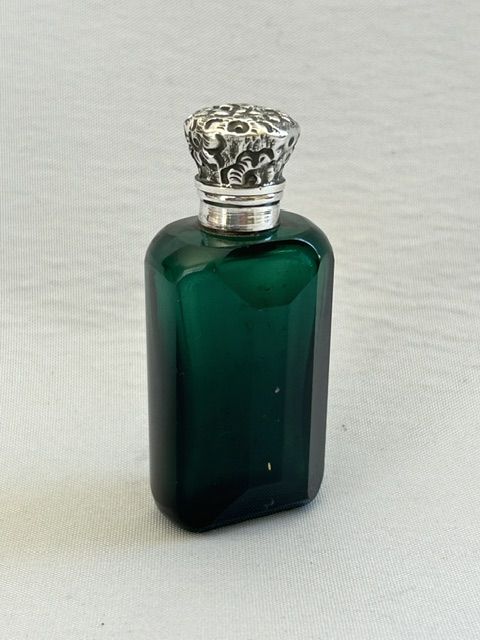
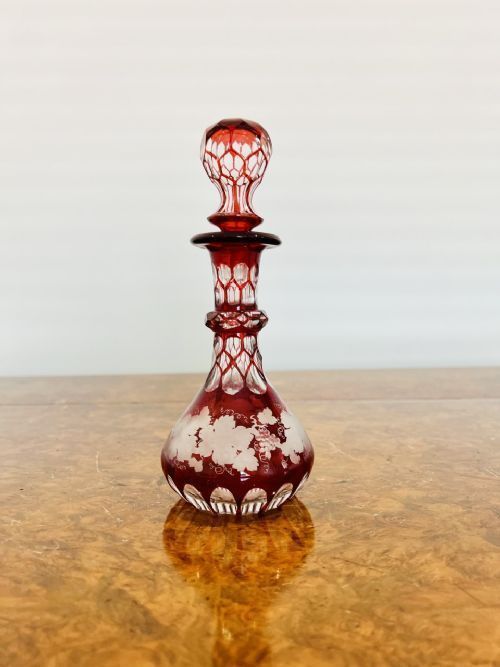
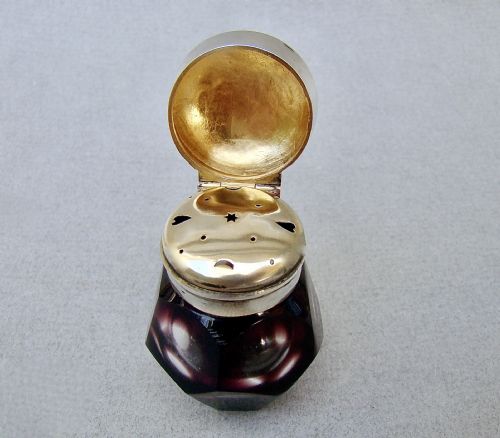
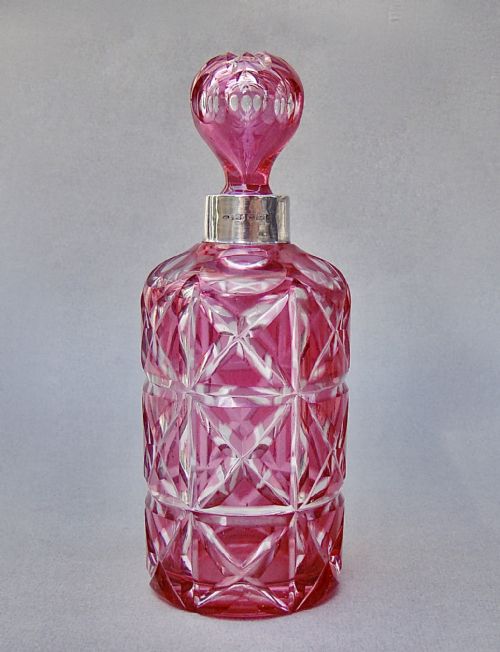
The material palette moves from clear crystal and sliced-cut glass to vibrant cranberry, green, amethyst and blue overlay glass. Many pieces incorporate sterling silver screw caps, hinged lids, or inner glass stoppers designed to prevent evaporation.
Casket sets and travelling trios also appear, housing multiple bottles within fitted wooden boxes lined with velvet or silk. These larger ensembles reflect the elaborate grooming rituals of the nineteenth and early twentieth centuries.
Materials and Construction
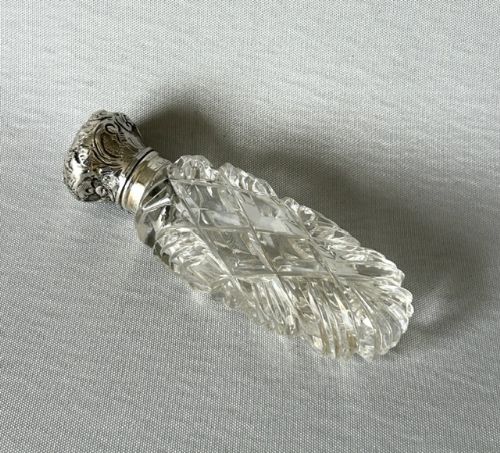
Glassmakers shaped these vessels by blowing molten metal into moulds or free-blowing before applying deep wheel cuts to the surface. Coloured glass often received a clear casing, or overlay, which was then cut through to reveal contrasting layers underneath.
Silversmiths and metalworkers added cast or stamped collars, hinged lids, and pierced mounts secured directly to the glass necks. Decorative details like guilloche enamel, tortoiseshell, and brass fittings completed the assembled pieces.
Antique Cut Glass Scent Retail Price Guide 2026
Typical asking prices for cut glass scent among the pieces listed under this phrase on Sellingantiques today, from the lower quarter to the upper quarter. They describe what is for sale here now, not the wider market.
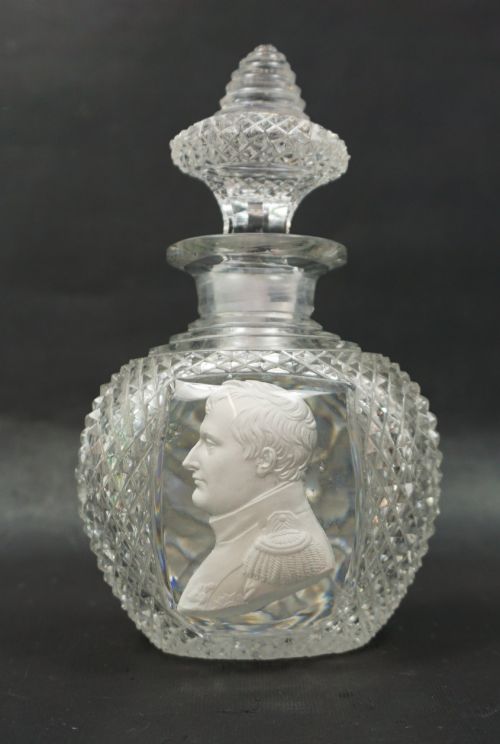
Napoleon Bonaparte occasionally makes a quiet appearance inside the glass via a tiny sulphide portrait sealed within.
Evaluating Quality
Superior examples display crisp, deep facet-cutting with sharp geometric edges that catch the light evenly across the body. The weight of the crystal and the thickness of the coloured glass overlay indicate the standard of production.
Metal components show variation in the gauge of the sterling silver, the precision of the hinge alignment, and the clarity of maker marks and hallmarks. Intricate hand-applied enamel work and undamaged internal glass stoppers elevate the desirability of a bottle.
Harold Bushell and Co·Henry Perkins·Karl Palda·Hasset and Harper
The Antique Cut Glass Scent Glossary
- Overlay glass
- A layer of coloured glass fused over a clear or contrasting base layer before being cut away to reveal the undercolour. This technique creates high-contrast geometric and floral patterns on Victorian bottles.
- Vinaigrette
- A small decorative container holding a perforated grille beneath the lid, designed to hold a sponge soaked in aromatic vinegar. These portable items were carried to counter unpleasant odours in public spaces.
- Guilloche enamel
- A decorative technique where mechanical patterns are engraved into metal beneath a translucent enamel coating. It frequently appears on the lids of Edwardian and Art Deco perfume bottles.
- Scent casket
- A fitted box, often lined with velvet and fashioned from luxury woods like walnut or coromandel, designed to hold multiple perfume bottles securely. They protected delicate glass vessels during travel.
- Sliced-cut
- A surface treatment featuring broad, flat facets cut into the body of the glass rather than deep prismatic grooves. This method produces subtle reflective planes.
Antique Cut Glass Scent: Frequently Asked Questions
How do I use an antique scent bottle?
Most antique perfume bottles feature a ground glass stopper that fits snugly into the neck to keep volatile oils sealed. Modern users can fill them with contemporary liquid perfumes using a small funnel.
Care should be taken when opening older stoppers that have become stuck through residue build-up. Gentle warming with warm water usually frees the glass without causing damage to the surrounding silver mounts.
How do I date an antique cut glass scent bottle?
Hallmarks on the silver collars, caps, or lids provide the most reliable dating evidence for British pieces. These stamps record the assay office, date letter, and maker's mark.
Stylistic shifts also help establish age, moving from heavy Victorian overlay and cut crystal to the streamlined geometric profiles of the Art Deco period. Colour preferences, such as cranberry and amethyst in the nineteenth century, offer further chronological clues.
Were these bottles meant for travel?
While some larger dresser bottles stayed permanently on dressing tables, others were specifically engineered for mobility. Travelling sets often included fitted leather or wooden cases with multiple bottles to prevent rolling and breakage.
Smaller chatelaine bottles featured loops or chains designed to hang directly from a belt. This allowed owners to carry their preferred fragrances throughout the day.
What is overlay glass?
Overlay glass consists of a primary glass vessel dipped into or cased with a second layer of contrasting coloured glass. Artisans then cut through this outer layer on a wheel to expose the base glass underneath, creating striking two-tone patterns.
This labor-intensive technique was widely utilised by Victorian and nineteenth-century European glassmakers to add depth and visual complexity to perfume containers.