



Antique Curved Blade
These antique curved blade pieces are historical edged weapons and concealable walking sticks combining utility with martial tradition.
Antique Curved Blade
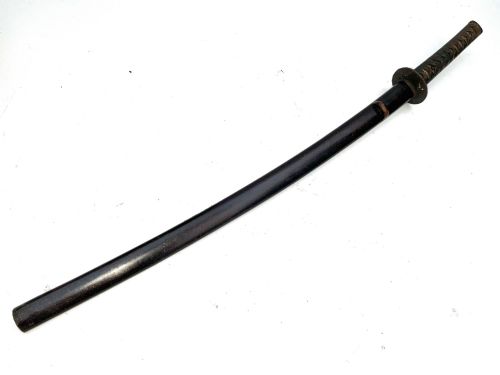
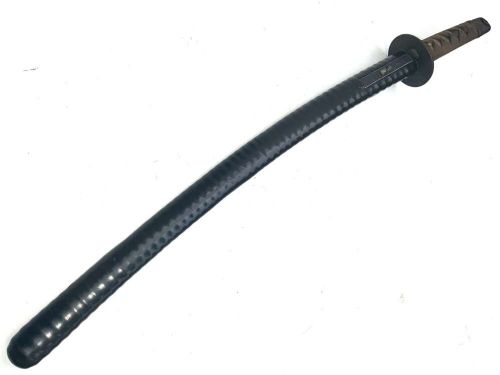
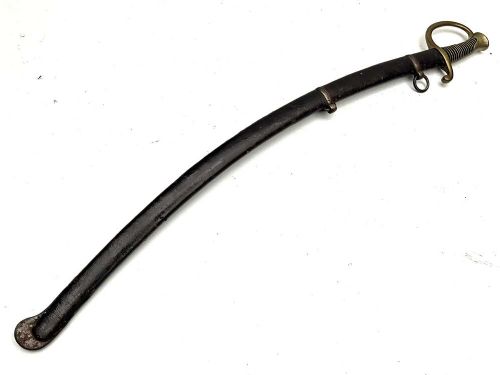
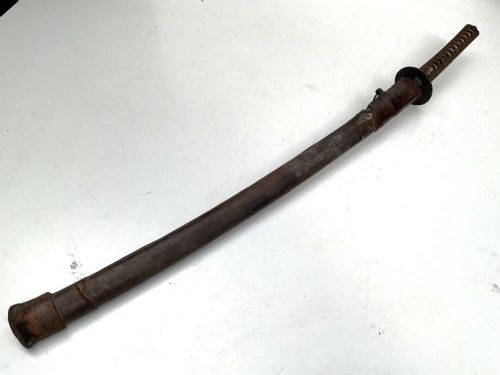
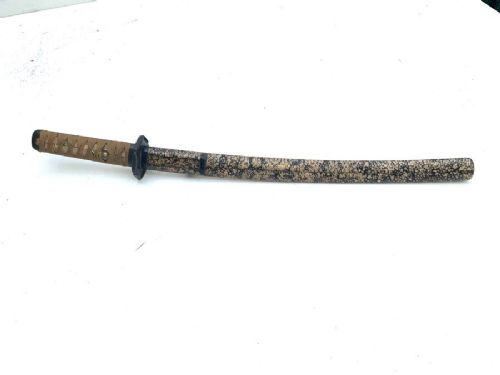
When you search for an antique curved blade, you encounter a specialised selection of historical edged weapons, military sabres, and gentlemanly walking sticks. These objects span multiple centuries, originating from diverse cultural traditions including Japanese samurai craftsmanship, European military service, and British civilian life.
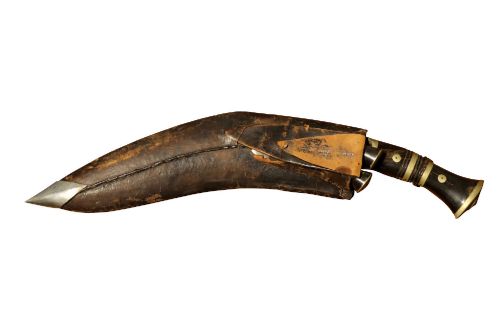
The versions most frequently met on this page include military cavalry sabres from the eighteenth and nineteenth centuries alongside concealed sword sticks housed within wooden or malacca shafts. Alongside these, examples of traditional eastern and continental weaponry such as Indian tulwars and Gurkha kukris appear.
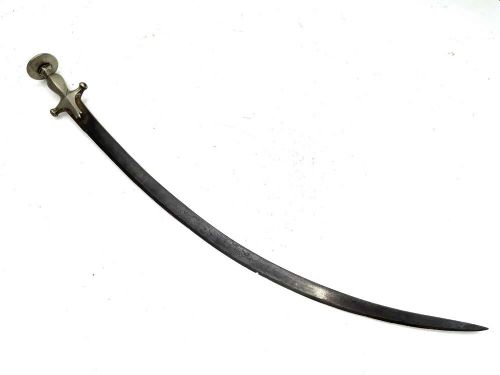
Buyers seek these items for their historical association and metallurgical craftsmanship, whether drawn to the austerity of a Victorian bayonet or the decorative detail of an eighteenth-century silver-handled tulwar.
How they were made
The construction of these pieces relies heavily on forged steel for the blades, paired with organic and metallic secondary materials. Scabbards and hilts incorporate leather, brass, iron, horn, wood, lacquered wood, and rayskin to ensure durability and grip.
Makers utilised traditional forging techniques suited to each regional typology, from the folding methods typical of Japanese swords to the patterned stamping and mounting seen in European military sabres and concealed walking sticks.
Antique Curved Blade Retail Price Guide 2026
Typical asking prices for curved blade among the pieces listed under this phrase on Sellingantiques today, from the lower quarter to the upper quarter. They describe what is for sale here now, not the wider market.
Listings feature steel, leather, brass, iron, horn, wood, lacquered wood, and rayskin across multiple centuries.
What varies in quality
The distinction between ordinary and superior pieces rests upon the integrity of the forged steel and the preservation of original mounts. Edged weapons retain greater integrity when the blade steel exhibits minimal pitting and the structural geometry remains true.
Quality also shows in the retention of matching original scabbards, companion knives, and authentic grip materials such as rayskin, horn, or silver hardware. Pieces that retain their original fittings and display clear period characteristics command greater attention from collectors.
The Antique Curved Blade Glossary
- Sabre
- A backsword with a curved blade intended primarily for cutting, commonly used by cavalry units in European militaries.
- Kukri
- A Nepalese knife with a distinctively curved blade that forward-weights the tool for chopping and utility tasks.
- Scabbard
- A protective sheath for a sword, dagger, or other edged weapon, constructed from leather, wood, or metal.
- Tulwar
- A traditional curved-blade sword originating from the Indian subcontinent, often featuring a disc-hilted handle.
- Sword stick
- A walking cane or stick containing a concealed blade housed within the shaft for discretion and self-defence.
Antique Curved Blade: Frequently Asked Questions
What is an antique curved blade?
An antique curved blade refers to historical edged weapons and concealable walking sticks produced across various centuries and cultures. These items include military sabres, samurai swords, and regional implements.
Collectors and historians value them for their distinct manufacturing techniques and the specific military or civilian contexts of their use.
How were sword sticks used?
Sword sticks served as gentlemanly walking aids that housed a concealed blade within the outer wooden or malacca shaft. They provided a method of personal defence during urban travel in past eras.
The exterior remained indistinguishable from a standard walking cane until the blade was drawn from its housing.
What materials are common on these handles?
Handles on these pieces frequently utilise organic and metallic materials chosen for durability, grip, and status. Common examples include horn, wood, lacquered wood, rayskin, brass, and silver.
The choice of material often reflects the geographical origin and social standing associated with the specific object.