


Antique Crystal Vanity Jar
These heavy glass and precious metal pieces combine storage with display, offering a practical touch of the dressing table. An antique crystal vanity jar brings tactile weight and bright reflection to a room.
Antique Crystal Vanity Jar
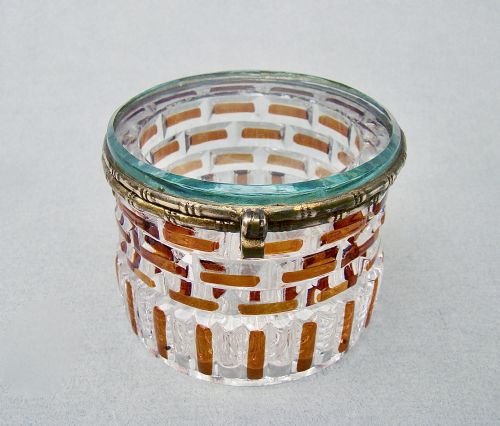
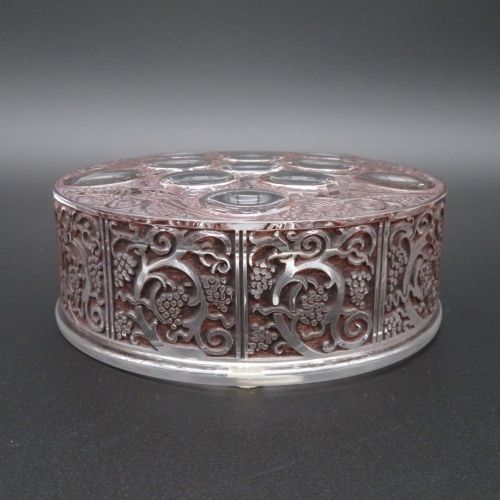
An antique crystal vanity jar serves as a dressing table container for cosmetics, pins, and personal items, combining a heavy glass or crystal vessel with a fitted metal lid. These pieces appear frequently from the Victorian, Edwardian, and Art Deco periods, spanning the nineteenth and twentieth centuries.
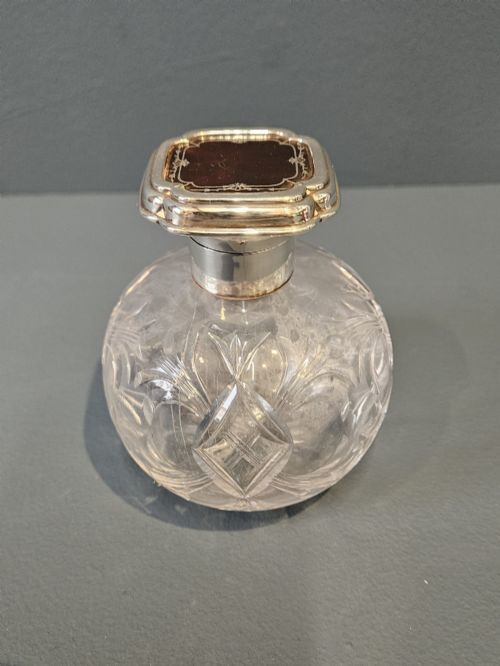
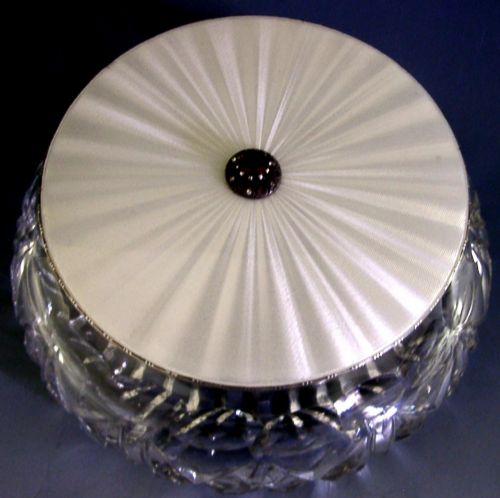
The form encompasses various shapes including circular powder boxes, heart-shaped boxes, lidded bowls, and tall jars. Many pieces incorporate precious metals and organic inlays such as tortoiseshell or enamel.
Makers and workshops across England, France, and Germany produced these items to sit upon dressing tables alongside matching scent bottles and brushes. The surviving examples range from plain cut glass to elaborate silver-gilt and gem-mounted creations.
How they were made
Glassmakers shaped heavy crystal and glass bodies by blowing or pressing the material before cutting deep geometric patterns into the surface to catch the light. This heavy cut glass formed a durable base designed to withstand daily use on dressing tables.
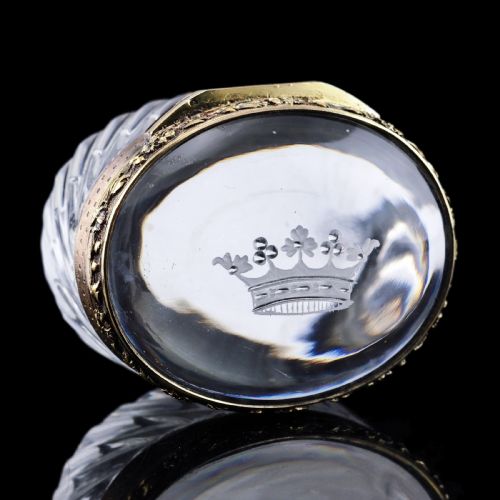
Metalworkers fashioned lids and mounts from sterling silver, silver gilt, and German silver, often adding intricate repousse work, engraving, or coronet motifs. Craftsmen then secured these metal collars to the glass using specialised adhesives or threaded collars.
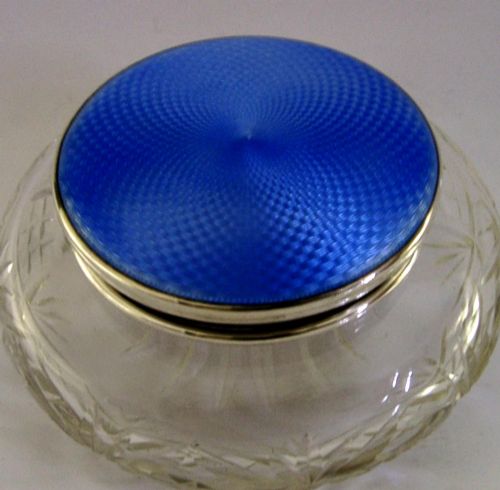
Artisans applied decorative accents including blue enamel, pique inlay on tortoiseshell, and cast cherub or dove designs onto the lids. These contrasting materials were pinned, glued, or set directly into the metal framework of the cover.
Materials documented in the inventory combine cut crystal and glass with sterling silver, silver gilt, tortoiseshell, and coloured enamel.
What varies in quality
The weight and depth of the glass cutting dictate the tactile presence of the jar, with sharper facets and heavier lead crystal creating a more brilliant refraction. Thinner glass and shallow press-moulding indicate a lighter, less substantial build.
The gauge of the silver lid and the complexity of its decoration separate standard items from finer productions. Solid silver mounts with hand-applied enamel, detailed tortoiseshell pique work, or cast sculptural motifs require higher levels of craftsmanship than plain stamped metal covers.
The precision of the fit between the metal lid and the glass rim reveals the care taken in original assembly. A tight, flush alignment without wobble points to superior workshop standards.
Posen of Frankfurt and Berlin·Jonathan Douglas·Barnsley and Co·Asprey
The Antique Crystal Vanity Jar Glossary
- Cut glass
- Glass shaped and patterned by holding it against a rotating abrasive wheel. This technique creates sharp, light-reflecting facets across the surface of the jar.
- Sterling silver
- An alloy containing a high proportion of silver used widely for the lids and collars of these jars. It carries hallmarks indicating the assay office and year of creation.
- Tortoiseshell
- The mottled brown shell of certain turtle species utilised historically for decorative lid panels. Craftsmen frequently embellished it with gold or silver pique inlay.
- Silver gilt
- Silver that has been coated with a thin layer of gold through a chemical or electrochemical process. This treatment imparts a warm golden hue to the metal mounts.
- Pique inlay
- A technique where tiny pins or strips of gold or silver are pressed into a non-metallic base like tortoiseshell to form geometric or floral patterns.
Antique Crystal Vanity Jar: Frequently Asked Questions
What is an antique crystal vanity jar?
These pieces are lidded containers made from cut crystal or glass combined with metal tops, designed to hold small personal items on a dressing table. They emerged in various forms throughout the nineteenth and early twentieth centuries.
Craftsmen paired heavy glass bases with silver, tortoiseshell, and enamel lids, creating functional objects that doubled as decorative bedroom accessories.
How do I date a vanity jar?
Hallmarks stamped on the silver mounts provide the most reliable dating evidence, showing the assay office, city, and year of manufacture. Stylistic shifts, such as the transition from ornate Victorian scrollwork to geometric Art Deco lines, also help narrow the period.
Comparing the cut of the glass and the secondary materials like enamel or tortoiseshell offers further context regarding the decade of production.
How were these jars used historically?
Owners placed them on dressing tables to store loose powder, trinkets, pins, and personal cosmetics. Some tall or lockable versions specifically held cologne or perfume bottles.
They formed part of larger matching dressing table sets that included brushes, trays, and mirrors used during daily grooming routines.
How do I clean and care for them?
Gentle cleaning with a soft cloth and mild soapy water preserves both the glass and the delicate metal or tortoiseshell surfaces. Harsh chemical dips ruin antique silver finishes and can damage organic materials on the lids.
Keeping the pieces away from direct sunlight prevents the fading of tortoiseshell and enamel components over time.