






Antique Crystal Tableware
Antique crystal tableware brings substance and brilliance to the dining table through heavy glass and precious metal mounts.

Antique Crystal Tableware
When you search for antique crystal tableware, you encounter functional items designed for dining and entertaining across several centuries. The pieces range from salt cellars and decanters to biscuit barrels, vases, and cruet sets.
You are most likely to meet Victorian, Edwardian, and Georgian examples on this page. These items often combine clear lead crystal or cut glass with sterling silver or silver plated mounts.
The selection includes matched sets of finger bowls and ice plates alongside single statement pieces such as claret jugs and pedestal bowls.
How they were made
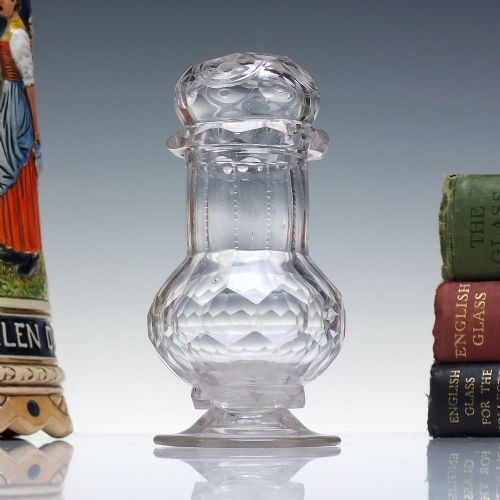
The manufacture of these pieces relies on glass blowing and meticulous hand cutting. Artisans shaped molten lead crystal and glass by hand before applying deep geometric or floral cuts to catch the light.
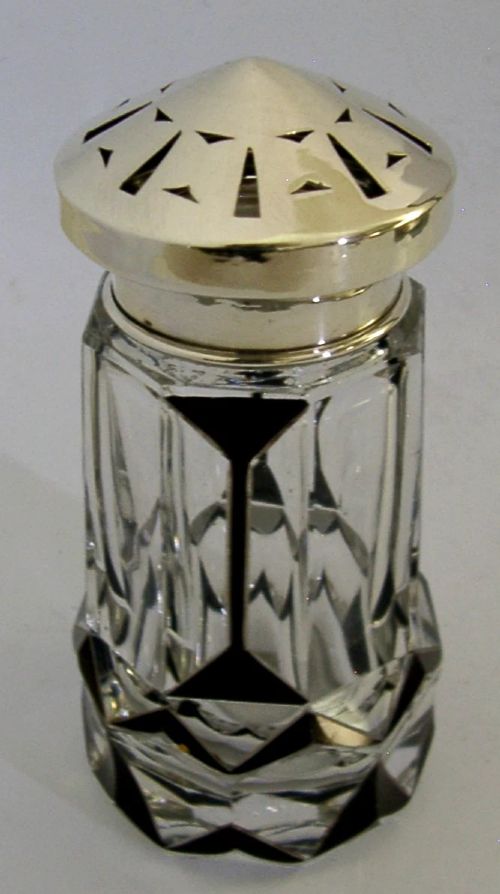
Many items incorporate metalwork alongside the glass elements. Silversmiths fitted sterling silver and silver plate rims, lids, hinges, and handles to cruet sets, biscuit barrels, and condiment jars.
Antique Crystal Tableware Retail Price Guide 2026
Typical asking prices for crystal tableware among the pieces listed under this phrase on Sellingantiques today, from the lower quarter to the upper quarter. They describe what is for sale here now, not the wider market.
Listings span the eighteenth, nineteenth, and twentieth centuries, incorporating cut glass, lead crystal, sterling silver, and silver plate.
What varies in quality
Quality depends upon the clarity of the metal and the crispness of the cutting. Superior pieces display deep, sharp facets that remain smooth to the touch, paired with heavy sterling silver mounts bearing clear hallmarks.
The weight of the glass and the balance of the combined silver elements indicate the level of craftsmanship. Thicker lead crystal and substantial mounts separate standard production items from finer workshop output.
Asprey & Co.·Walker & Hall
The Antique Crystal Tableware Glossary
- Lead crystal
- Glass containing lead oxide which increases weight, brilliance, and refractive index. This material allows for deeper and sharper cutting.
- Cruet set
- A collection of small glass bottles or jars mounted in a metal frame for holding condiments at the dining table. They frequently include matching spoons.
- Finger bowl
- A small bowl filled with water used for rinsing fingers between courses at formal meals. These are often richly etched or cut.
- Biscuit barrel
- A covered vessel designed to store dry biscuits or crackers on the parlour or dining table. Victorian examples frequently feature elaborate silver plated mounts and finials.
- Claret jug
- A large pouring vessel specifically shaped for serving red wine. These combine blown glass bodies with hinged silver mounts and scrolled handles.
Antique Crystal Tableware: Frequently Asked Questions
How do I clean antique crystal?
Wash pieces by hand in warm water using mild detergent. Avoid sudden temperature changes to prevent cracking the glass.
Dry them immediately with a soft lint-free cloth to restore the brilliant shine.
Are these pieces safe for food?
Most items remain completely functional for serving dry goods, condiments, and bottled beverages. Plain glass and crystal serve food safely without issue.
Take care with acidic foods kept in older vessels for extended periods.
How do I date cut glass?
Examine the depth of the cutting and the wear on the base. Georgian and Regency pieces show hand-polished facets and pontil marks.
Later Victorian and Edwardian items often feature mechanical pressing or sharper acid-etched motifs.
How were salt cellars used?
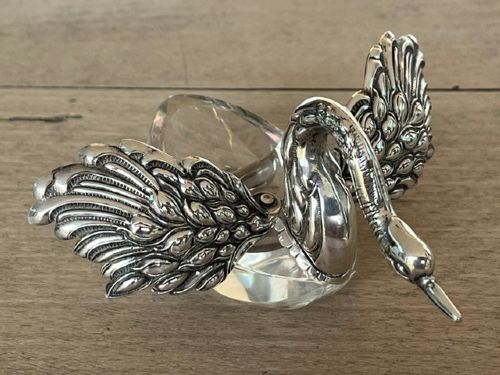
Open salt cellars held loose salt for diners to pinch onto their food before individual shakers became common. They sat at intervals along the dining table.
Smaller spoons often accompanied them for serving the salt cleanly.
What is silver plate?
Silver plate involves fusing a thin layer of pure silver onto a base metal foundation. This technique provided the look of solid silver at a lower cost.
Victorian manufacturers used this widely for frames and mounts.