





Antique Crystal Perfume
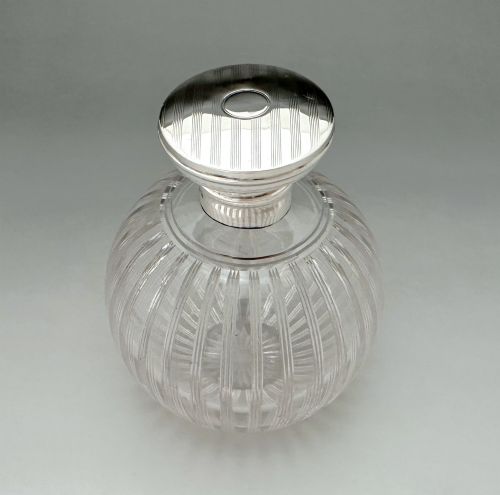
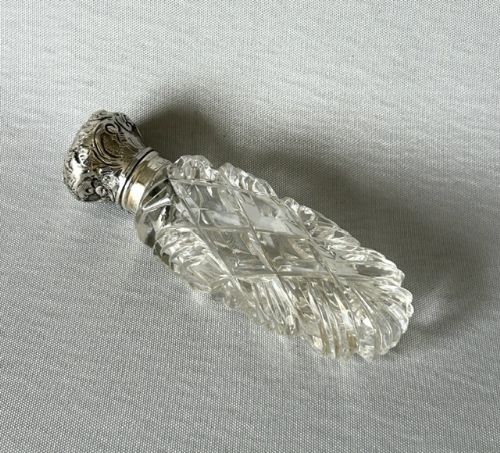
These antique crystal perfume bottles combine heavy cut glass and silver mounts to hold dressing table vanity sets from the nineteenth and twentieth centuries.
Antique Crystal Perfume
When buyers search for antique crystal perfume, they encounter scent bottles, atomisers, and dressing table accessories produced across the Victorian, Edwardian, and Art Deco periods. These vessels range from small pocket flasks to substantial vanity case bottles designed to sit on dressing tables.
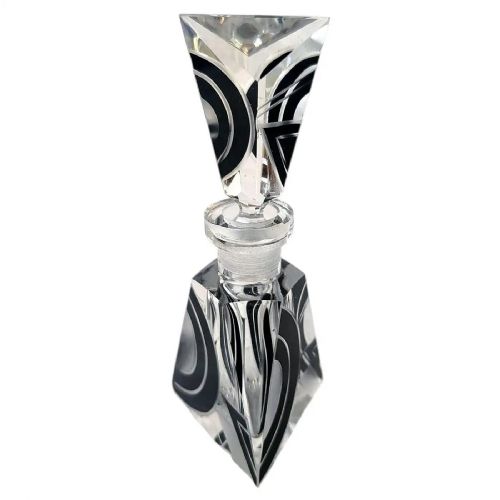
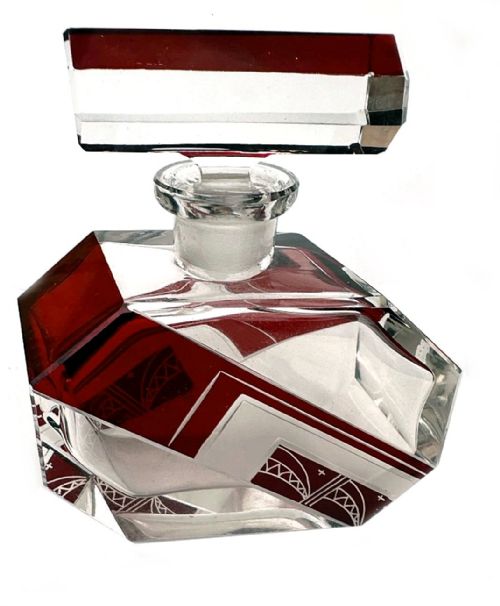
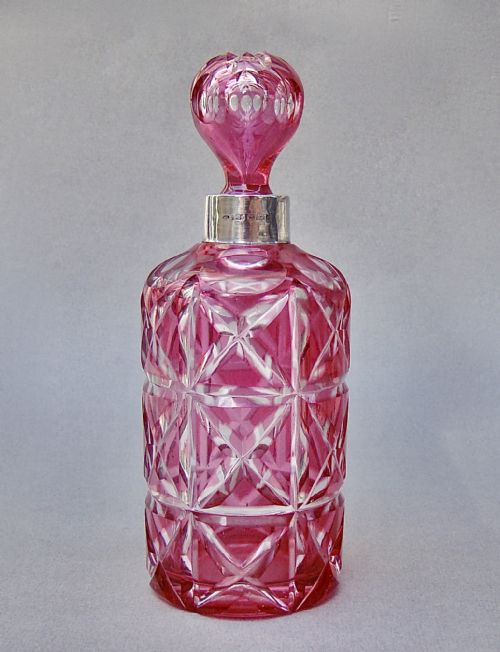
The selections on this page span from nineteenth century ruby glass and cut lead crystal to geometric Art Deco designs from the 1930s. English and French workshops dominated production, often combining heavy crystal bodies with sterling silver collars, lids, or atomiser hardware.
Many examples retain their original fitted boxes or form part of matching pairs and sets. Collectors meet both simple glass phials with hinged silver caps and elaborate coloured glass vessels decorated with enamel and tortoiseshell.
How they were made
The material foundation of these pieces relies on heavy cut crystal or moulded glass, often shaped into geometric facets, globular forms, or heart profiles. Glassmakers utilised clear, cranberry, ruby, and green tinted glass to achieve different visual effects before finishing the surfaces.
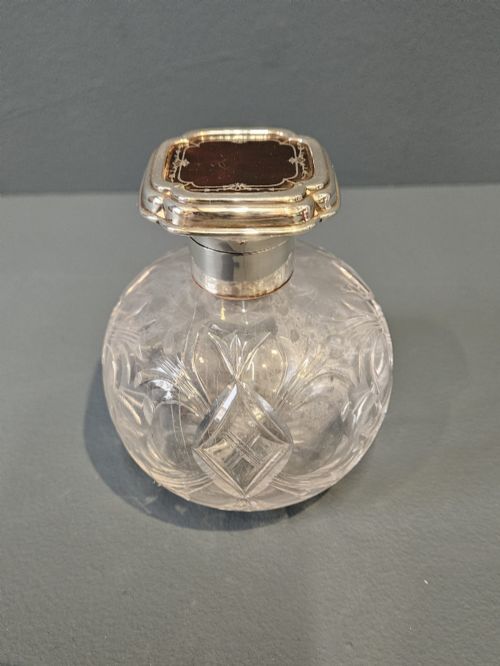
Silversmiths provided structural mounts, hinged lids, and screw caps, frequently applying elaborate hallmarks, chased patterns, or guilloche enamel. Specialist makers also integrated natural materials such as tortoiseshell and coromandel wood into the vanity cases and bottle tops.
Antique Crystal Perfume Retail Price Guide 2026
Typical asking prices for crystal perfume among the pieces listed under this phrase on Sellingantiques today, from the lower quarter to the upper quarter. They describe what is for sale here now, not the wider market.
Victorian travellers trusted delicate ruby glass and silver lids to survive bumpy carriage rides across the empire.
What varies in quality
Quality rests in the crispness of the glass cutting and the weight of the crystal body. Sharp, deep facets catch the light cleanly, whereas softer mouldings indicate mass production or later commercial output.
The execution of the metal mounts and decorative additions also separates standard items from exceptional ones. Intricate guilloche enamel work, thick sterling silver collars with clear hallmarks, and undamaged internal glass stoppers elevate the standing of a piece.
Karl Palda·Harold Bushell and Co·Barnsley and Co·Rene Lalique·George Unite
The Antique Crystal Perfume Glossary
- Atomiser
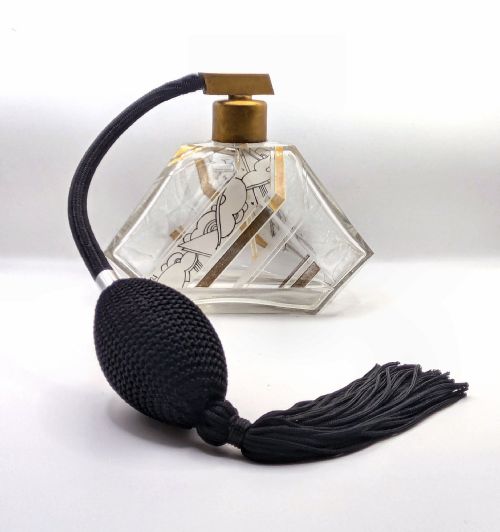
- A perfume spray fitting that uses a bulb and metal nozzle to distribute scent in a fine mist. These mechanisms frequently feature on Art Deco dressing table bottles.
- Guilloche enamel
- A decorative technique where intricate geometric patterns are engraved beneath a translucent layer of coloured enamel. This finish appears often on early twentieth century silver lids.
- Scent bottle
- A small vessel designed to hold liquid perfume, usually secured with a tight-fitting stopper and a protective metal cap. They were made for both travel and static dressing table use.
- Sulphide
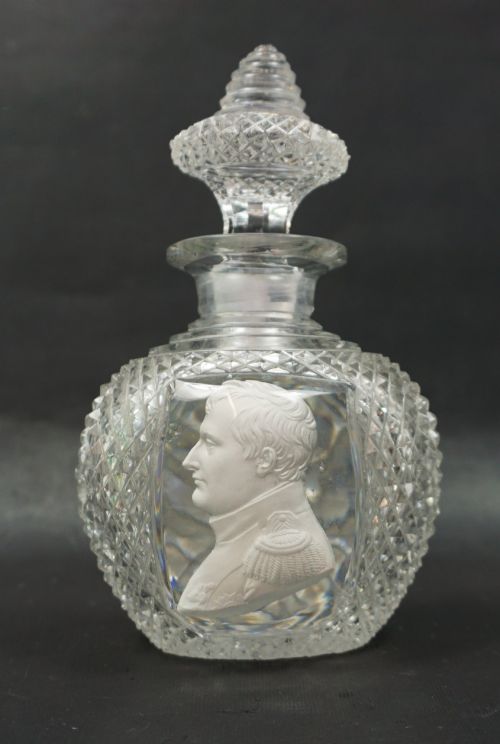
- A small ceramic cameo embedded within the clear crystal body during the manufacturing process. These white reliefs typically depict historical portraits or notable figures.
Antique Crystal Perfume: Frequently Asked Questions
How do I date an antique perfume bottle?
Dating relies heavily on the silver hallmarks found on the collars and lids, which record the assay office, year letter, and maker's mark. Stylistic indicators such as Victorian hand-engraving or 1930s Art Deco geometric shapes also help narrow down the period of manufacture.
Changes in glass colours, stopper designs, and the presence of original fitted travelling cases provide further clues to the decade in which the piece was produced.
What is the difference between crystal and glass scent bottles?
True crystal contains lead oxide, which increases the weight, refractive index, and clarity of the material compared to standard soda-lime glass. This high lead content allows for deeper, sharper facet cutting that creates brilliant light refraction.
Many nineteenth century Victorian and Edwardian examples utilise heavy lead crystal, while later Art Deco pieces often experiment with coloured glass and moulded geometric forms.
How were antique perfume bottles used?
These bottles served practical functions on nineteenth and twentieth century dressing tables, holding personal fragrances for daily grooming. Travelling sets allowed owners to transport scents securely within fitted leather or coromandel wood cases.
Atomiser versions introduced mechanical spray dispersion, changing how women applied fragrance during the interwar years.
Are interior glass stoppers necessary?
Original interior stoppers prevent the evaporation of volatile perfume oils and maintain the complete original condition of the vessel. While many surviving pieces retain their ground glass stoppers, finding them intact adds to the integrity of the piece.
Some silver-topped bottles relied entirely on a cork or washer inside the hinged cap rather than a separate glass stopper.