




Antique Crystal Jar
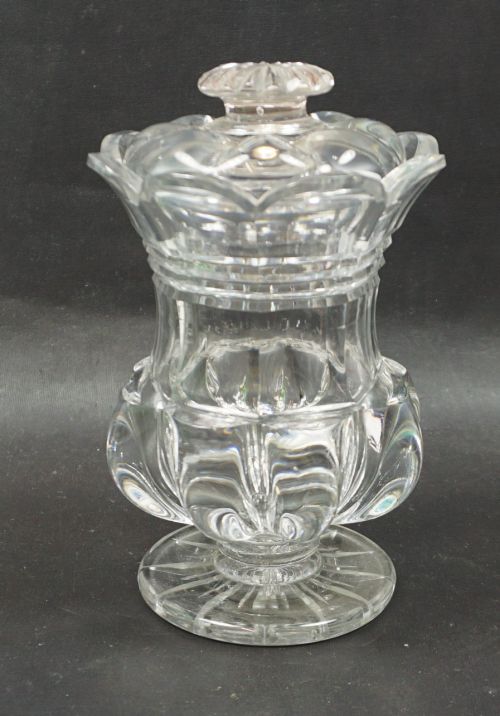
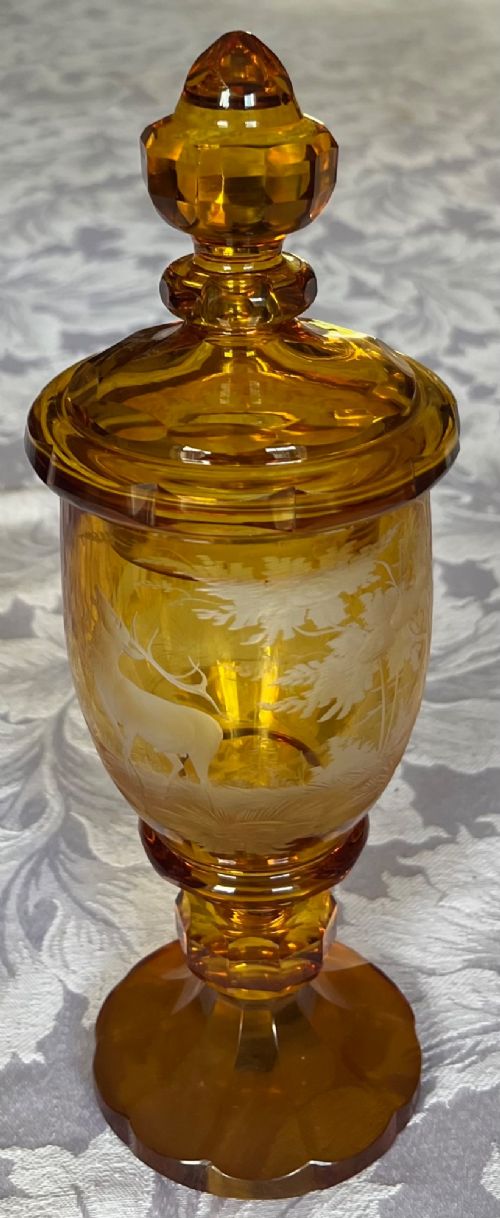
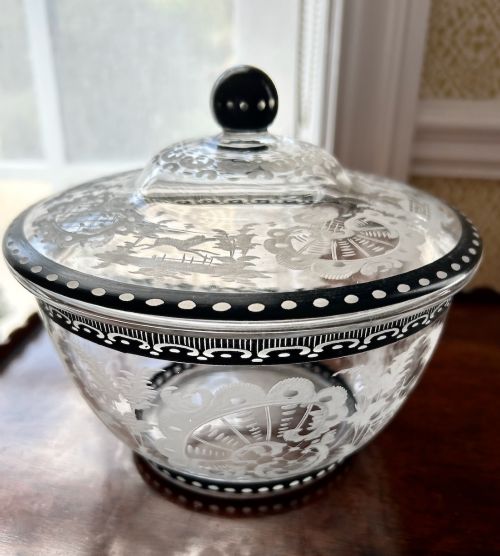
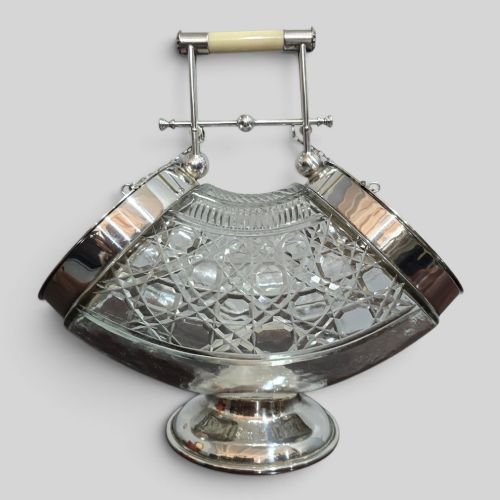
These heavy, faceted vessels and lidded containers are designed to hold dressing table essentials, preserves, or biscuits.
Antique Crystal Jar
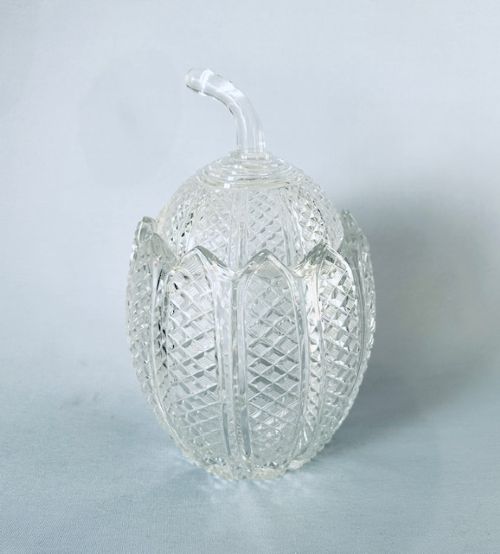
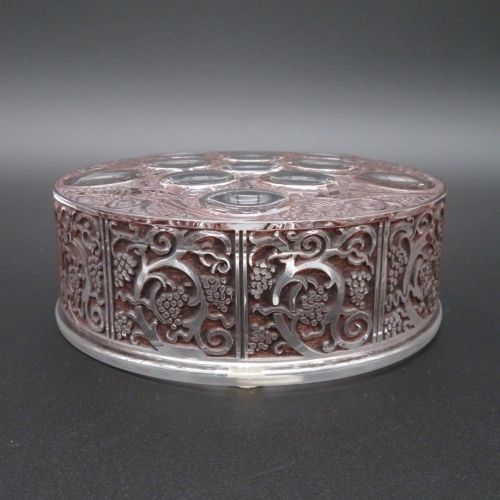
An antique crystal jar encompasses a wide variety of lidded containers, from vanity boxes and scent bottles to biscuit barrels and preserve pots. When searching for this phrase, collectors encounter pieces ranging from simple Georgian glass bowls to elaborate Edwardian and Art Deco receptacles.
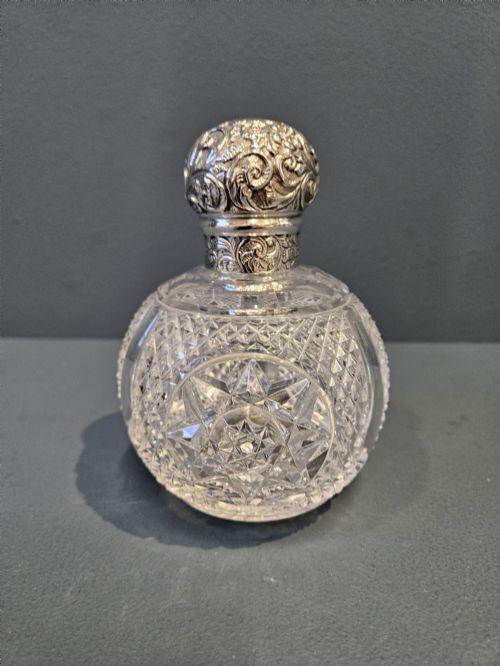
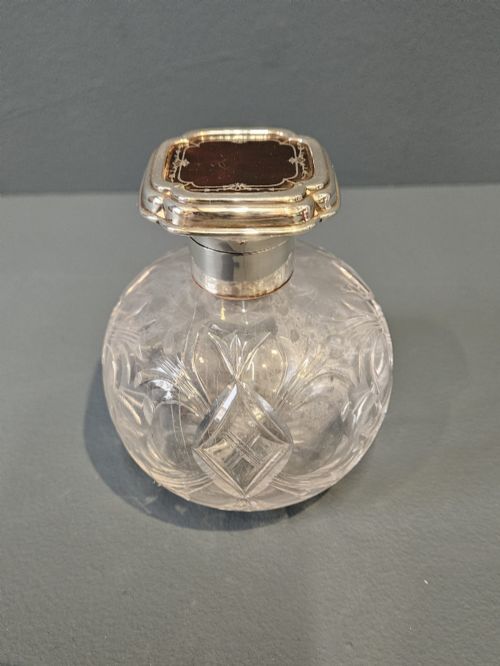
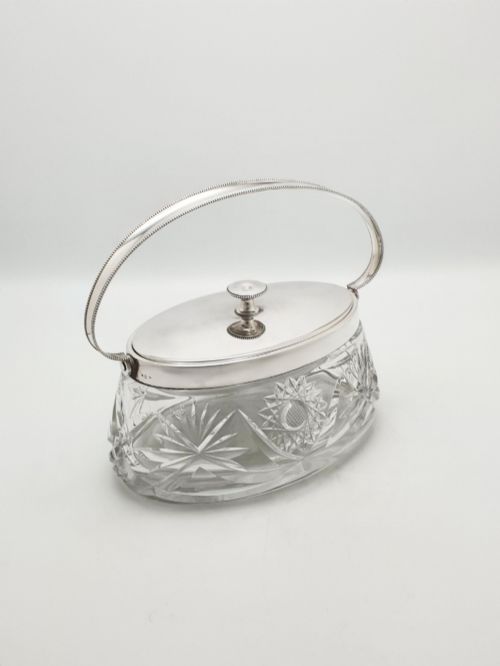
The form frequently combines heavy lead crystal or cut glass bodies with precious metal mounts, sterling silver lids, or silver-plated handles. Biscuit barrels and vanity jars dominate the selection, often featuring hobnail cutting or diamond patterns that catch the light.
Origins span British workshops as well as continental European makers, incorporating styles from the Regency period through to Jugendstil and the 1930s. Pieces serve both decorative and practical functions within period domestic settings.
Materials and manufacture
The bodies are formed from heavy lead crystal or glass, shaped either by hand blowing or pressing before undergoing deep wheel-cutting to create sharp facets. This cutting technique produces the brilliant refraction characteristic of better vessels.
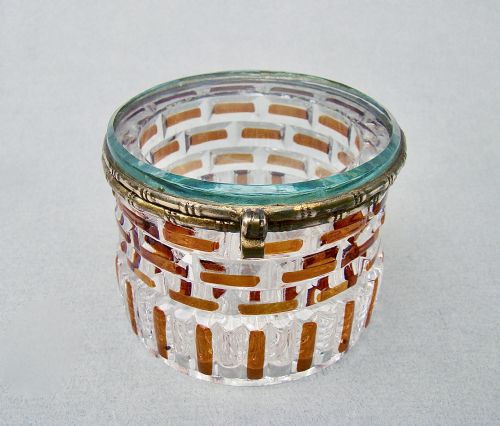
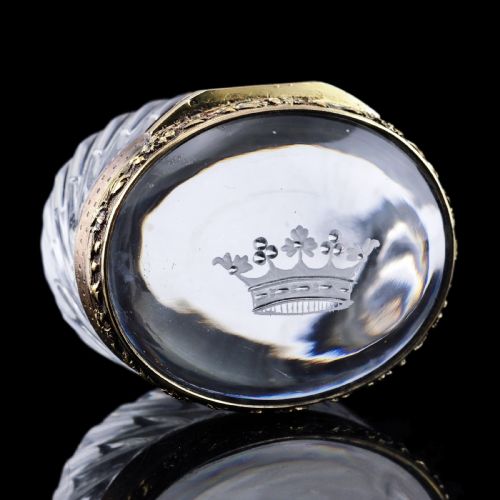
Mounts, lids, and hinges utilise sterling silver, silver plate, or silver gilt, frequently bearing hallmarks that record the assay office and year of manufacture. Tortoiseshell and blue enamel additions provide contrasting textures and colour to the metalwork.
Antique Crystal Jar Retail Price Guide 2026
Typical asking prices for crystal jar among the pieces listed under this phrase on Sellingantiques today, from the lower quarter to the upper quarter. They describe what is for sale here now, not the wider market.
Listings feature items spanning the Georgian period, Victorian era, Edwardian years, and the 1930s.
Distinctions in quality
Quality rests upon the crispness of the glass cutting and the weight of the crystal body. Sharp, deeply engraved facets indicate superior hand-craftsmanship compared to shallow, moulded indentations.
The integration between the glass and its metal mount marks a further distinction. Substantial sterling silver covers, well-fitted hinges, and clear hallmarks denote higher-tier production than standard silver-plated alternatives.
Baccarat·Lalique·WMF·Asprey and Co·Posen·Walker and Hall·Jonathan Douglas·Barnsley and Co
The Antique Crystal Jar Glossary
- Hobnail cut
- A pattern of sharp, pyramidal facets cut into the glass surface. This style creates a textured, light-reflecting exterior common on Edwardian and Victorian pieces.
- Biscuit barrel
- A lidded container utilised for storing dry biscuits at the dining table. They frequently feature swing handles and silver-plated mounts.
- Lead crystal
- Glass containing a high proportion of lead oxide, which increases weight, clarity, and refractive brilliance. It forms the heavy base material for quality cut vessels.
- Hallmark
- A series of official marks stamped onto precious metal mounts. These indicate the purity of the silver, the maker, and the year of assay.
Antique Crystal Jar: Frequently Asked Questions
What were crystal jars originally used for?
These vessels served various domestic purposes depending on their size and form. Smaller receptacles held perfumes, smelling salts, and dressing table powder, whilst larger lidded containers functioned as biscuit barrels or preserve pots.
Their placement was primarily in the parlour, dining room, or bedroom. Wealthy households utilised them to protect dry goods or display luxury accessories.
How do I identify the period of a jar?
Dating relies on a combination of the cutting style, the material of the mounts, and any accompanying hallmarks. Georgian and Regency examples often display simpler, broader cutting, whereas Victorian and Edwardian pieces frequently utilise denser hobnail patterns.
Silver mounts stamped with date letters provide a precise year of manufacture. Stylistic shifts, such as Art Deco geometric forms or Jugendstil curves, also narrow down the era.
How should I clean silver-mounted crystal?
Wash the glass body in warm, soapy water using a soft cloth, avoiding harsh abrasive scourers that can scratch the crystal surface. Dry thoroughly to prevent water spots from forming on the lead glass.
Keep silver polish away from the glass itself when cleaning the metal mounts. Use a specialist silver cloth gently on the hardware to preserve hallmarks and prevent chemical contact with the crystal.
Are these containers safe for food use?
Many lidded containers and preserve pots were designed specifically for edible items like biscuits or preserves. However, older lead crystal can leach trace amounts of lead over extended periods when storing acidic foods.
For practical modern usage, dry goods such as biscuits remain suitable. Liquid or acidic contents are best avoided in antique pieces to protect both the user and the vintage material.