







Antique Crystal Holders
Antique crystal holders encompass candle lighting and table services formed from cut glass alongside silver plate, brass, or ormolu.
Antique Crystal Holders
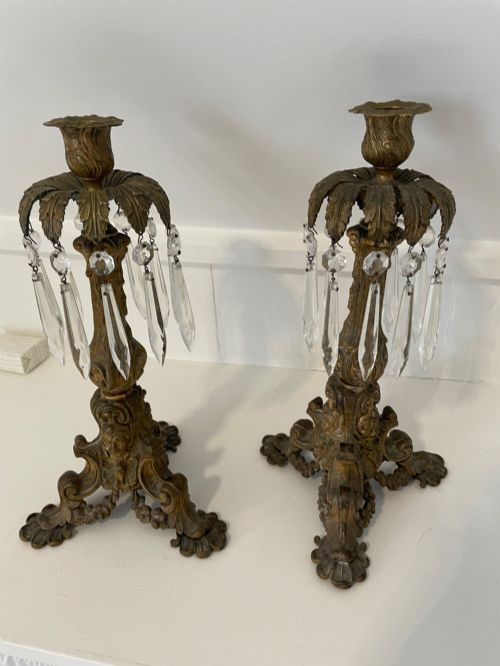
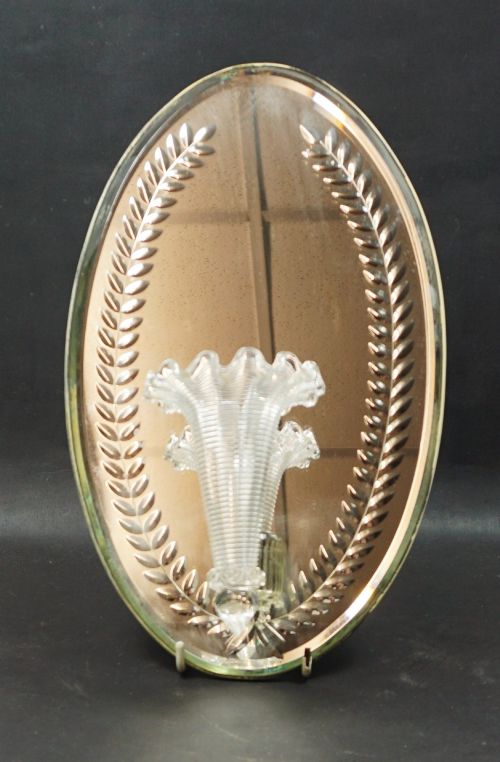
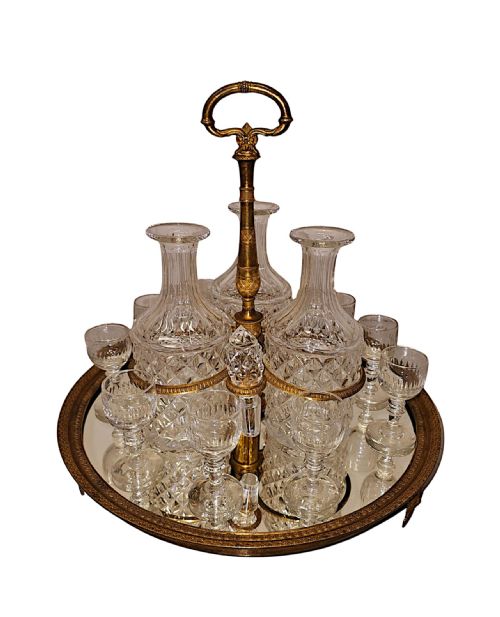
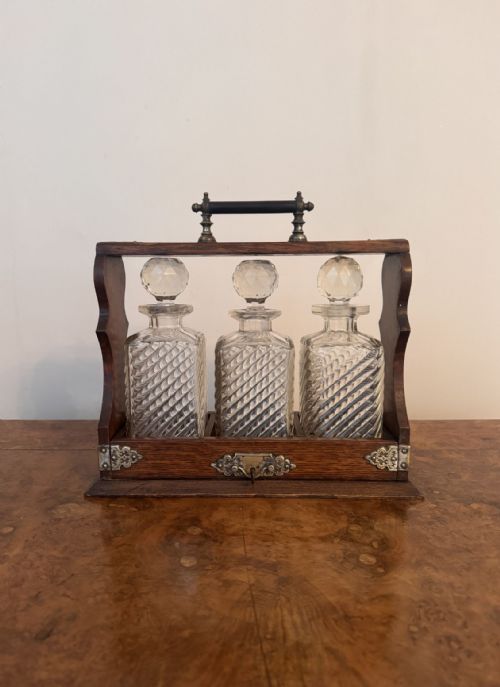
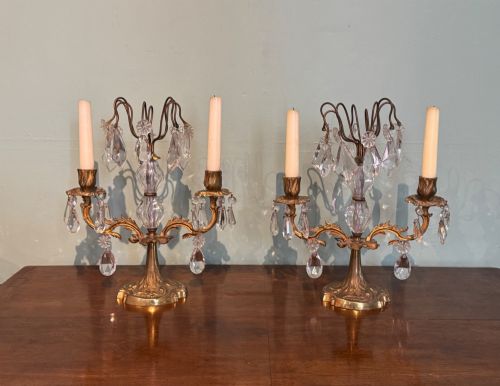
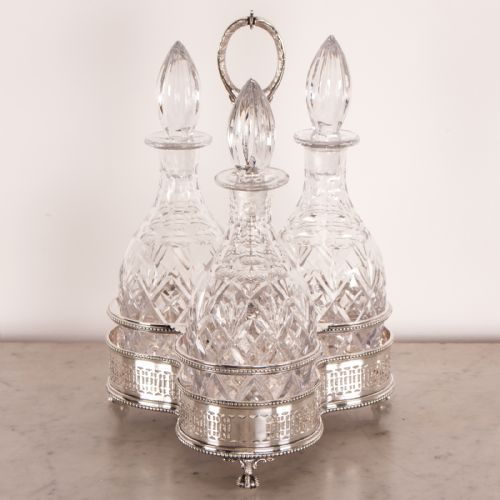
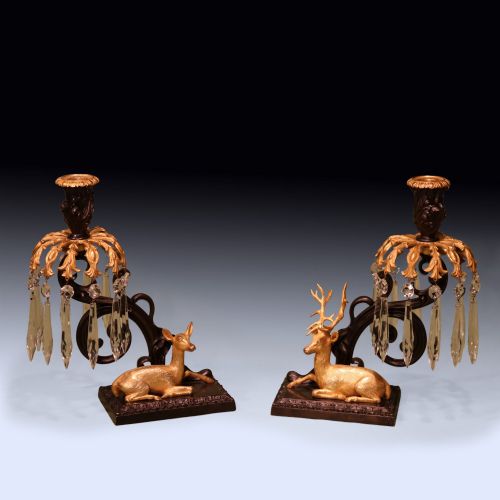
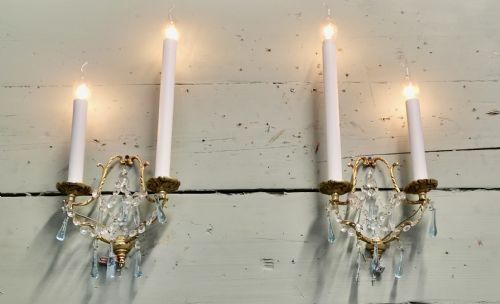
When you search for antique crystal holders, you encounter diverse forms designed to hold candles, bottles, or condiments. These encompass pairs of table lustres hung with glass prisms, multi-branched candelabras, wall sconces, and fitted tantalus or decanter sets. The selection spans 19th Century, Victorian, Edwardian, and Regency periods.
Table lustres feature heavily, often rendered in ruby glass, green glass, or clear cut glass, frequently paired with pendant drops. Candelabras and candlesticks appear in brass, gilt bronze, and silver plate alongside the glass components. Cruet sets and tantalus frames integrate cut crystal bottles into metal stands.
How they were made
Makers combined heavy glass-cutting techniques with metal casting and plating. Crystal and coloured glass vessels, such as ruby or green flash glass, were mouth-blown and wheel-cut to create geometric facets that refracted candle-light. Metal mounts, frames, and stands utilised cast brass, ormolu, and silver plating over base metals.
Assembly involved securing cut glass drops to candle holders using wire or pins, and mounting glass inserts into silver-plated or wooden frames for cruet and tantalus sets. Satinwood inlay and oak were utilised in cabinetry for specific decanter stands.
Antique Crystal Holders Retail Price Guide 2026
Typical asking prices for crystal holders among the pieces listed under this phrase on Sellingantiques today, from the lower quarter to the upper quarter. They describe what is for sale here now, not the wider market.
Listings feature cut glass, crystal, silver plate, brass, and ormolu across 19th Century, Victorian, and Edwardian periods.
What varies in quality
Quality differentiates by the depth and crispness of the glass cutting, the weight of the metal framework, and the completeness of pendant drops on lustres. Superior pieces exhibit precise facet-cutting on clear or overlay glass, substantial silver plating thickness on mounts, and matching original crystal stoppers in decanter sets.
The sophistication of the casting in ormolu, bronze, or brass components separates standard production from finer examples. Structural integrity in multi-branch candelabras and the retention of all original prism drops dictate distinction within these objects.
Walker & Hall·Elkington·René Lalique
The Antique Crystal Holders Glossary
- Lustre
- A table ornament featuring a central vase or candle socket hung with cut glass pendant prisms. These prisms catch and reflect ambient light.
- Tantalus
- A locking wooden or metal stand securing decanters to prevent unauthorized access to spirits. The frame exposes the bottles while blocking the stoppers until unlocked.
- Ormolu
- Finely ground high-carat gold applied to a bronze base using a mercury amalgamation process. This technique produces a rich golden decorative surface on metal mounts.
- Cruet set
- A matched collection of glass bottles for condiments, vinegar, and oil mounted in a metal frame. These stands typically sit upon dining tables for individual seasoning.
- Flash glass
- Glass composed of a thin layer of coloured glass applied over a clear or contrasting glass body. Artisans cut through the outer layer to expose the base colour beneath.
Antique Crystal Holders: Frequently Asked Questions
What is a mantel lustre?
A mantel lustre is an ornamental candle holder designed for placement on a fireplace mantelpiece. It incorporates hanging glass prisms that scatter light from candles.
These pieces function primarily as decorative objects rather than primary light sources. They reflect the aesthetic tastes of the Victorian period.
How do you use a tantalus?
A tantalus holds decanters securely within a locked metal bar frame. The mechanism prevents guests or staff from removing the decanter stoppers and pouring spirits.
Operating the lock allows the retaining bar to lift, freeing the bottles for service. The design combined security with display value in 19th-century dining rooms.
What is overlay glass?
Overlay glass consists of a base layer of glass encased in one or more contrasting coloured layers. Craftsmen carved or cut away portions of the outer layer to reveal the underlying colour.
This technique created striking geometric or floral patterns on nineteenth-century table lustres and vases. It required exceptional skill from the glass cutter.
How were cruet sets used?
Cruet sets held various condiments, oils, and sauces for use at the dining table. The individual glass bottles rested in a portable silver-plated or metal frame.
Servants placed the set on the table so diners could season food to taste. The bottles frequently featured cut crystal bodies and matching stoppers.