
Antique Crystal Glasses
Antique crystal glasses include stemware, decanters and chandeliers forged from lead glass and crystal across periods from the eighteenth century to the art deco era.
Antique Crystal Glasses
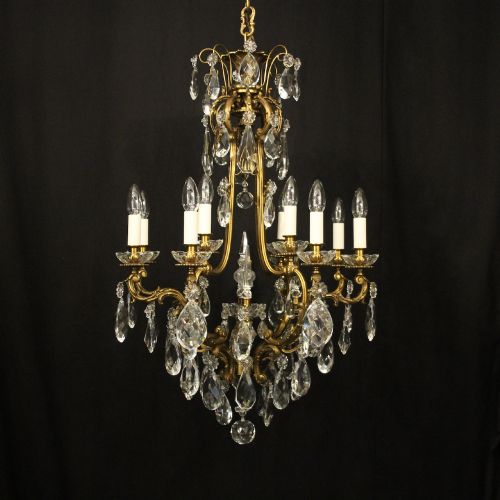
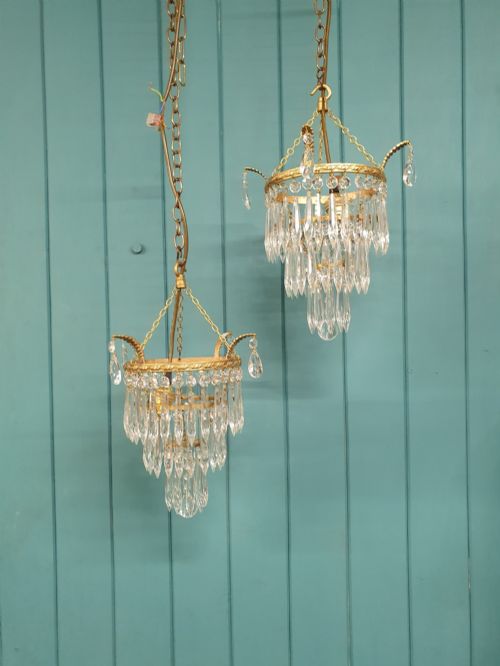
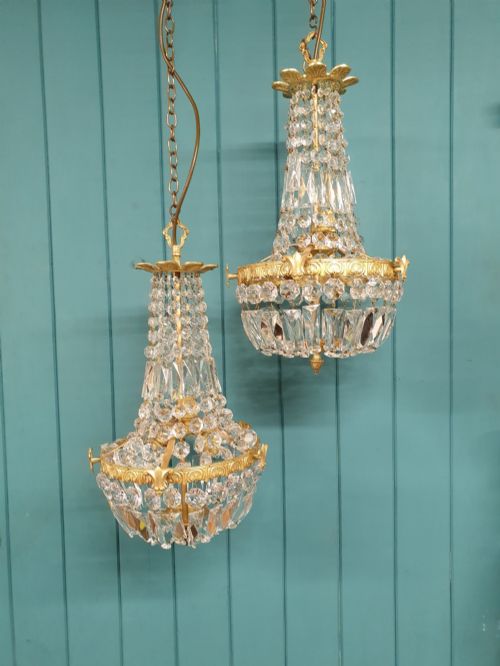
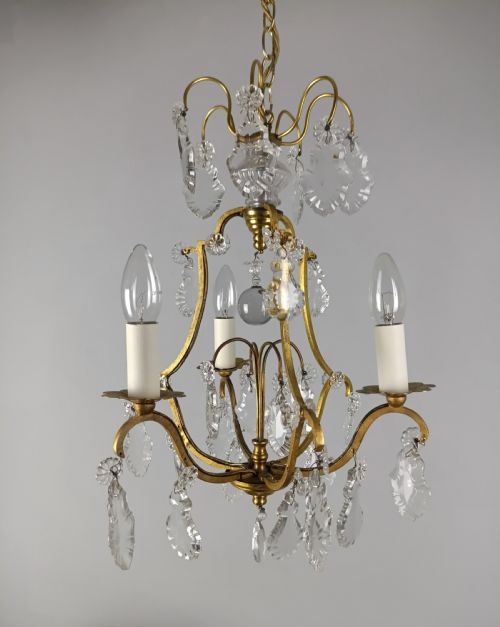
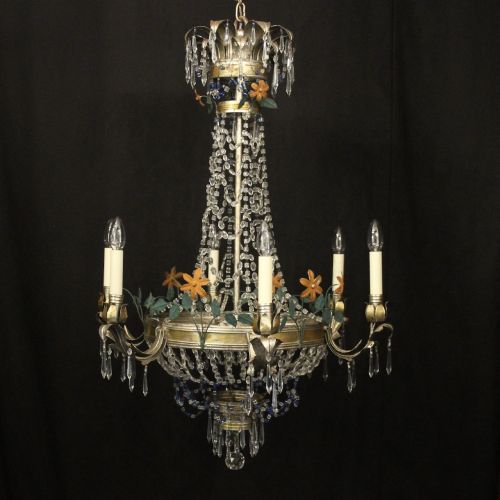
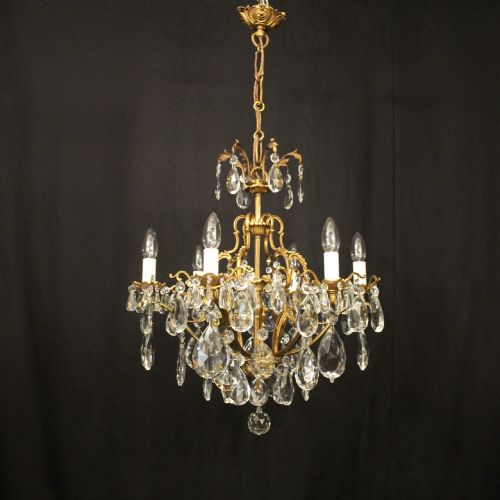
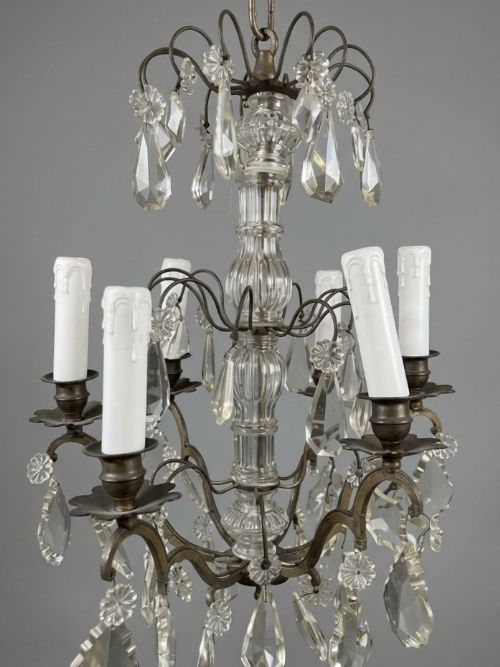
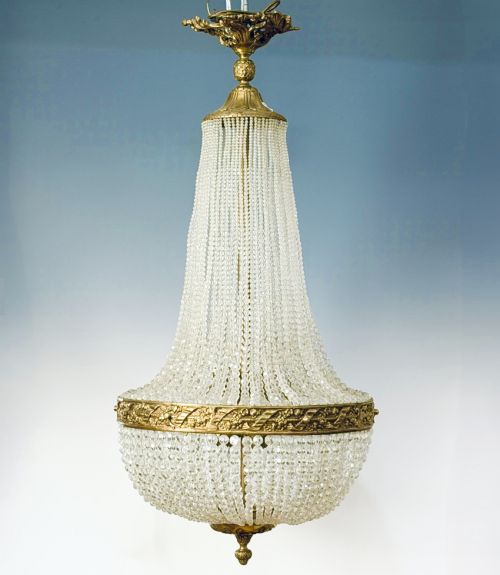
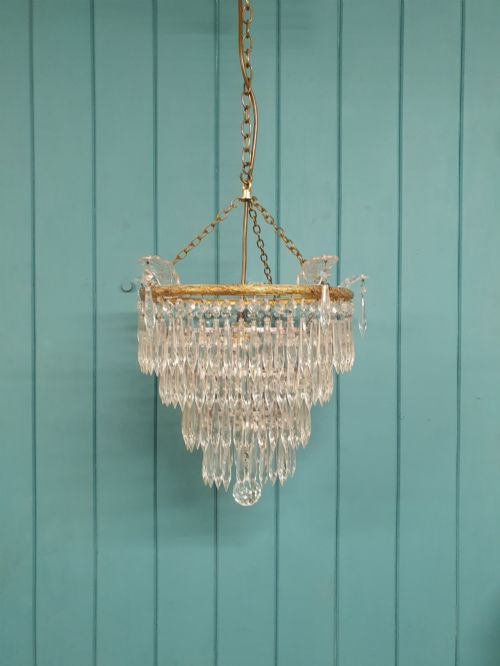
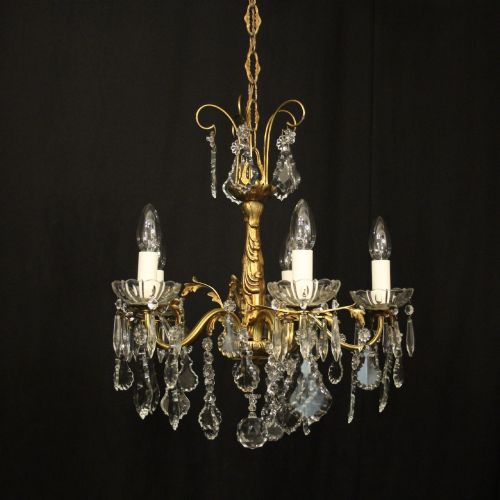
Beyond domestic stemware, the category encompasses large architectural pieces including cut glass crystal spike chandeliers, tent and waterfall chandeliers, and pendant lights mounted in gilt bronze, brass or ormolu. These lighting fixtures and drinking vessels represent the primary forms found within this selection.
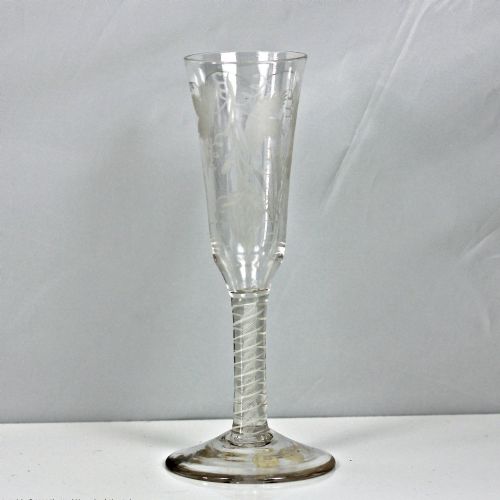
Georgian drinking vessels dominate the early periods, characterised by engraved bowls and specialised stems, while later French productions introduce matching sets of dram glasses, white wine glasses and tall champagne glasses from the nineteen hundreds.
What varies in quality
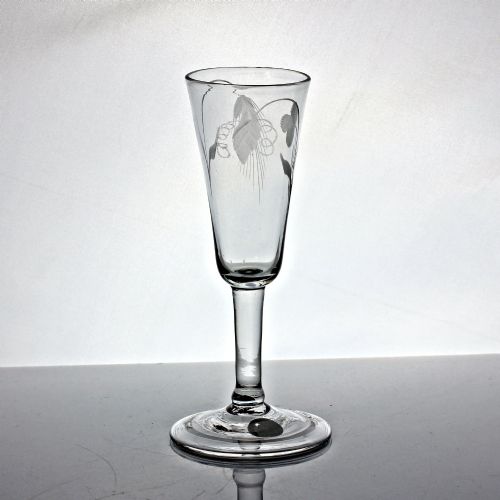
Quality in these items is determined by the precision of the cutting, the complexity of the internal stem structures in drinking glasses, and the harmony between the metal mounts and the glass elements. Higher tier pieces demonstrate crisp facet cutting and refined engraving such as hop and barley motifs.
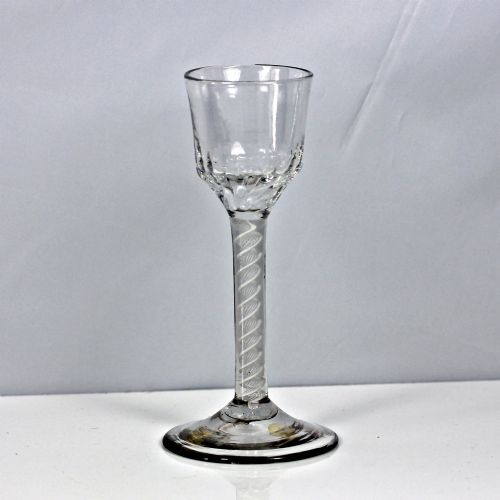
The sophistication of the design dictates distinction, moving from standard pressed or blown vessels to elaborate double series opaque twists, air tear knops, and multi-tiered crystal spike chandeliers adorned with gilt bronze frames.
Materials documented across the catalogue range from lead crystal and cut glass to sterling silver, gilt bronze and brass.
Baccarat·William Comyns
The Antique Crystal Glasses Glossary
- Baluster
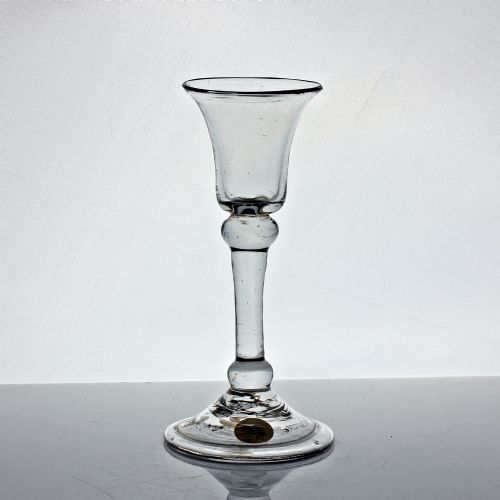
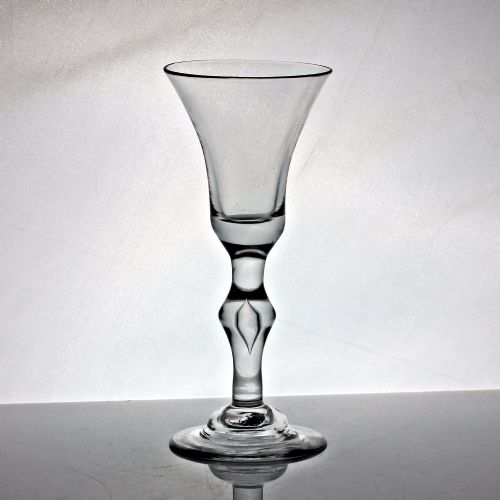
- A heavy stem form on eighteenth-century drinking glasses featuring an architectural knop beneath the bowl. This style provides substantial weight and a distinct silhouette to early wine glasses and goblets.
- Opaque twist
- A decorative stem technique containing white or coloured enamel threads spun within the clear glass. This method creates linear or spiral patterns inside eighteenth-century wine and ale glasses.
- Tantalus
- A locking wooden or metal frame containing decanters that displays the contents while preventing unauthorised access. These sets often incorporate cut glass bottles within secure framework.
- Spike chandelier
- A hanging lighting fixture featuring a central vertical rod or spike surrounded by tiers of cut glass drops and crystals. These fixtures originate largely from the early twentieth century.
- Wrythen
- A moulded surface decoration featuring twisted ribs or flutes running obliquely down the bowl of a glass. This technique adds texture and catches light on Georgian stemware.
Antique Crystal Glasses: Frequently Asked Questions
How do I identify Georgian wine glasses?
Georgian wine glasses exhibit specific stem constructions such as baluster forms, air tears or opaque twists supporting bell or ovoid bowls. Many examples also feature folded feet to strengthen the base.
Examining the weight and the method of manufacture helps separate eighteenth-century drinking vessels from later reproductions. The presence of pontil marks on the underside further indicates traditional hand-blown production methods.
What defines a tent and waterfall chandelier?
A tent and waterfall chandelier incorporates a conical upper section of strung crystals resembling a tent that cascades down into a wider bowl or ring of lights. These fixtures rely on brass or gilt bronze frames to suspend the glass drops.
Originating in French workshops during the nineteenth and early twentieth centuries, these lights maximise reflection through dense arrays of cut glass prisms.
How should I clean antique crystal chandeliers?
Cleaning antique crystal chandeliers requires wiping individual glass drops and prisms with a mild solution using a soft cloth while the pieces remain supported. Harsh chemical cleaners can damage both the glass and the underlying gilt bronze or ormolu mounts.
Careful handling prevents stress on the delicate wire fixings that secure the crystal spikes and pendants to the metal frame.
What is an air tear knop?
An air tear knop is an intentional enclosed bubble of air trapped within the solid stem or knop of a Georgian glass. Makers produced these bubbles during the blowing process to catch light within the stem.
This feature appears frequently on eighteenth-century baluster glasses and serves as an indicator of early manufacturing techniques.