








Antique Crystal Flutes
Antique crystal flutes are drinking vessels of cut and twisted glass, offering a clear ring and sharp facets for celebratory toasts.
Antique Crystal Flutes
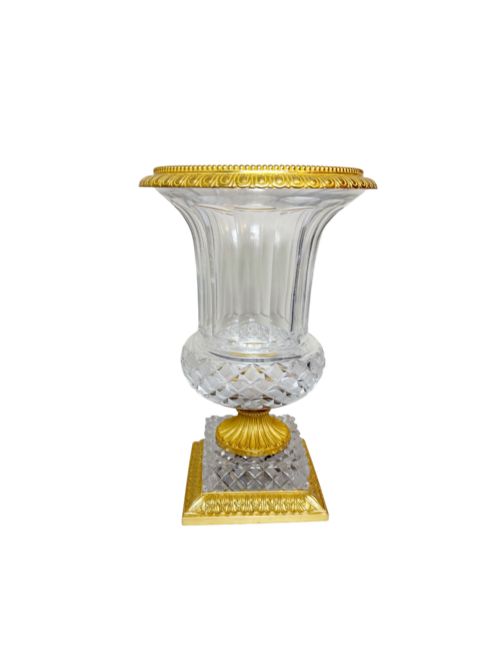
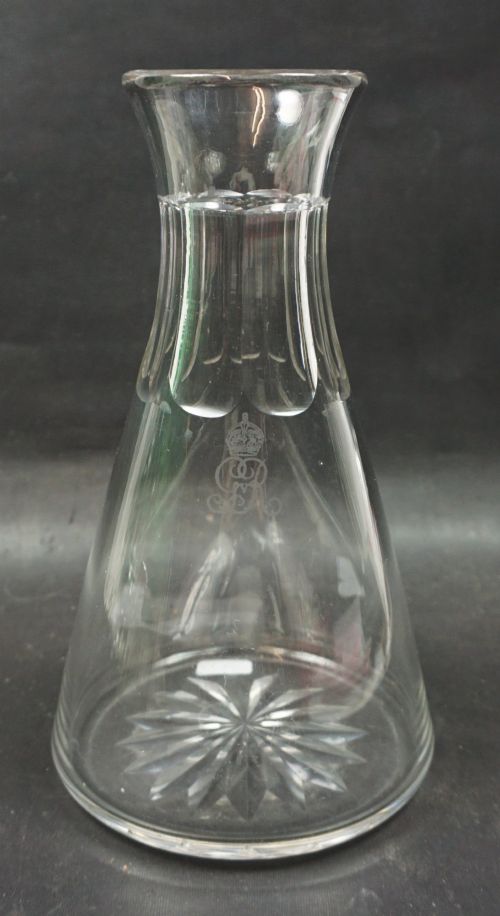
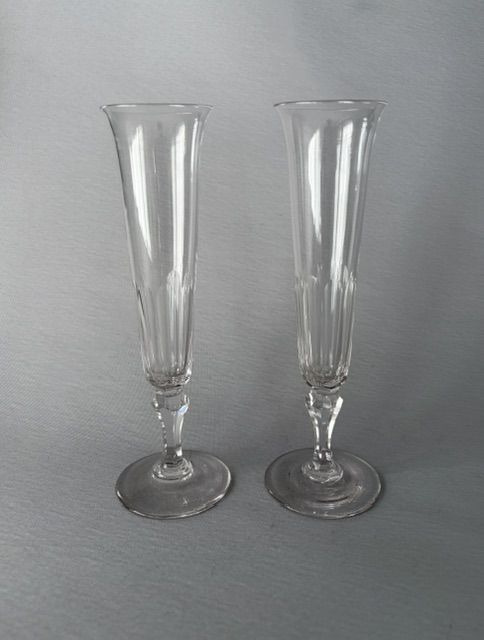
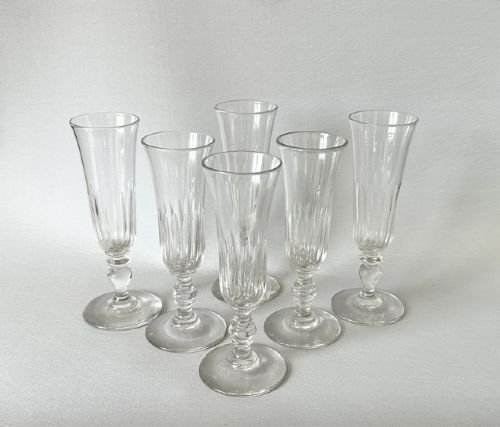
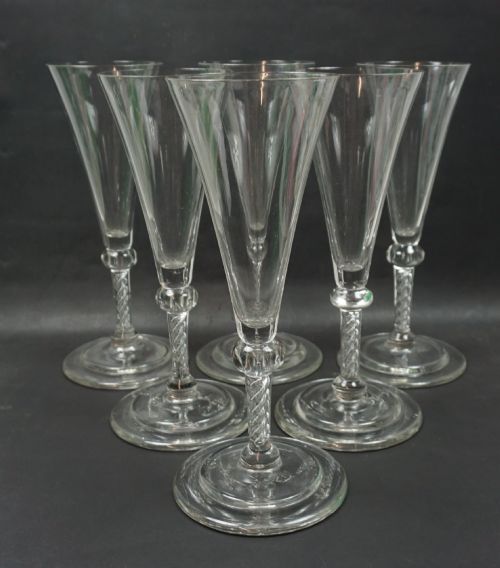
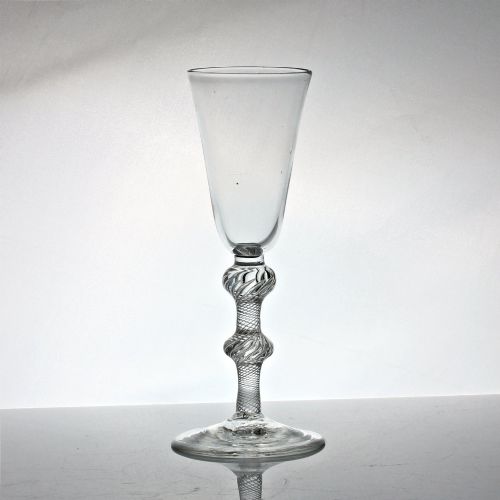
When searching for antique crystal flutes, a collector examines slender vessels designed for sparkling wines and champagnes alongside related drinking glasses from the eighteenth and nineteenth centuries. The selection spans Georgian, Victorian, and Edwardian periods, with pieces varying from tall eighteenth-century air twist stems to nineteenth-century cut glass versions.
The most frequent examples encountered on this page originate from the Georgian era and the Victorian period, frequently taking the form of flute-moulded ogee bowls or cut glass champagne flutes. Alongside proper flutes, the listings incorporate ale glasses, wine glasses, and rummers sharing similar manufacturing eras and materials.
What varies in quality
Clarity of the metal and crispness of the wheel-cut facets divide ordinary glassware from superior examples, as deeper cutting yields sharper light refraction. The complexity of internal stem formations, such as double series opaque twists, demonstrates higher technical skill.
Proportion and weight dictate the balance of the piece, where heavier lead crystal displays a resonant ring and smooth surface free from heavy mould seams. Condition of the rim and foot also influences the overall standard of preservation.
Antique Crystal Flutes Retail Price Guide 2026
Typical asking prices for crystal flutes among the pieces listed under this phrase on Sellingantiques today, from the lower quarter to the upper quarter. They describe what is for sale here now, not the wider market.
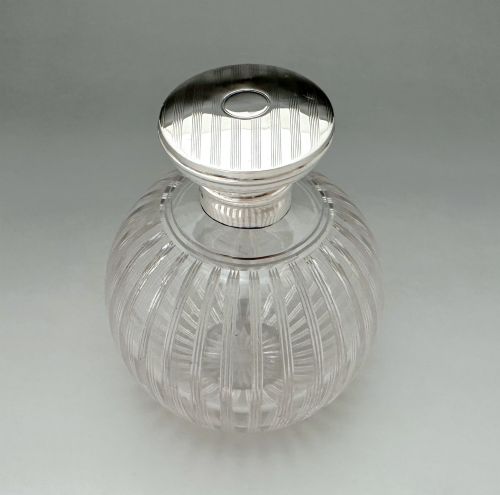
Listings feature lead crystal, sterling silver mounts, and enamel details across Georgian and Edwardian periods.
Moser·Otto Prutscher·Powell
The Antique Crystal Flutes Glossary
- Lead crystal
- A type of glass containing lead oxide that increases weight, brilliance, and softness for easier cutting.
- Air twist
- A stem containing elongated internal air bubbles drawn into a spiral thread during manufacture.
- Opaque twist
- A stem enclosing white or coloured enamel glass rods twisted into threads within the clear metal.
- Faceting
- The process of grinding flat planes into the exterior of glass to create geometric reflective surfaces.
- Pontil mark
- A rough scar on the base where the holding iron was snapped away from the finished vessel.
Antique Crystal Flutes: Frequently Asked Questions
How do I clean antique crystal flutes?
Wash them gently by hand in warm water using a mild liquid detergent. Avoid sudden temperature changes to protect the old glass.
Dry them immediately with a lint-free linen cloth to maintain the bright shine on the cut facets.
Can I drink champagne from them?
These historical vessels hold sparkling wine perfectly well for special occasions and toasts. Hand washing is required after use.
Keep them away from modern dishwashers and harsh chemical cleaners to preserve the polished surface.
How do I tell Georgian from Victorian flutes?
Georgian examples typically feature lighter drawn stems, air twists, or delicate opaque twist patterns inside the glass. They date from the eighteenth to early nineteenth century.
Victorian pieces lean towards heavier cut glass designs with deeper bowl mouldings and sturdier foot rims from the later nineteenth century.
What causes cloudiness in old glass?
Mineral deposits from old liquids or moisture trapped inside can etch the interior surface over long periods. This chemical reaction leaves a milky film.
Professional restoration or careful soaking can sometimes reduce this hazy appearance, though deep etching remains permanent.