



Antique Crystal Dishes
These antique crystal dishes span Georgian serving vessels to Art Deco bowls, bringing cut glass and metal mounts into daily use.
Antique Crystal Dishes
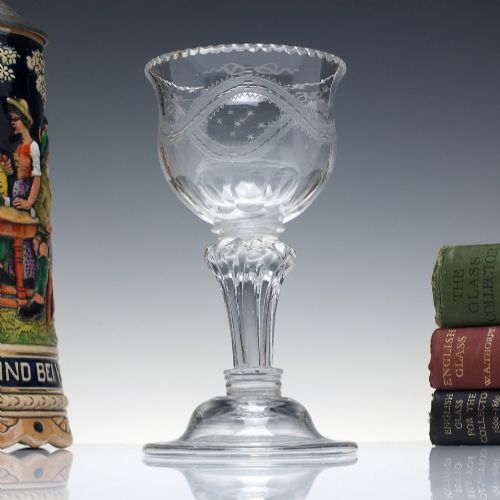
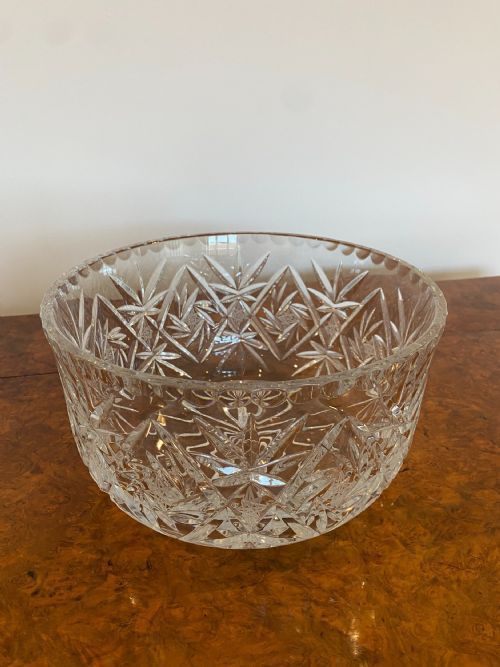
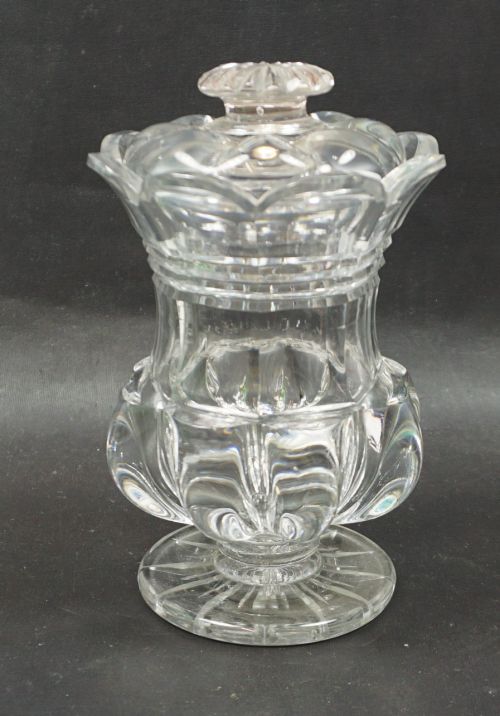
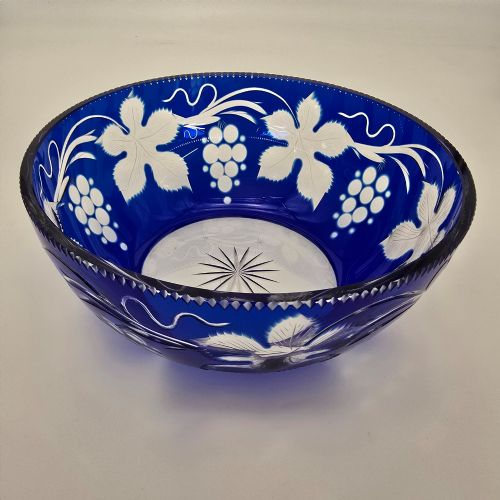
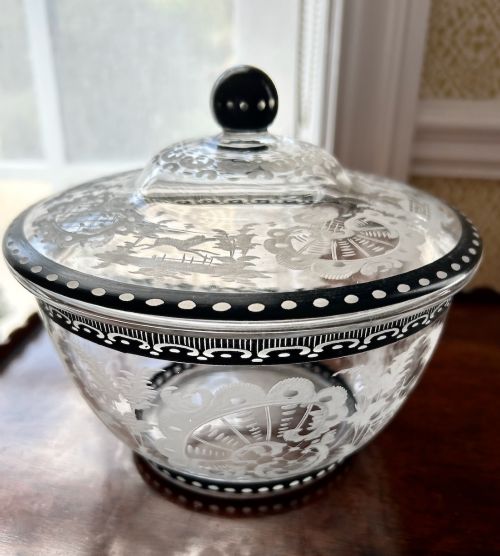
When you search for antique crystal dishes, you encounter a range of functional and decorative tableware spanning the Georgian, Victorian, Edwardian, and Art Deco periods. The selection includes fruit bowls, butter dishes, trinket boxes, finger bowls, and table centrepieces.
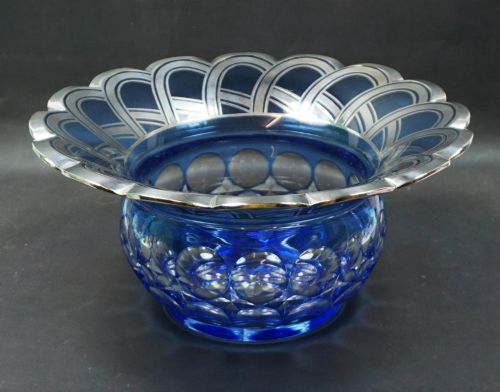
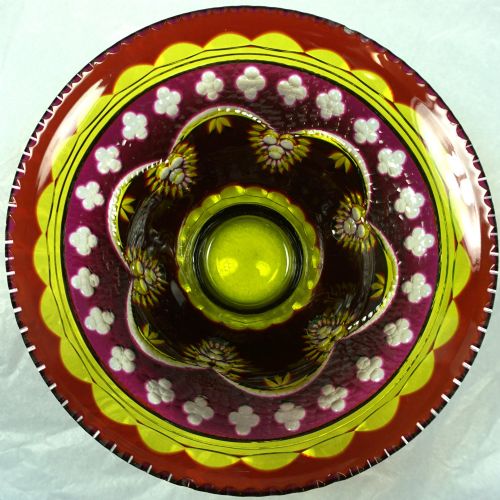
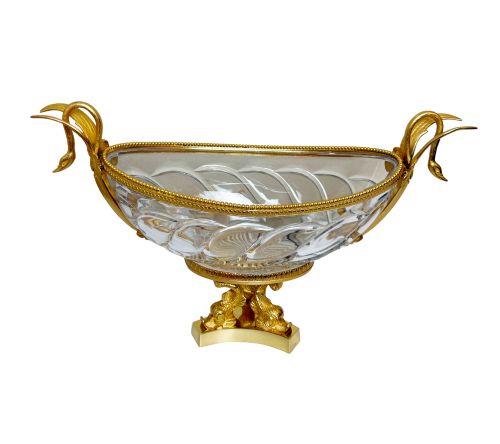
You are most likely to meet Victorian and Edwardian cut glass dishes alongside French and Bohemian coloured glass vessels mounted in brass, gilt bronze, or silver plate. These items served dining and dressing table uses, holding food, condiments, or small personal items.
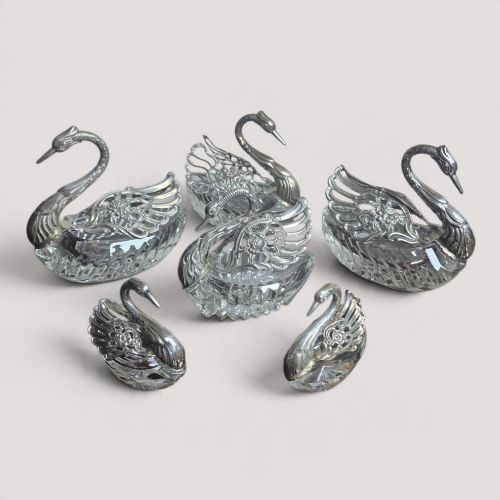
The assortment extends from small patch stands and salt cellars to large centrepiece bowls and covered boxes. European workshops from England, France, and Belgium dominate the forms, frequently combining heavy lead crystal with metal mounts.
How they were made
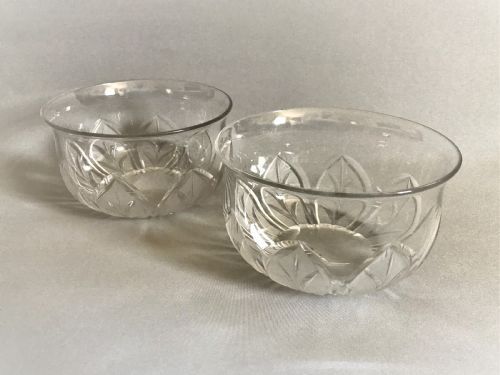
The pieces rely on lead crystal, cut glass, and standard glass bodies shaped through moulding, blowing, or pressing. Craftsmen then applied wheel-cutting techniques to create facets, flutes, and geometric patterns across the surface.
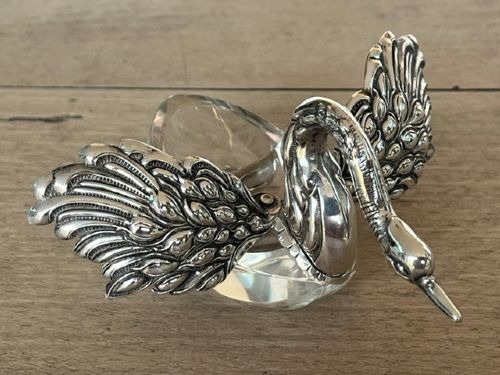
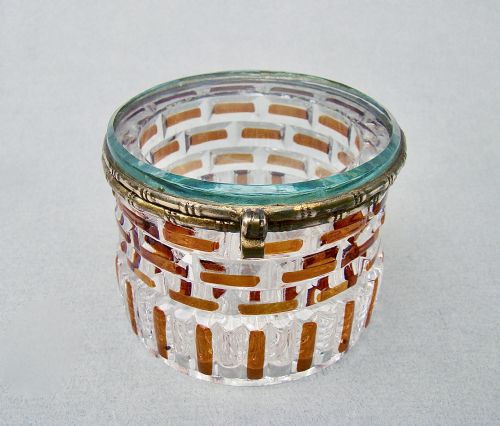
Many items incorporate metalwork, utilising brass, gilt bronze, or ormolu for mounts, handles, and frames. Silver and silver plate appear frequently as rims, lids, or decorative mountings, often marked by firms using enamel or paste gilt decoration.
Antique Crystal Dishes Retail Price Guide 2026
Typical asking prices for crystal dishes among the pieces listed under this phrase on Sellingantiques today, from the lower quarter to the upper quarter. They describe what is for sale here now, not the wider market.
Materials recorded across the selection include lead crystal, cut glass, sterling silver, silver plate, brass, gilt bronze, and uranium glass.
What varies in quality
The depth and crispness of the glass cutting separate standard items from superior examples. Sharp, clean facets catch the light directly, whereas softer, rounded edges indicate mass production or worn moulds.
The weight and clarity of the crystal itself define the upper tier of the range. Heavier lead content yields higher refractive index and ring, while superior metal mounts show refined chasing in the gilt bronze or solid sterling silver rather than basic plated alternatives.
Baccarat·Tiffany and Co·WMF·Rene Lalique·Val St Lambert·St Louis glassworks
The Antique Crystal Dishes Glossary
- Cut glass
- Glass shaped and patterned by holding it against a rotating abrasive wheel. This process leaves sharp, precise facets that distinguish cut pieces from moulded wares.
- Lead crystal
- Glass containing a significant percentage of lead oxide, which increases weight, clarity, and light dispersion. It produces a distinct ring when struck.
- Ormolu
- Gilt bronze mounted on decorative objects, created by applying a mercury and gold amalgam to bronze. The technique gives a rich golden surface finish.
- Plafonnier
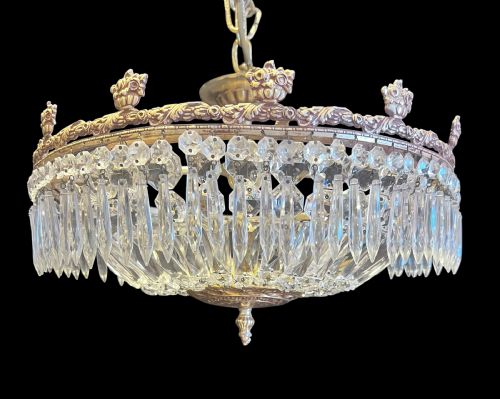
- A ceiling-mounted bowl light fitting, often made of cut crystal or glass held in a metal frame. It sits flat or close against the ceiling.
- Tazza
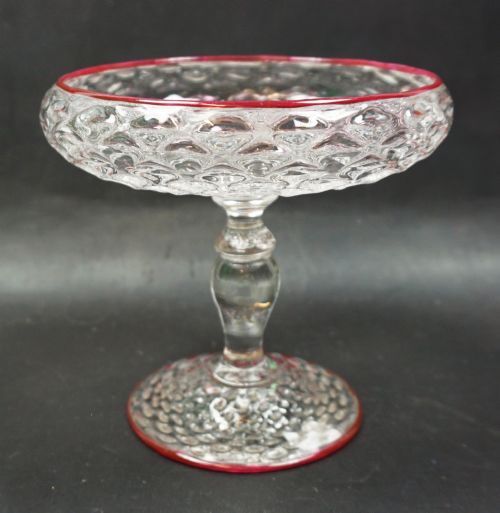
- An elevated shallow bowl or dish supported by a central stem and foot. It functions primarily as a centrepiece or serving vessel.
Antique Crystal Dishes: Frequently Asked Questions
What were antique crystal dishes used for?
These dishes served multiple roles across dining tables and dressing rooms, holding fruit, butter, biscuits, or small personal trinkets. Covered versions protected perishable foods or kept powder and pins contained.
Larger forms functioned as table centrepieces or decorative bowls, displaying the clarity of the cut glass during formal meals. Smaller pieces like salt cellars and patch stands sat directly beside individual place settings.
How do I identify a Georgian crystal dish?
Georgian pieces often display heavier hand-cut facets, pontil marks on the base from hand-blowing, and distinct forms like patch stands or oval fruit bowls. The glass can have a slightly warmer tone due to early batch compositions.
Mounts and metalwork on Georgian items reflect the neoclassical taste of the period, employing simpler silver or bronze elements compared to later Victorian exuberance.
Are metal mounts original to the glass?
Makers frequently paired cut crystal bowls with bronze, gilt bronze, or silver plate mounts during production, particularly in French and Victorian workshops. Ormolu rims and handles were integrated to elevate the status of the serving dish.
Examine the fit between the glass and metal to ensure the mount conforms precisely to the contours of the crystal without improvised gaps.
How should I clean an antique crystal dish?
Wash the glass by hand in lukewarm water using a mild, non-abrasive detergent. Avoid sudden temperature changes to prevent stress fractures in older lead crystal.
Keep water away from any glued metal mounts, silver plate, or gilt bronze details, drying the glass thoroughly with a lint-free cloth to restore its clarity.